Is Annual Garage Door Maintenance Really Necessary
Published: Mar 20, 2026
You just invested in a beautiful, brand-new garage door. It runs smoothly, looks great, and you barely even use it—maybe once on the weekend. Yet, you keep hearing the same advice: “Get your garage door serviced annually.”
It’s a fair question to ask: Why?
It feels a bit like being told your new car needs a major tune-up after only driving it around the block. You're right to be skeptical of one-size-fits-all advice. The truth is, the maintenance needs of a brand-new or rarely-used door are different, but they aren’t non-existent. Let’s explore why that first check-up is more important than you think—and how to approach it intelligently.
Foundation: The Standard Advice and Why It Exists
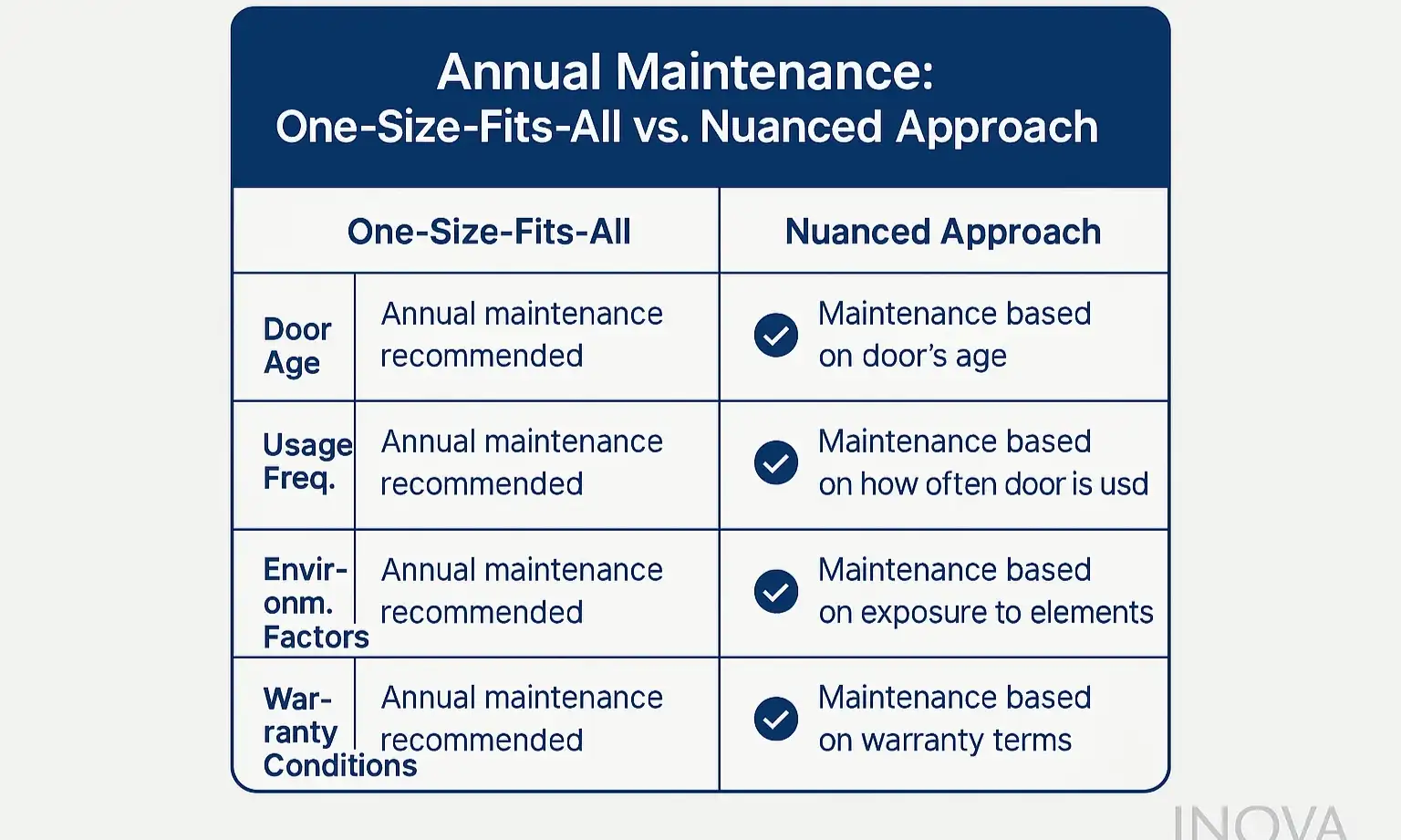
First, let’s understand the baseline. The recommendation for an annual garage door tune-up and maintenance service isn't a myth. For a door that’s seen a few years of daily use, this check-up is crucial for:
- Safety: Garage doors are heavy and operate under extreme tension. An annual service catches issues with safety sensors, springs, and cables before they become dangerous failures.
- Longevity: Regular lubrication and adjustments prevent small issues from turning into costly breakdowns, extending the life of your door and opener.
- Performance: A well-maintained door runs smoother, quieter, and more reliably.
Most online guides offer a standard garage door maintenance checklist that addresses the wear and tear from thousands of cycles. But what about a door with almost no cycles? That’s where the conversation needs to get more nuanced.
Building: The Nuance for New & Low-Use Doors (The Core of the Article)
For doors with minimal use, the primary threats aren't from opening and closing. They come from something else entirely: Static Threats vs. Active Wear.
Active wear is the friction and stress from daily use. Static threats are forces that affect your garage door system even when it’s sitting perfectly still. And for a new installation, these are the real culprits.
"Aha" Moment #1: The Warranty Connection
This is the single most overlooked reason for a first-year check-up. Many manufacturer and installer warranties are contingent on a professional inspection within the first 12 to 24 months. Skipping this can unknowingly void your warranty.
Think of it less as a "tune-up" for wear and more as a "validation" of the installation. A technician can certify that everything was installed correctly and is settling in properly, protecting the investment you just made. After all, a core part of the process of buying a new garage door is ensuring its long-term value.
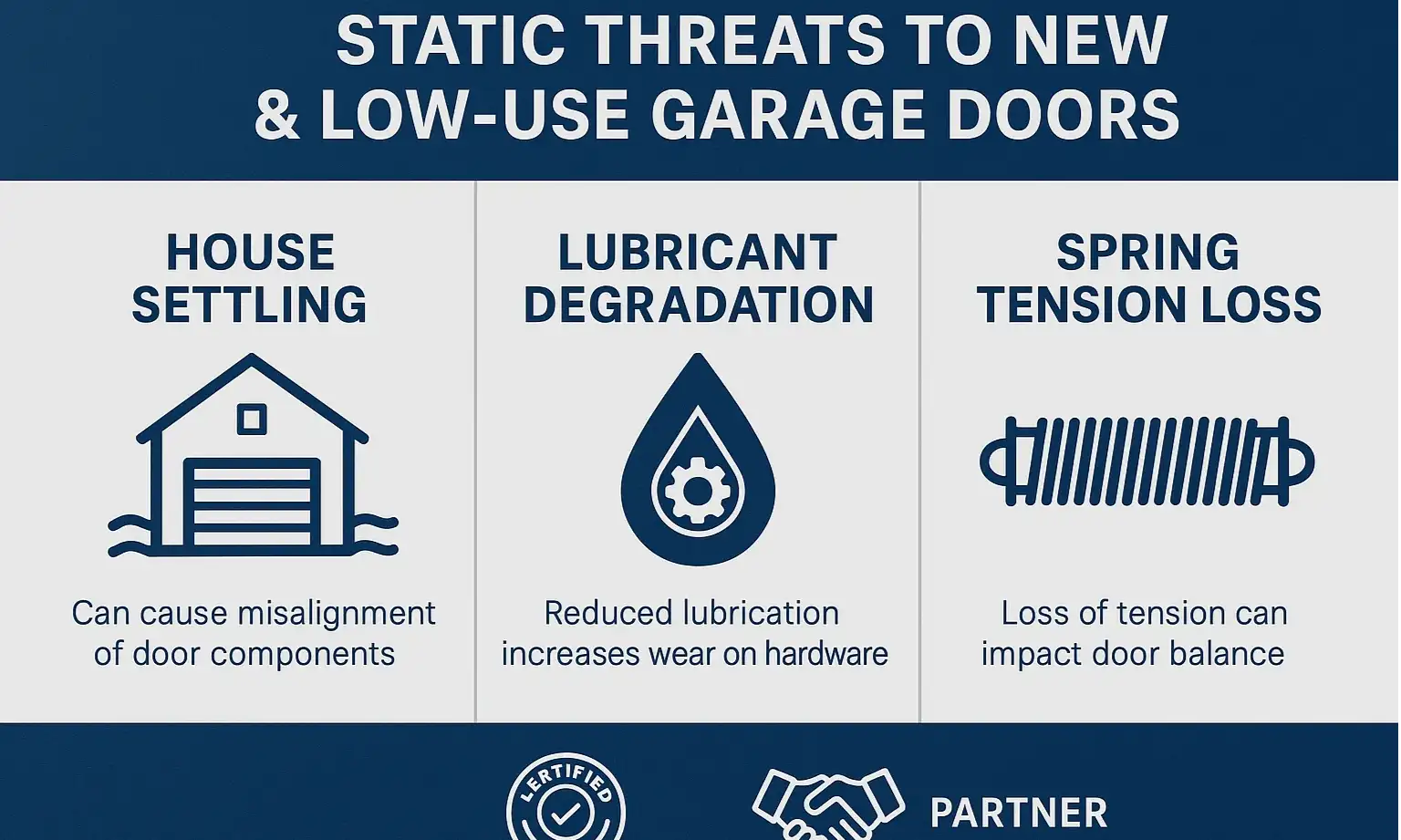
"Aha" Moment #2: The “Static Threats” Lurking in Your Garage
Even if your door hasn't moved an inch, powerful forces are at work.
- House Settling: Your home is constantly, subtly shifting. For a new door, this can be just enough to pull the tracks slightly out of alignment, creating unseen friction points that will cause damage once the door is used more frequently.
- Lubricant Degradation: The grease applied at the factory isn't permanent. Over a year, it can dry out, especially in hot or dry climates. Worse, it can become a magnet for dust and debris, creating a gritty paste that grinds away at rollers and hinges instead of protecting them. This is why knowing how often should you lubricate your garage door is key, even when it's new.
- Spring Tension Loss: The torsion springs are the muscles of your garage door system. They are under immense tension 24/7, whether the door is open or closed. Over time, they naturally lose a bit of their force. This can unbalance the door, putting a strain on the opener motor that will shorten its life.
Mastery: An Intelligent Maintenance Schedule
Instead of a rigid "annual" rule, let's reframe the goal for a new or low-use door: transition from an installation validation to a usage-based maintenance plan. This ensures optimal garage door health without unnecessary service calls.
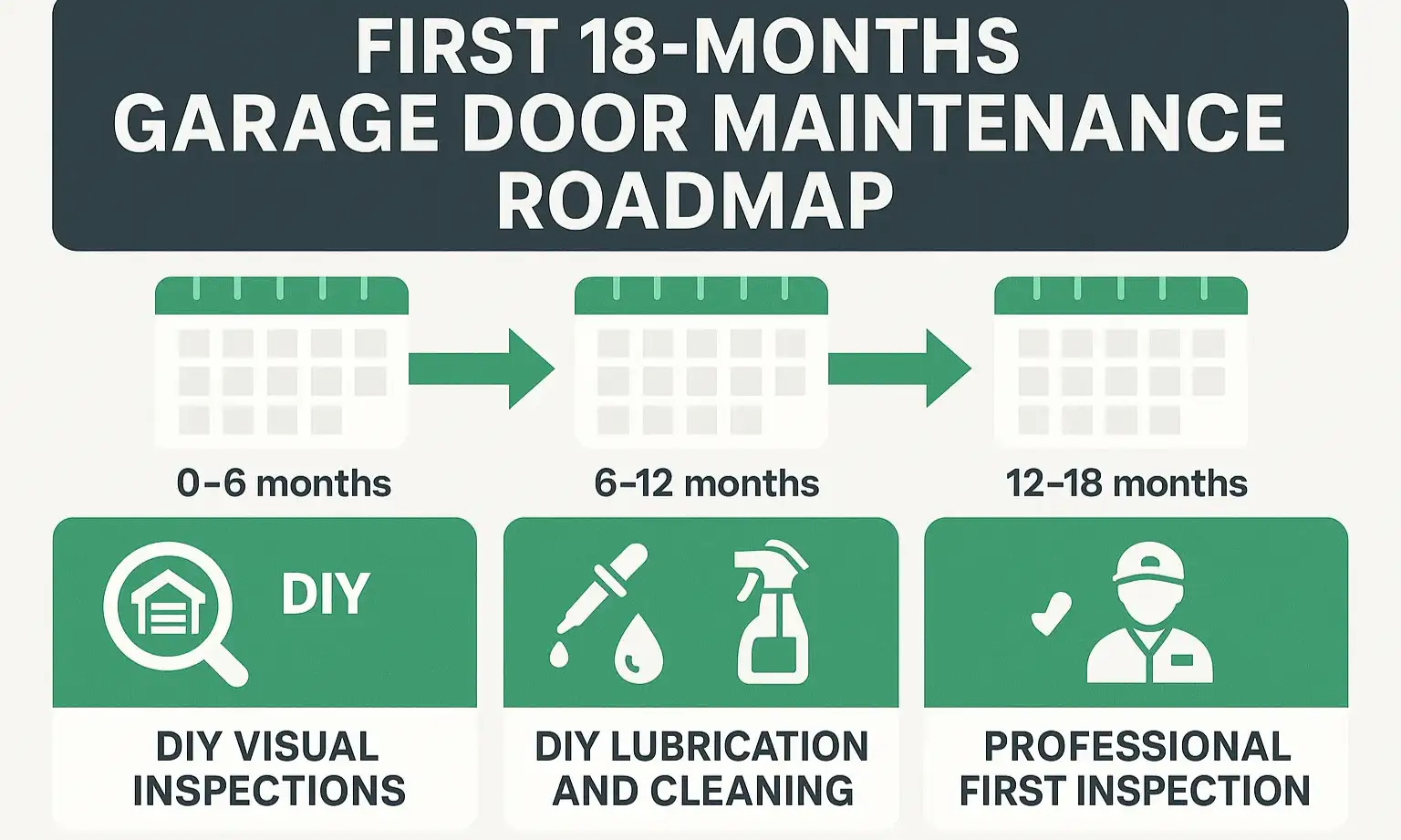
Your First 18-Month Action Plan
Months 1-6 (DIY Visual Checks): Once a month, simply watch and listen. Does the door move smoothly? Are there any new scraping or grinding sounds? Visually inspect the rollers, hinges, and cables for any obvious signs of trouble. Test the safety reversal system by placing a roll of paper towels on the ground in the door's path.
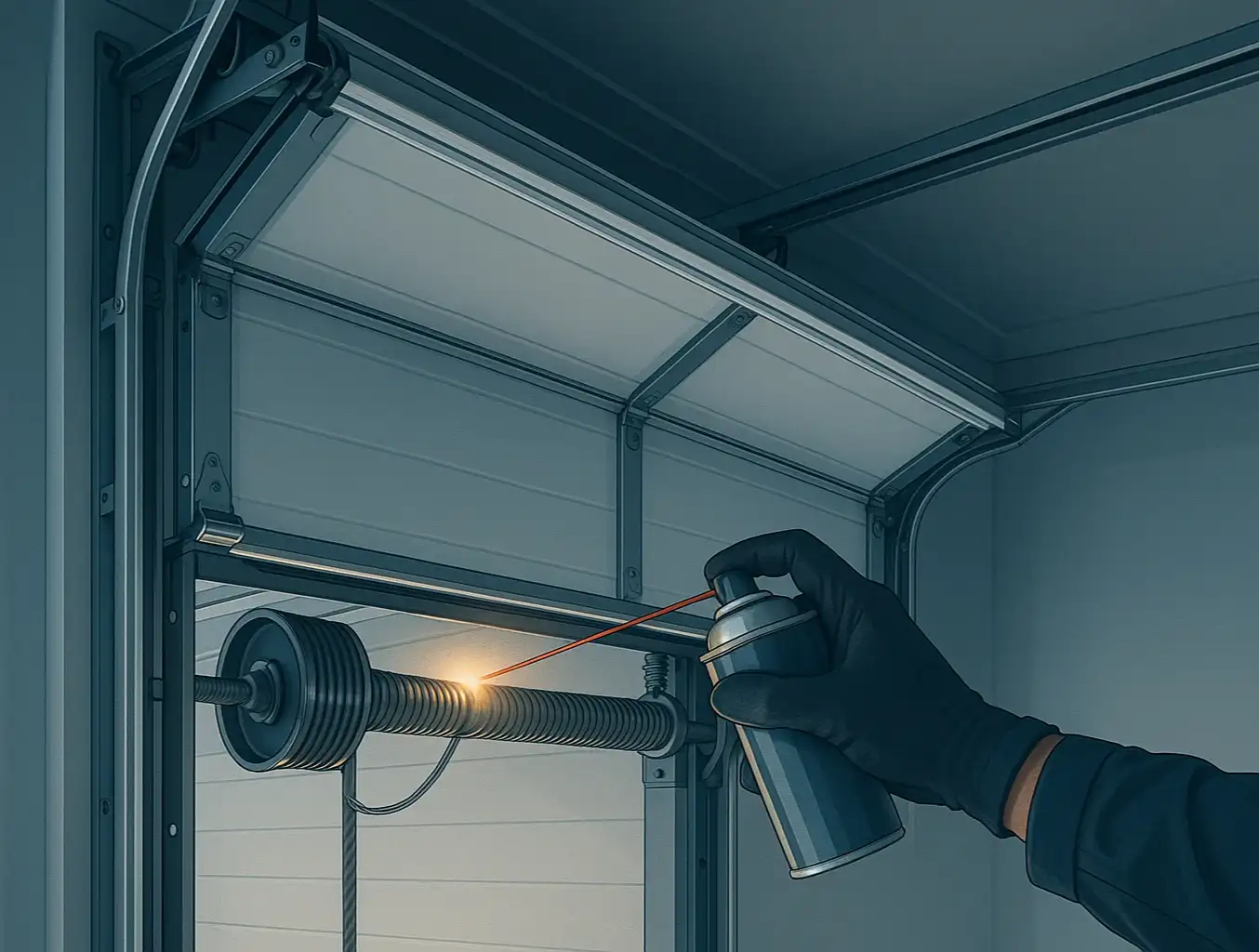
Months 6-12 (DIY Lubrication & Cleaning): Wipe down the tracks to remove dust and debris. Based on your owner’s manual, apply a high-quality garage door lubricant to the hinges, rollers, and springs. The question of whether you should you lubricate garage door springs is a common one, and the answer is yes—it prevents corrosion and keeps them quiet.
- Common Mistake: Don't use WD-40. It's a solvent, not a lubricant, and can strip away the essential factory grease.
Months 12-18 (The First Professional Inspection): This is the crucial step. Frame it as a "First-Year Inspection" rather than a full tune-up. A professional will:
- Validate the warranty.
- Check for track alignment issues from house settling.
- Test the spring tension and balance the door perfectly.
- Perform a comprehensive garage door inspection of all critical safety features.
- Provide a baseline report on your door's condition.
After this initial professional check-in, you and your technician can decide on a schedule based on your actual usage and local climate—which might be every 18-24 months if your usage remains low.
Need more information?
Get a free quote
Action: Your Smart-Owner Checklist
Keeping your new door in top shape is straightforward. Use this checklist to stay on track.
Your DIY Tasks (Every 3-6 Months)
- Look & Listen: Watch the door operate. Note any jerky movements or new noises.
- Visual Inspection: Check rollers, hinges, and cables for signs of wear or damage.
- Safety Reversal Test: Place an object (like a 2x4 or paper towel roll) in the door's path to ensure it reverses upon contact.
- Photoelectric Sensor Test: Wave an object in front of the sensors near the bottom of the track while the door is closing. It should immediately reverse.
- Clean Tracks: Wipe down the inside of the tracks with a damp cloth.
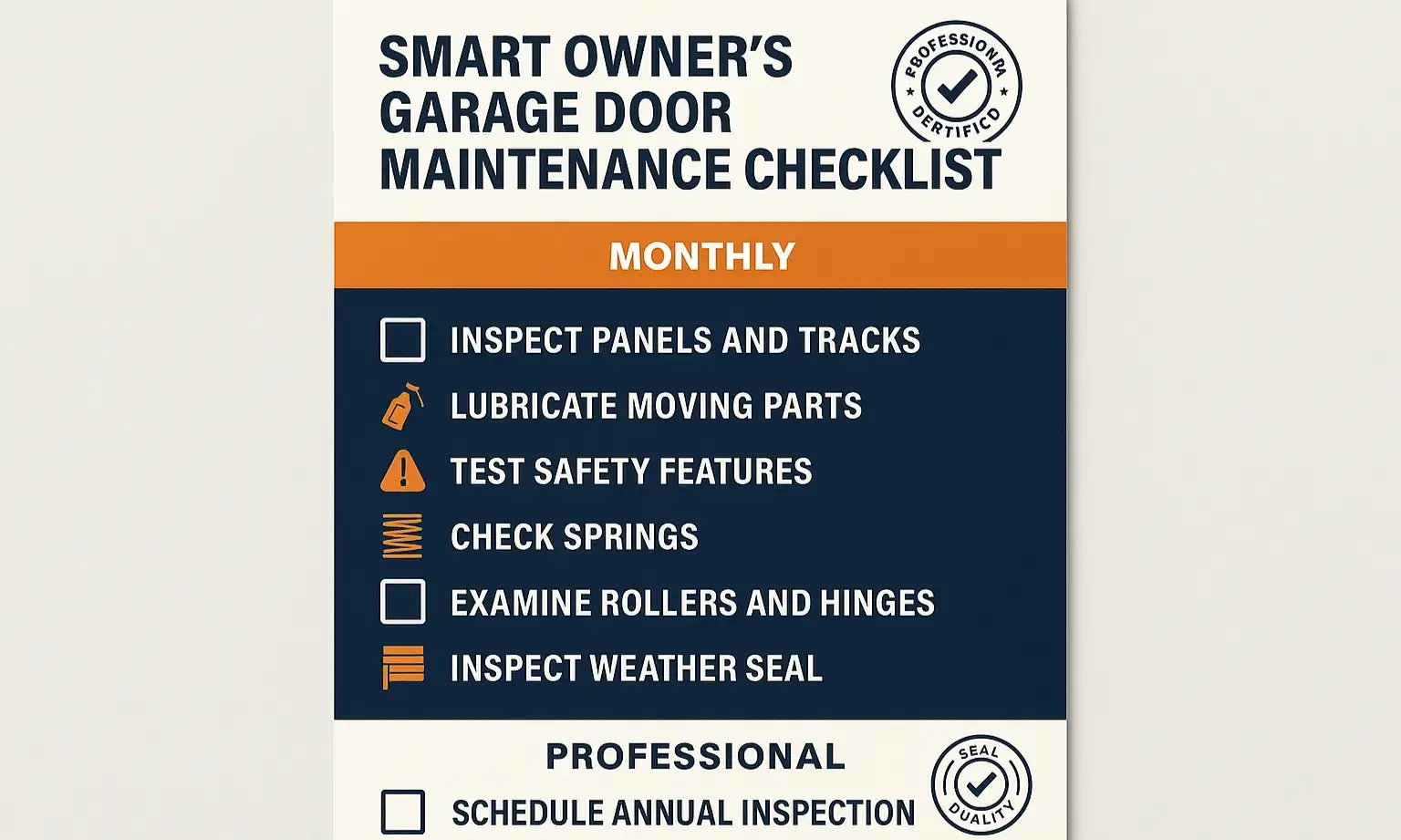
Your Professional Task (Between 12-18 Months)
Schedule a "First-Year Professional Inspection." Contact a trusted professional to check spring tension, door balance, alignment, and all safety systems to validate your warranty and set a baseline for future service.
So, is annual maintenance necessary for a new or low-use door? The answer is more thoughtful than a simple yes or no. The first year's check-up is absolutely critical—not for wear and tear, but to protect your warranty and correct for the invisible "static threats" that can compromise a new system.
After that, you can graduate to a smarter, usage-based plan. By understanding what really affects your door, you can care for your investment with confidence.
Frequently Asked Questions (FAQ)
Should I lubricate a brand-new garage door myself?
Yes, but check your owner's manual first. Most new doors benefit from a light application of a silicone- or lithium-based garage door lubricant on moving metal parts after about 6-12 months. This helps combat the "lubricant degradation" static threat. Avoid heavy greases that attract dirt.
What’s the real difference between a "First-Year Inspection" and a "Full Tune-Up"?
A First-Year Inspection focuses on validating the installation and correcting for settling. The technician is checking for perfect balance, alignment, and safety compliance. A Full Tune-Up on an older door includes all of that, but also addresses accumulated wear and tear, like replacing worn rollers and making more significant adjustments for a system that has been working hard for years.
If I only use my garage door on weekends, can I wait two or three years for service?
After your critical first-year professional inspection, you can likely extend the time between services. For very low usage (a few times a week), a professional check every 24 months is a reasonable schedule, as long as you continue performing your own DIY visual checks every few months.
You may also like