











FAQ
How long does garage door insulation installation take?
Most jobs are finished in a single visit.
Do I need weather sealing too?
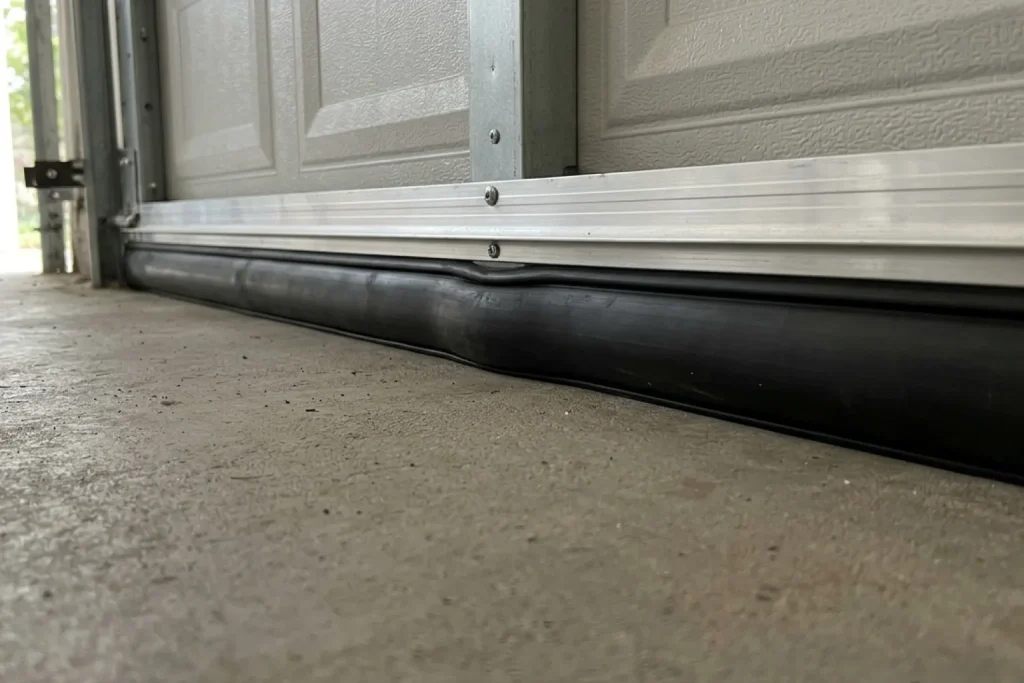
Usually, yes. Gaps around the door let air bypass the insulation, so new seals make the insulation much more effective.
Should I insulate my door or buy an insulated door?
If your door is in good shape, insulating it is the more affordable option. If it’s old or damaged, a new insulated door may be the better investment.
Can garage door insulation reduce noise?
Yes. Foam insulation makes the door quieter when it moves and reduces outside noise.
Which is better: foam board or reflective insulation?
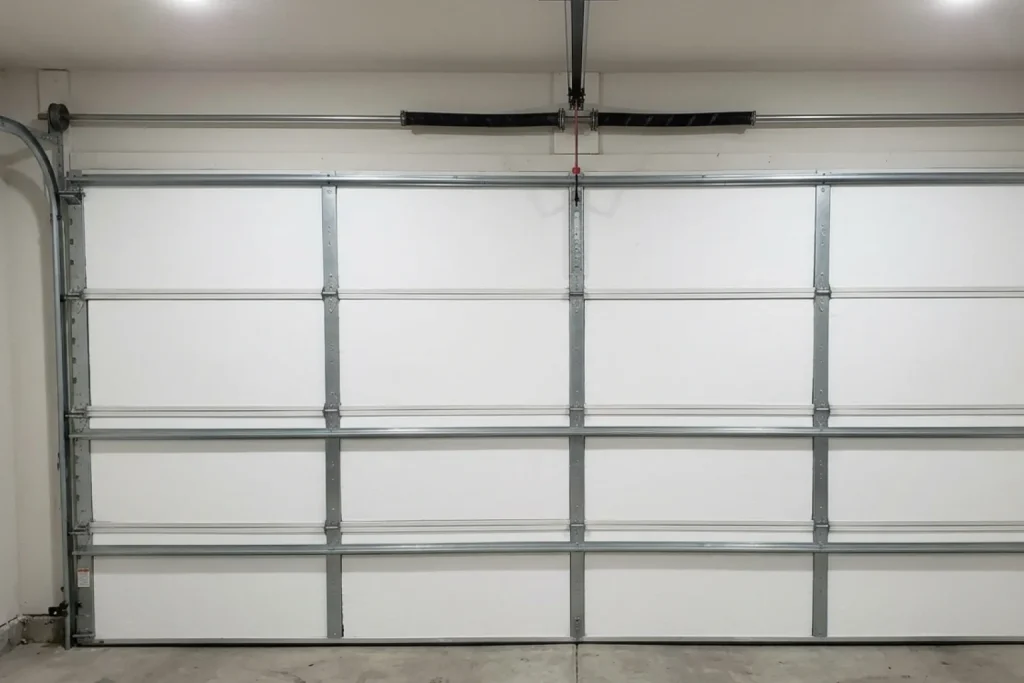
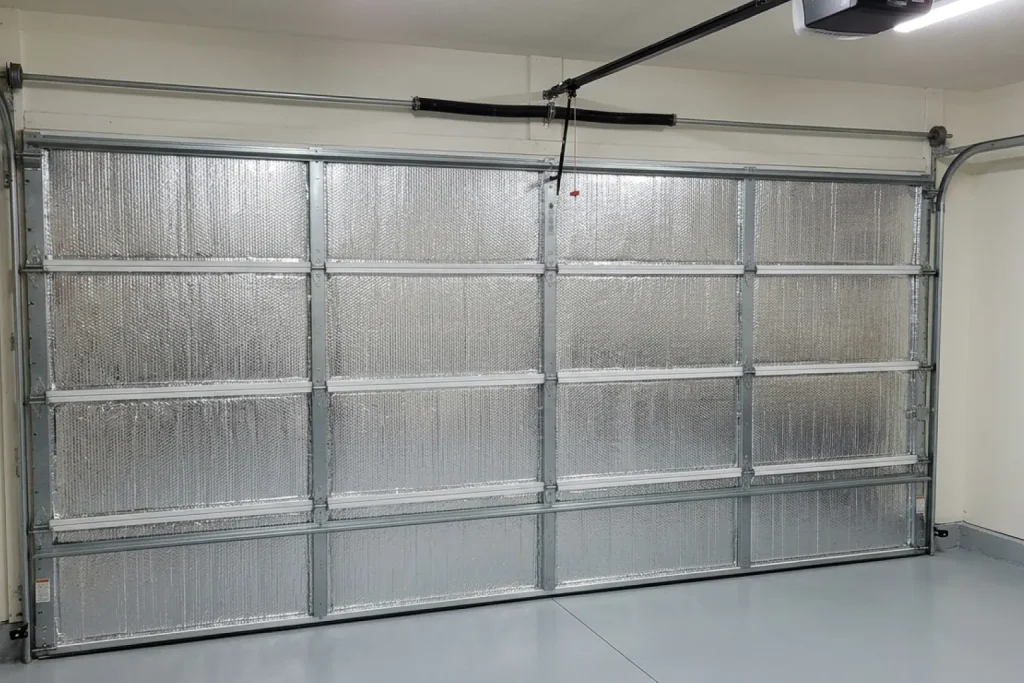
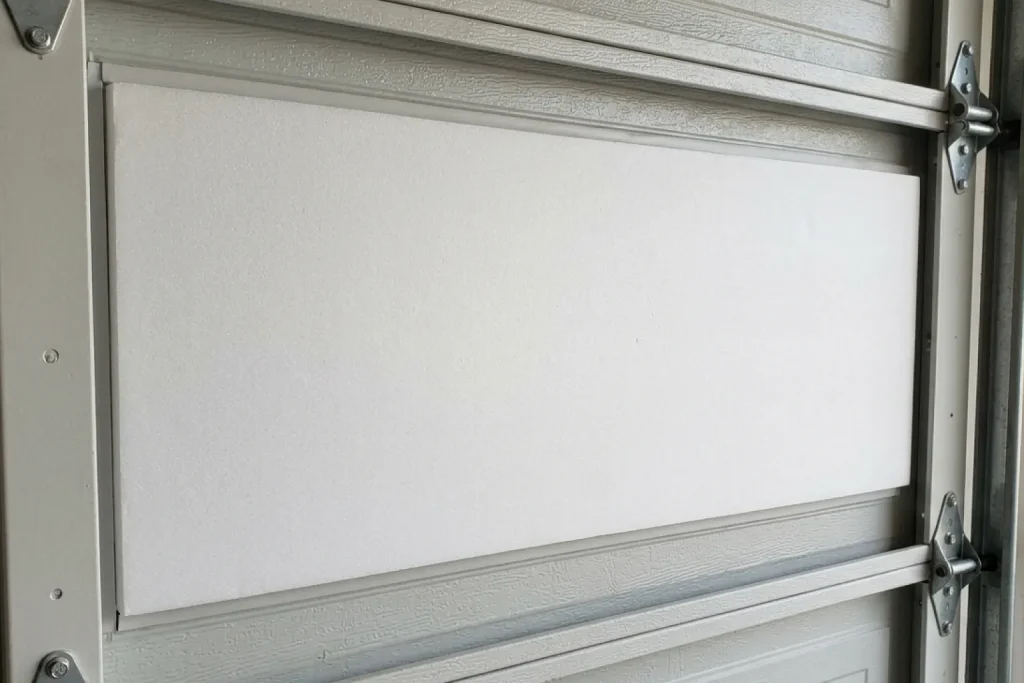
Foam board is best for overall heat and cold resistance; reflective insulation is best at blocking the sun’s heat. Many homes benefit from both.
Will insulation make my garage door too heavy?
Most panels and foam board add little weight. Heavier options, like spray foam, may need spring adjustment, which we handle during installation.
What R-value do I need for my garage door?
We recommend R-8 or higher for the best performance. The right value depends on your climate and how you use the garage.
What is the best garage door insulation for Texas heat?
A reflective radiant barrier, often combined with foam board, works best for hot, sunny climates like Dallas and Houston.
What is the best garage door insulation for cold weather?
High R-value foam board or polyurethane panels with new weather seals work best in cold climates like Connecticut.
Does garage door insulation work?
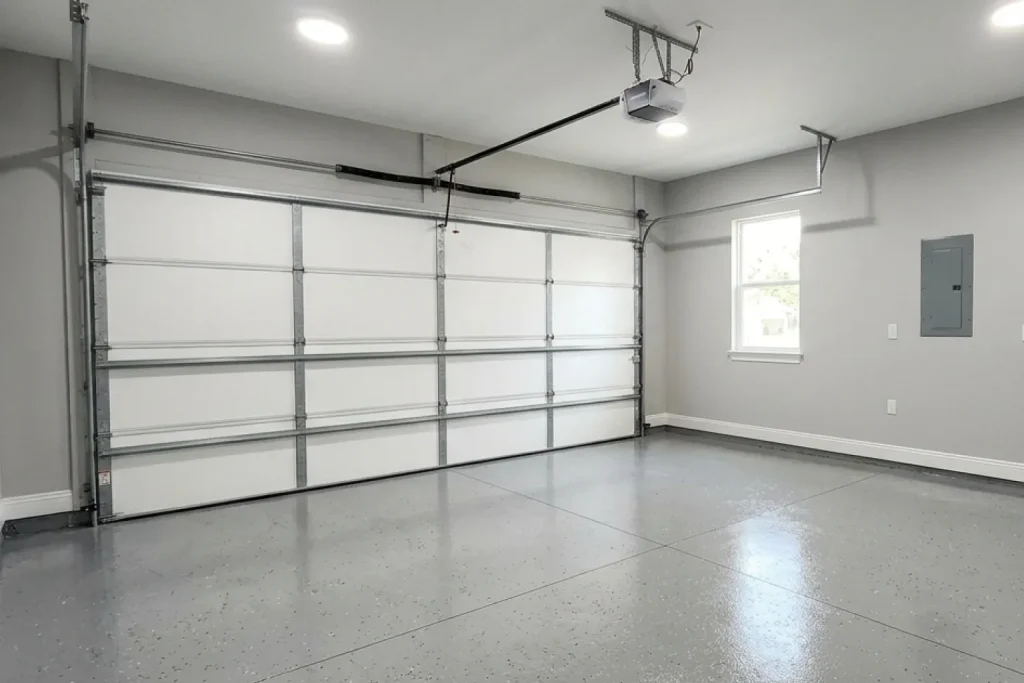
Yes. Insulating the garage door slows heat transfer, keeps an attached garage more comfortable and can reduce the load on your heating and cooling.