From Noisy Doors to Broken Springs: A McKinney Repair Guide
Published: Mar 11, 2026
It's a sound every McKinney homeowner dreads: the sudden, jarring BANG, the grating screech of metal on metal, or worse—the silence when there should be the familiar hum of your garage door opening. Your car is trapped, your home's security feels compromised, and a wave of questions hits you all at once. What just broke? Is it dangerous? Can I fix this myself? And the big one: how much is this going to cost?
You're not alone. These are the exact questions that race through your neighbors' minds when their garage door decides to have a bad day. The good news is that you've found the right place to get clear, honest answers.
This guide is designed for you, the McKinney homeowner. We’ll walk through everything from understanding the basic parts of your garage door to diagnosing common problems, and most importantly, we'll help you make the safest, most informed decision for your home and family. Think of us as that knowledgeable friend you can call for advice—no confusing jargon, just straightforward help.
Your Garage Door's Anatomy: Understanding the Core Components
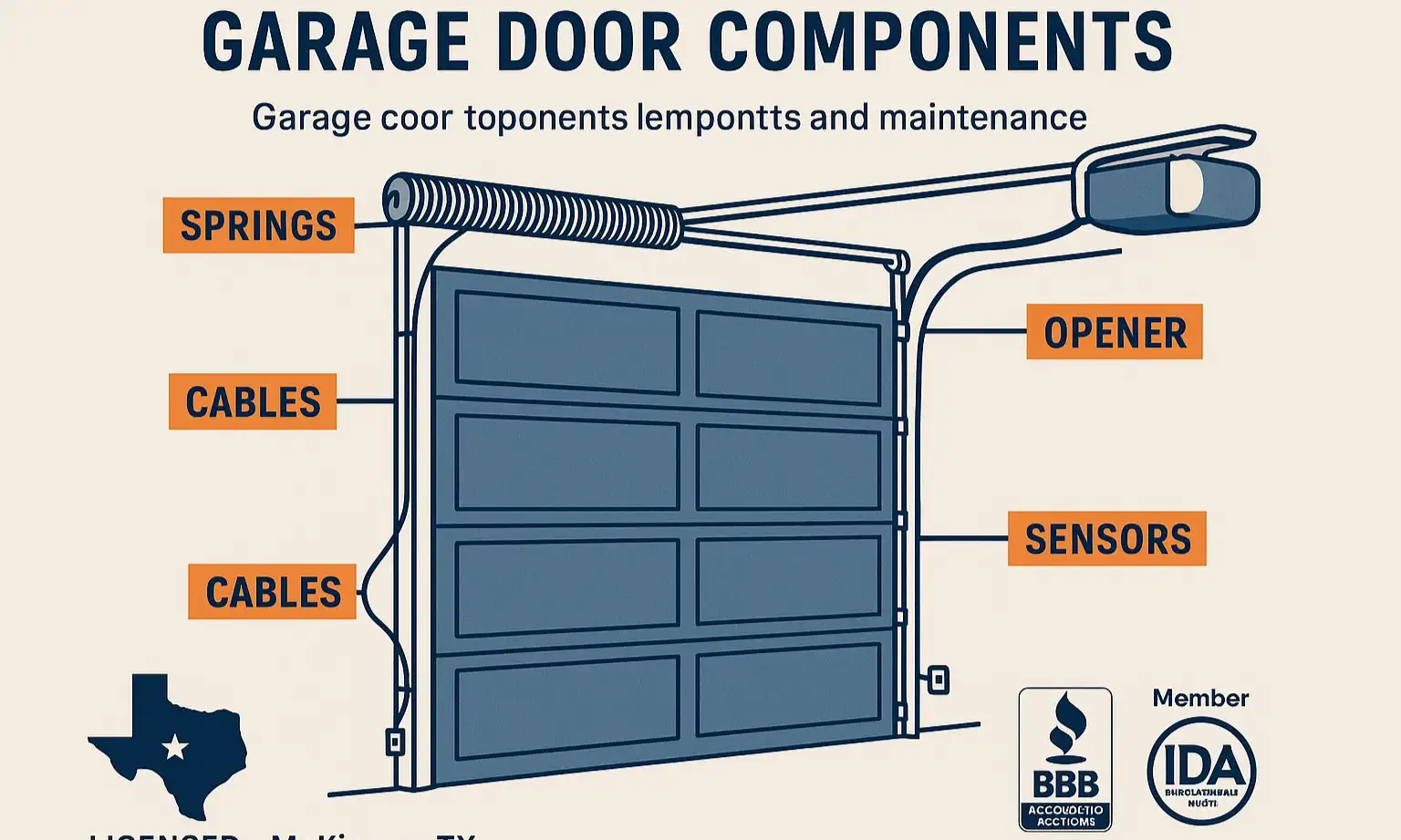
- The Springs (The Muscle): These are the real heavy lifters. Torsion or extension springs are under immense tension to counterbalance the door's weight, allowing the opener to lift it easily. This is the most dangerous part of your garage door.
- The Opener (The Brains): The motorized unit that drives the door up and down. It can be a chain, belt, or screw drive model and is the hub for your remotes and safety features.
- The Cables (The Bouncers): These steel cables work with the springs to lift and lower the door evenly. If one snaps, the door will likely be crooked and unable to move.
- The Rollers & Tracks (The Guide): Rollers are the small wheels that run along the metal tracks on each side of the door, guiding it smoothly. If they're worn or the tracks are bent, you'll hear it.
- The Panels (The Face): These are the individual sections of your door. They provide security and curb appeal but can be damaged by impacts or weather.
- The Safety Sensors (The Eyes): Two small sensors at the bottom of the track that shoot an infrared beam across the opening. If anything breaks this beam while the door is closing, it automatically reverses.
Common Problems & The DIY Litmus Test: What's Wrong and Who Should Fix It?
Symptom #1: The Door Makes a Loud, Scary Noise
Symptom #2: The Door Won't Open or Close
Symptom #3: The Door is Crooked or Off-Track
Symptom #4: The Opener Motor Runs, But the Door Doesn't Move
Symptom #5: A Section of the Door is Dented or Damaged
- DIY SAFE (Maybe): Very minor dents can sometimes be popped out.
- CALL A MCKINNEY PRO: For cracked or significantly dented sections, a professional is needed. They can assess whether a single garage door panel replacement is possible or if it's more cost-effective to replace the whole door. This is a common issue, especially given the active lifestyles in areas like Dallas.
Mastering Your McKinney Garage Door: Maintenance & Upgrades
Seasonal Maintenance: Beating the Texas Heat
- Look & Listen: Once a month, watch your door operate. Does it move smoothly? Do you hear any new scraping or grinding sounds?
- Lubricate: Every six months, lubricate all moving metal parts (rollers, hinges, bearings) with a high-quality, silicone-based spray.
- Balance Test: Disconnect the opener and lift the door manually. It should stay open halfway. If it slams down or flies up, the springs are out of balance and need professional adjustment.
Smart Upgrades: The Modern Garage Door
Need more information?
Get a free quote
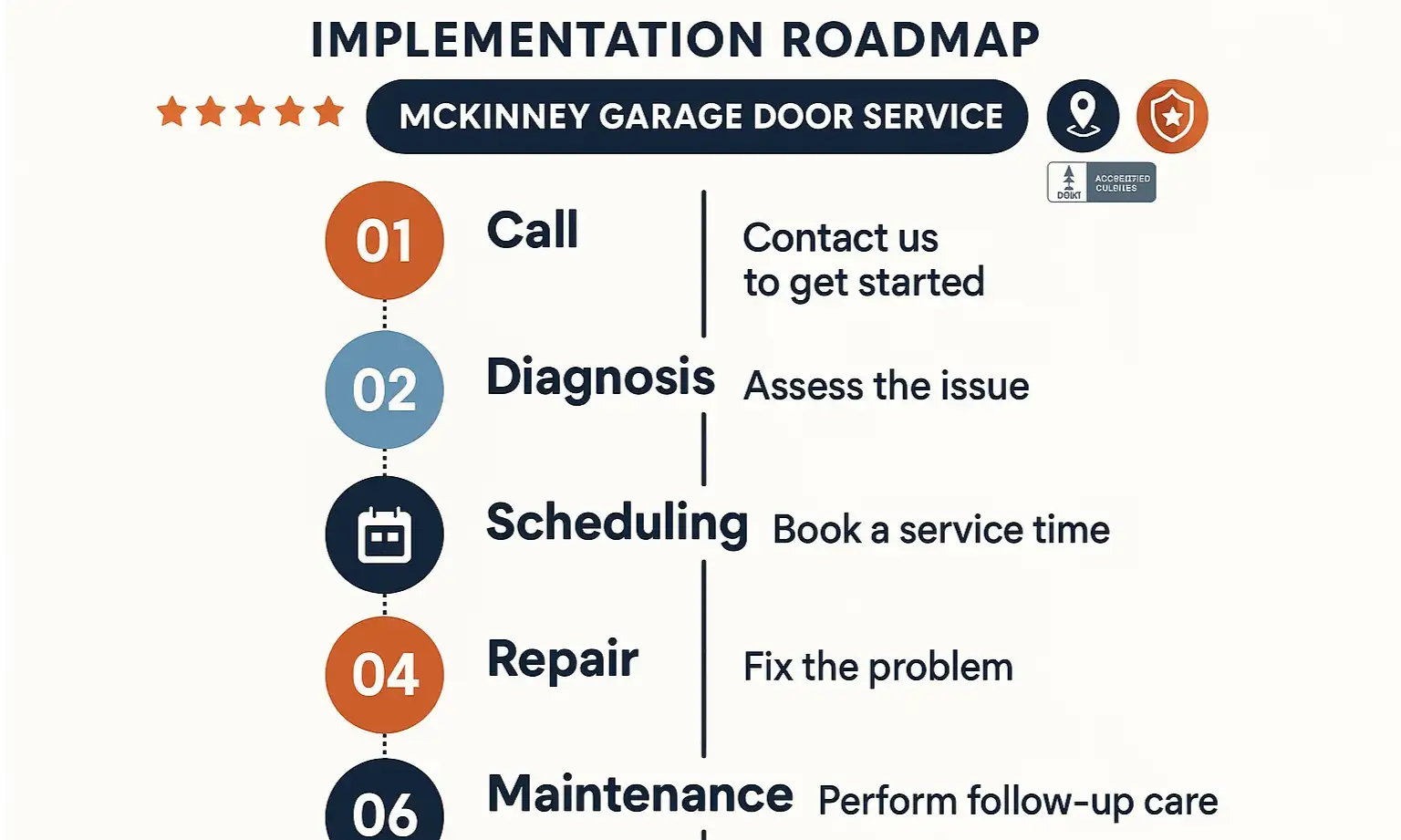
Taking Action: What to Expect When You Call a Pro
McKinney Garage Door FAQ: Your Questions Answered
Is it really that dangerous to fix a garage door spring myself?
Should I repair my old garage door or just replace it?
How often should I have my garage door professionally serviced in Texas?
What are the best garage door materials for the McKinney climate?
You may also like