Garage Door Brackets: What They Do and Why They Matter
Published: Jan 2, 2026
Your garage door may look simple on the outside, but behind every smooth lift is a system of parts working together — and garage door brackets play a big role in keeping it safe and stable. Whether you’re a homeowner or contractor, understanding these parts can help you make better maintenance decisions. In this guide, we’ll explain the different types of garage door brackets, what each one does, and when they may need repair or replacement. At Up & Down Garage Doors, we believe that knowing the basics can save you from costly issues later.
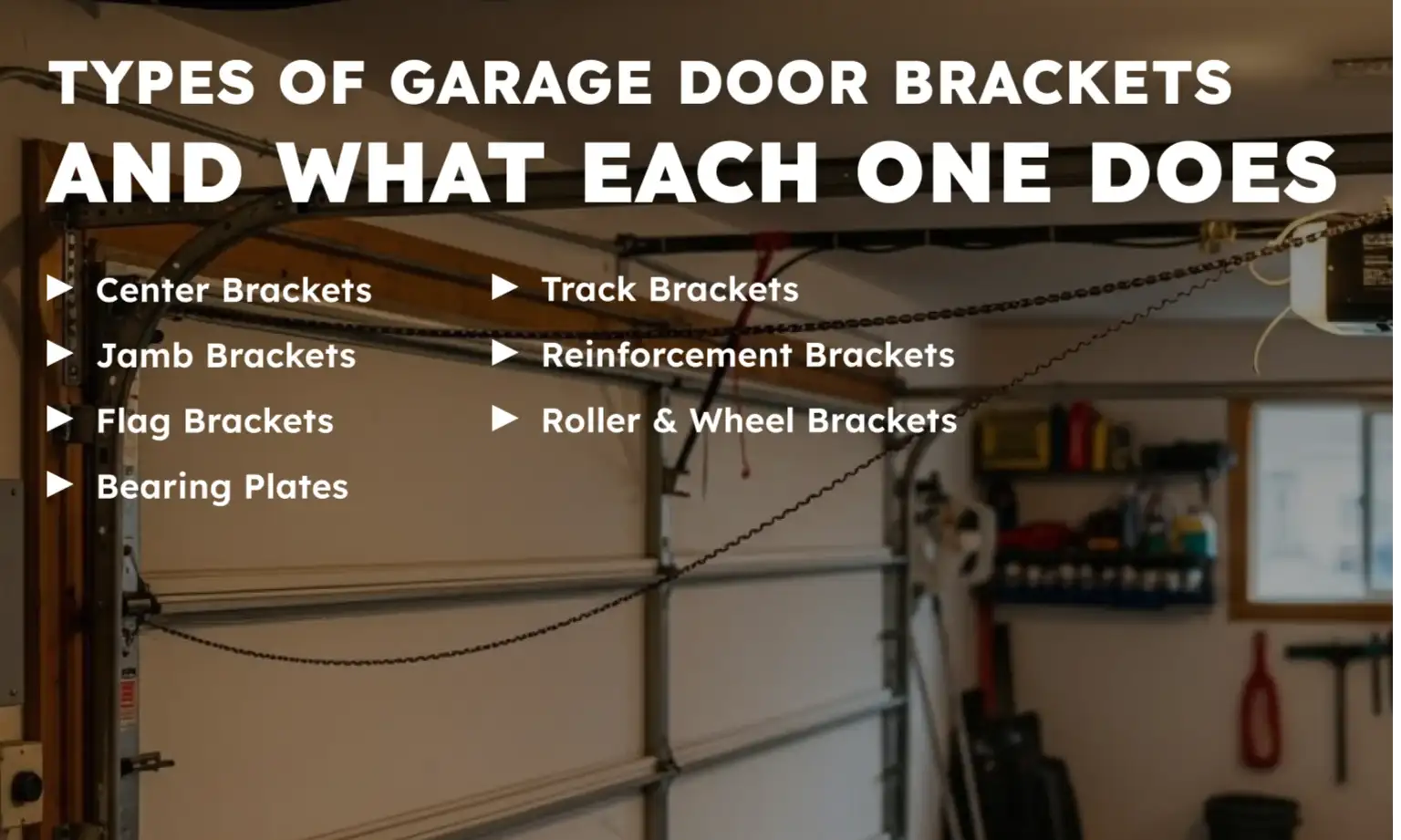
Types of Garage Door Brackets and What Each One Does
Each garage door bracket is placed for a specific reason, whether it supports tension, holds tracks in place, or reinforces the door structure. Below are the main types of garage door brackets used in most garage doors, and what each one is designed to do.
Bottom Brackets
These are mounted at the lower corners of the garage door and connect to the lifting cables. Bottom brackets are under constant spring tension, so they must be strong and secure to keep the door balanced and safe.
Top Brackets
Located at the top ends of each door section, top brackets support the rollers and connect the door to the vertical track. They help guide the door’s movement as it opens and closes.
Center Brackets
Found at the top center of the door, this bracket holds the spring shaft or opener attachment arm. A damaged center bracket can cause lifting issues or door sagging.
Jamb Brackets
Jamb brackets connect the vertical track to the garage frame or header. They keep the track aligned and steady as the door travels up and down.
Flag Brackets
Flag brackets connect the vertical and horizontal tracks at the top corner of the door opening. They support the curve in the track and help guide rollers smoothly.
Bearing Plates
These brackets hold the torsion spring shaft in place and help maintain proper tension. They support even lifting and reduce strain on other parts.
Track Brackets
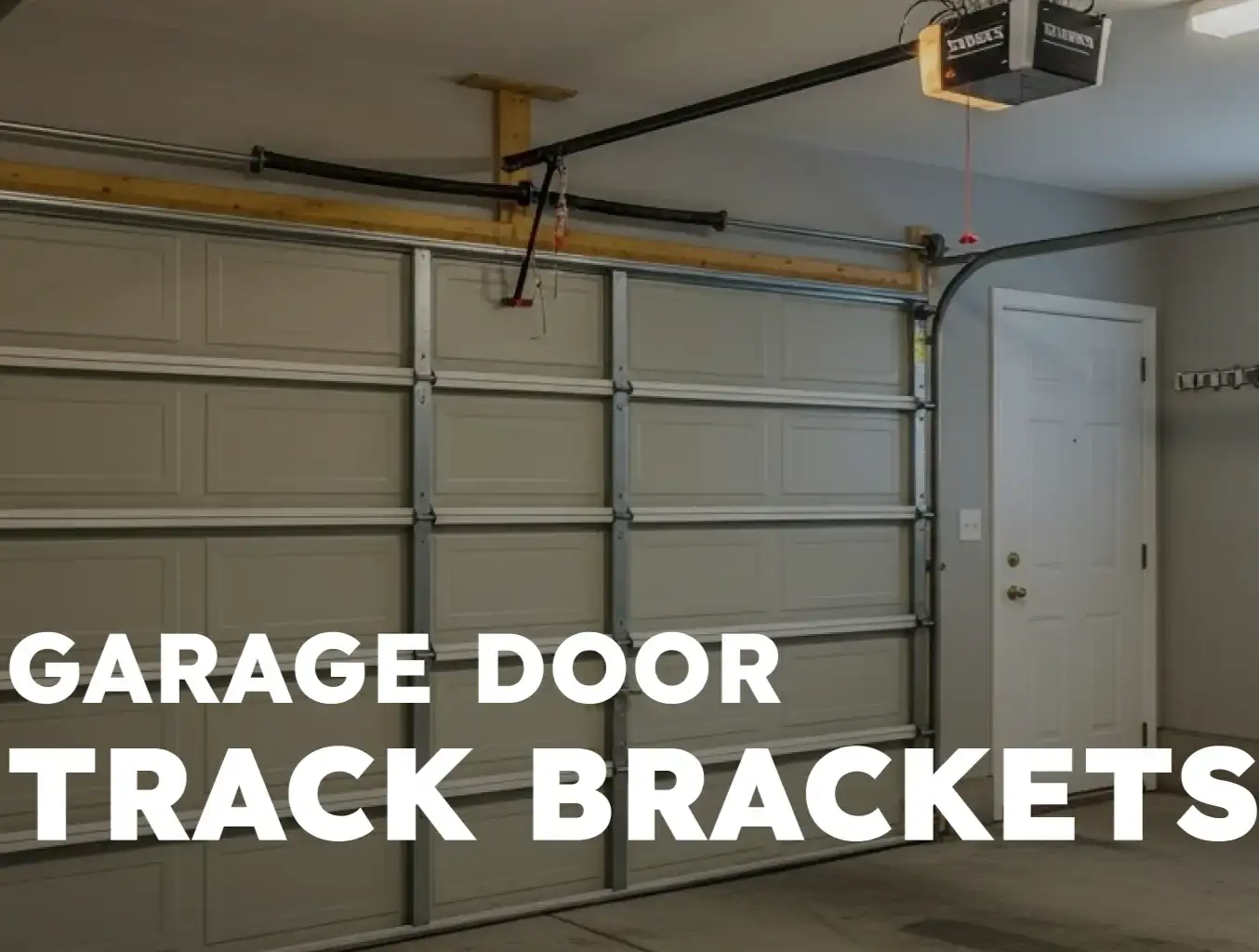
Track brackets secure the garage door tracks to the wall or ceiling and keep them aligned during movement. In garages with limited overhead space, low-headroom or quick-turn garage door brackets may be used to allow proper track positioning. You can find more about how these brackets function in our post on understanding garage door track brackets.
Reinforcement Brackets
A garage door reinforcement bracket is often added to the top panel to prevent damage from the opener arm. It strengthens the area and helps prevent cracking or bending.
Roller & Wheel Brackets
These hold the rollers in place and keep your door gliding along the tracks. They’re essential for smooth, quiet operation.
For a clear overview of how each component in your garage door system functions together, check out our post on the anatomy of a standard garage door.
Top 5 Reasons Garage Door Brackets Are Essential for Door Safety
It’s easy to overlook the brackets on your garage door, but they do more than just hold things together. Below are five key reasons why garage door brackets play such an important role in everyday safety and performance.
1. They Support the Door’s Full Weight
Without strong brackets, your garage door would sag, tilt, or collapse under its own weight. Garage door brackets distribute tension evenly to support reliable movement.
2. They Guide Tracks and Rollers
Brackets like track brackets and roller brackets keep the door aligned, especially when opening and closing. Misaligned tracks can lead to noisy, uneven movement.
3. They Prevent Opener Damage
A garage door reinforcement bracket helps absorb the pulling force from your opener arm, protecting your door panels from cracking or separating over time.
4. They Stabilize the Spring and Cable System
Parts like bottom brackets and bearing plates help manage spring tension and cable routing. If these brackets fail, the door may lift unevenly or not at all.
5. They Make Everyday Use Safer
When all brackets are tight and secure, your door runs quietly and safely. Loose or missing brackets can lead to costly — or dangerous — malfunctions.
When to Inspect, Repair, or Replace Garage Door Brackets
Garage door brackets should be inspected whenever your door starts behaving differently. Small changes often point to specific bracket issues.
Check your garage door brackets if you notice:
- The door lifts unevenly or looks crooked → inspect the bottom brackets
- The door rattles, shakes, or feels rough → inspect the garage door brackets and rollers
- Rollers jump or bind in the track → inspect the garage door wheel bracket
- The opener pulls hard, or the top panel flexes → inspect the garage door reinforcement bracket
- Tracks shift or pull away from the wall → inspect the track brackets
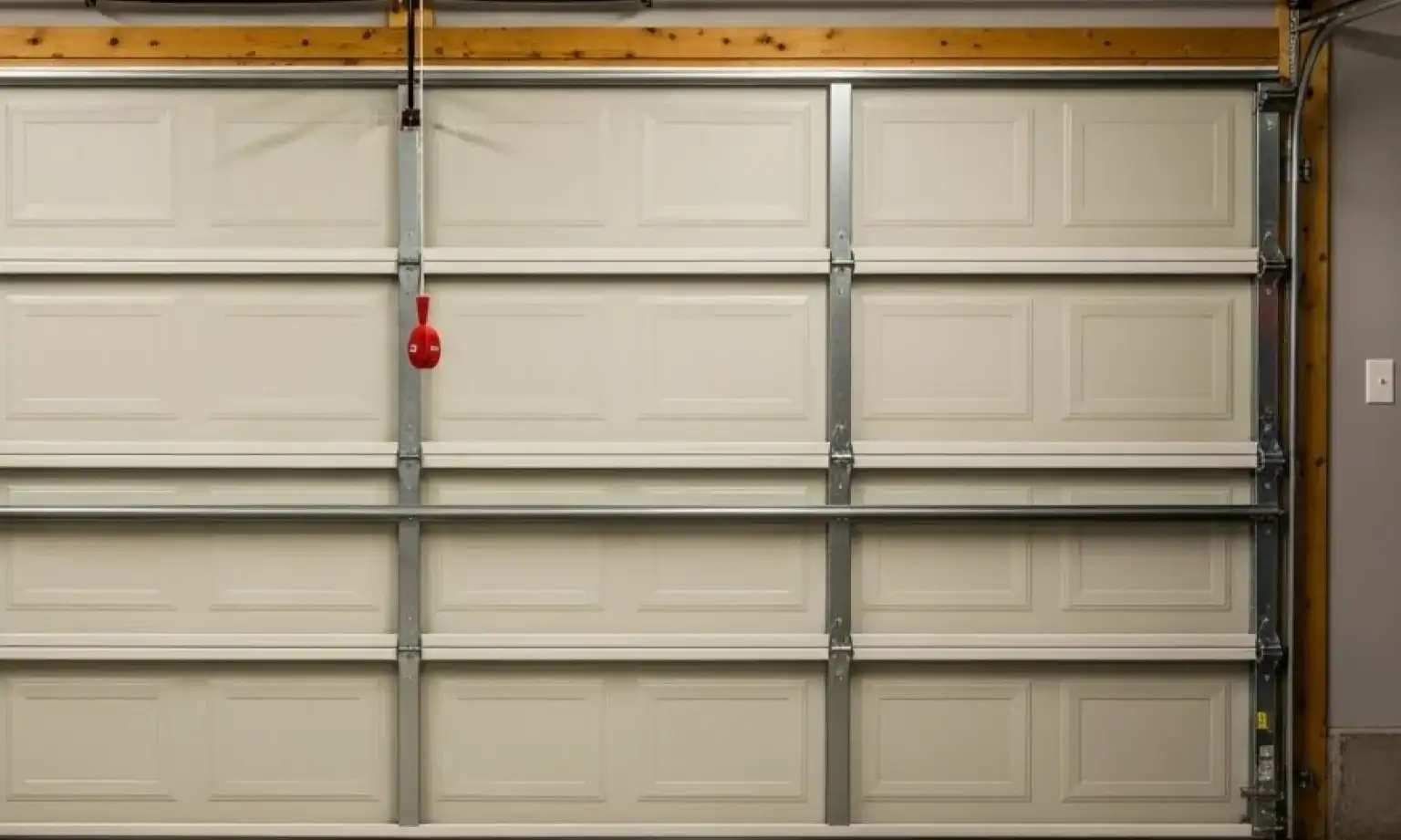
Some light fixes can be DIY. Homeowners often tighten loose bolts or replace brackets that are not connected to garage door springs or cables. In these cases, a garage door bracket kit can be helpful, since it includes common brackets and hardware for basic replacements. Still, any bracket connected to cables, springs, or the door’s bottom corners should not be handled without experience. These parts are under high tension and can be dangerous.
If you see cracked metal, heavy rust, or ongoing movement problems, it’s best to stop using the door and call a professional. Our garage door repair team can safely inspect the brackets, replace damaged parts, and restore proper operation.
Need more information?
Get a free quote
Let Up & Down Garage Doors Handle Your Garage Door Bracket Needs
Whether you’re upgrading hardware, troubleshooting a problem, or installing a new system, Up & Down Garage Doors can assist you in every step of the process. We work with all types of garage door brackets and rollers, from standard residential options to commercial-grade units. Our team knows what works, what lasts, and how to install it safely. If you’re dealing with bracket issues or just want to make sure your system is in good shape, feel free to reach out. We’re here to help when you need reliable, professional service.
FAQs About Garage Door Brackets
What do garage door brackets do?
They connect and support key components like rollers, tracks, and opener arms, keeping your garage door safe and stable.
Are reinforcement brackets really necessary?
Yes — a garage door reinforcement bracket adds strength where the opener connects, reducing stress and preventing damage.
Can I use a garage door bracket kit for DIY repairs?
You can, but it’s best for minor fixes. For parts under spring tension, it’s safer to call a pro.
What if my door has limited ceiling space?
You may need low-headroom garage door brackets or super sneaky garage door brackets designed for tight spaces.
How often should I check my brackets?
Inspect them at least once a year for rust, looseness, or wear — especially the bottom brackets and track connections.
You may also like