Garage Door Hinge Types: Everything You Need to Know
Published: Dec 5, 2025
Understanding the garage door hinge types on your door may seem minor — until one wears out, causes noise, or throws your door out of alignment. Whether you're replacing a part or upgrading hardware, knowing the right garage door hinges makes all the difference in how your door moves, sounds, and lasts. In this guide, we’ll walk through the different types of garage door hinges, their features, and when to replace them. As always, the pros at Up & Down Garage Doors are ready to help if you need expert service or repairs.
Types of Garage Door Hinges by Function and Placement
There are many different types of garage door hinges, each designed for a specific position and function on your door. To better understand where hinges fit in the full system, check out our ultimate guide on the anatomy of a standard garage door.
Standard Garage Door Hinges:
These metal connectors link the sections of your door, allowing smooth movement between panels. They’re commonly used in residential setups and easy to replace when worn.Quiet Nylon Hinges:
Nylon rollers and bushings help reduce noise when your garage door opens or closes. This style is a popular upgrade for quieter, smoother performance.
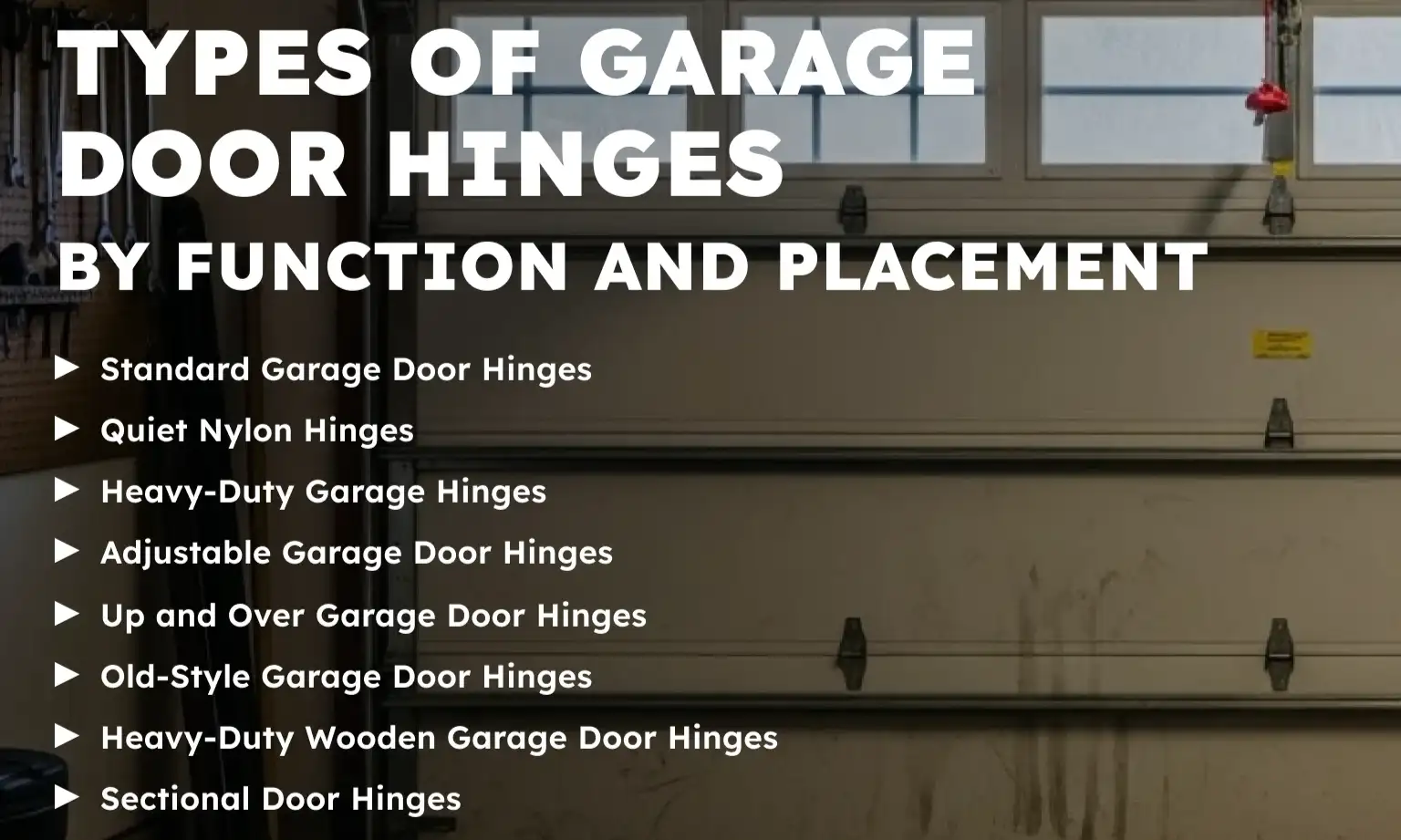
Heavy-Duty Garage Hinges:
Built for durability, these are ideal for larger or frequently used doors. You’ll often find them in commercial garage doors where strength is essential.Adjustable Garage Door Hinges:
This hinge style lets you tweak panel alignment to improve tracking and reduce wear. It’s useful for older doors or homes that have settled over time.Up and Over Garage Door Hinges:
Used in older one-piece door designs, these hinges support the upward tilt motion that gives this style its name.Old-Style Garage Door Hinges:
Found on vintage or manually operated doors, these may have unique shapes or mounting points. Replacement can require custom fitting or special orders.Heavy-Duty Wooden Garage Door Hinges:
Because wood doors are heavier, this hinge type is reinforced to support the extra weight without bending or wearing out too soon.Sectional Door Hinges:
Designed to handle the bending motion of multi-panel doors, this style helps guide each section along the track smoothly and safely.
Garage Door Hinge Numbers Explained
If you’ve looked closely at your door hinges, you might notice numbers stamped into the metal — usually #1, #2, or #3. These numbers aren’t random. They refer to the exact position where each hinge belongs on a sectional garage door. Using the correct hinge in the right spot keeps your door aligned and moving smoothly.
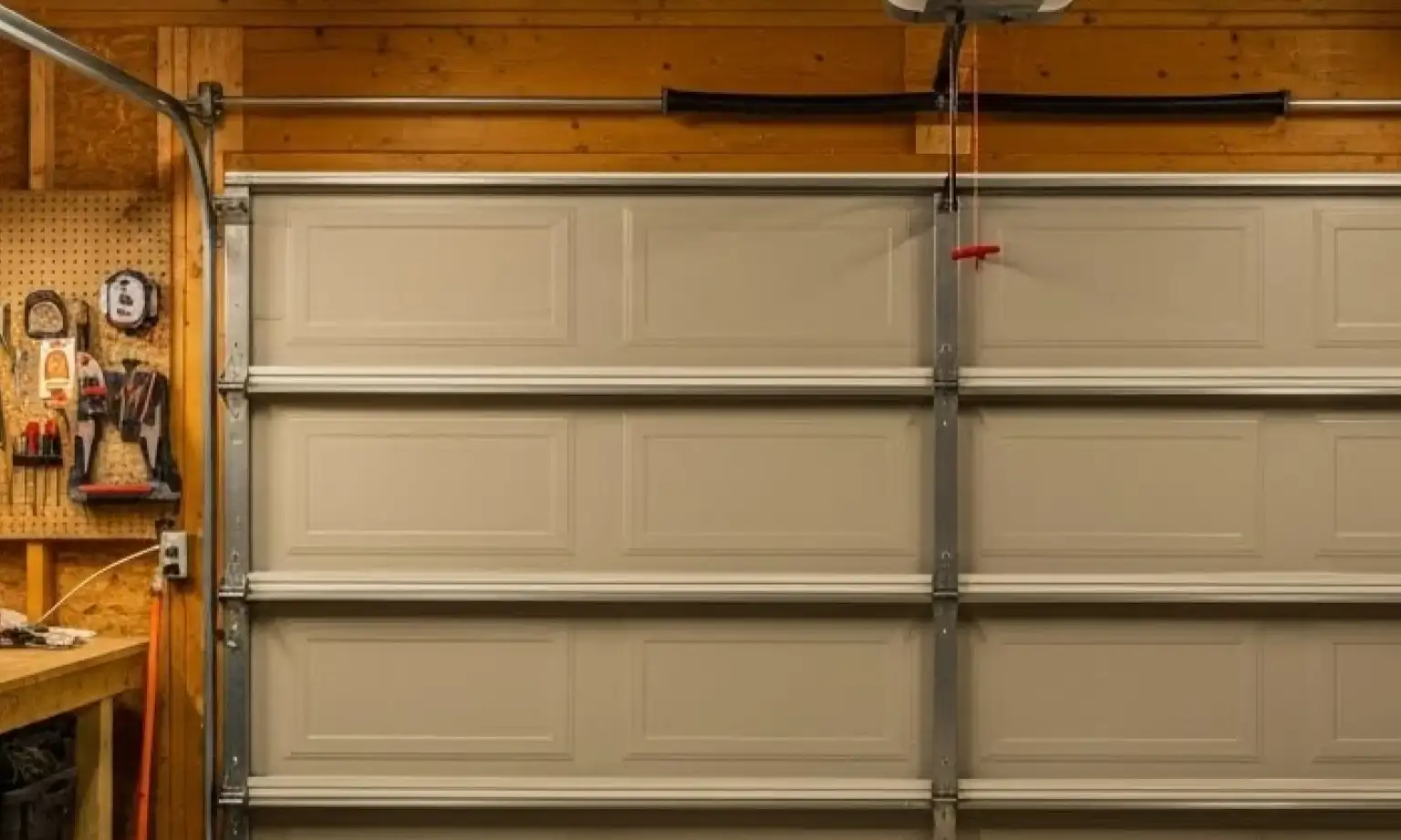
- #1 Hinge: This hinge is placed between the bottom panel and the second panel of the door. It’s designed for the least amount of bend, supporting the lower part of the door during lifting.
- #2 Hinge: Installed between the second and third panel, this hinge has a slightly different angle than the #1 to help with smooth tracking as the door curves up.
- #3 Hinge: Positioned between the third and fourth panel, this hinge allows for even more bend as the upper sections of the door move along the track.
Each of these garage door hinge numbers plays a specific role in ensuring the door operates smoothly and safely. Using the wrong hinge can lead to uneven wear, noise, or misalignment.
Gauge and Material: How to Choose the Right Strength
The strength and lifespan of your hinges depend on two things: the gauge (thickness) and the material. Both factors affect how well your door performs over time — especially in busy or harsh environments.
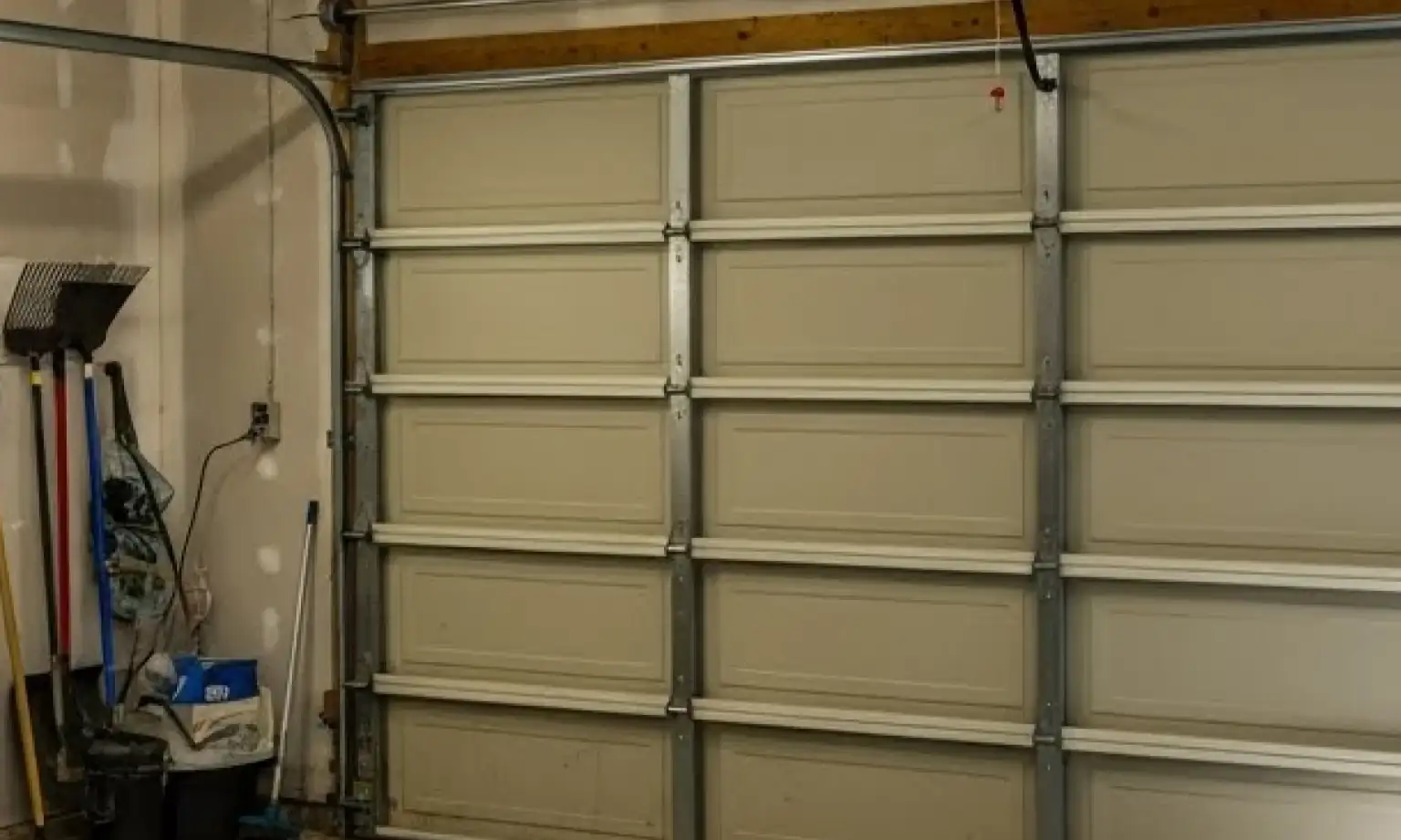
Choosing the Right Hinge Gauge: 14 Gauge vs. 18 Gauge Hinges
Gauge refers to the thickness of the metal. 14-gauge hinges are thicker, heavier, and better suited for commercial doors or frequent use. 18-gauge hinges are thinner, lighter, and more common in standard residential garage doors. Using the wrong gauge can cause premature wear and noise.
Selecting Durable Hinge Materials
Hinges are typically made of steel, stainless steel, or zinc-coated finishes. For homes in coastal or humid areas, rust-resistant materials are a smart investment. When hinges wear out early, they can strain other parts like springs — learn more about preventing hinge and spring wear.
When to Replace a Garage Door Hinge
Wondering when it’s time to change a hinge? Here are a few common signs that it might be time to take action.
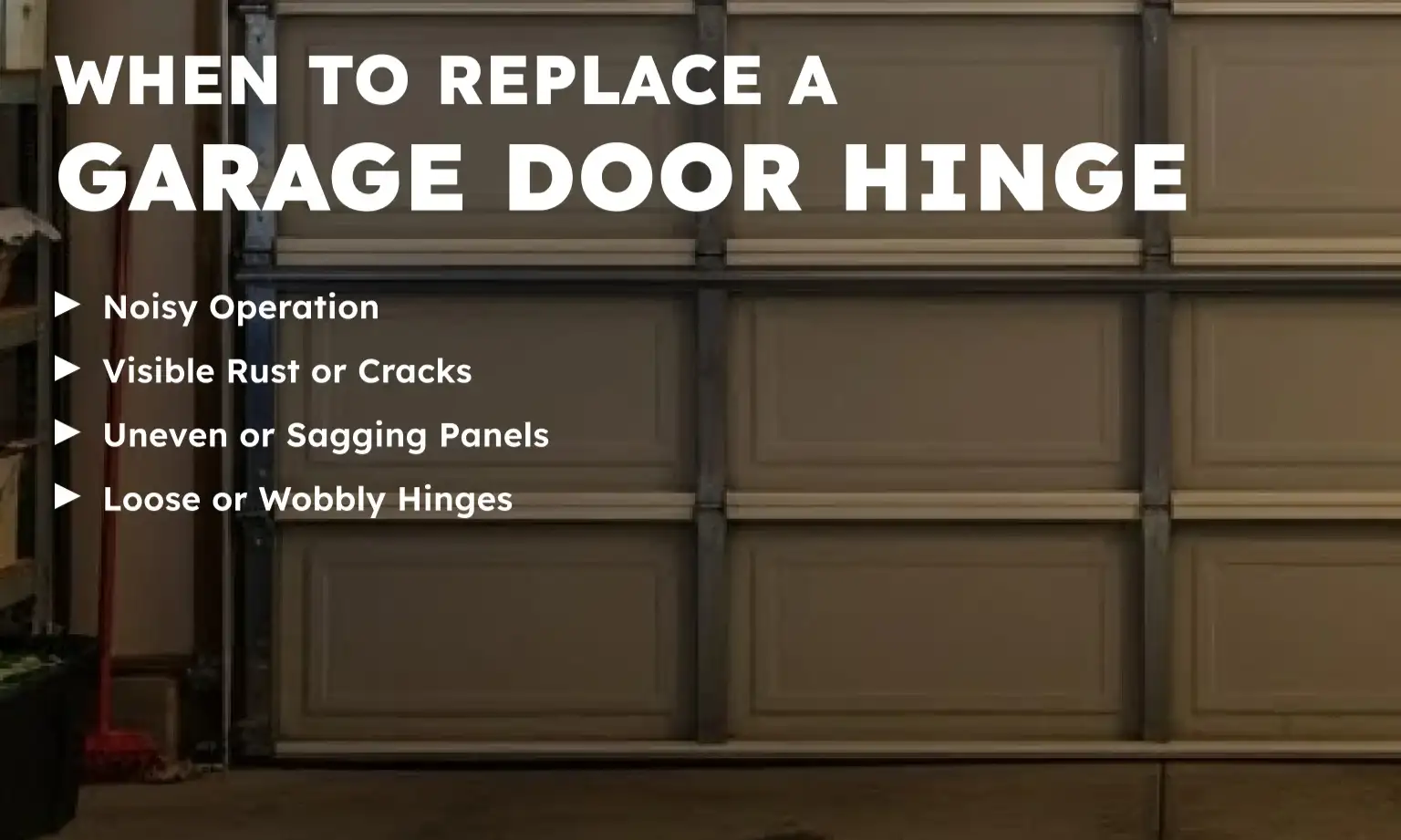
- Noisy Operation: If you hear creaking, grinding, or popping when the door opens, a worn or misaligned hinge might be to blame.
- Visible Rust or Cracks: Any rust, warping, or cracks on your garage door hinges can weaken the hardware and cause further damage.
- Uneven or Sagging Panels: When one panel sticks out or the door feels unbalanced, a broken hinge could be disrupting the alignment.
- Loose or Wobbly Hinges: Loose screws or shaky hardware are clear signs your hinge needs attention — before it leads to a bigger issue.
Catching hinge wear early can save other parts like rollers and springs. Use our garage door maintenance checklist to stay ahead of costly repairs.
Need more information?
Get a free quote
Conclusion: Make the Right Choice with Up & Down Garage Doors
Choosing the right garage door hinge types protects your door, improves performance, and saves you money on bigger repairs. Whether you’re replacing hardware or unsure which garage door hinge sizes fit your door, a little knowledge goes a long way. Still have questions? Let Up & Down Garage Doors help you get it done right. With years of experience, honest advice, and fast service, we’re ready when you are.
Need a repair or professional hinge replacement? Don’t wait — schedule a garage door repair with a trusted team today.
FAQ: Garage Door Hinge Types
Are all garage door hinges the same?
No. Garage door hinges vary by size, position on the door, and metal thickness. Using the wrong type can affect how smoothly your door moves and may lead to long-term damage.
Are garage door hinges universal?
Not quite. Some standard hinges work across many doors, but hinge numbers, sizes, and gauges differ by brand and door style. It’s best to match the exact type when replacing one.
How do I identify my hinge type or number?
Check the metal for a stamped number (like #1, #2, or #3), which tells you where it fits on the door. You can also count the panels to figure out its position.
What’s the difference between 14-gauge and 18-gauge hinges?
14-gauge hinges are thicker and more durable — ideal for heavy or commercial doors. 18-gauge hinges are lighter and commonly used for standard residential garage doors.
When should I replace a garage door hinge?
If your hinge is noisy, rusty, cracked, or causing the door to sag or stick, it’s time to replace it. Waiting too long can put extra strain on other garage door hardware.
You may also like