Garage Door Lifespan: How to Make Yours Last Longer
Published: Feb 4, 2026
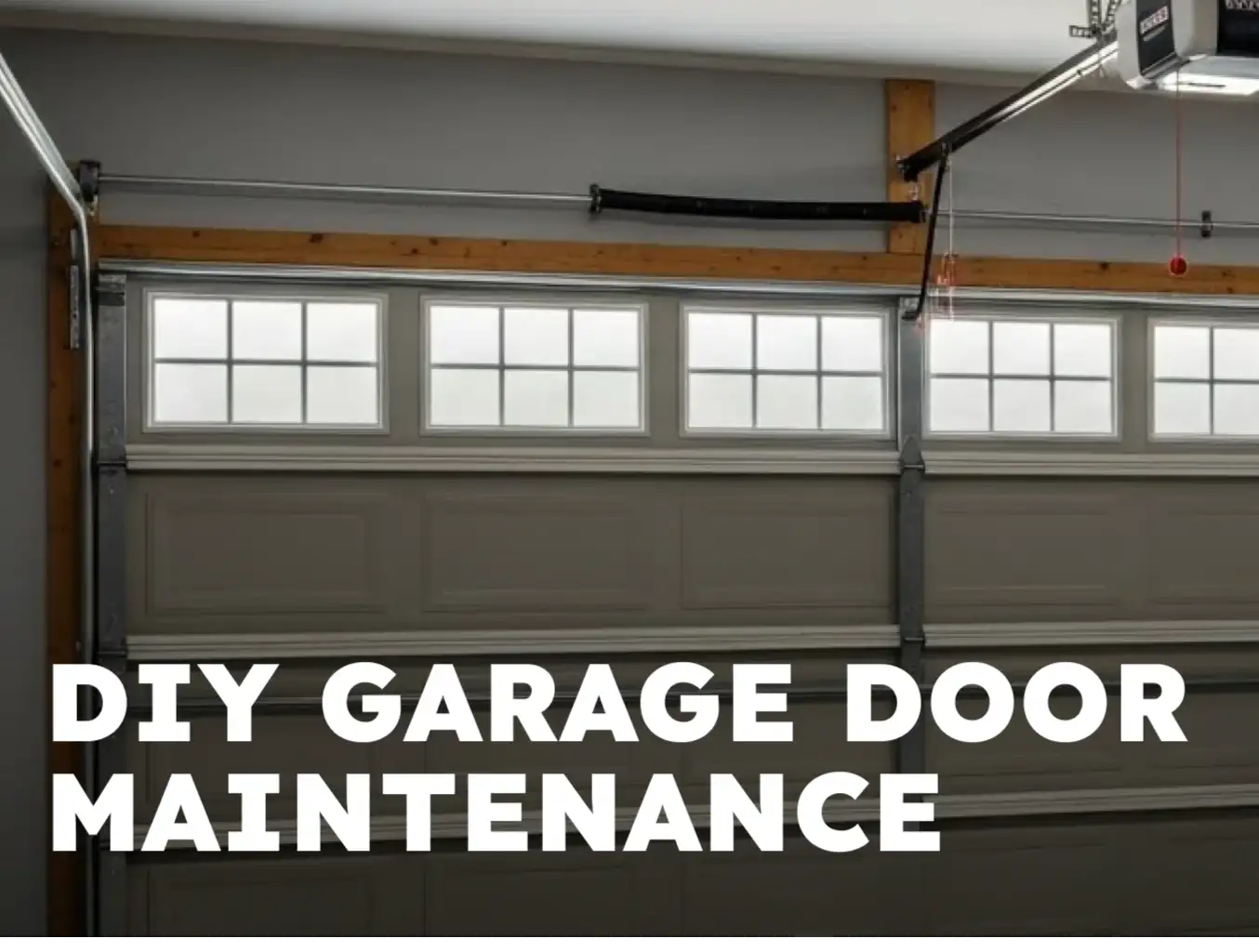
How long do garage doors last, really? Most homeowners are surprised to learn that the average garage door lifespan ranges from 15 to 30 years, depending on maintenance, usage, and material. Whether you’re a homeowner or property manager, knowing how to maintain your system can help avoid costly breakdowns. In this guide, Up & Down Garage Doors shares practical tips to extend your door’s life and keep it running smoothly for years to come.
What Affects the Lifespan of a Garage Door?
Several factors influence how long your garage door will last — and how often you’ll need garage door repair:
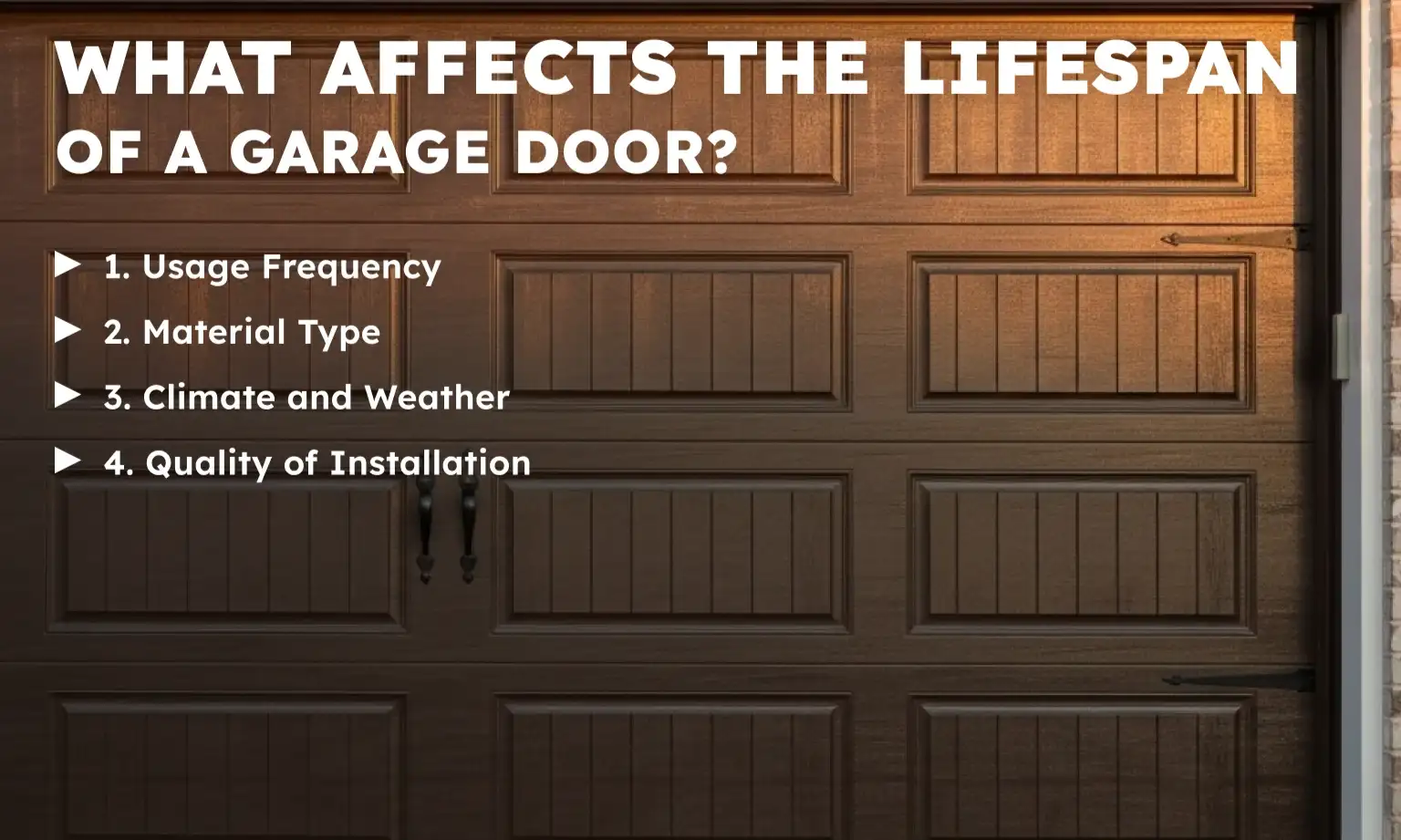
1. Usage Frequency
Standard garage doors are rated for 10,000 to 20,000 open/close cycles. Daily use wears down springs, rollers, and hardware faster.
2. Material Type
- Steel doors are the most durable, often lasting 20–40 years.
- Wood doors can last just as long but require regular sealing or painting to prevent rot.
- Aluminum doors are lightweight and rust-resistant, but usually offer a shorter lifespan of 15–25 years.
3. Climate and Weather
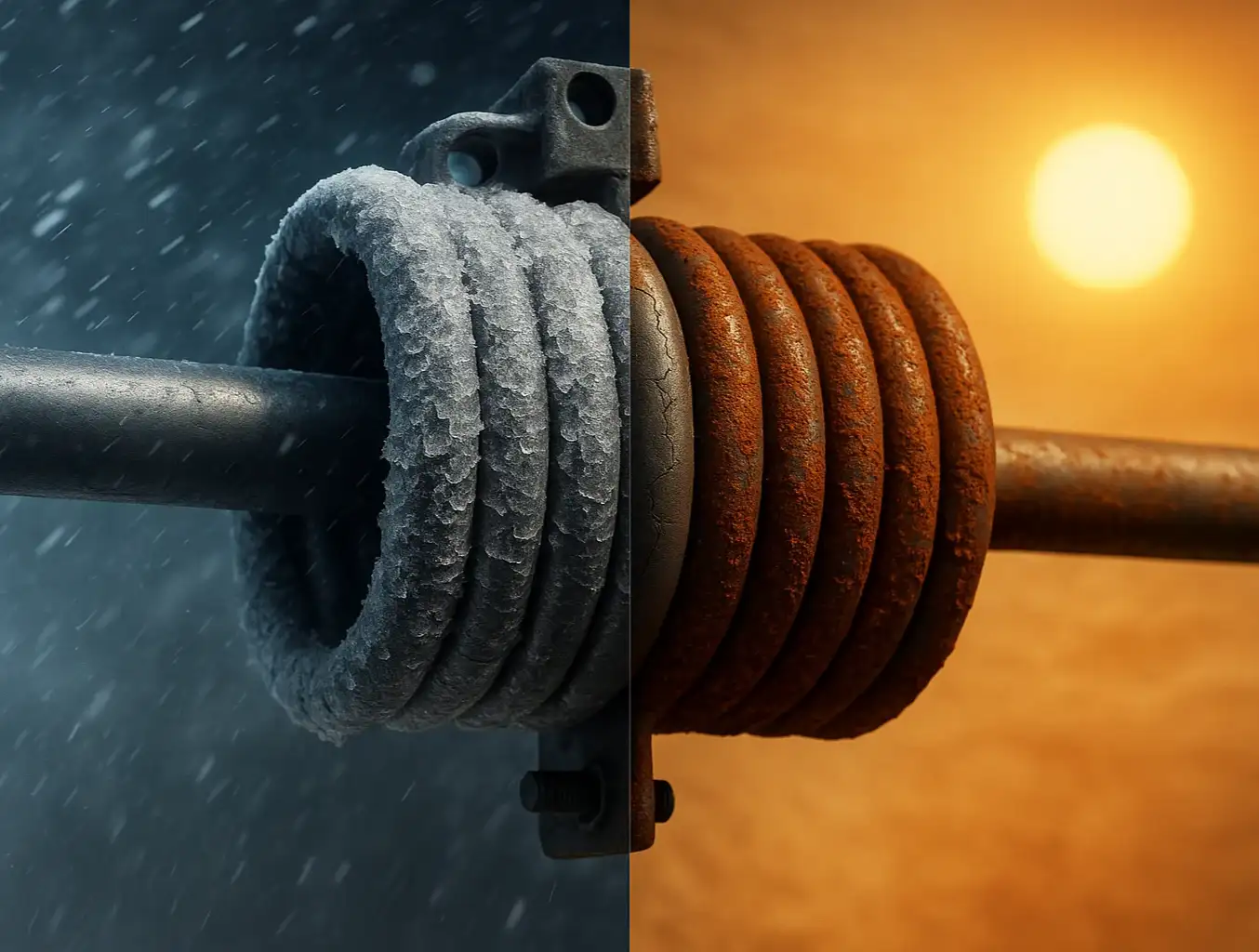
Extreme heat, cold, humidity, and coastal air can reduce the lifespan of your garage door, especially in areas prone to rust or warping.
4. Quality of Installation
Improper installation can shorten your door’s life and lead to early failures. For best results, rely on a professional garage door installation to ensure safety, balance, and long-term durability.
How Long Do Garage Door Components Last?
Each part of your system wears out at a different rate. Understanding each lifespan can help you plan better maintenance.
Garage Door Springs
Wondering how long garage door springs last? Typically, 7–10 years with average use. Over time, they lose tension or snap and should always be replaced in pairs. Learn more in our guide on how to extend the lifespan of your garage door springs.
Garage Door Openers
Openers typically last 10–15 years, depending on the model and usage. Read our full guide on garage door opener’s lifespan for more insight.
Rollers, Tracks & Cables
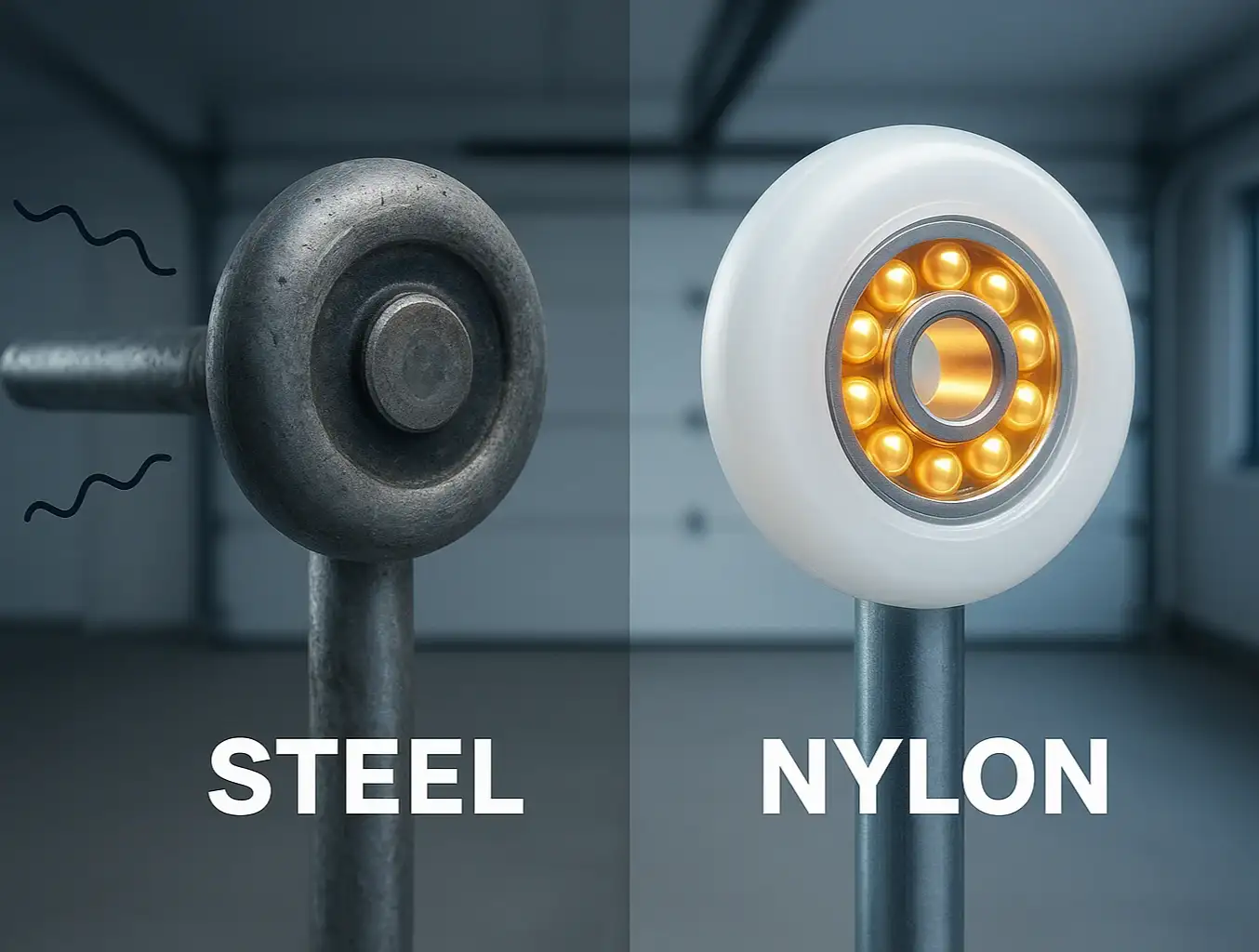
Rollers and cables may last 7–15 years. Keep them lubricated and inspect them for wear during regular garage door maintenance.
Key Signs You May Need a New Garage Door
1. Constant Repairs
If you’re calling for garage door repair more than once a year, it may be time to upgrade your system.
2. Structural Damage
Visible rot, rust, sagging panels, or cracked sections can compromise your door’s performance and safety.
3. Noise and Jerky Movements
Grinding, squeaking, or sudden stops are often signs of failing parts or poor alignment — all indicators your system is reaching the end of its life.
These are just a few common signs you need a new garage door. Always weigh repair costs against replacement value.
Need more information?
Get a free quote
Top Maintenance Tips to Maximize Garage Door Lifespan
For a full inspection and care plan, Up & Down Garage Doors created an ultimate maintenance checklist. Below are 5 of the most important tips to help extend your garage door’s lifespan and keep your system running smoothly.
Tip 1. Lubricate Moving Parts
Apply silicone-based lubricant to hinges, rollers, and springs every 6 months to reduce friction and wear.
Tip 2. Tighten Hardware
Vibrations can loosen bolts and brackets over time. Check and tighten them monthly to keep everything secure.
Tip 3. Test Spring Balance
Lift the door halfway manually. If it shifts or drops, your springs may be worn — a key factor in how long garage door springs last.
Tip 4. Clean and Protect Panels
Wash steel or aluminum doors regularly, and reseal wood doors annually to prevent rust, rot, and surface damage.
Tip 5. Check Safety Features
Test the auto-reverse system and manual release cord to make sure your door operates safely in an emergency.
Extra Tips for Commercial Properties
High-traffic commercial doors wear out faster. Schedule more frequent inspections, check alignment monthly, and adjust tension more often. See our full guide to commercial garage door maintenance for tailored advice.
Protect Your Garage Door with Help from Up & Down Garage Doors
Knowing the lifespan of each part helps you plan ahead, avoid breakdowns, and save on unexpected costs. While basic upkeep goes a long way, professional maintenance ensures your system stays safe and efficient.
Up & Down Garage Doors provides trusted installation, repair, and tune-up services nationwide. Whether you need a quick fix or a full replacement, our team brings experience, honesty, and fast turnaround to every job. Schedule your service with Up & Down Garage Doors today and let us help you get the most out of your garage door.
FAQs: Garage Door Lifespan and Maintenance
How long do garage doors last on average?
The average garage door lifespan is 15–30 years, depending on use, maintenance, and climate.
What reduces garage door lifespan?
Frequent usage, poor maintenance, and exposure to harsh weather can all reduce how long your garage door lasts.
How often should I get garage door maintenance?
It’s smart to schedule garage door maintenance once a year — or twice annually in harsher climates.
What’s the garage door opener life expectancy?
Most openers last 10–15 years, depending on usage, build quality, and upkeep. Regular checks can help extend the lifespan of your garage door opener.
What are the signs you need a new garage door?
Repeated breakdowns, visible damage, loud operation, or outdated safety features are clear signs you may need a new garage door.
You may also like