Installing a Garage Door Opener on an Unbalanced or Older Door System
Published: Apr 1, 2026
You’ve got it. The brand-new, Wi-Fi-enabled, whisper-quiet garage door opener you’ve been wanting. You’ve set aside your weekend, unboxed the parts, and laid out the instructions. But before you mount that new motor, there's a critical step—a "Step Zero"—that most installation guides completely ignore.
Skipping this step is the number one reason new openers grind, strain, and burn out years before their time.
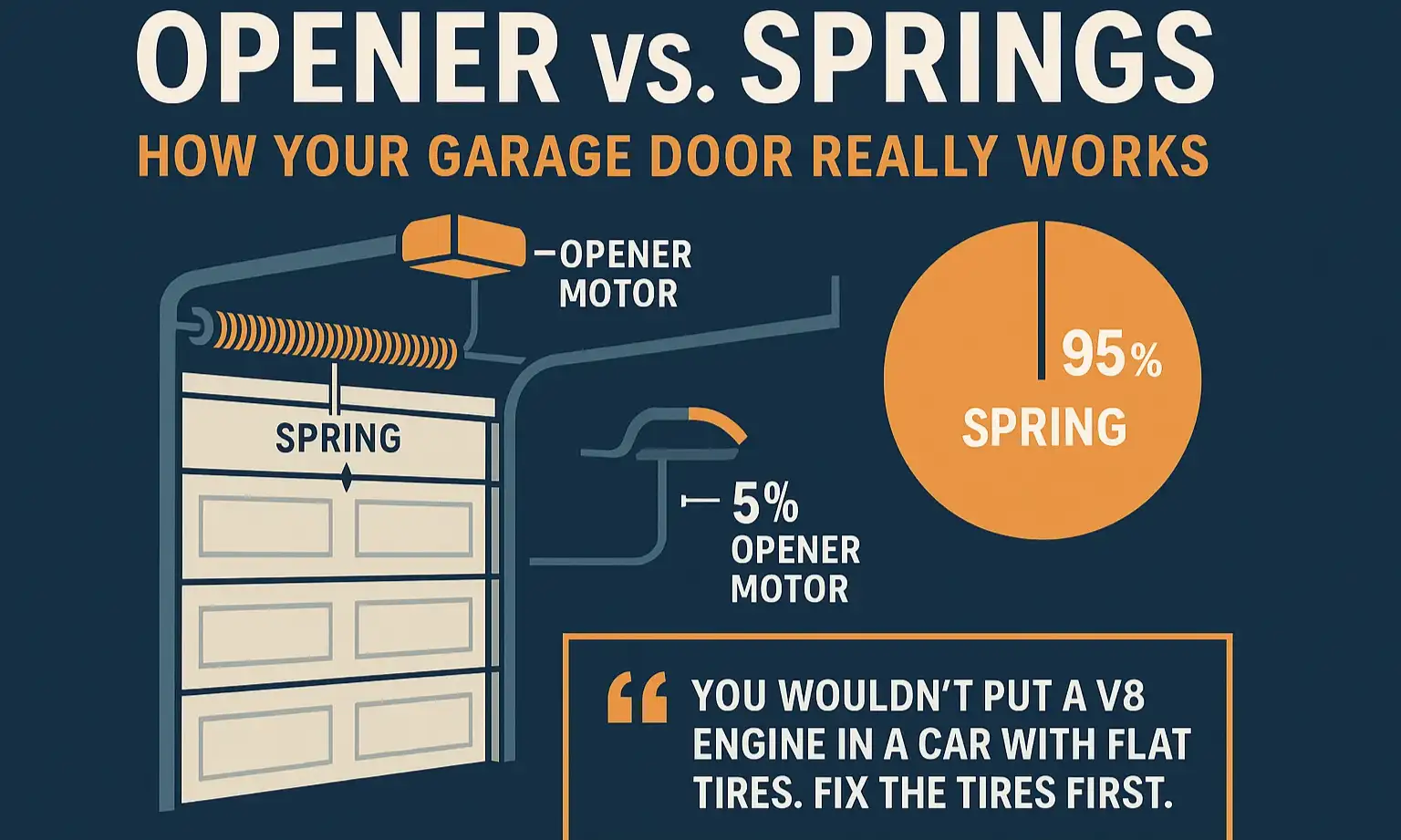
The secret isn't in the opener's box; it’s in the condition of your existing garage door. Installing a powerful new opener on an old, heavy, or unbalanced door is like putting a V8 engine in a car with four flat tires. It’s a recipe for failure.
This guide is your essential pre-installation checklist. We’ll walk you through a simple 10-minute diagnosis to ensure your door is ready, saving you from a costly mistake and ensuring your new investment lasts for a decade or more.
Foundation: Your Opener Doesn't Lift, It Guides
The 10-Minute Door Health Diagnosis: Is Your Door Ready?
The Critical Balance Test
- Safety First: Make sure the garage door is fully closed.
- Disconnect the Opener: If you have an old opener, pull the red emergency release cord. This disengages the door from the opener trolley, allowing you to operate it manually.
- Lift the Door by Hand: Grab the handle at the bottom and lift the door until it’s about halfway open (waist-high).
- Let Go Carefully: Here’s the moment of truth.
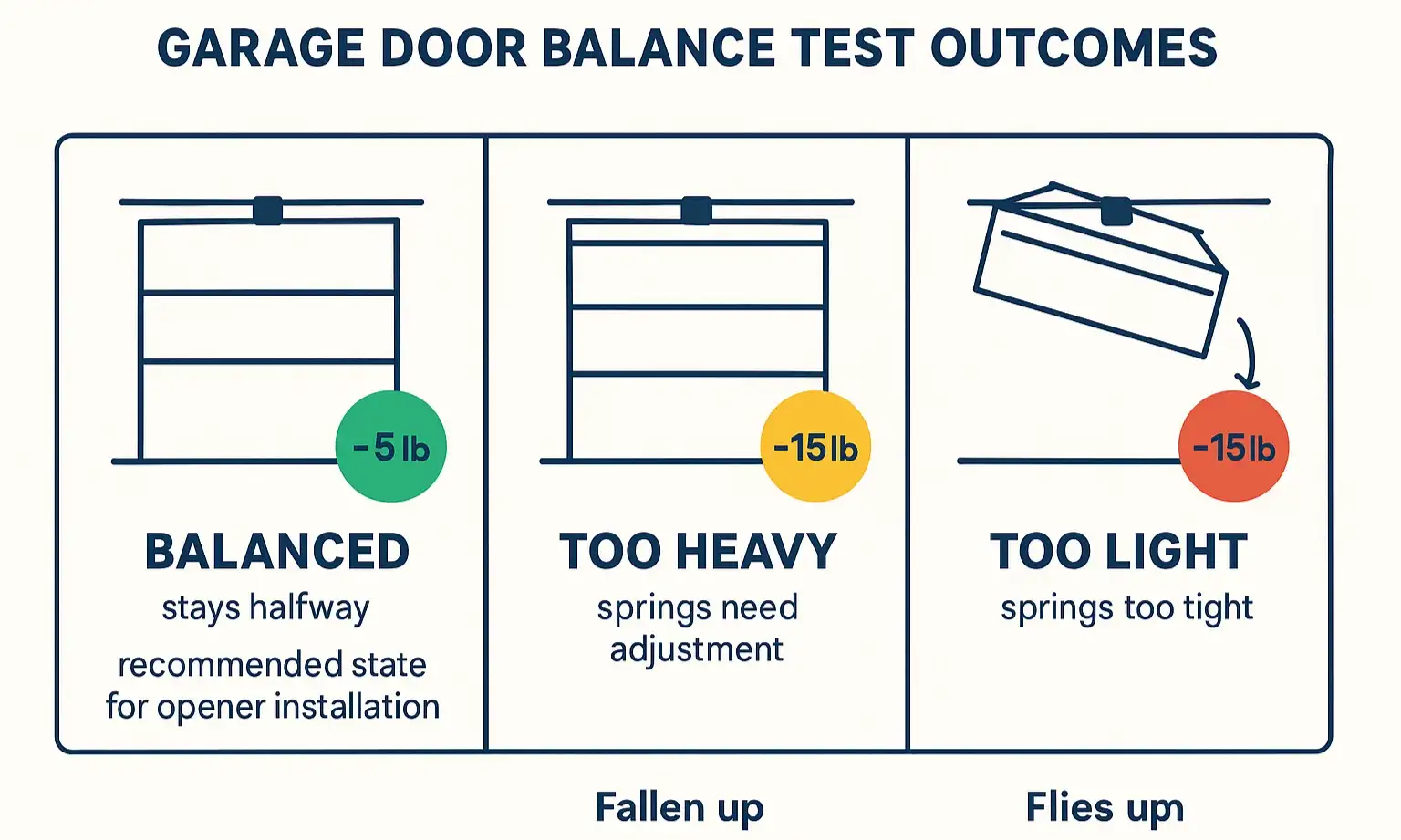
- It Stays Put: If the door stays in the halfway position (or moves less than an inch), congratulations! Your door is properly balanced and ready for a new opener.
- It Slams Down: If the door falls, it means the springs are weak or worn out and no longer provide enough tension to counteract the door's weight. The door is "heavy."
- It Flies Up: If the door shoots upward on its own, the springs are too tense. This is less common but can also cause problems.
Inspecting Rollers, Tracks, and Cables
- Rollers: Check for cracked, worn, or seized rollers. They should spin freely in the track.
- Tracks: Look for any dents, bends, or significant grime buildup. If you’ve ever had an issue where you needed to figure out how to put garage door back on track, now is the time to ensure the tracks are perfectly aligned.
- Cables: Visually inspect the lifting cables on both sides for any signs of fraying or rust.
Mastery: How to Address an Unbalanced Door
First, Identify Your Spring System
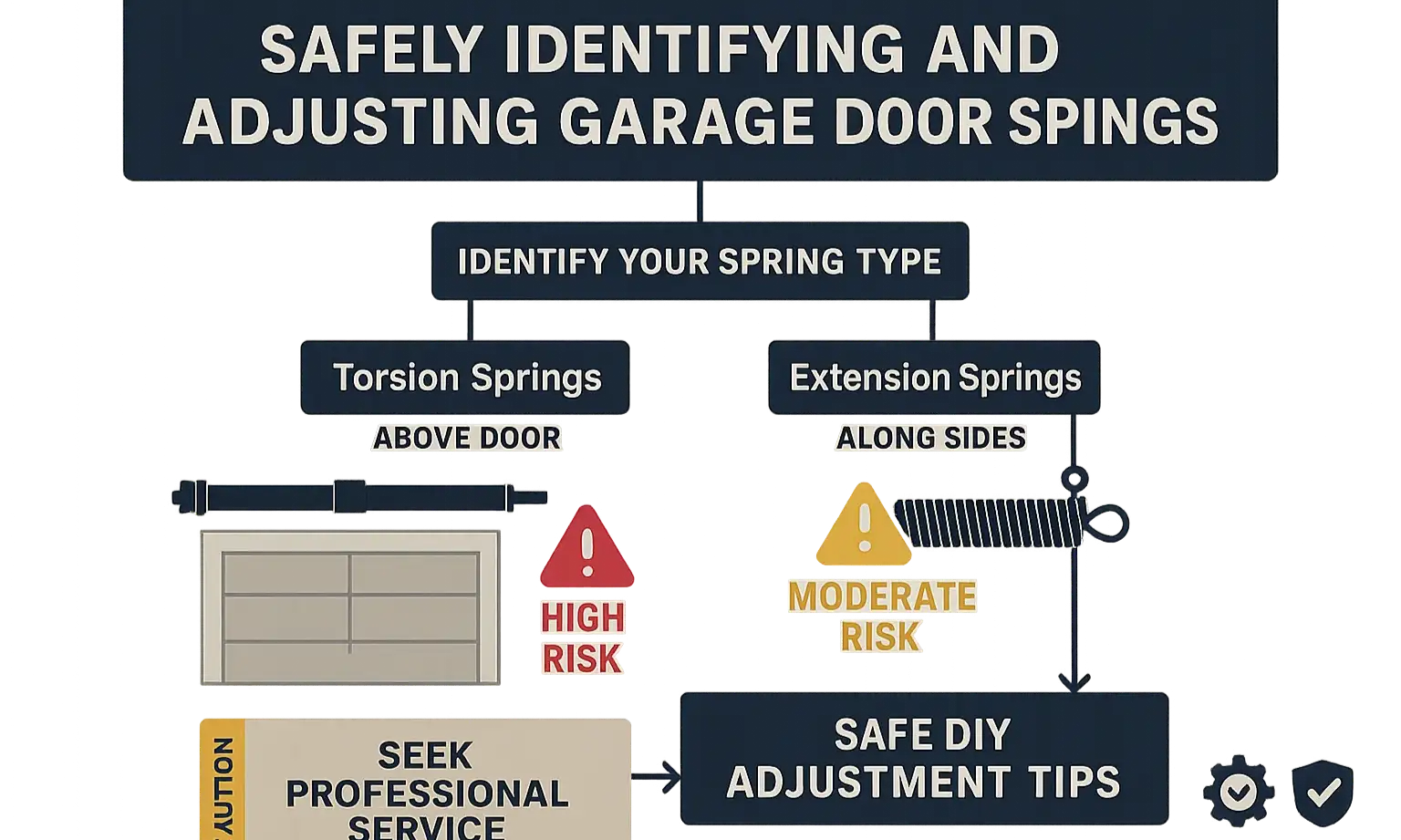
- Torsion Springs: These are large, coiled springs mounted on a metal rod directly above the garage door opening.
- Extension Springs: These are smaller springs that run parallel to the horizontal tracks on both sides of the door.
The DIY vs. Pro Decision
- If you have TORSION springs: Your job is simple: call a professional. They have the right tools and training to adjust the tension safely.
- If you have EXTENSION springs: Adjusting these is considered a more approachable DIY task, but still requires extreme caution. To add tension to a heavy door, you typically move the S-hook that connects the spring cable to the track bracket to a lower hole (further from the spring). Always adjust both sides equally and test the balance after each small adjustment.
Need more information?
Get a free quote
Action: The "Green Light" Checklist for Installation
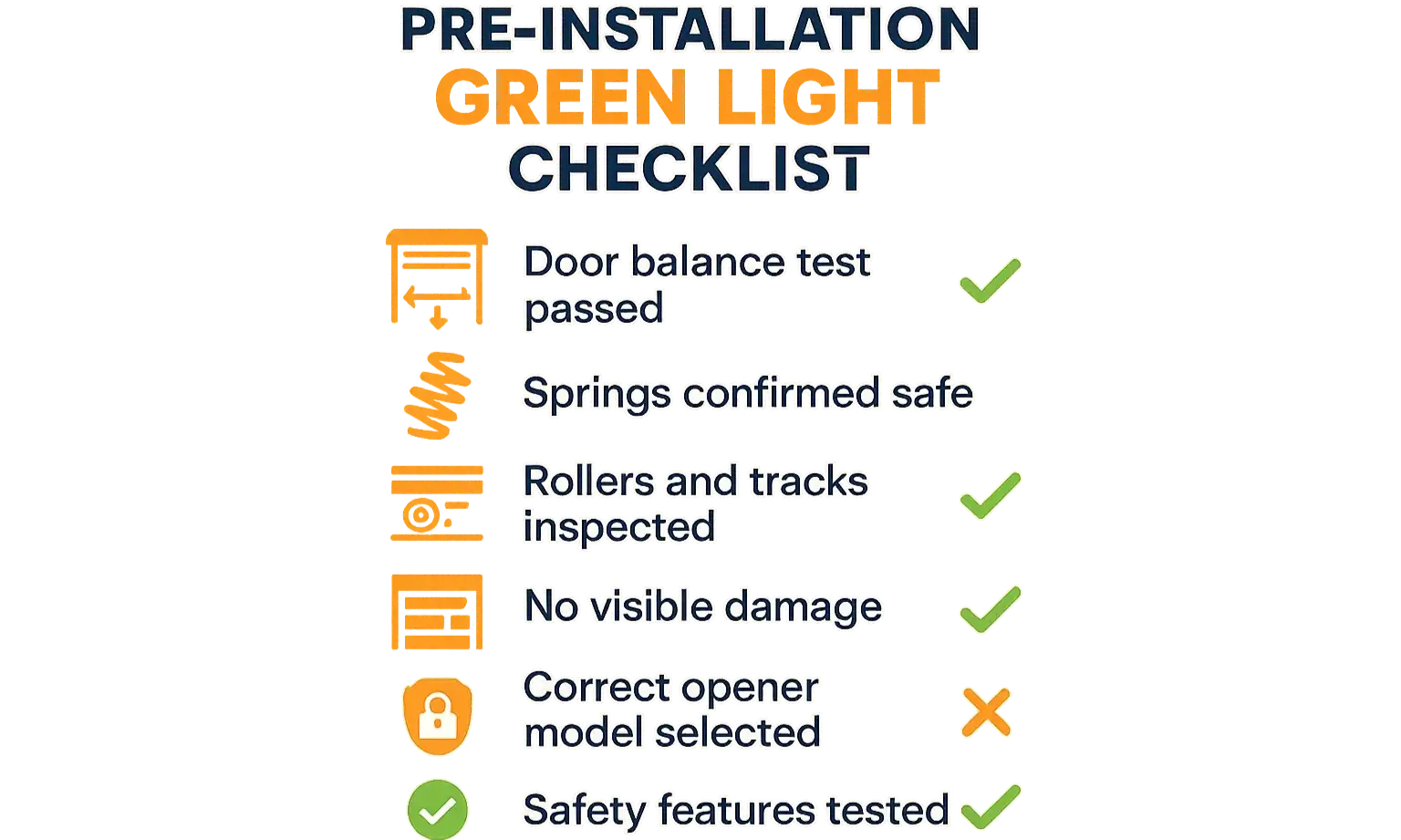
- Passes the Balance Test: The door holds its position when opened halfway.
- Smooth Manual Operation: It moves up and down by hand without snagging or excessive effort.
- Hardware is in Good Shape: Rollers, cables, and tracks are free of damage.
- Door is Structurally Sound: For older wood doors, ensure the panels are not warped or cracked. You may need to reinforce garage door panels where the opener arm will attach.
FAQ: Your Questions About Older Doors and New Openers, Answered
Do I need a more powerful opener for my heavy wood door?
How can I tell if my springs are just old versus actually broken?
People ask, "are garage door openers easy to install?" Is this a good DIY project?
Can an unbalanced door damage more than just the opener?
You may also like