Our company logo

State

Garage Door Warning Signs Every Bridgeport Homeowner Should Know


Published: Feb 11, 2026

Heard a loud bang from the garage? Is your door suddenly making a grinding noise that sends shivers down your spine? Or maybe it’s just refusing to open, trapping your car inside. Don't panic. These are incredibly common issues, and you’ve come to the right place.

Many Bridgeport homeowners feel a wave of anxiety when their garage door acts up. It’s a heavy, complex piece of machinery, and it’s not always clear what’s wrong or, more importantly, whether it’s safe to investigate.

This guide is your friendly first step. We’ll walk you through how your garage door actually works, help you diagnose the symptoms you’re seeing and hearing, and give you a clear, safety-first framework for deciding between a simple DIY fix and calling a professional.

Foundation: How Your Garage Door Actually Works (The 5-Minute Explanation)
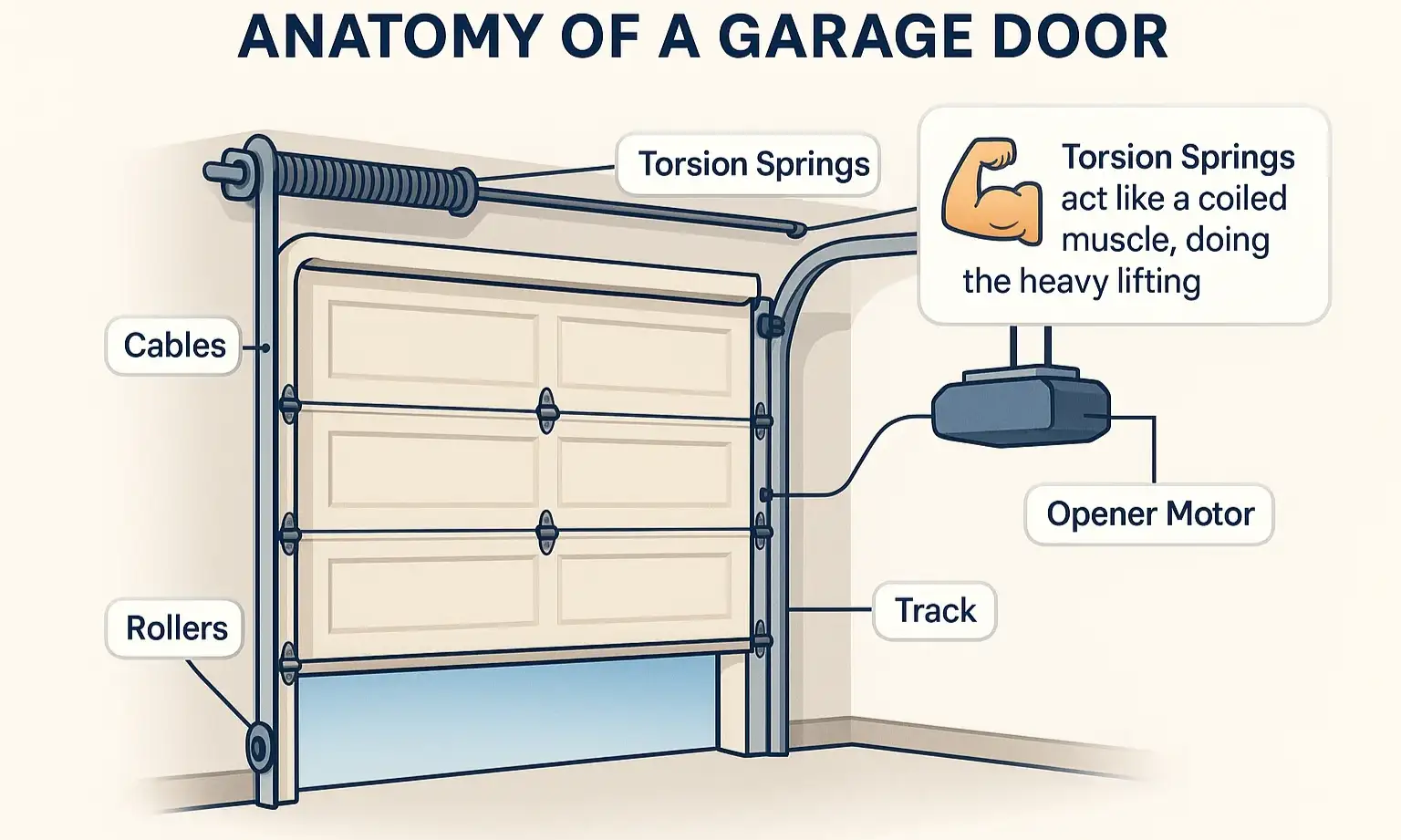

Before you can understand the problem, it helps to know how the system is supposed to work. Most people think the electric garage door opener does all the heavy lifting, but that's a common misconception. Here’s the "aha moment" that changes everything:
Anatomy of a Garage Door: Understand how torsion springs and other key parts work together to safely operate your garage door.
Your garage door springs do the lifting, not the opener.
Think of it this way: Your garage door can weigh anywhere from 150 to 400 pounds. The torsion springs—those large coils mounted above the door—are wound under immense tension. They act like a powerful, coiled muscle that perfectly counterbalances the door's weight. The garage door opener simply provides the "push" to get the door moving, guiding it along the tracks.
This is why a problem with the springs is the most serious and dangerous issue you can have. Here are the key players in the system:

  • Torsion Springs: The powerhouse of the system. They make the door feel light enough to lift.
  • Cables: These connect the springs to the bottom of the door, transferring the lifting force.
  • Rollers & Tracks: These guide the door up and down smoothly.
  • Opener (Motor): The automated system that initiates and controls the movement.
  • Safety Sensors: The two small "eyes" near the bottom of the door that prevent it from closing if something is in the way.
Understanding this balance of power is the key to safely troubleshooting any issue.
Anatomy of a Garage Door: Understand how torsion springs and other key parts work together to safely operate your garage door.

Building: The Symptom Checker - A Visual Troubleshooting Guide


Now, let's connect that knowledge to what you're actually experiencing. Find the symptom below that best matches your situation.

Symptom 1: "I heard a loud BANG from the garage."

This is the most alarming sound a garage door can make.
Most Likely Cause: A broken garage door spring. The loud noise was the sound of thousands of pounds of stored energy being released instantly as the spring snapped. You may now see a visible 2-3 inch gap in the spring.
What You'll Notice: The door will be extremely heavy and the opener will strain but fail to lift it. DO NOT try to force it open.

Symptom 2: "The garage door is making a grinding, squeaking, or rattling noise."
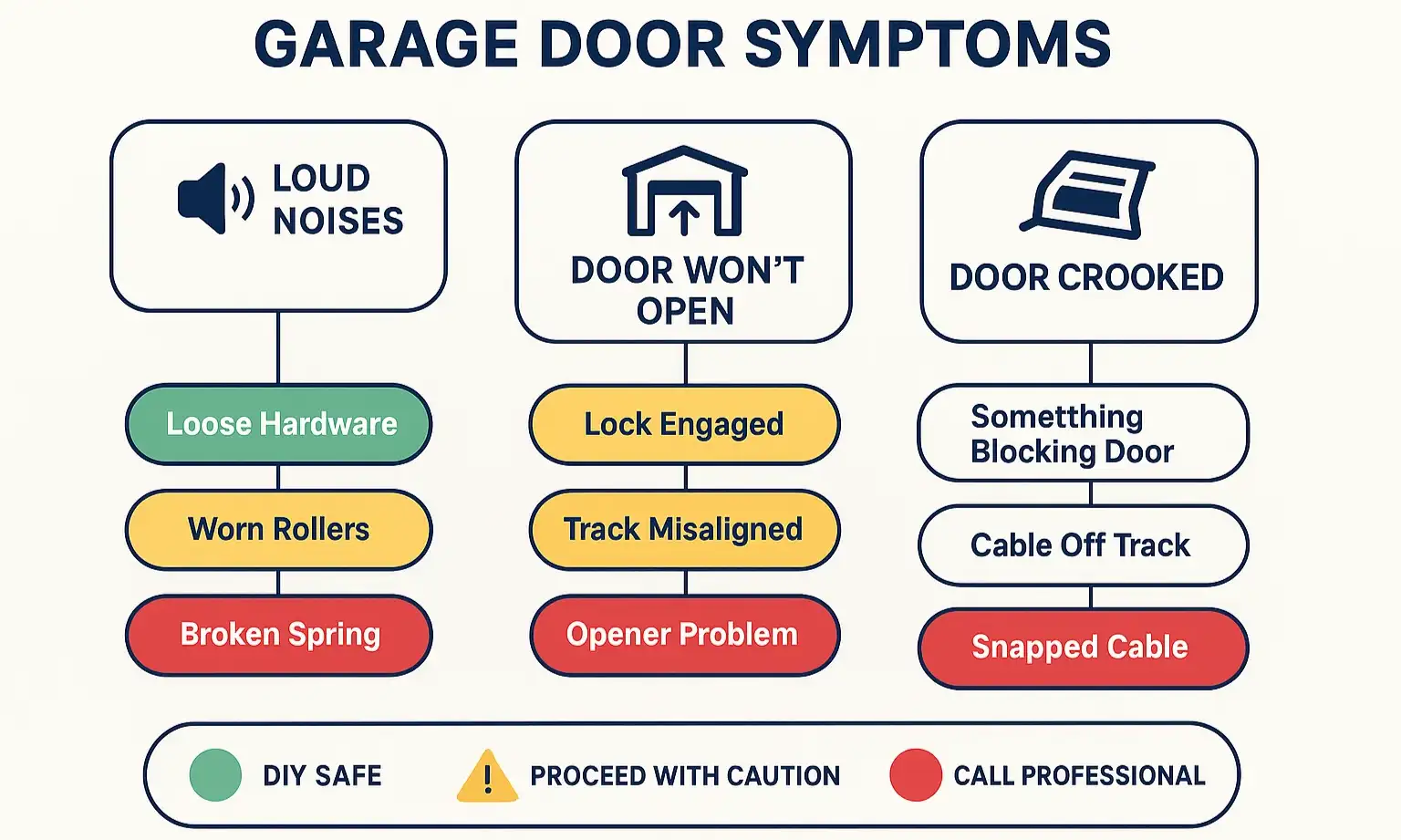
Potential Causes:
Lack of Lubrication: Rollers, hinges, and springs need regular lubrication to operate smoothly.
Worn Rollers: The small wheels that run in the tracks can wear out, causing a grinding or shaking motion.
Loose Hardware: Nuts and bolts can loosen over time from vibration, causing rattling.
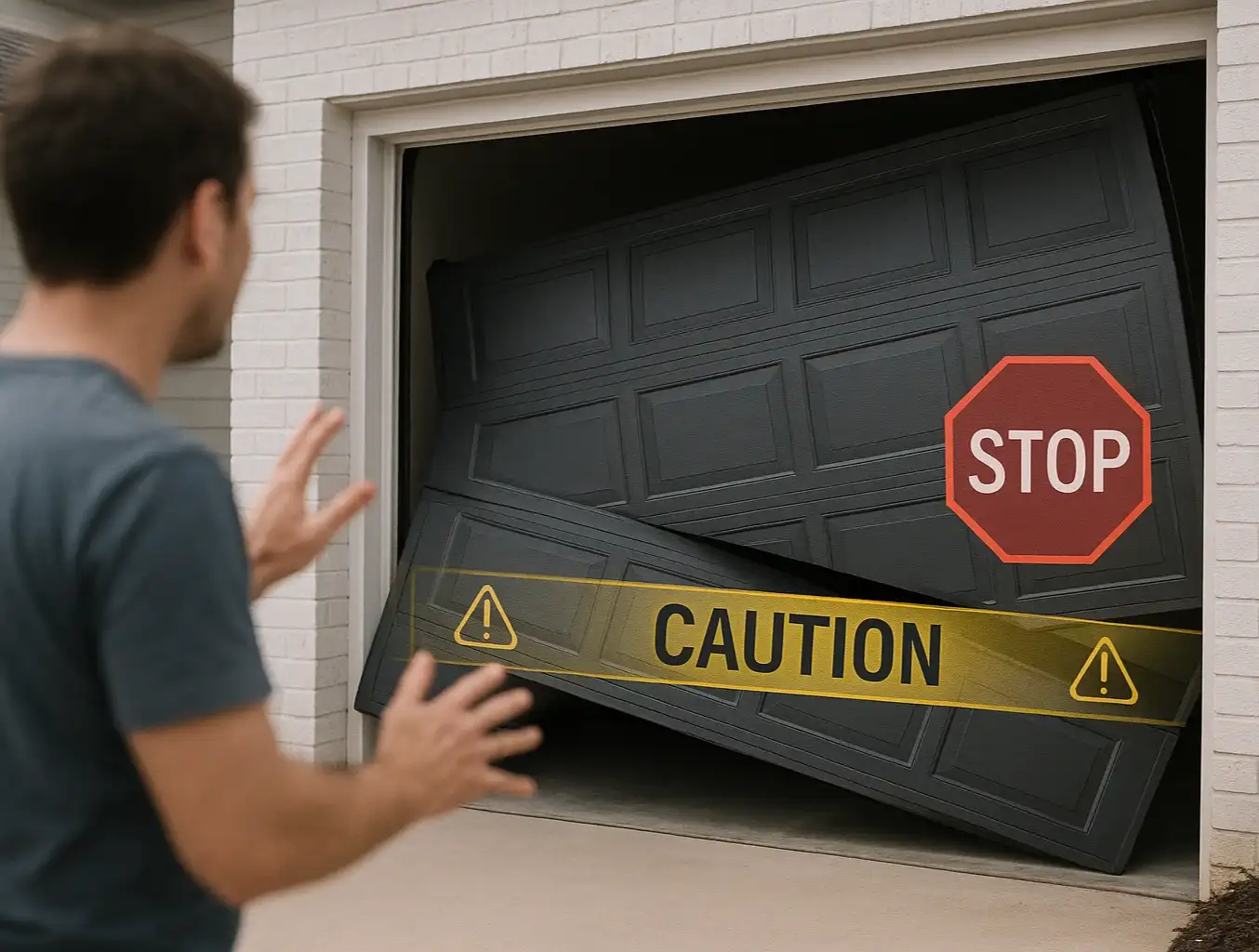
Garage Door Symptom Checker: Quickly identify common problems and know when to DIY or call a professional to ensure safety and prevent costly damage.

Symptom 3: "The garage door won't open or close all the way."

Potential Causes:
Obstructed Safety Sensors: The most common cause. The sensors at the bottom of the door must be perfectly aligned. If something is blocking them or they are misaligned, the door won’t close.
Opener Travel Limits: The opener may need to be reprogrammed to "re-learn" the fully open and closed positions.
Broken Spring: As mentioned above, the opener doesn't have the strength to lift the door without a working spring.

Symptom 4: "The garage door looks crooked or is off its track."

Potential Causes:
Snapped Cable: One of the two lift cables may have broken, causing one side of the door to drop. This is a dangerous situation as the remaining cable and spring are under immense strain.
Obstructed Track: Something may be physically blocking the track, forcing a roller to pop out.

Garage Door Symptom Checker: Quickly identify common problems and know when to DIY or call a professional to ensure safety and prevent costly damage.

Mastery: DIY Fix vs. Call a Pro - A Clear Safety Guide


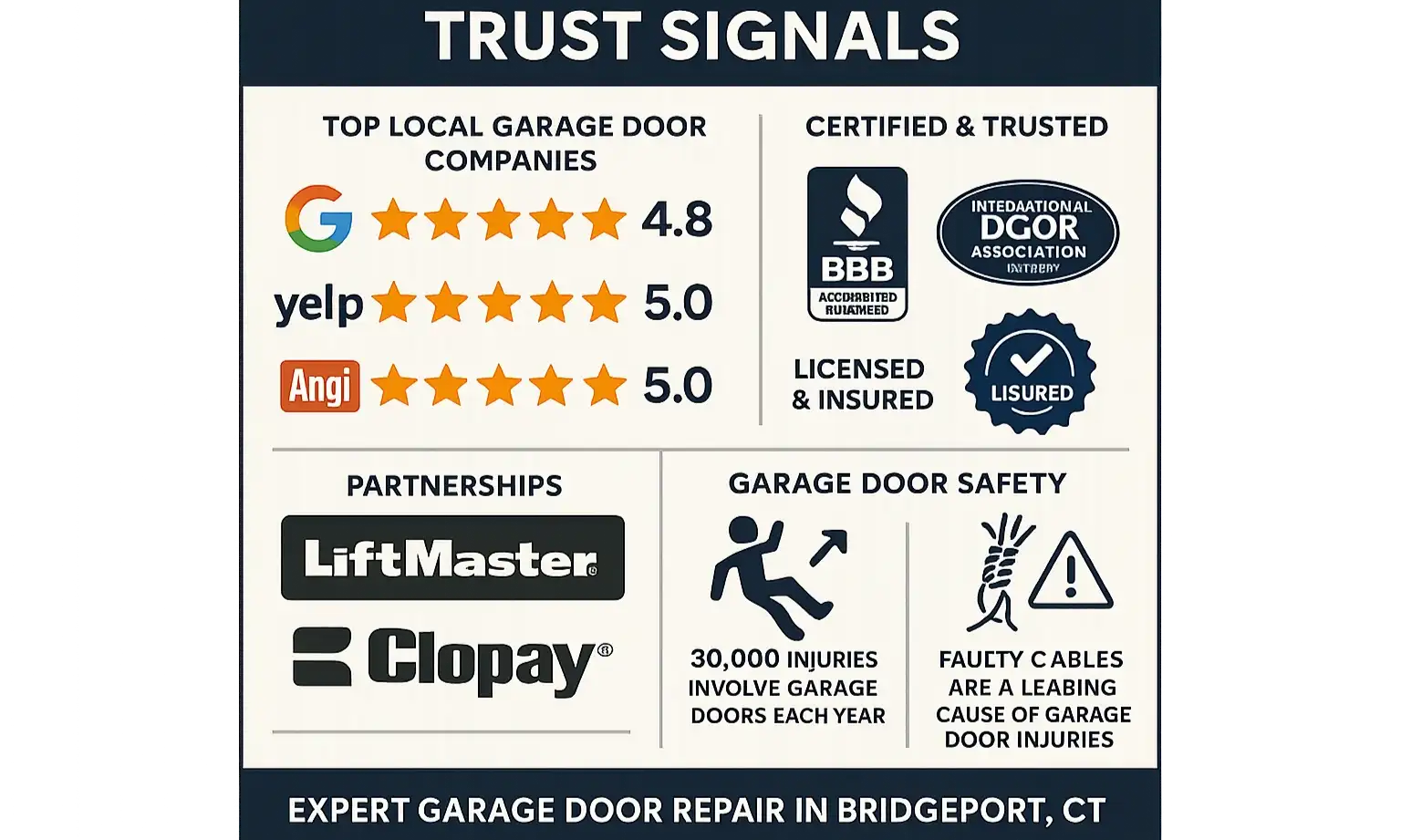
Now for the most important question: "Can I fix this myself?" Your safety is the number one priority. According to the U.S. Consumer Product Safety Commission, over 30,000 injuries are caused by garage doors every year. Here’s how to know when to stop.

Green Light (Safe to DIY)

These are simple checks anyone can do without special tools or risk.
  • Check the Remote Batteries: The simplest solution is often the right one.
  • Clear and Clean Safety Sensors: Check for spiderwebs, dirt, or any object blocking the sensor's path. Gently wipe the lenses and ensure they are pointing directly at each other (most have an indicator light that turns solid when aligned).
  • Check the Power: Make sure the opener is plugged in and the circuit breaker hasn't been tripped.
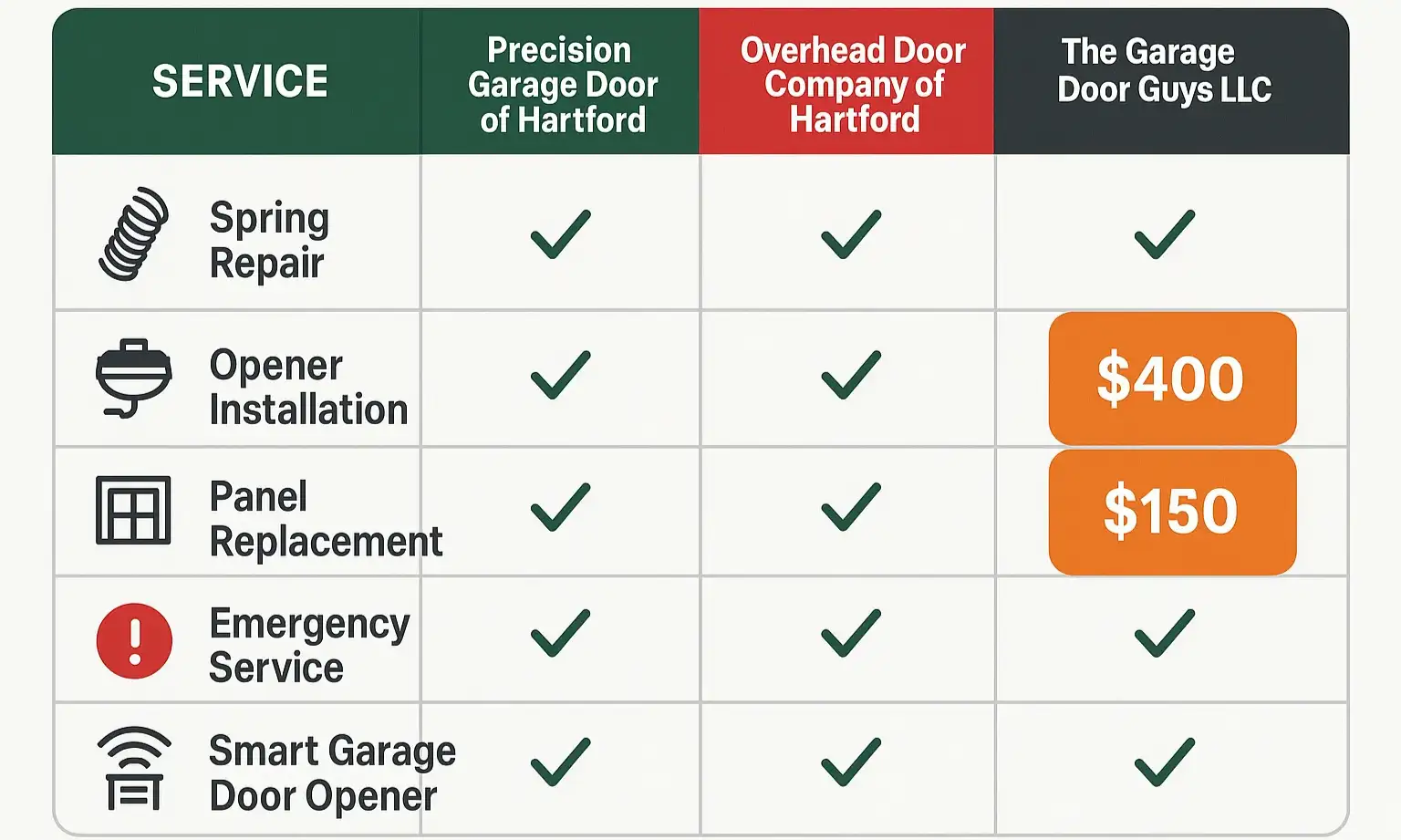
Compare Top Local Garage Door Services: See how we stack up on price, emergency response, and smart door options to make the best choice for your home.

Yellow Light (Proceed with Caution)

This task is manageable for a handy homeowner but requires care.

  • Lubricating Parts: You can lubricate the rollers, hinges, and springs to quiet a noisy door.
  • Don't Do This! Never use WD-40. It's a solvent, not a lubricant, and will strip away grease, making the problem worse over time. Use a silicone or white lithium grease spray made specifically for garage doors.

Red Light (STOP - Call a Professional Immediately)

Attempting these repairs without proper training and tools is extremely dangerous. The stored energy in springs can cause serious injury or death.
  • Anything involving springs. Whether it’s a broken spring or one that needs adjusting, this is the most dangerous part of the door. A professional technician has the specific tools and training to safely handle the garage door spring replacement.
  • Anything involving cables. The cables are under the same high tension as the springs. If you need to adjust garage door cables or replace a snapped one, this is a job for a pro.
  • Replacing a door panel. A bent or damaged panel compromises the door's structure. A professional can assess if a garage door panel replacement is possible or if the entire door needs replacing.
  • A door that has come off its tracks. Trying to force the door back into place can cause it to collapse.
Compare Top Local Garage Door Services: See how we stack up on price, emergency response, and smart door options to make the best choice for your home.

Need more information?

Action: What to Do Next


If you’ve identified a "Red Light" problem or simply aren't comfortable tackling a "Yellow Light" fix, the next step is to call for help. A professional diagnosis can save you time, prevent further damage, and ensure your family’s safety.
Trusted Expertise: Our certified technicians, top reviews, and safety-first approach make us the smart choice for your garage door repair needs.
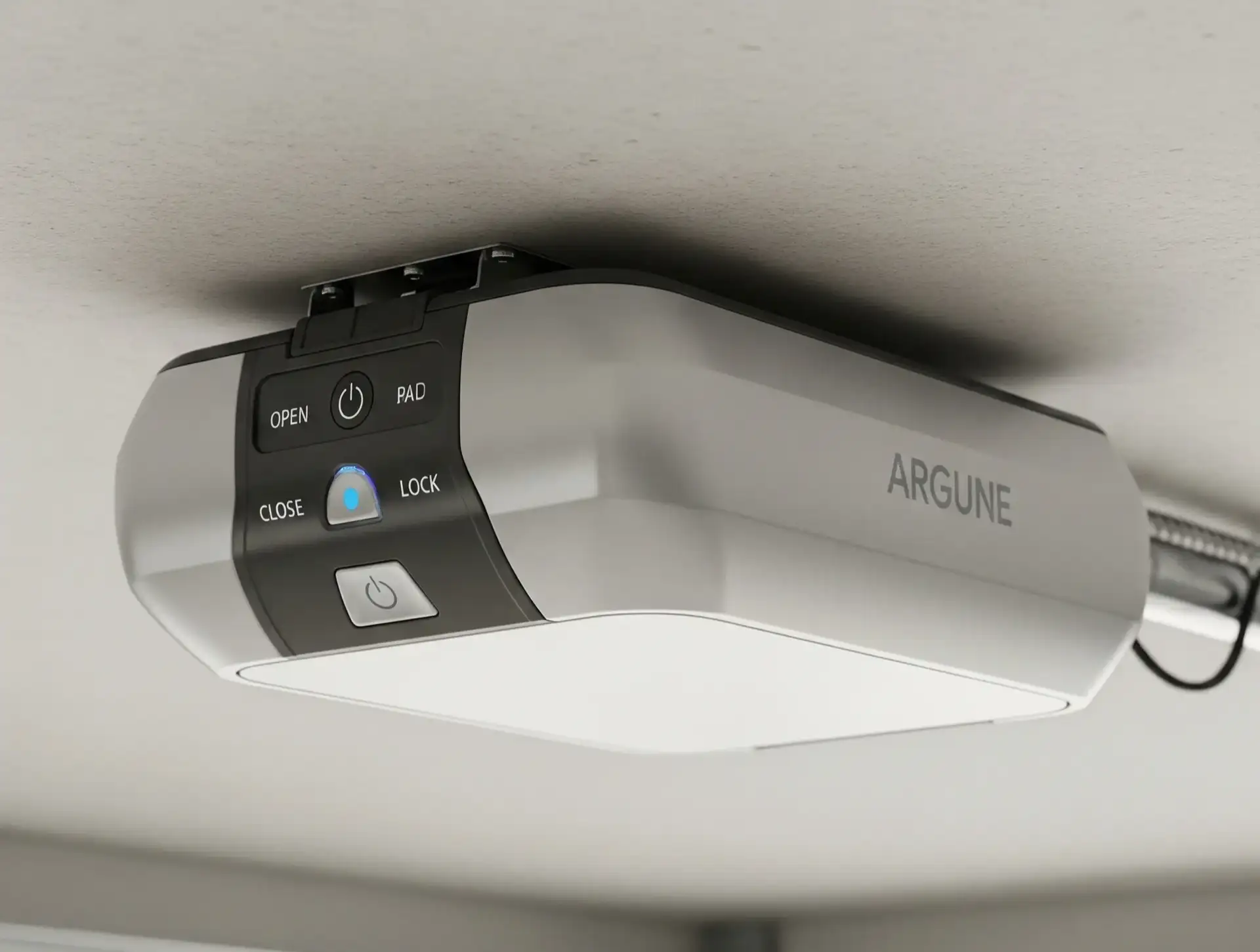
And if your opener is over 10-15 years old, a repair might be a good time to consider an upgrade. A modern smart garage door opener offers incredible convenience and security, allowing you to control and monitor your door from anywhere with your phone.
When you call a technician, being prepared helps everyone. Here’s a quick checklist of what to tell them:

  • The main symptom (e.g., "I heard a loud bang," "The door is crooked").
  • The brand of your garage door or opener, if you can see it.
  • What you’ve already tried (e.g., "I checked the sensors and they seem to be aligned").
For any "Red Light" issue, the safest next step is to get a professional opinion. If you need emergency garage door repair in Bridgeport, CT, our family at Up & Down Garage Doors is available 24/7 to help you get your day back on track safely and efficiently.
Trusted Expertise: Our certified technicians, top reviews, and safety-first approach make us the smart choice for your garage door repair needs.

Frequently Asked Questions for Bridgeport Homeowners


Is it cheaper to repair or replace my garage door opener?

If your opener is over 10 years old and the repair is significant, replacement is often more cost-effective. A new unit will be quieter, more secure, and come with a new warranty and modern features. For minor issues like reprogramming or sensor alignment, a simple garage door opener repair is the way to go.

Why won’t my garage door open all the way?

This is usually caused by one of three things: misaligned safety sensors, the opener's travel limits needing adjustment, or a broken spring that's preventing the opener from lifting the door's full weight.

Should I repair a dented garage door panel or replace the whole door?

If the damage is cosmetic and limited to one or two panels, replacement panels are a great option. However, if the damage has compromised the door's structural integrity or if the door is old, a full garage door installation can improve your home's curb appeal, insulation, and security.

Who is the best garage door company in the Bridgeport area?

While "best" is subjective, look for companies with a strong local reputation, 24/7 emergency availability, and transparent pricing. As a family-owned business founded by four brothers, we pride ourselves on treating our customers with honesty and providing reliable, professional service.

You may also like


blog photo

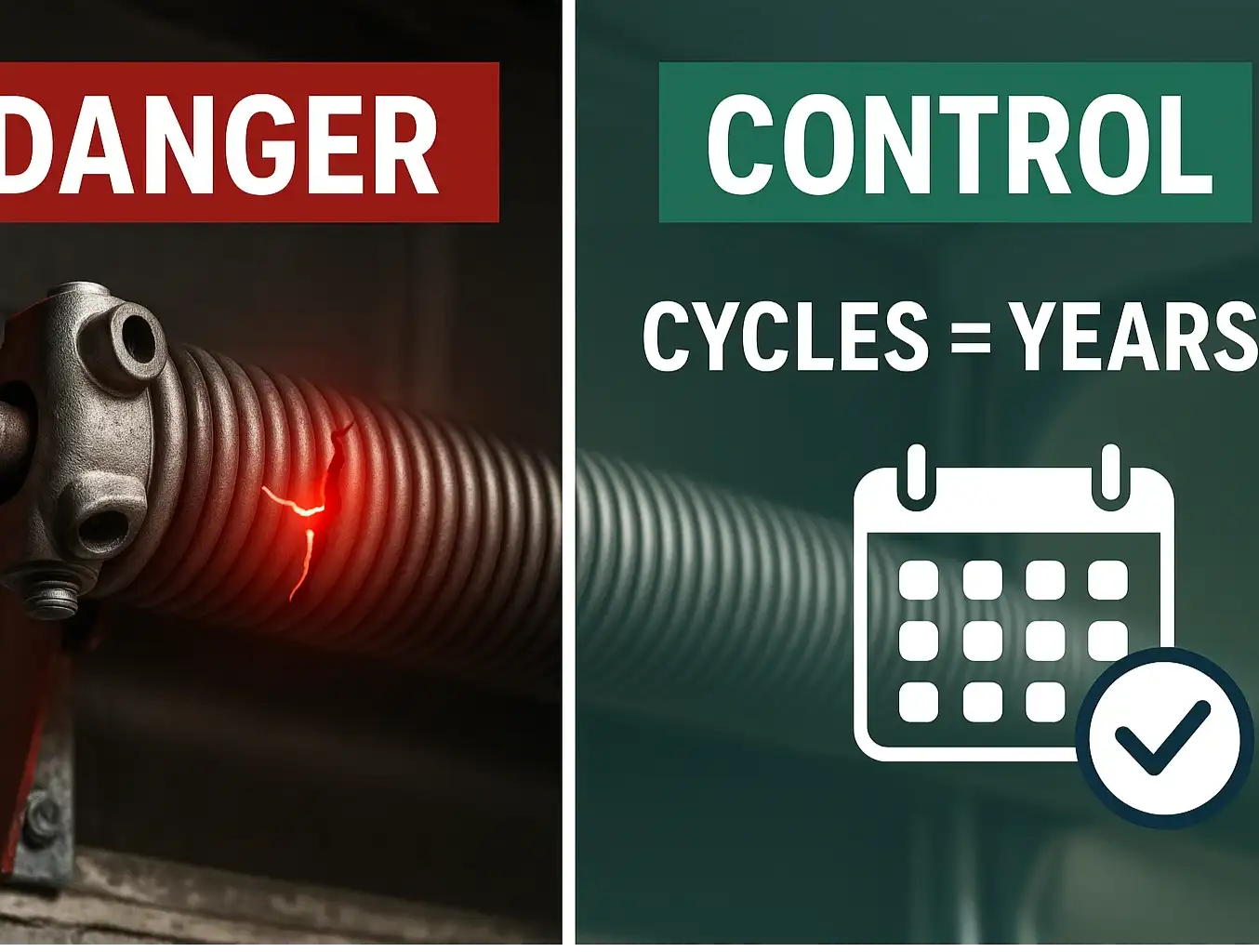
How to Predict When Your Door Springs Will Break

BANG! It’s a sound you’ll never forget—a sudden, deafening report from the garage that sounds like a gunshot. Your first thought might be an intruder, but the reality is often more mundane, yet just as startling: a garage door spring has just snapped. This isn’t just an inconvenience that traps your car; it’s a failure of a component under extreme tension, releasing its stored energy in a split second. Many homeowners assume this event is random, an unavoidable part of homeownership. But what if you could predict exactly when it would happen? What if you could turn that sudden, expensive emergency into a planned, manageable maintenance task? You can. And all it takes is a little bit of simple math. This guide will teach you how to read the "ticking clock" on your garage door springs, moving you from reactive panic to proactive peace of mind.