The Definitive Guide to Garage Door Repair & Maintenance for Danbury Homeowners
Published: Feb 9, 2026
It’s a sound every homeowner dreads. You press the button on your garage door remote, expecting the familiar, smooth rumble of the door ascending. Instead, you hear a startlingly loud BANG, a grinding shudder, or worse—complete silence. That moment of panic is universal. Your car is trapped, your home's security feels compromised, and a flood of questions rushes in: What just happened? Can I fix this myself? How much is this going to cost?
You’ve come to the right place.
This guide is designed to be your trusted first resource, created for homeowners right here in Danbury, CT. We're going to walk you through how your garage door really works, help you diagnose the problem like a pro, and give you the confidence to decide on your next steps—whether it's a simple DIY fix or calling for professional help.
Foundation: How Your Garage Door Works (The 5-Minute Guide)
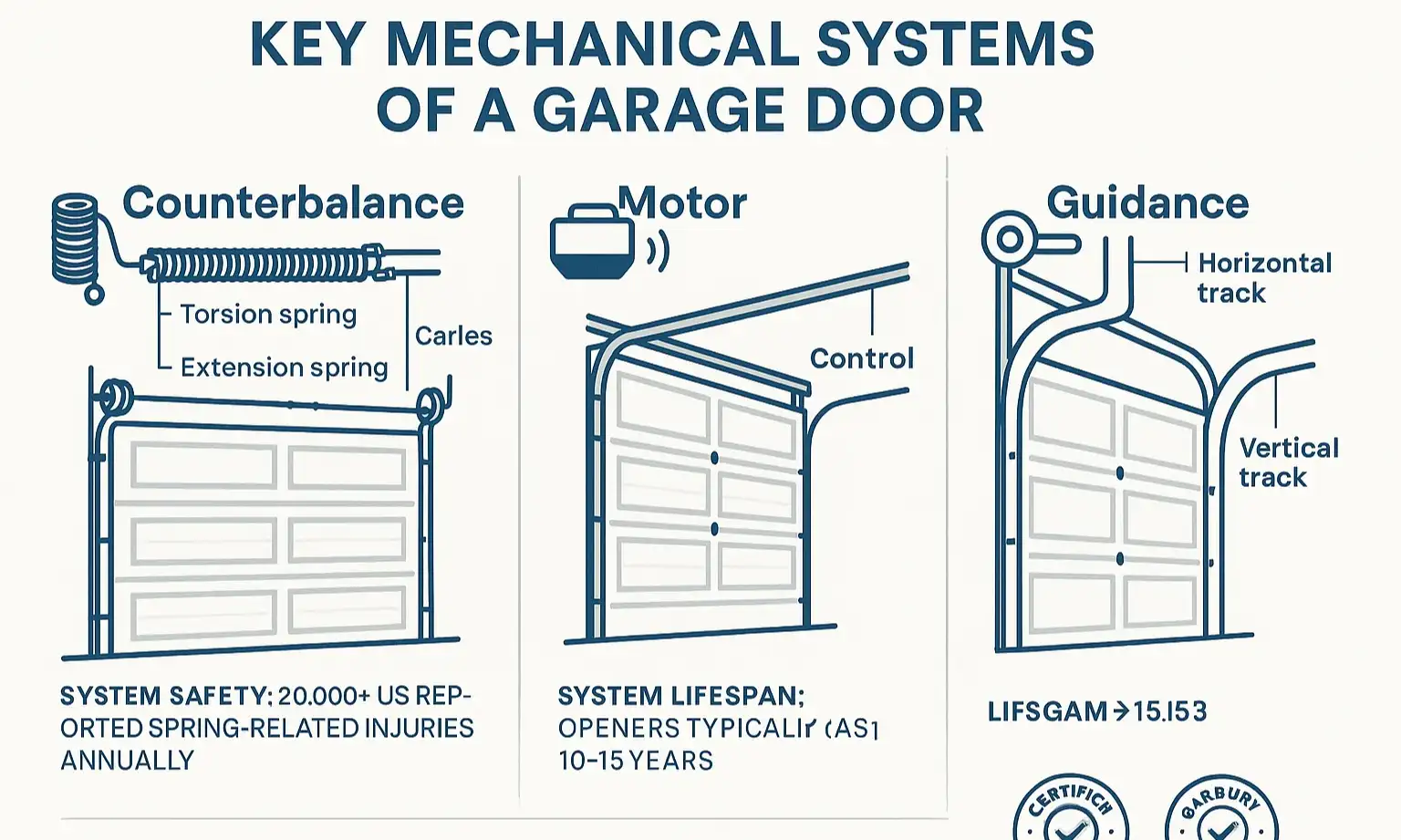
- The Counterbalance System (The Muscle): This is the combination of springs and cables. The springs—either long, skinny ones on the sides (extension springs) or a large, coiled one above the door (torsion springs)—store an immense amount of energy. They are wound or stretched to a tension that perfectly balances the weight of your garage door. This is why you can lift a 300-pound door with one hand when it's working correctly. The cables simply connect the spring's lifting force to the bottom of the door.
- The Motor System (The Brains): This is your electric garage door opener. Its job isn't to lift the door's full weight but to simply control its movement up and down the tracks. It provides the initial push and guides the door, overcoming inertia and friction. If your opener is straining, it’s a sign the Counterbalance System isn't doing its job.
- The Guidance System (The Path): This consists of the tracks, rollers, and hinges. Their job is to ensure the door travels smoothly and securely along its designated path without swaying or binding.
Building: The Homeowner's Diagnostic Checklist
What Do You Hear?
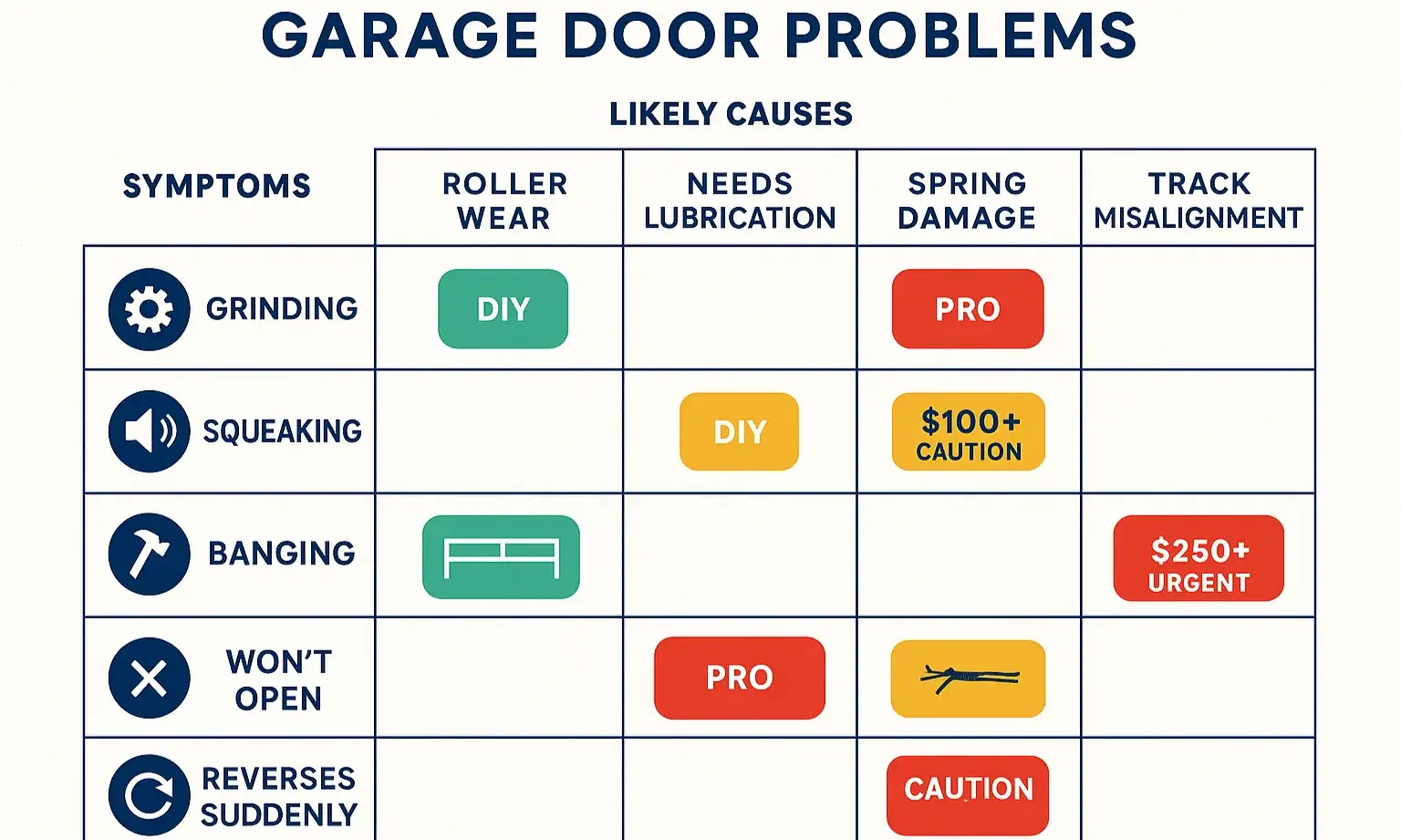
- A Loud "Bang!": This is the classic, unmistakable sound of a torsion spring breaking. The noise is the sound of all that stored energy releasing in an instant. Your door will become incredibly heavy and will not open with the motor. This requires immediate professional attention.
- Grinding or Scraping: This often points to a problem with the Guidance System. It could be worn-out rollers, a door that's off its track, or debris caught in the tracks.
- Squeaking or Squealing: This is usually a cry for lubrication. Rollers, hinges, and springs all need regular lubrication to operate smoothly. This is a common and often easy DIY fix.
What Do You See?
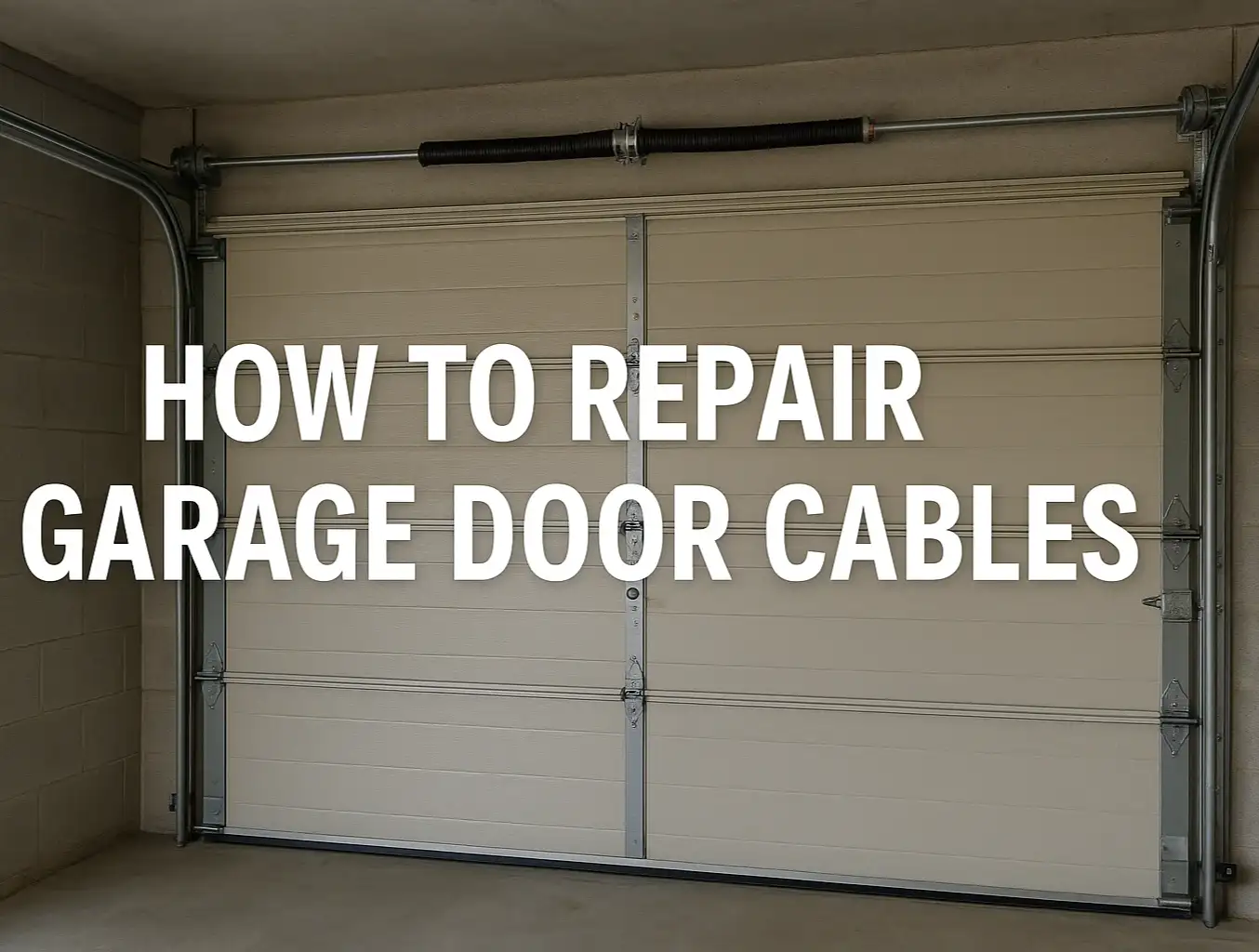
- A Frayed or Snapped Cable: The cables do the direct lifting. If you see one hanging loose or looking frayed, stop using the door immediately. A snapped cable can cause the door to fall suddenly or hang crooked. Proper garage door cable replacement is a job for a professional due to the extreme tension involved.
- The Door Looks Crooked or Uneven: This is another major symptom of a counterbalance issue. It often means one of the two lifting cables has broken or slipped, or an extension spring has snapped, causing one side of the door to be unsupported.
- Visible Dents or Damage: A collision with a car can cause serious damage. While a small dent might be cosmetic, significant damage can compromise the door's structure and requires professional garage door panel repair.
What Is the Door Doing (or Not Doing)?
- It Won't Open or Close at All: If you hear the motor running but the door isn't moving, the opener may be disconnected from the door (check the red emergency release cord). If the motor doesn't run at all, it could be a power issue or a dead motor. If the door only moves a few inches and stops, it’s likely a broken spring.
- It Reverses Suddenly After Closing: This is almost always a safety sensor issue. The two small "eyes" at the bottom of your garage door tracks must be perfectly aligned to see each other. If anything blocks their beam, or if they are misaligned, the door will reverse as a safety precaution.
- The Wall Button Works, But the Remotes Don't: This could be as simple as dead batteries in your remote. If new batteries don't work, it could be a problem with the remote itself or the opener's receiver.
Mastery: The "DIY vs. Call a Pro" Decision Engine
Safe DIY Maintenance You Can Do This Weekend
- Lubricate Moving Parts: Once every few months, use a garage door-specific lubricant (avoid heavy grease like WD-40) on all hinges, rollers, and springs.
- Test and Clean Safety Sensors: Wipe the lenses of the safety sensors with a soft cloth. Test them by placing a cardboard box in the door's path and trying to close it. The door should immediately reverse.
- Check and Tighten Hardware: The constant vibration of the door can loosen nuts and bolts. Take a few minutes to check and tighten them.
- Visually Inspect Everything: Look at the cables for any signs of fraying, check the rollers for cracks, and look at the springs for any signs of separation (a sign of a future break).
When to Call a Professional in Danbury (And Why)
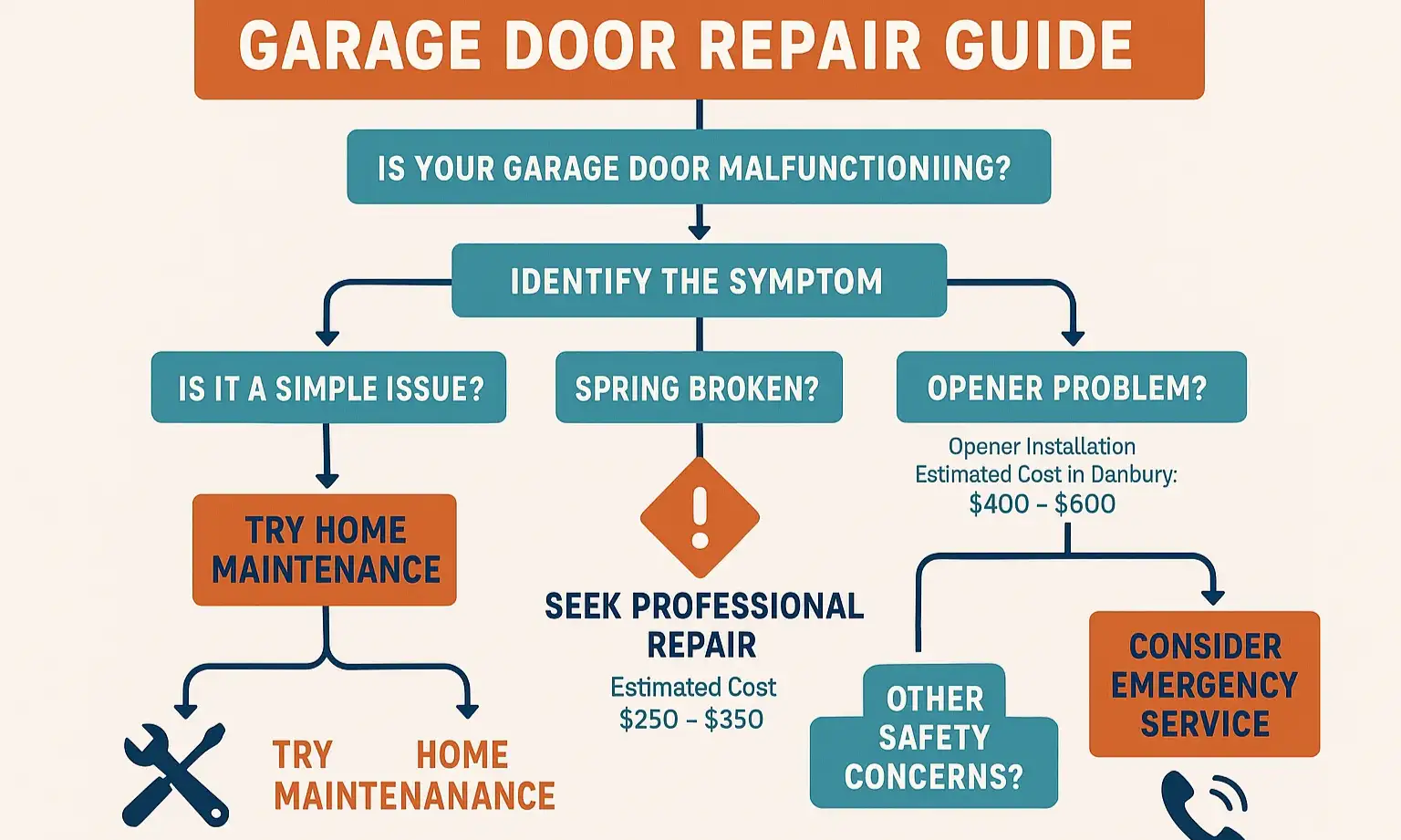
- Anything Involving Springs or Cables: This is non-negotiable. Garage door springs are under extreme tension. A sudden release of that energy can cause severe injury. Technicians have the specialized tools and training to perform a broken garage spring repair safely.
- Replacing a Door Panel: While it may seem straightforward, a full garage door panel replacement requires disconnecting the door and ensuring proper alignment, which can be tricky and dangerous.
- A Door That Is Off Its Tracks: Trying to force a door back into its tracks can damage the tracks, rollers, and the door itself. A professional can identify why it came off the track and fix the root cause.
- Major Opener or Electrical Issues: If you suspect a problem with the opener's motor, circuit board, or wiring, it’s best to have an expert handle it.
Action: Your Next Steps in Danbury
Frequently Asked Questions (FAQ)
Should I repair or replace my garage door?
What is the life expectancy of a garage door spring?
Can I replace my garage door opener myself?
What is the most common garage door repair?
You may also like