Garage Door Track Brackets: Types, Function, and When to Repair
Published: Dec 9, 2025
Garage doors rely on several hardware parts to open and close safely, and garage door track brackets are among the most important. These metal supports hold the vertical and horizontal tracks securely to the wall and ceiling. Without strong brackets, the track can shift, bend, or loosen, causing the door to move unevenly or even fall off the rails. At Up & Down Garage Doors, we often see homeowners overlook these parts until something goes wrong. This guide explains the main types of brackets, common signs of damage, and how to know whether a repair is enough or if a full garage door bracket replacement is the safer choice.
Types of Garage Door Track Brackets and How They Work
Different bracket styles support different sections of the track system. Knowing what each one does makes it easier to spot problems early.
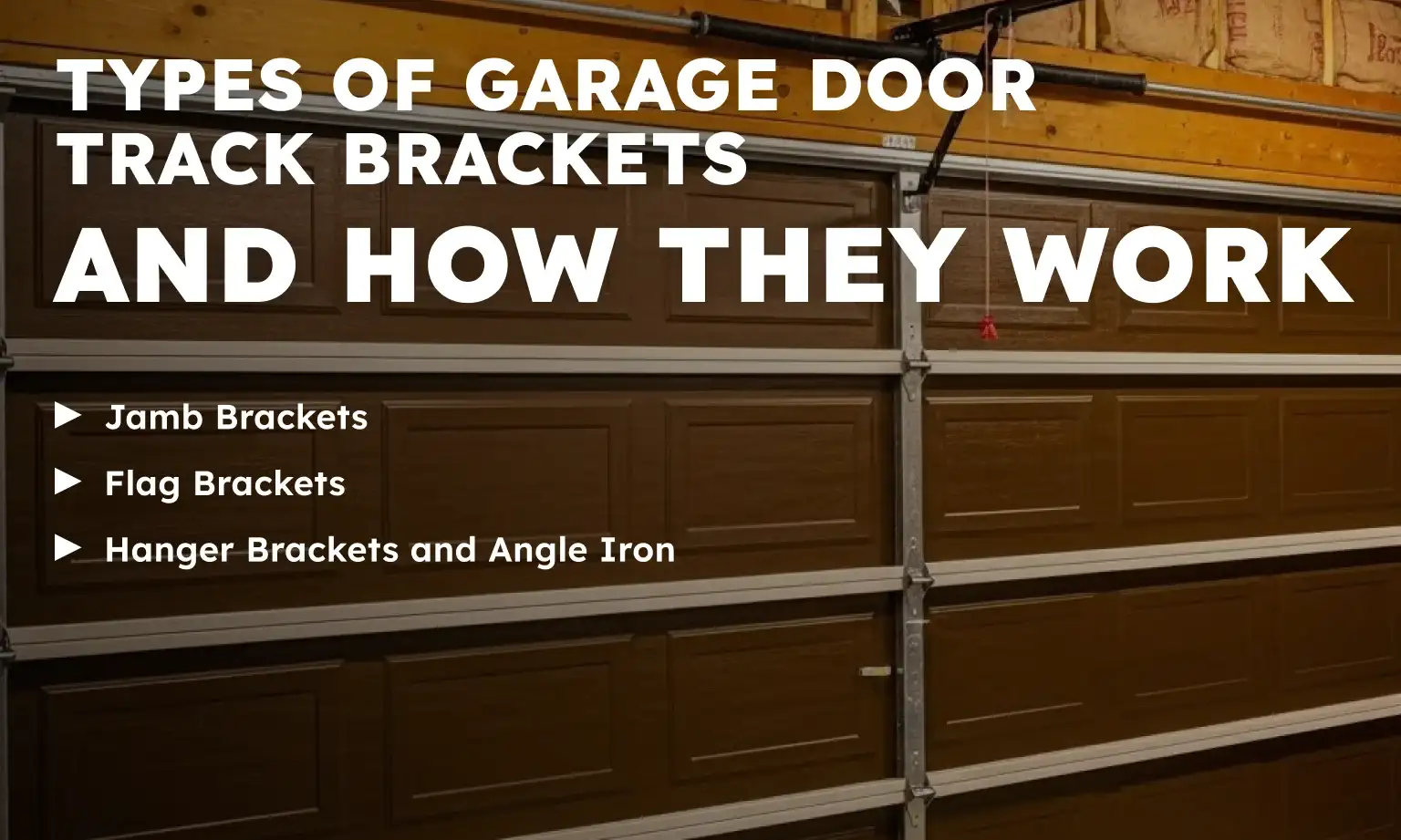
Jamb Brackets
These parts, also known as garage door vertical track brackets, connect the vertical tracks directly to the sides of the garage opening. Because garage door jamb brackets hold the track firmly in place, they keep the rollers aligned as the door moves.
Flag Brackets
A garage door flag bracket connects the vertical track to the horizontal track. It supports the area where the door begins to curve upward. Strong flag brackets help maintain proper track alignment and prevent the door from binding or catching at the top.
Hanger Brackets and Angle Iron
The horizontal tracks are supported from above using garage door track hanger brackets, often mounted on angle iron for added strength. These ceiling-mounted supports must stay tight and level, since any sagging can cause the door to rub or drop unevenly.
What Track Brackets Issues Can Be Repaired
Some problems do not require new parts. Simple maintenance can address minor wear or looseness.
Loose Fasteners and Vibrations
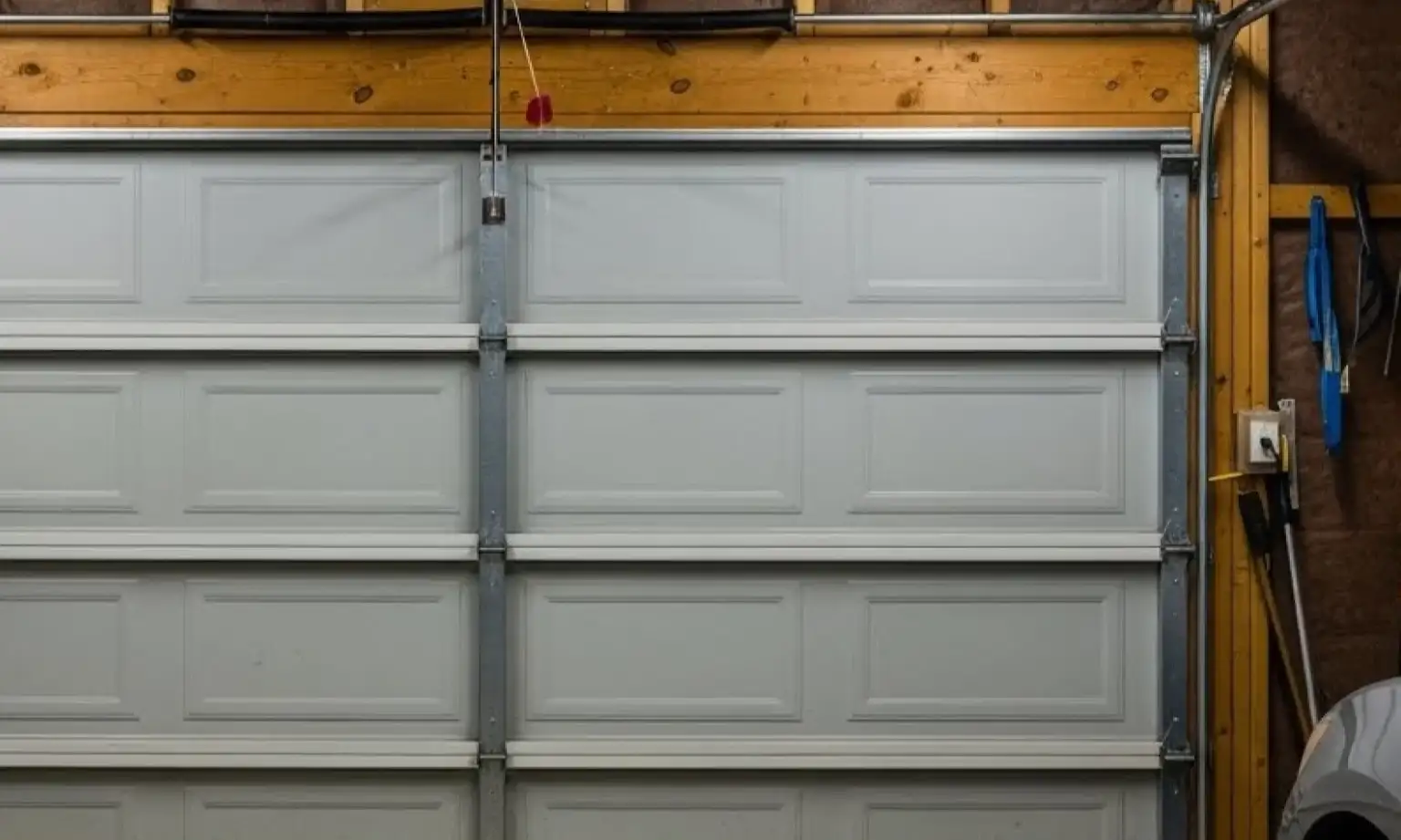
The movement of the door can cause nuts and bolts to loosen over time. If a bracket wiggles or shifts, tightening garage door bolts may help fix a loose garage door track. Also, keeping up with regular garage door maintenance helps prevent this from returning.
Minor Bends
A small bend or dent in a bracket may not affect performance right away. Light bends can sometimes be straightened carefully. If the bend causes the track to shift or the rollers to rub, the door may no longer sit correctly. In these cases, reviewing a guide on how to get a garage door back on track can help you understand what needs adjusting.
Key Signs You Need a Garage Door Track Bracket Replacement
Some damage goes beyond simple repairs. Replacing the bracket is often the safer choice when these signs appear.

Severe Rust and Corrosion
Moisture can weaken steel over time. Deep rust, flaking metal, or orange streaks indicate the bracket can no longer support weight. Leaving a damaged bracket in place increases the risk of a garage door bracket ripped off during operation.
Cracks and Splits
Any visible crack means the bracket can no longer carry the load of the door. Cracked brackets should be replaced immediately. Using a garage door bracket kit ensures you get the correct size and style for your system.
Major Structural Damage
If a car bumps the track or a cable snaps, the brackets can bend beyond repair. Upgrading to heavy-duty garage door track brackets helps provide extra strength, especially for larger or heavier doors. When the door has already slipped out of its track, reading about understanding garage door track alignment can help you identify what must be reset before installing new hardware.
Track Alignment and Adjustment Tips
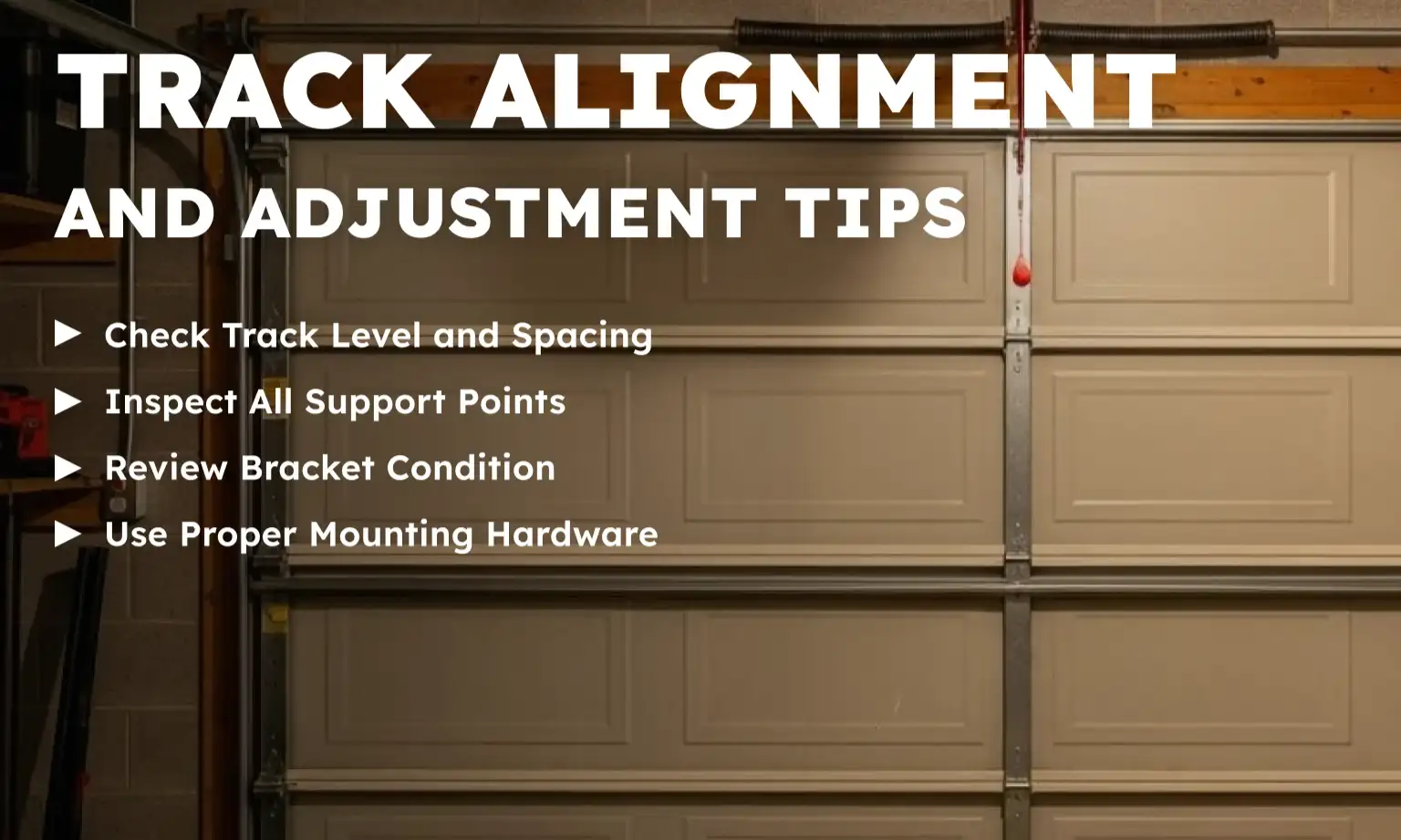
1. Check Track Level and Spacing
Your vertical and horizontal tracks should sit straight and parallel. If gaps or rubbing appear, a garage door track adjustment may be necessary to correct alignment.
2. Inspect All Support Points
Look at every garage door rail support and hanger to ensure they are tight and not bending. Loose connections can cause the door to lean or drag as it moves.
3. Review Bracket Condition
Worn universal garage door track brackets or ceiling hangers should be replaced before they fail. Any movement in the brackets can affect how smoothly the door operates.
4. Use Proper Mounting Hardware
When installing new garage door track mounting brackets, always use the correct screws and reinforcements. Incorrect hardware can cause early wear or sudden shifting.
Need more information?
Get a free quote
Get Expert Repair from Up & Down Garage Doors
Even small issues like rusted brackets or misalignment can affect your garage door’s performance and safety. If you need to fix loose garage door track components or replace damaged support brackets, it’s best to act before the problem worsens. Up & Down Garage Doors provides trusted garage door repair services and honest advice to help you choose the right solution. Reach out today to schedule an inspection — we’ll make sure your system stays strong, stable, and built to last.
Frequently Asked Questions
Can I use a generic garage door track kit for my repairs?
Yes, many homeowners use universal garage door track brackets, but you must ensure the gauge and size match your specific door weight for safety.
How do I know if I need heavy-duty garage door track brackets?
If you have an oversized or solid wood door, upgrading to heavy-duty garage door track brackets provides better stability and reduces the risk of bending.
Should I replace my garage door hardware all at once?
If several brackets are worn or failing, it can be more efficient and safer to replace the garage door hardware together.
Can I install a garage door track hanger myself?
You can install a garage door track hanger yourself if you’re comfortable using tools and working with precise measurements. For best results, follow our detailed guide on DIY garage door track installation to ensure everything is properly aligned.
Why are my garage door track mounting brackets rusting so quickly?
Garage door track mounting brackets near the floor often rust due to moisture and salt; consider using galvanized or powder-coated replacements to resist corrosion.
You may also like