A Danbury Homeowner's Safety-First Troubleshooting Guide
Published: Feb 9, 2026
That dreaded sound. A groan, a shudder, a sudden, jarring halt. One moment your garage door is the convenient gateway to your home; the next, it’s a several-hundred-pound wall holding your car hostage. It's a frustrating moment every Danbury homeowner hopes to avoid, but when it happens, your first thought is likely, "What on earth is wrong with it, and can I fix it?"
You've come to the right place. Think of this as your calm, clear-headed guide to understanding what your garage door is trying to tell you. We'll walk through the simple checks you can safely perform yourself and, more importantly, clearly identify the danger zones where calling a professional is the only safe option.
What's Your Garage Door Trying to Tell You? A Quick Symptom Checker
Before you start searching for tools, let's play detective. Garage doors rarely fail without giving clues. The specific way it's misbehaving is a major hint about the root cause. This quick diagnostic chart can help you narrow down the possibilities and decide on the safest next step.
Understanding the Main Players: The Anatomy of Your Garage Door
To understand the problem, it helps to know the team of parts working together every time you press that button. Most guides look at these parts in isolation, but the magic—and the danger—is in how they interact. A problem with one small part can quickly cascade into a major failure.
Here’s a look at the core components and their roles:
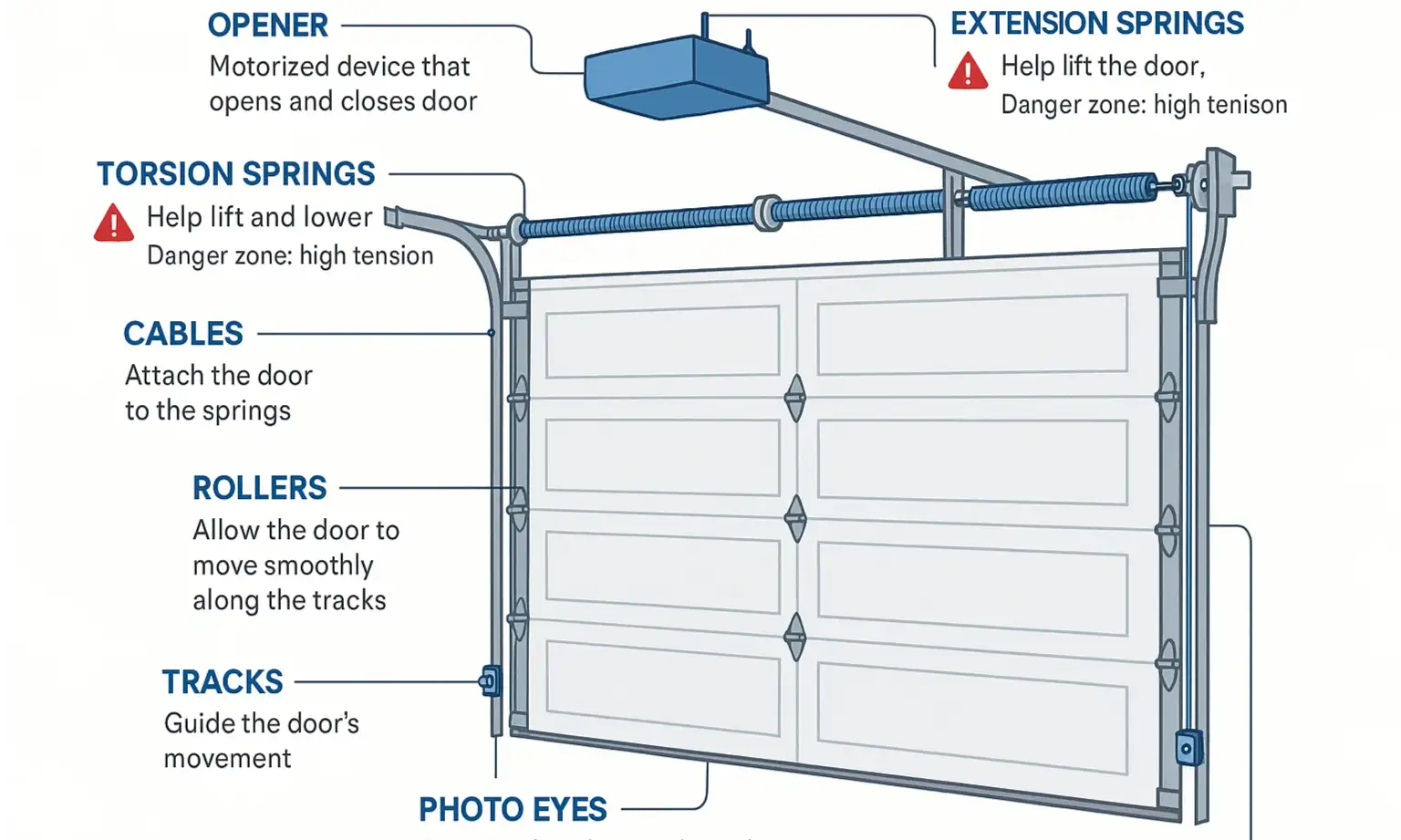
- Springs (Torsion or Extension): These are the true muscles of the system. They are wound under extreme tension to counteract the door's weight, making it light enough for the opener (and you) to lift.
- Cables: These steel cables connect the springs to the bottom of the door, transferring the lifting force.
- Rollers & Tracks: The rollers run along the metal tracks on either side of the door, guiding it up and down smoothly.
- Opener: The motorized unit that drives the door's movement. It does less heavy lifting than you'd think—that's the springs' job.
- Photo Eye Sensors: The small sensors near the floor on either side of the door. They project an invisible beam and are a critical safety feature that stops the door from closing on an obstruction.
The Homeowner's Troubleshooting Flow: From Safe & Simple to 'Call a Pro'
Now that you know the parts, let's walk through a logical, safety-first troubleshooting process. We’ll start with the easiest, no-risk checks and progressively move toward issues that require a trained garage door technician in Danbury, CT.
Level 1: The 5-Minute Fixes (Anyone Can Do This Safely)
Before assuming the worst, check these simple things. You'd be surprised how often the solution is one of these.
- Check the Power: Is the opener motor plugged into a working outlet? Sometimes vibrations can loosen the plug, or a tripped breaker is the culprit.
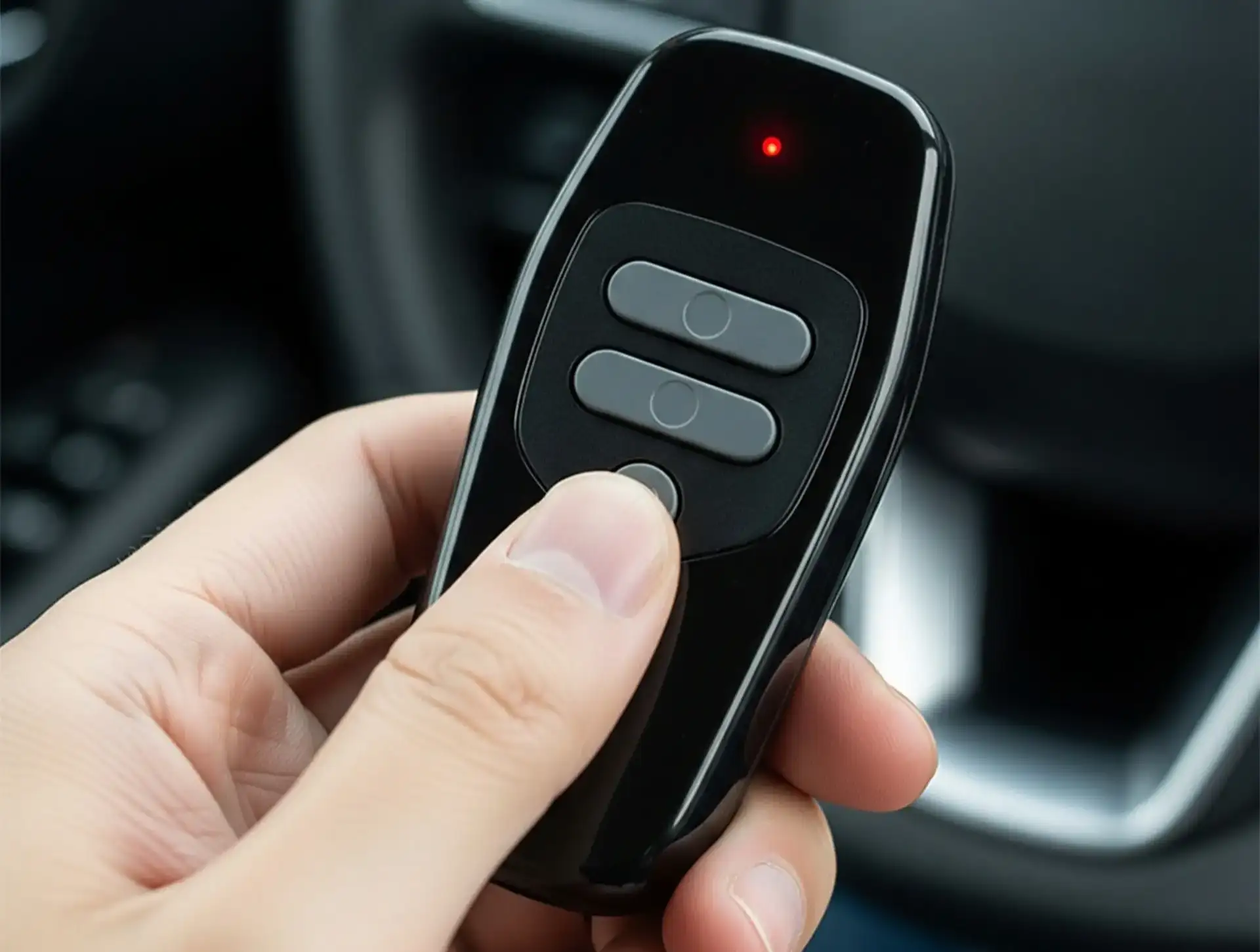
- Check the Remotes: If the wall button works but the remote doesn't, try replacing the batteries.
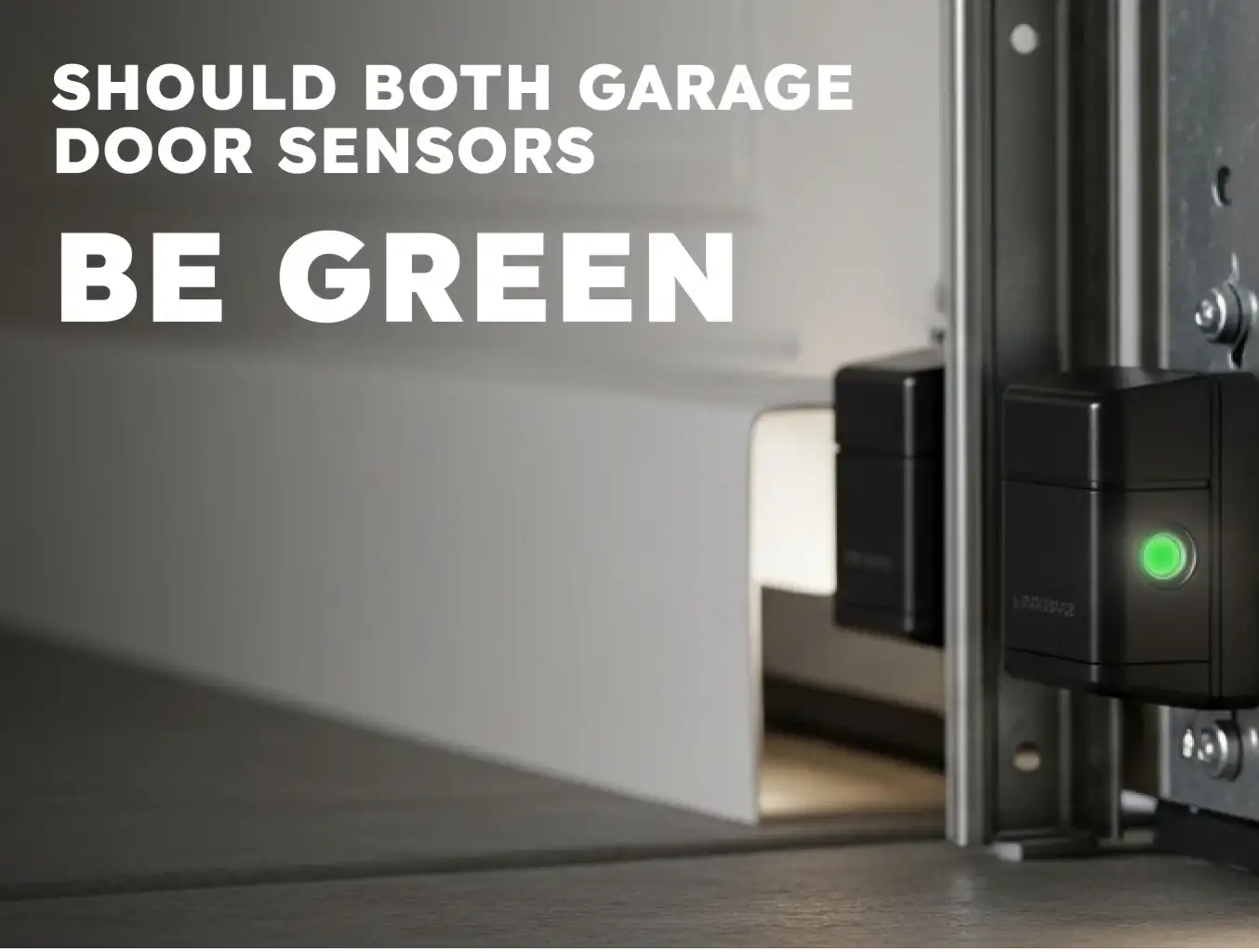
- Check the Photo Eyes: The most common issue. The sensors must be perfectly aligned to "see" each other. Look for a solid indicator light on both. If one is blinking, it's misaligned or blocked. Wipe the lenses and gently adjust them until both lights are solid.
- Check the Manual Lock: Make sure the manual slide lock on the inside of the door hasn't been accidentally engaged.
Level 2: Simple Maintenance & Adjustments (DIY with Caution)
If the 5-minute fixes don't solve it, the issue might be related to basic upkeep. Regular garage door service can prevent many of these problems from starting.
- Listen Closely: Strange noises are early warnings. A squeaking or grinding sound often means the rollers, hinges, or springs need lubrication. A rattling noise could be as simple as a loose nut or bolt that needs tightening.
- A Word of Warning: A loud "POP" or "BANG" is a serious red flag. This often signals a broken spring. Do not operate the door; proceed directly to Level 3.
Level 3: The Danger Zone (STOP – Do Not Attempt These Repairs)
This is the most important section of this guide. Some jobs carry a significant risk of serious injury or property damage if done incorrectly. These are not DIY projects.
- Broken Springs: The springs are under immense tension—enough to cause severe injury if they release uncontrollably. A broken spring is one of the most common major repairs, and handling it requires special tools and training. If you suspect a break, the safest thing to do is call for professional garage door spring repair. Understanding what really goes into the job highlights why this is a task for experts.
- Snapped or Frayed Cables: The cables carry the full weight of the door. If one snaps, the door can fall suddenly and unevenly, creating a dangerous situation.
- Door Off Its Tracks: A door that has come out of its tracks is unstable and can fall. Trying to force it back into place can cause it to collapse.
- Damaged Panels: While a dented panel might seem like a cosmetic issue, a significant garage door panel replacement can affect the balance and integrity of the entire system. Our step-by-step repair guide can give you an idea of the complexity involved.
For any of these issues, the risk isn't worth it. A 24/7 emergency garage door repair service can safely and correctly resolve the problem.
Repair or Replace? Making an Informed Decision in Danbury
When faced with a significant problem, you might wonder if it's better to repair the door or invest in a full replacement. The decision often comes down to age, the extent of the damage, and long-term costs.
For example, if you have multiple failing parts on a 15-year-old door, the garage door replacement cost may be a wiser investment than paying for repeated repairs. A modern door can also offer better insulation and security. The same logic applies to your opener; replacing an old, noisy unit with a quiet, modern smart garage door opener can be a significant quality-of-life upgrade.
Frequently Asked Questions From Danbury Homeowners
Should I repair or replace my garage door?
Consider the "50% Rule": If a repair costs more than half the price of a new door, replacement is usually the better long-term investment. Also, consider age, aesthetic appeal, and energy efficiency.
What is the life expectancy of a garage door spring?
Most standard garage door springs are rated for about 10,000 cycles (one cycle is one open and one close). For the average family, this translates to roughly 7-10 years of use.
Can I replace my garage door opener myself?
While it's possible for those with advanced DIY skills, professional garage door opener installation ensures it's done safely. Professionals can correctly set the travel limits and force settings, ensuring the safety reversal system works perfectly to protect your family and property.
Your Next Step to a Safe and Reliable Garage Door
Your garage door is the largest moving object in your home, and treating it with respect is key to keeping your home safe and functional. By using this guide, you can confidently handle minor issues and, just as importantly, recognize when a problem is too dangerous to tackle on your own.
If you’ve diagnosed a "Danger Zone" issue or simply don't feel comfortable performing a repair, don't hesitate. Reaching out to a trusted, family-run garage door company in Danbury is the fastest and safest way to get your door—and your day—back on track.
You may also like