The Maintenance Mistake Most Homeowners Make
Published: Mar 27, 2026
You have the paperwork tucked away in a file cabinet—a warranty for your new garage door, your promise of protection against defects and failures. But what if that promise has a giant loophole you don't know about? Imagine this: a few years after installation, a critical part fails. You pull out the warranty, make the call, and are met with a surprising rejection. The reason? You can't prove you’ve been taking care of the door.
It's a frustratingly common scenario. Some industry sources estimate that over 75% of warranty claims are denied due to skipped maintenance or missing documentation. That piece of paper isn't a magic shield; it's a contract. And your side of the bargain is regular, documented upkeep.
Think of your warranty not as a passive guarantee, but as an investment that requires active protection. This guide will walk you through exactly what manufacturers expect, how to keep your coverage valid, and how to ensure you're fully protected when you need it most.
Warranty 101: Understanding Your Coverage and the Risks
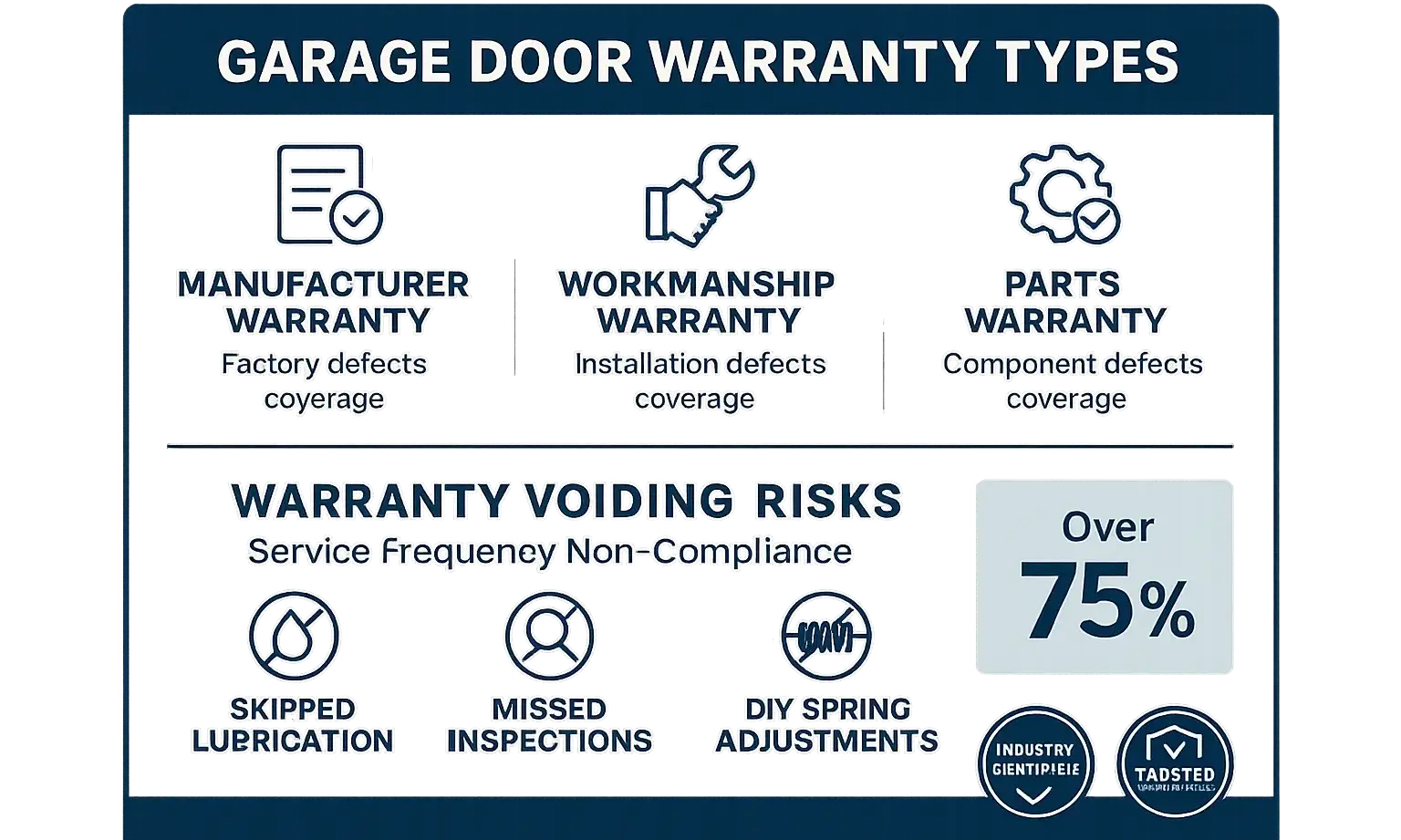
- Manufacturer's Warranty: This comes from the company that made the door and its parts (like Clopay or LiftMaster). It typically covers defects in materials and construction for specific components, such as panels against rust-through, springs for a certain number of cycles, or the opener motor for a set number of years.
- Workmanship or Installation Warranty: This is provided by the company that installed your door, like Up & Down Garage Doors. It covers issues arising from the installation process itself, ensuring that the door was installed correctly and functions properly from day one.
The Core Lesson: How to Keep Your Warranty Valid Through Service
Seasonal Maintenance Schedule & Checklist
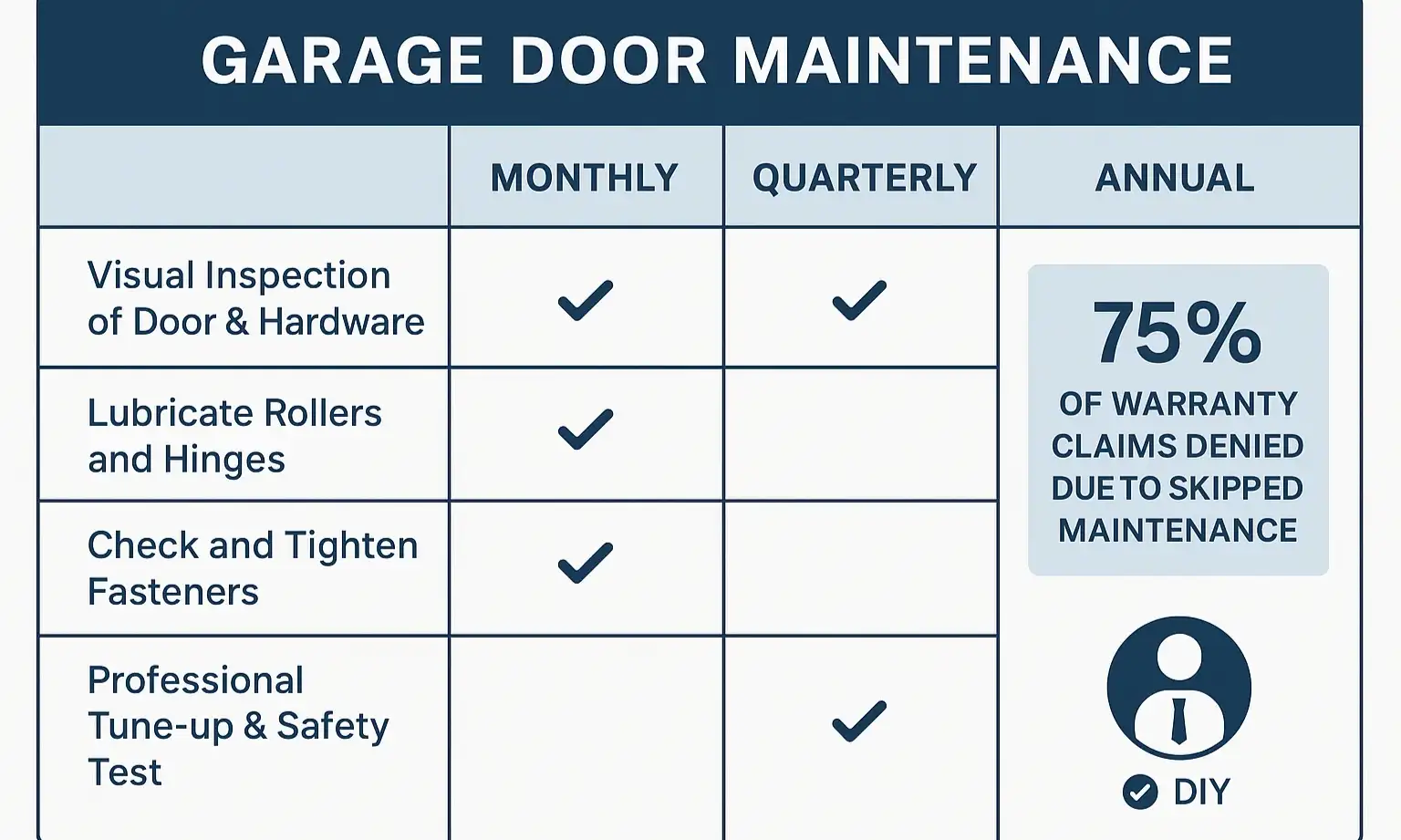
The DIY vs. Professional Divide
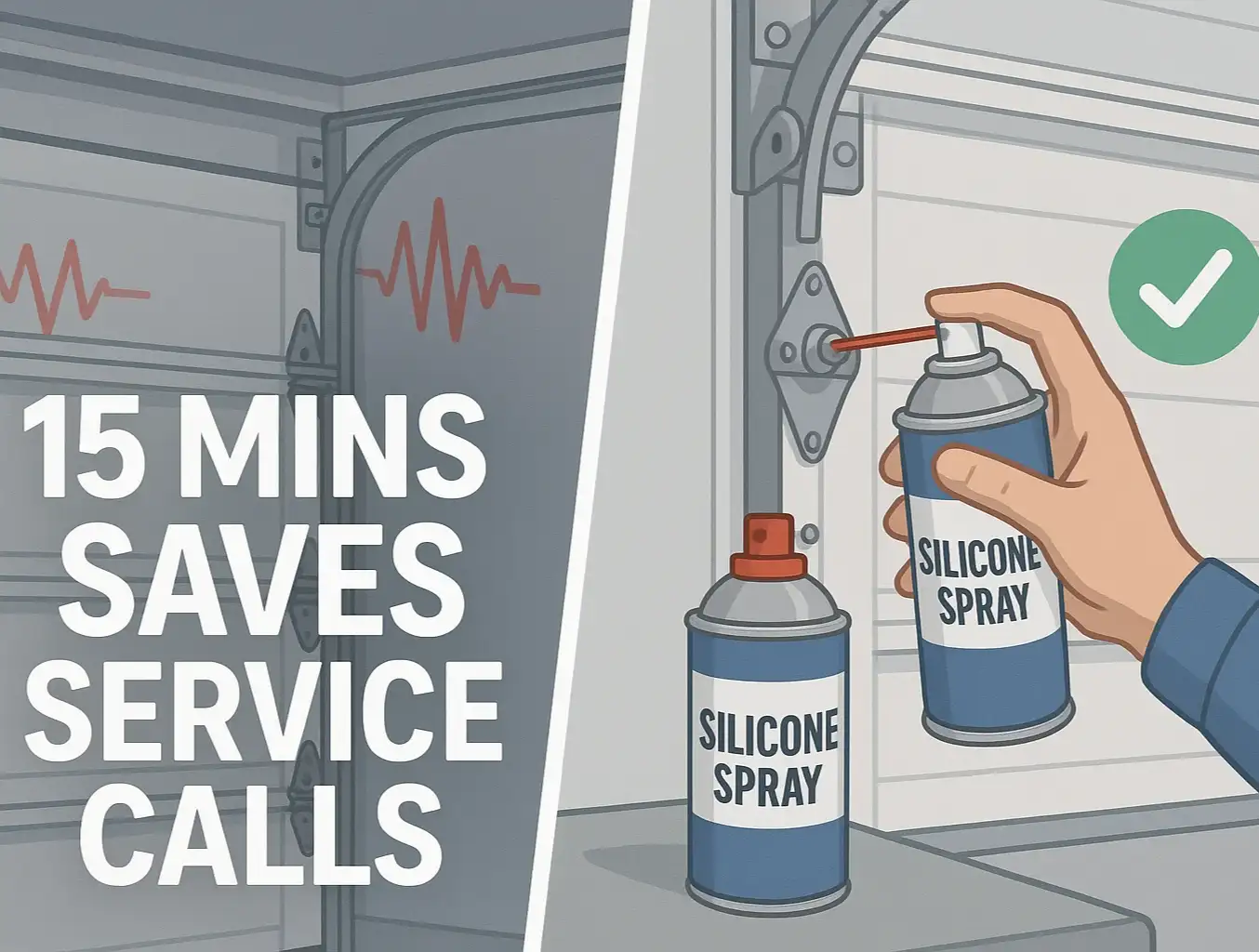
- What you can (and should) do: Visual inspections, lubrication of rollers and hinges, testing safety features, and cleaning tracks are all tasks most homeowners can handle.
- What requires a professional: Any adjustments or repairs to high-tension components, especially springs and cables, should only be performed by a trained technician. Attempting these repairs yourself is incredibly dangerous and will almost certainly void your warranty.
Mastery: Building Your "Proof Portfolio" for Claims
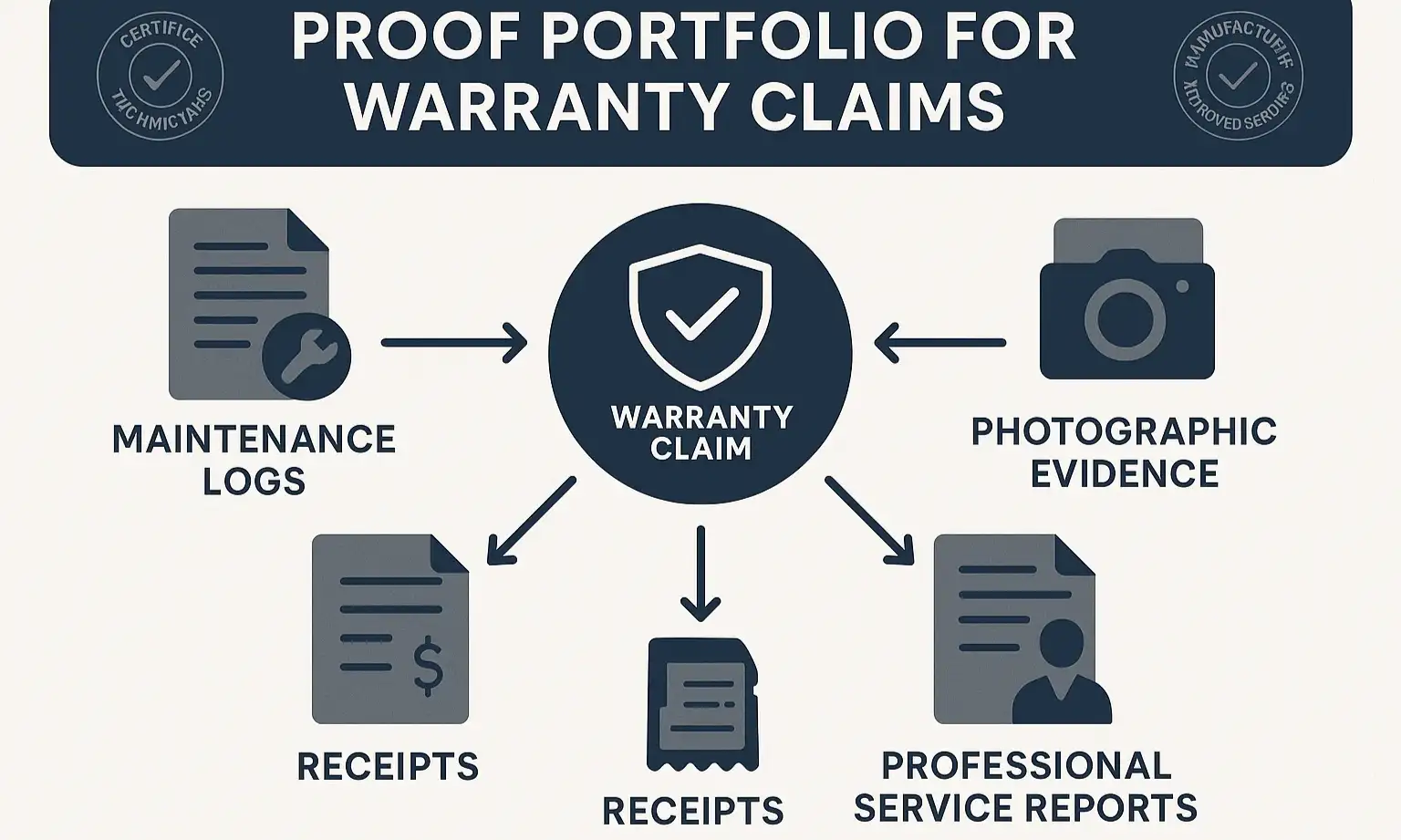
The "Proof" Portfolio
- Your Original Warranty Document: This is the contract. Keep it handy.
- A Maintenance Log: Create a simple sheet where you log the date and description of every maintenance task you perform (e.g., "Feb 15, 2024 - Lubricated all rollers and hinges.").
- Receipts and Invoices: Save every receipt from professional service calls. These are your most powerful pieces of evidence. An invoice should detail the date of service and the work performed.
- Before-and-After Photos: If you notice an issue, take a dated photo before calling for service and after it's been repaired. This can help demonstrate that the issue was not due to neglect.
What to Do If Your Claim Is Denied
Need more information?
Get a free quote
Your Action Plan for Warranty Protection
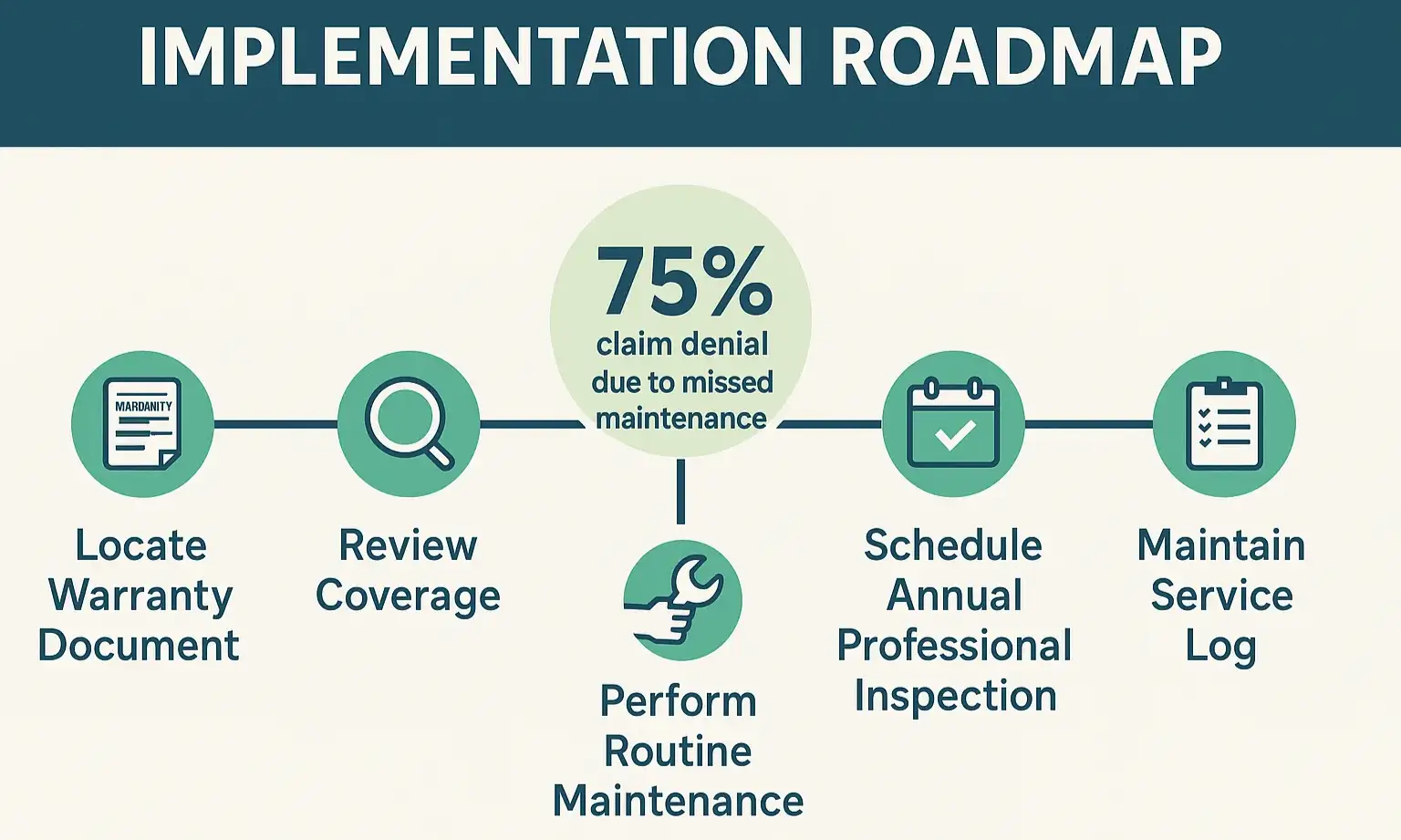
- Find and Read Your Warranty: Locate the document you received during your garage door installation. Read it carefully and highlight the section on required maintenance. Note any specific requirements or exclusions.
- Start Your Maintenance Log: Create your "Proof Portfolio" today. Start a log and schedule your first DIY inspection for this weekend.
- Schedule a Professional Tune-Up: If it's been over a year since your door was installed or last serviced, schedule a professional tune-up. This sets a great baseline and gives you your first critical piece of documentation. And if a problem ever arises that stops your door from functioning, calling for emergency garage door repair from a reputable company ensures the work is done right and properly documented.
Frequently Asked Questions About Garage Door Warranties
What is a garage door warranty?
How long does a warranty typically last?
Are parts like springs and openers covered?
Is the installation itself covered by a warranty?
Can I do maintenance myself without voiding the warranty?
You may also like