Extend the Life of Your Houston Garage Door with Proper Care
Published: Feb 16, 2026
It’s a sound every homeowner dreads. That sudden, violent BANG! from the garage that makes you jump. Or maybe it’s a slow, agonizing grind that’s been getting worse for weeks. Your garage door, the largest moving object in your home, is trying to tell you something.
Let’s be honest—most of us don’t think about our garage doors until they stop working. But understanding what’s happening behind the scenes can save you from stress, unexpected costs, and even dangerous situations.
Think of this as your friendly, over-the-coffee guide. We’ll translate the jargon, help you diagnose those strange noises, and give you the confidence to know when you can tackle a small task and when it’s absolutely time to call a professional in Houston.
Your Garage Door in 60 Seconds: The Key Players
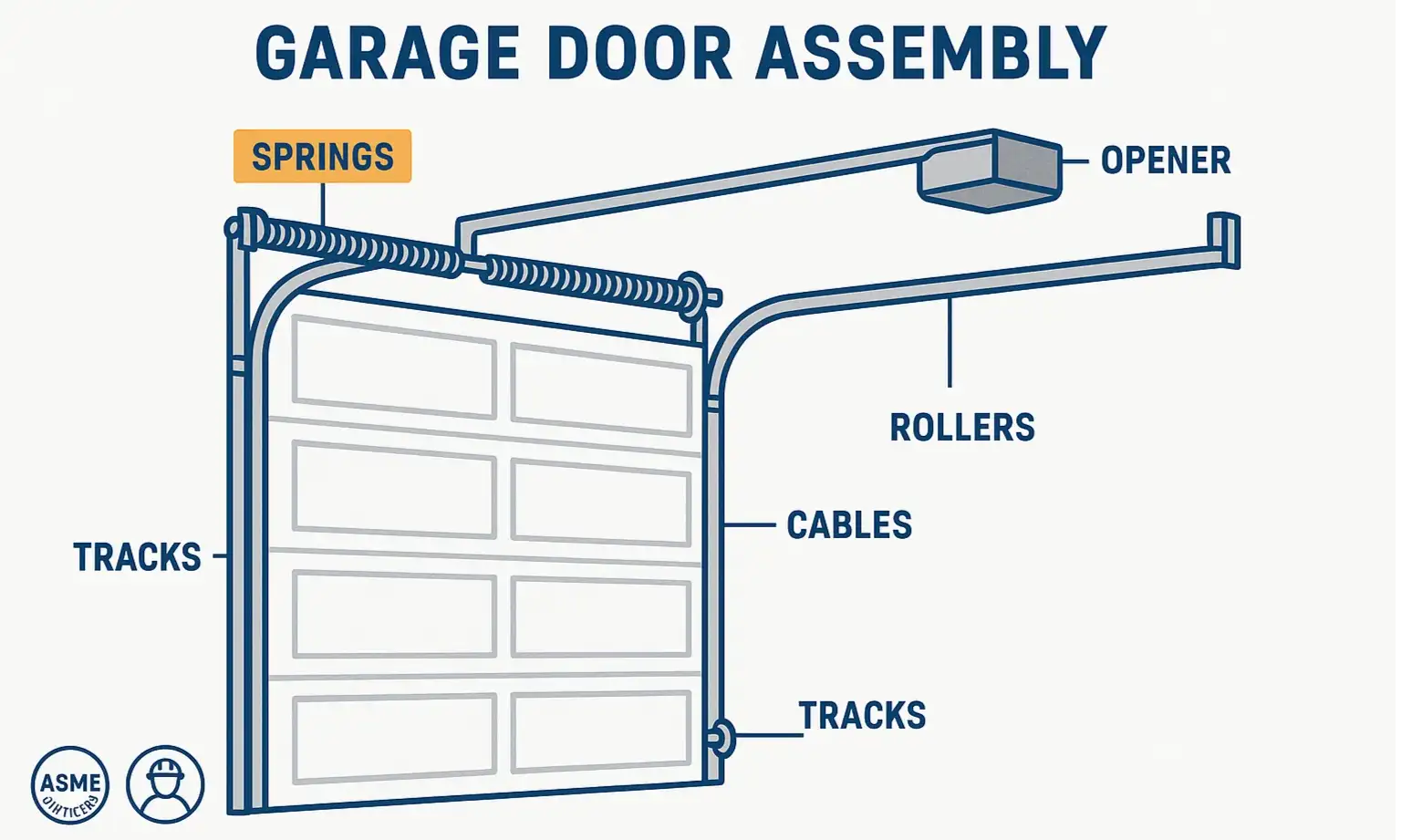
- Torsion Springs: The powerhouse of the system. These tightly wound coils are mounted above the door and do the heavy lifting. They are under extreme tension and are the most dangerous part of the door.
- The Opener: The motorized unit that automates the lifting. While people often blame the opener, it’s usually just guiding the door—the springs are doing the real work.
- Rollers & Tracks: The wheels (rollers) run along a metal path (tracks) on either side of your door, guiding it up and down smoothly.
- Cables: These steel cables connect the spring system to the bottom of the door, helping to pull it up. Like springs, they are also under high tension.
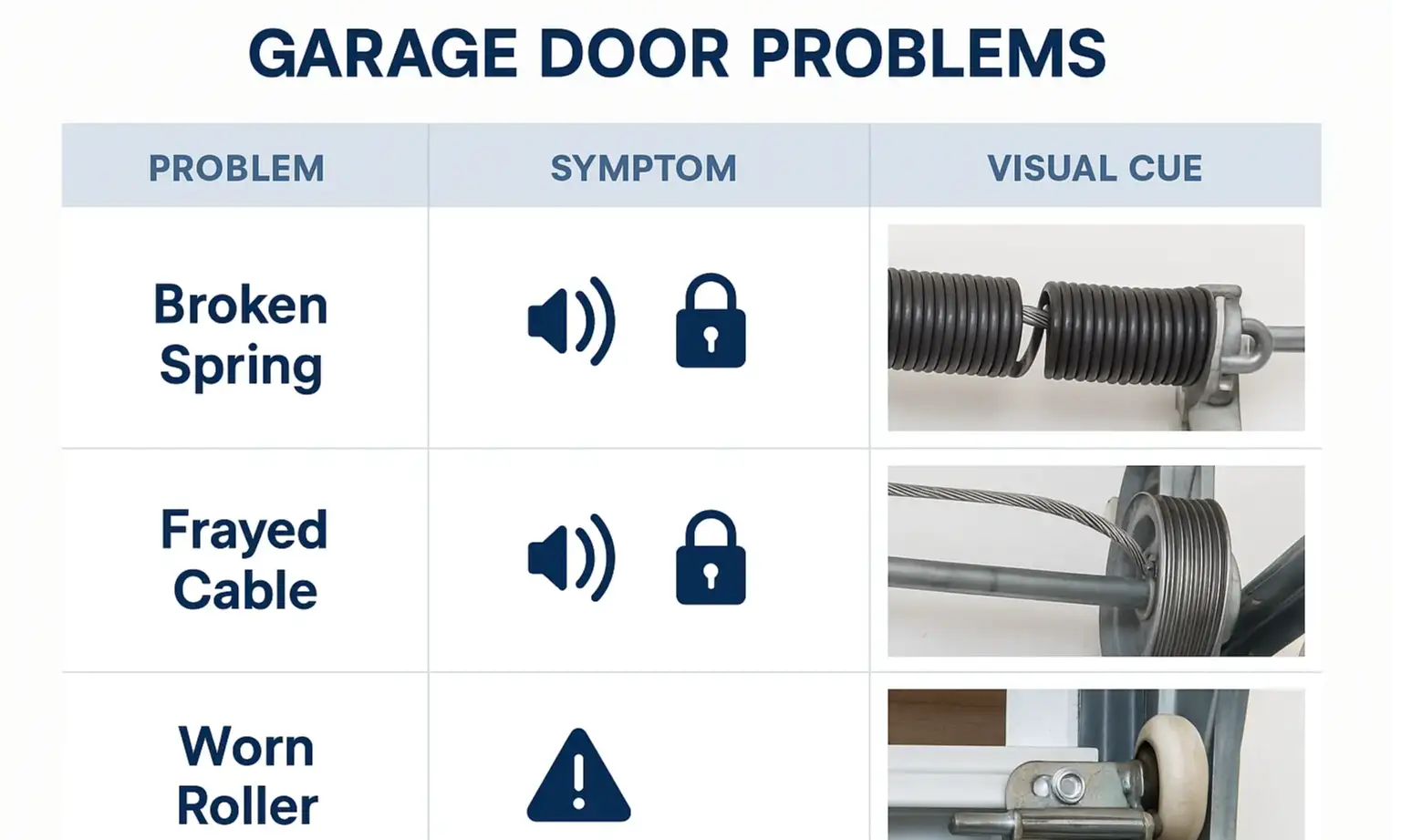
The Homeowner's Diagnostic Chart: What's Your Garage Door Saying?
Symptom #1: A Loud "BANG!" Followed by Silence
Symptom #2: Grinding, Squealing, or Scraping Noises
Symptom #3: The Door Won't Open or Close (or Reverses Mysteriously)
Symptom #4: The Door Looks Crooked or Comes Off the Track
The Big Question: Should You DIY or Call a Houston Pro?
Your 10-Minute Annual Tune-Up: A Houston Homeowner's Checklist
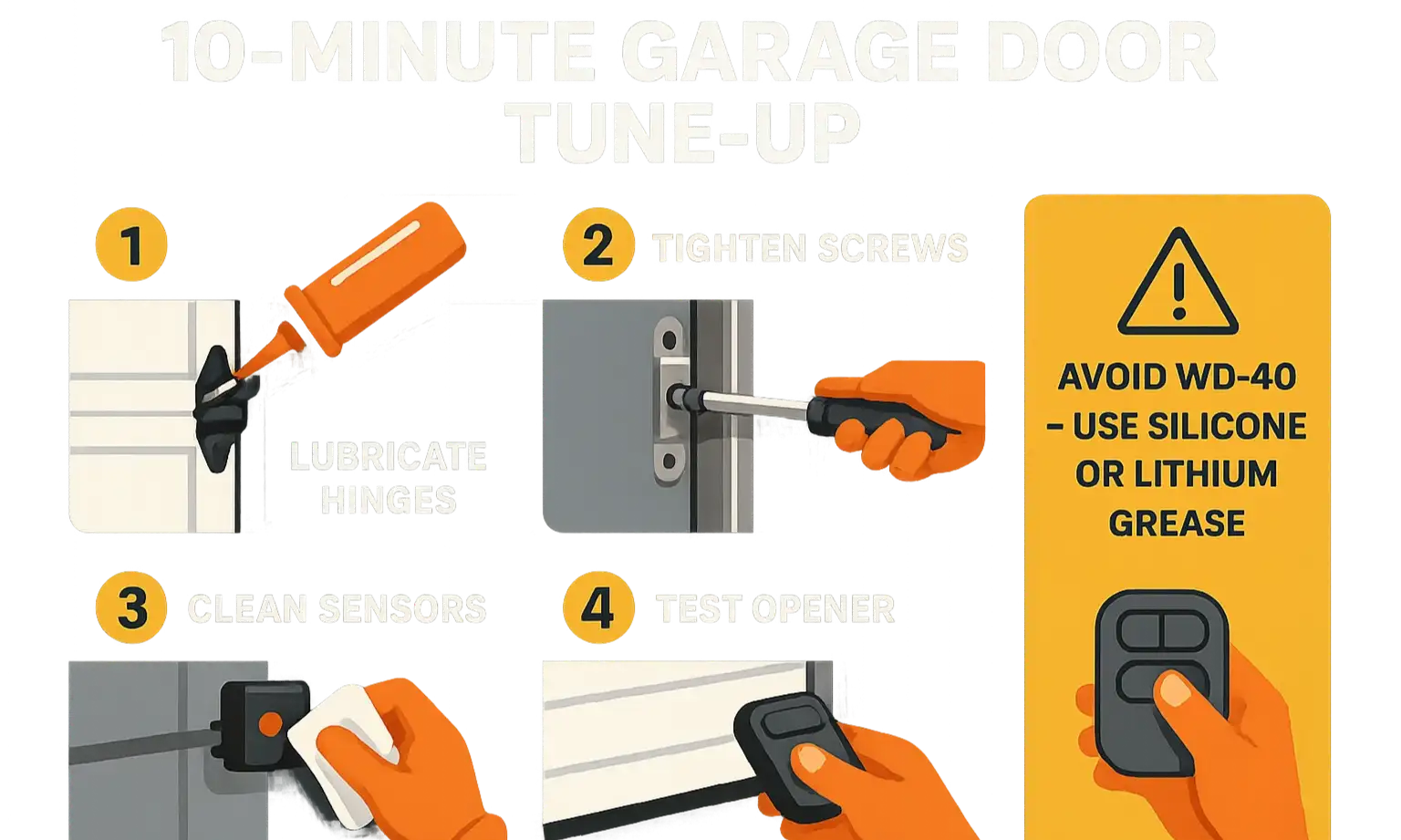
- Look and Listen: Open and close the door while watching it carefully. Does it move smoothly? Do you see any frayed cables or rusty parts? Listen for any new noises.
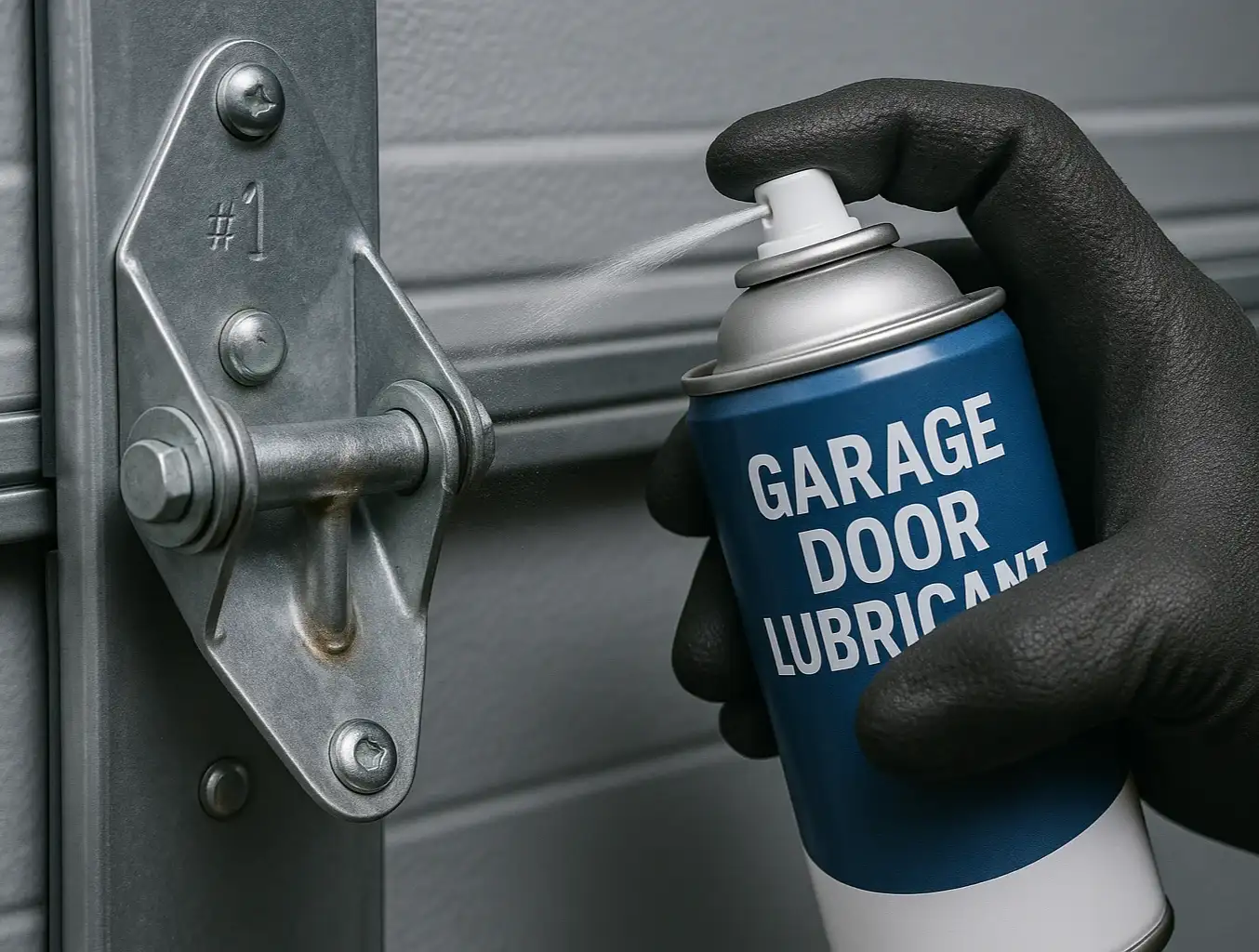
- Lubricate Moving Parts (The Right Way): Use a garage door-specific lubricant (silicone or white lithium grease) to spray hinges, rollers (just the stems, not the track itself), and the spring.
- Clean the Photo-Eye Sensors: Wipe the lenses of your safety sensors with a soft cloth to ensure nothing is obstructing their beam.
- Test the Door Balance: With the door closed, pull the red emergency release cord. You should now be able to lift the door manually with moderate effort. If it feels extremely heavy or flies up on its own, your springs are out of balance and need professional adjustment.
Need more information?
Get a free quote
Frequently Asked Questions About Houston Garage Doors
Is it better to repair or replace my garage door?
How often should my garage door be serviced?
What's the best lubricant for Houston's humid climate?
Can you fix just one bent panel?
Ready for the Next Step?
You may also like