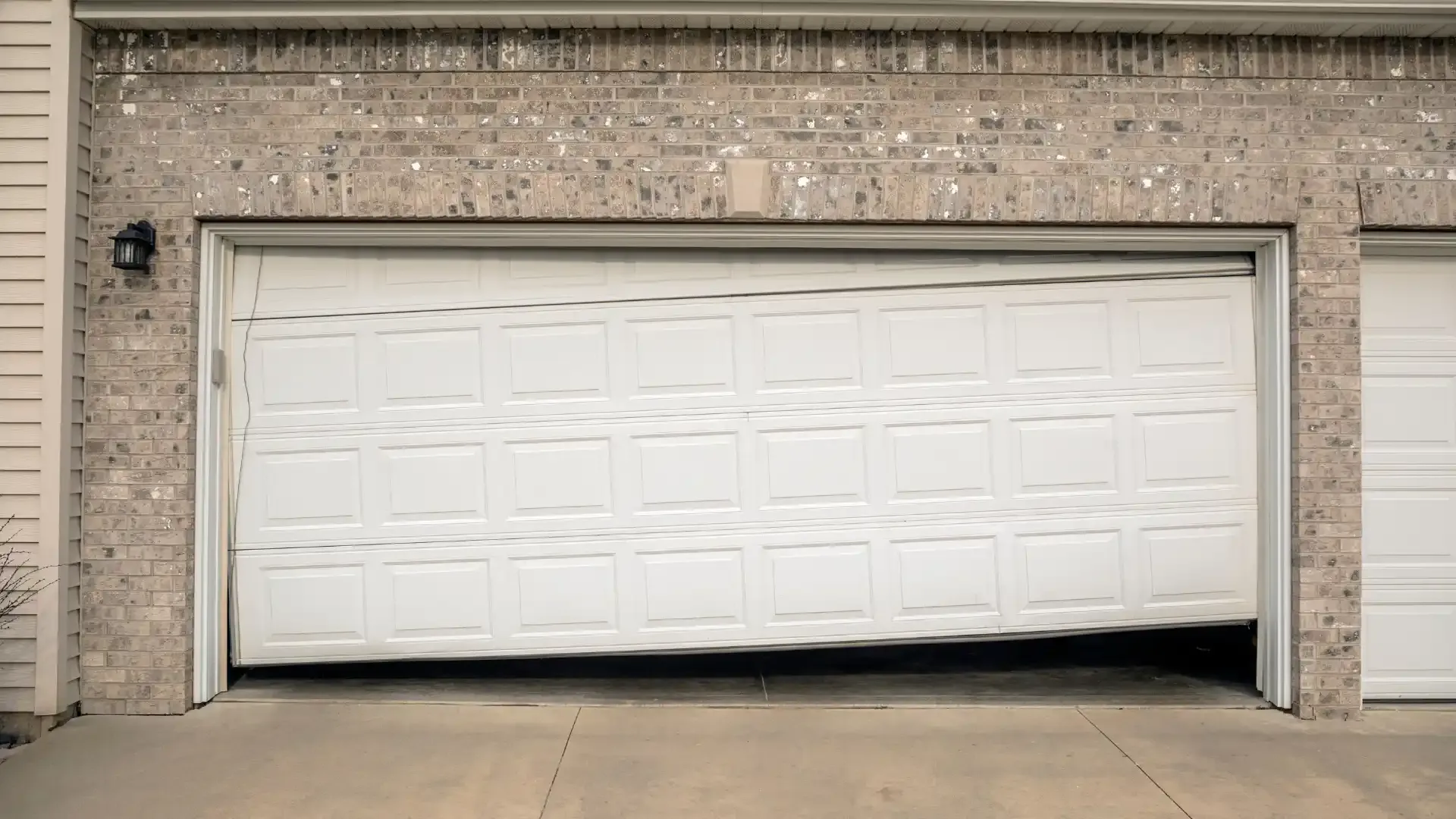
How Garage Door Flood Vents Help Reduce Flood Damage
Published: Jan 20, 2026
Living in a flood-prone area means your home or building is constantly at risk from rising water levels. Installing garage door flood vents is a simple yet effective way to reduce structural damage during a flood. These systems allow water to flow in and out of your garage, helping equalize pressure and protect the foundation. In this guide, Up & Down Garage Doors explains how flood vents for garages work, what types exist, and why they’re worth the investment.
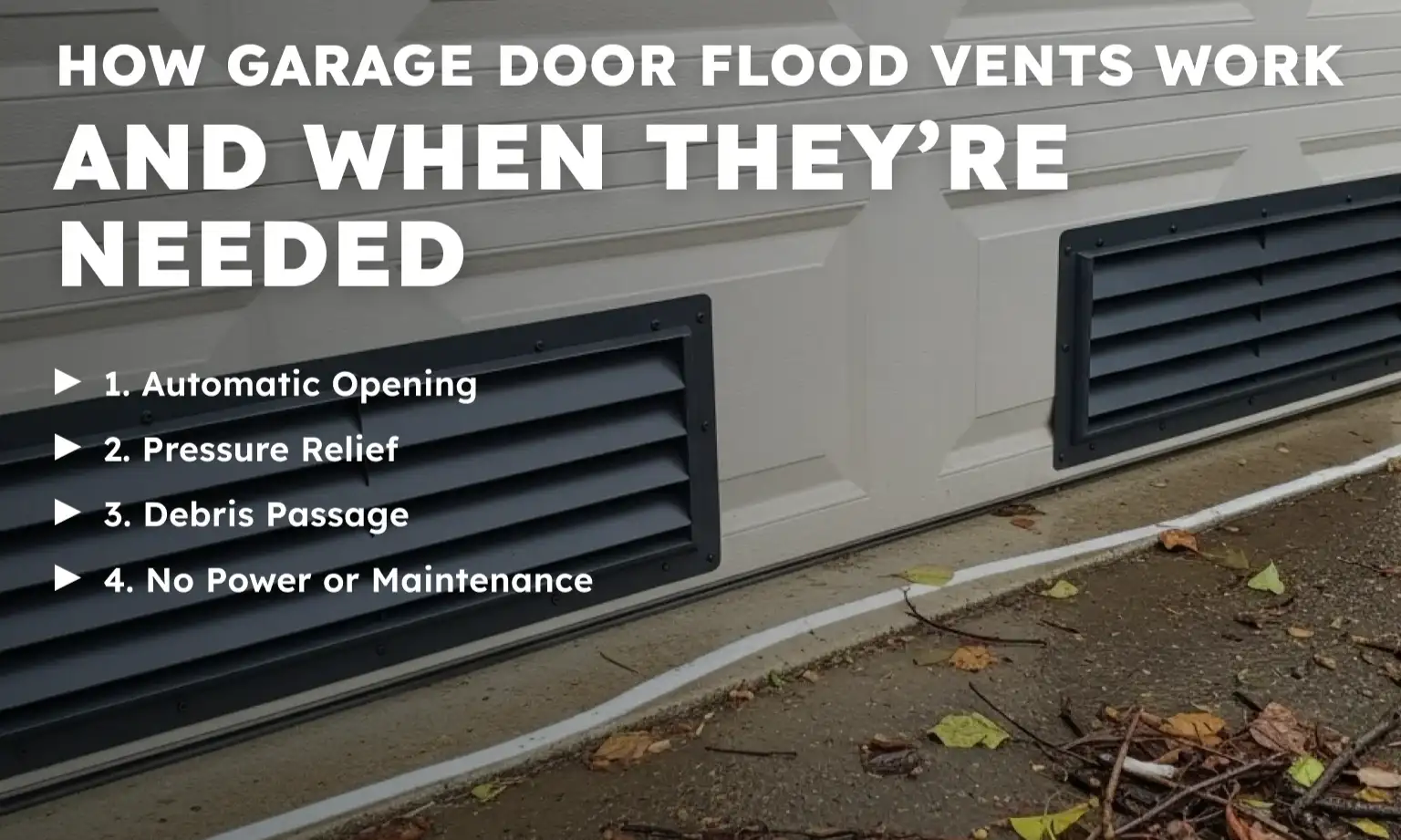
How Garage Door Flood Vents Work and When They’re Needed
Garage door flood vents are engineered openings installed at the bottom of your garage to let floodwater pass freely through the space. This prevents pressure buildup that can crack walls or foundations. If you live in a flood-prone area, it’s worth knowing how extreme weather affects your garage door and why protective features like vents matter.
1. Automatic Opening
Smart flood vents stay closed in dry conditions. As water rises, built-in floats trigger the vent to open automatically — no manual input or electricity needed.
2. Pressure Relief
By allowing water to flow in and out, the vents reduce hydrostatic pressure that can lead to cracked foundations or wall failure.
3. Debris Passage
Garage door vents are built to allow small debris to pass through, helping prevent dangerous blockages during severe weather.
4. No Power or Maintenance
These garage door flood vents work independently of electricity and don’t require regular upkeep — making them reliable during emergencies.
Top Types of Garage Door Flood Vents to Consider
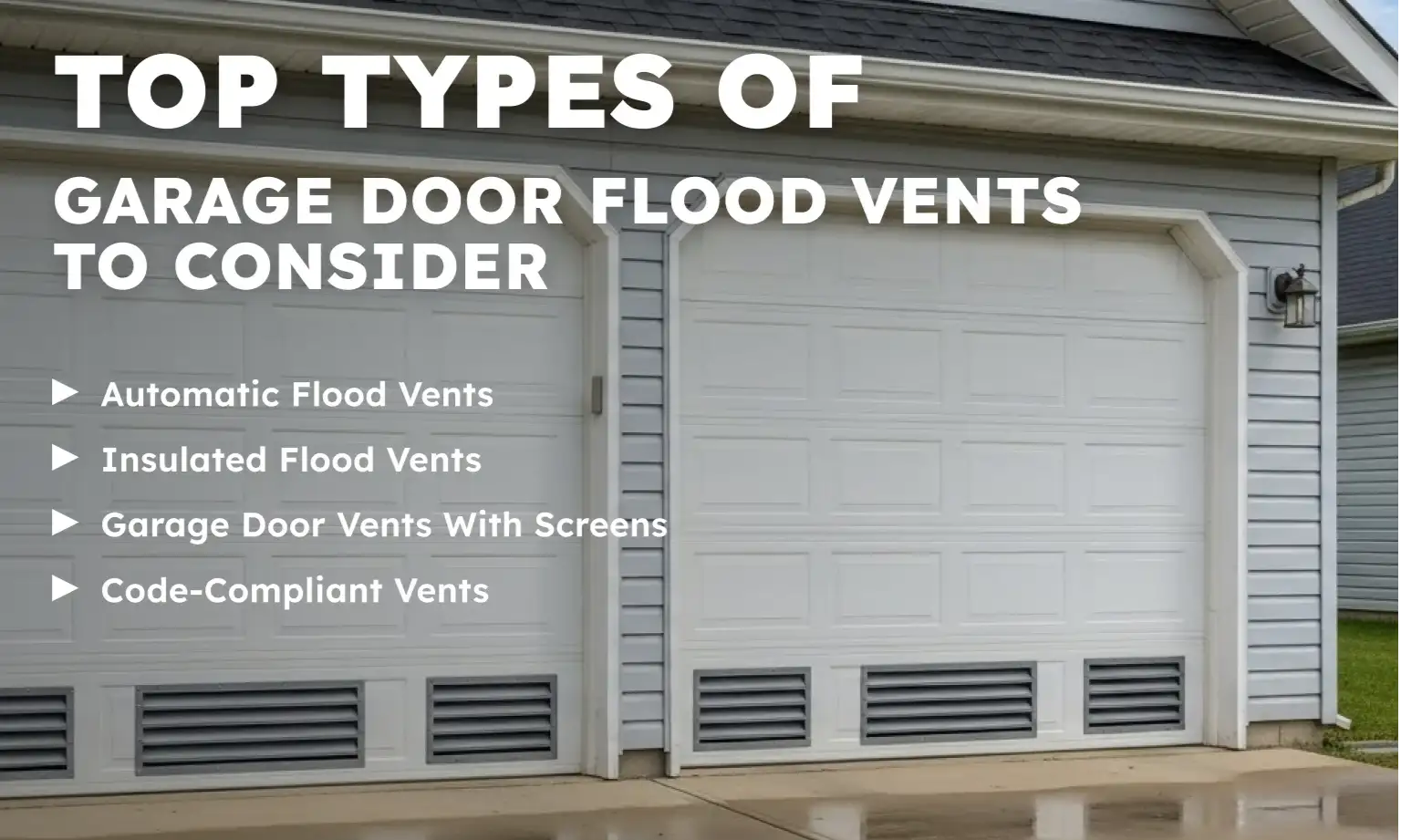
Automatic Flood Vents
These vents open on their own when floodwater reaches a certain level — no electricity or manual effort needed. Many of today’s models are smart flood vents, using internal floats and, in some cases, wireless sensors or indicators to monitor performance.
Insulated Flood Vents
Insulated flood vents help garages maintain energy efficiency during normal weather while still protecting against flooding. They remain tightly sealed until water pressure triggers them to open.
Garage Door Vents With Screens
Garage door vents with screens are designed to block out pests and debris while still allowing water to pass freely. They’re a good option for areas prone to insects or floating debris.
Code-Compliant Vents
The best garage door flood vents meet FEMA and ICC-ES regulations, which is crucial if you live in a flood zone or want to qualify for flood insurance.
Key Benefits of Installing Garage Door Flood Vents
1. Reduced Structural Damage
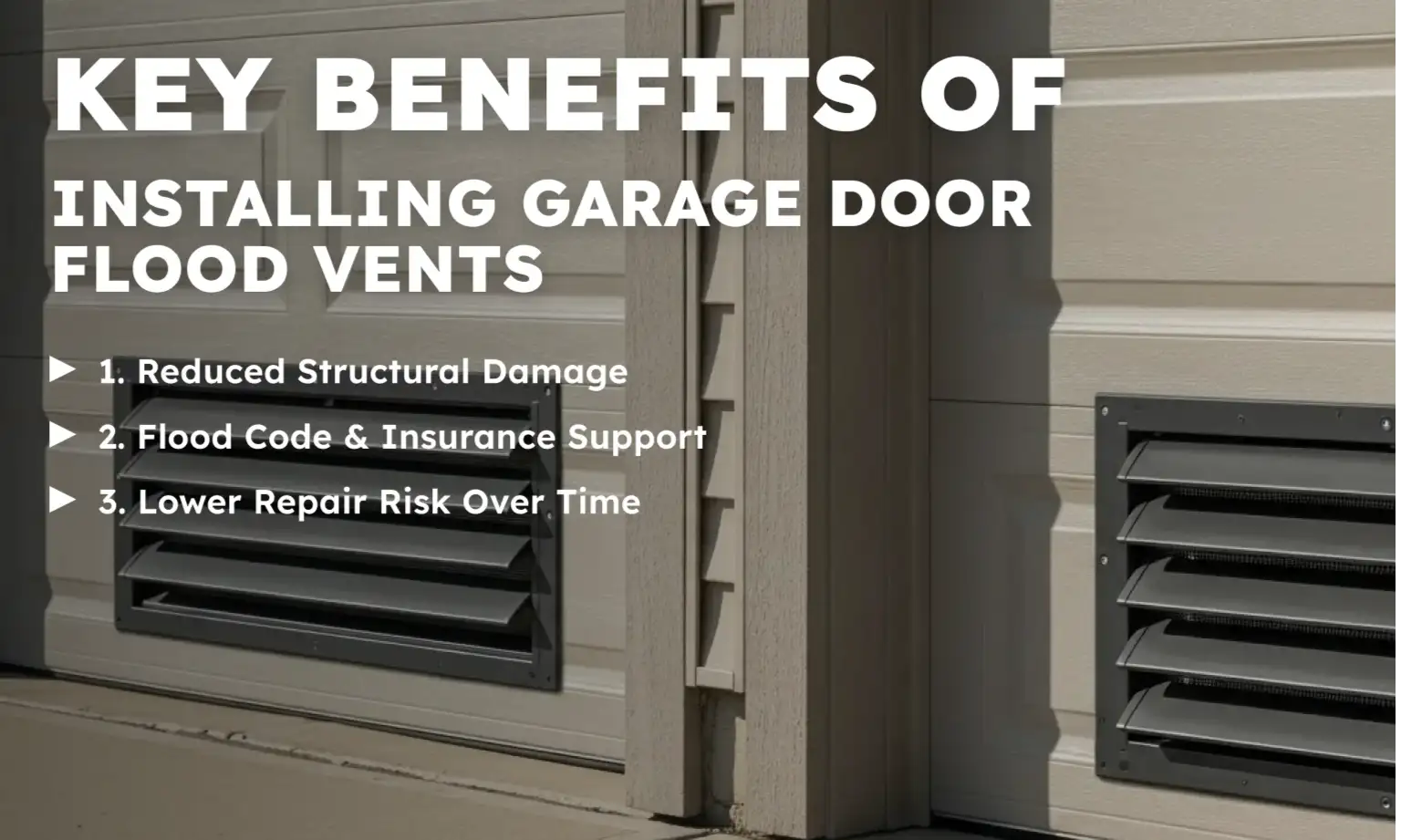
By relieving pressure, garage door flood vents help prevent foundation cracks, wall movement, and garage door failure.
2. Flood Code & Insurance Support
Installing approved garage flood vents may help meet local code requirements and lower flood insurance premiums.
3. Lower Repair Risk Over Time
Flood exposure often leads to hidden issues. Knowing how to spot early signs of garage door damage can help prevent costly repairs down the line.
Extra Tips to Prevent Garage Flood Damage
Tip 1: Seal Garage Door Gaps
Flood vents work best when paired with proper sealing. Small openings around the door can let in water during minor flooding. Sealing garage door gaps help reduce water intrusion as well as improving insulation year-round.
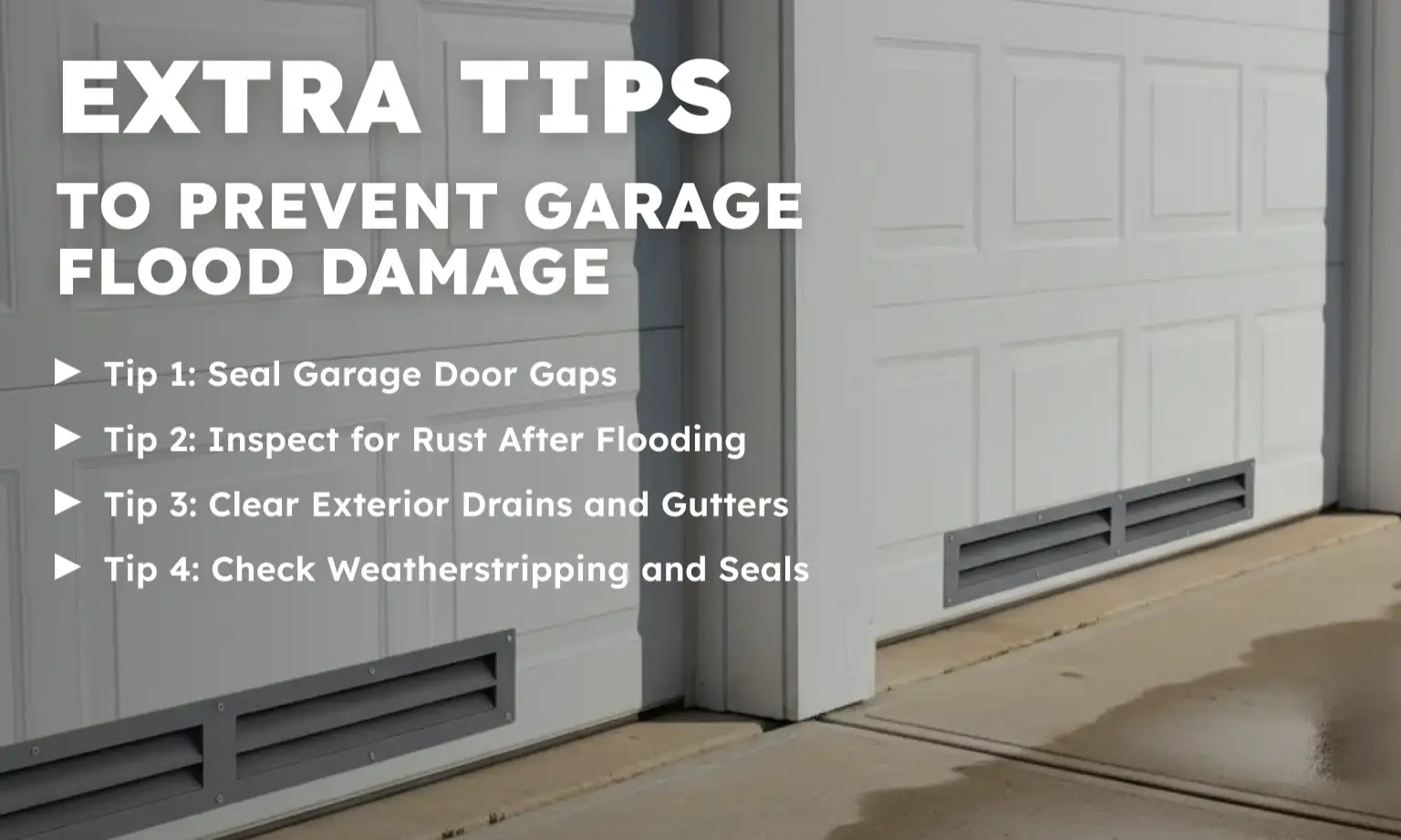
Tip 2: Inspect for Rust After Flooding
Standing water or moisture can quickly cause rust to form on your garage door. If you notice signs of corrosion, it’s important to remove garage door rust caused by flooding early to prevent structural damage.
Tip 3: Clear Exterior Drains and Gutters
Make sure surrounding drains, gutters, and landscape grading guide water away from your garage. Clogged or poorly designed drainage increases your flood risk — even with vents installed.
Tip 4: Check Weatherstripping and Seals
Inspect the bottom seal and side weatherstripping for cracks or wear. Replacing them can stop water from entering during heavy rainfall or light flooding.
Need more information?
Get a free quote
Garage Flood Protection Made Easy With Up & Down Garage Doors
Installing garage door flood vents is one of the simplest, most effective ways to minimize flood damage and protect your garage from long-term structural issues. When combined with proper sealing and ongoing maintenance, they offer dependable, low-effort protection for years to come. If your garage has already experienced flooding or visible wear, scheduling a professional garage door repair is a smart first step. From there, the team at Up & Down Garage Doors can help you seal gaps, install code-compliant flood vents, and explore additional solutions tailored to your property and region.
Ready to protect your garage the right way? Reach out today — we’re here to help you prepare before the next storm hits.
Frequently Asked Questions
How many flood vents do I need?
The number depends on your garage size and local code requirements. In general, guidelines call for one square inch of vent opening per square foot of enclosed space.
Do garage door flood vents require electricity?
No. Garage door flood vents operate automatically using internal floats and do not need power.
Can flood vents be installed on an existing garage?
Yes. Many flood vents for garages are designed for retrofit installation without major structural changes.
Are smart flood vents always open?
No. Smart flood vents remain closed during normal conditions and open only when floodwater is detected.
Do flood vents affect insulation?
Not if you use insulated flood vents, which remain sealed during normal conditions and open only during a flood.
You may also like