Your Guide to a Flawless Garage Door Finish
Published: Jan 28, 2026
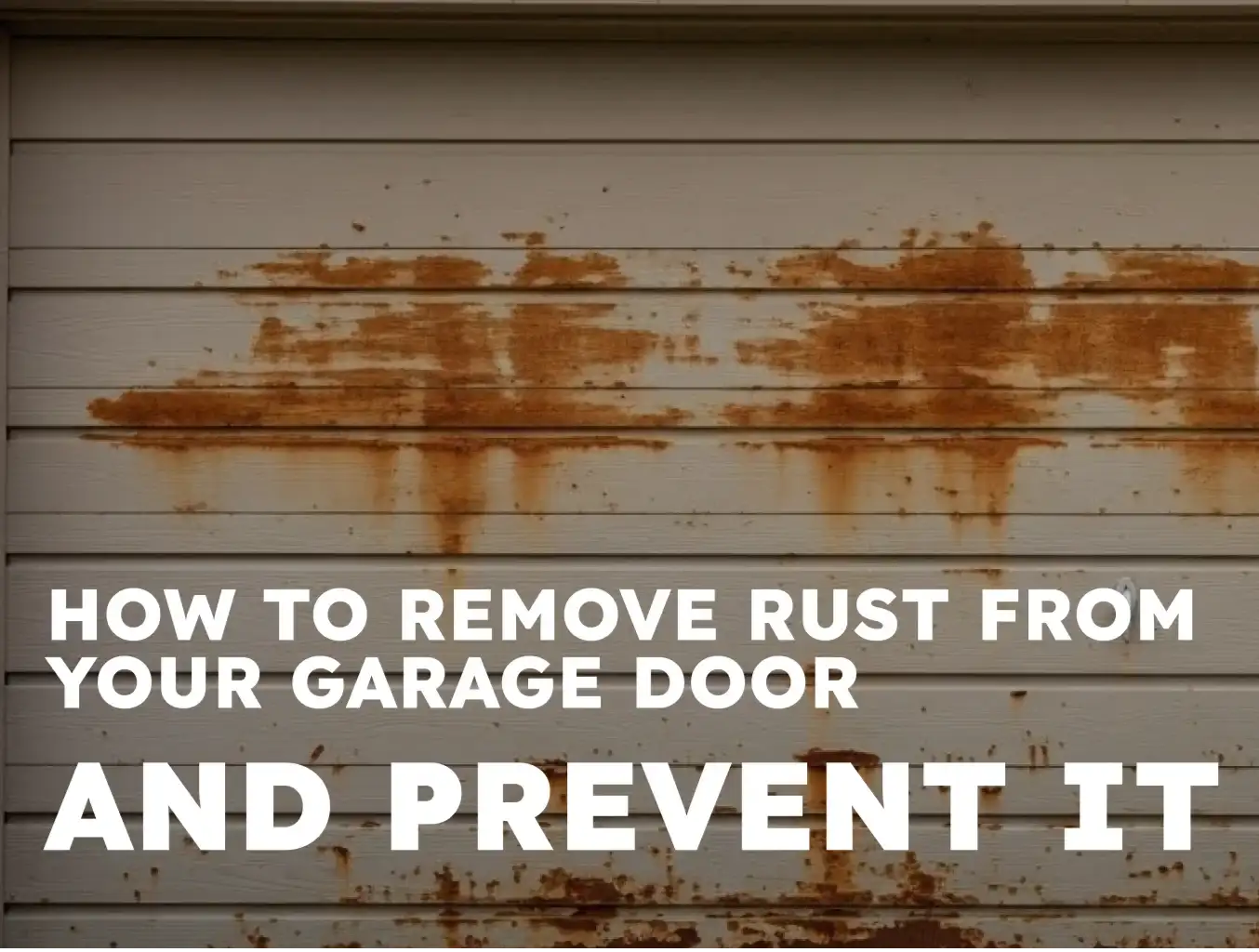
You’ve seen it. That creeping orange-brown stain, starting at the bottom corners and slowly working its way up. Your first thought might be, “I’ll just grab a can of paint and cover it up.” It’s a tempting shortcut, a seemingly easy fix to restore your home’s curb appeal.
But here’s a hard truth: painting over rust is like building a house on sand. It might look good for a few months, but peeling, blistering, and an even worse rust problem are inevitable. The real secret to a durable, factory-fresh finish isn’t in the painting—it’s in the preparation.
This guide will walk you through the why and how of properly prepping and painting a rusted garage door. We’ll go beyond the basic steps to give you the "aha moments" that turn a frustrating chore into a rewarding project with results that last for years.
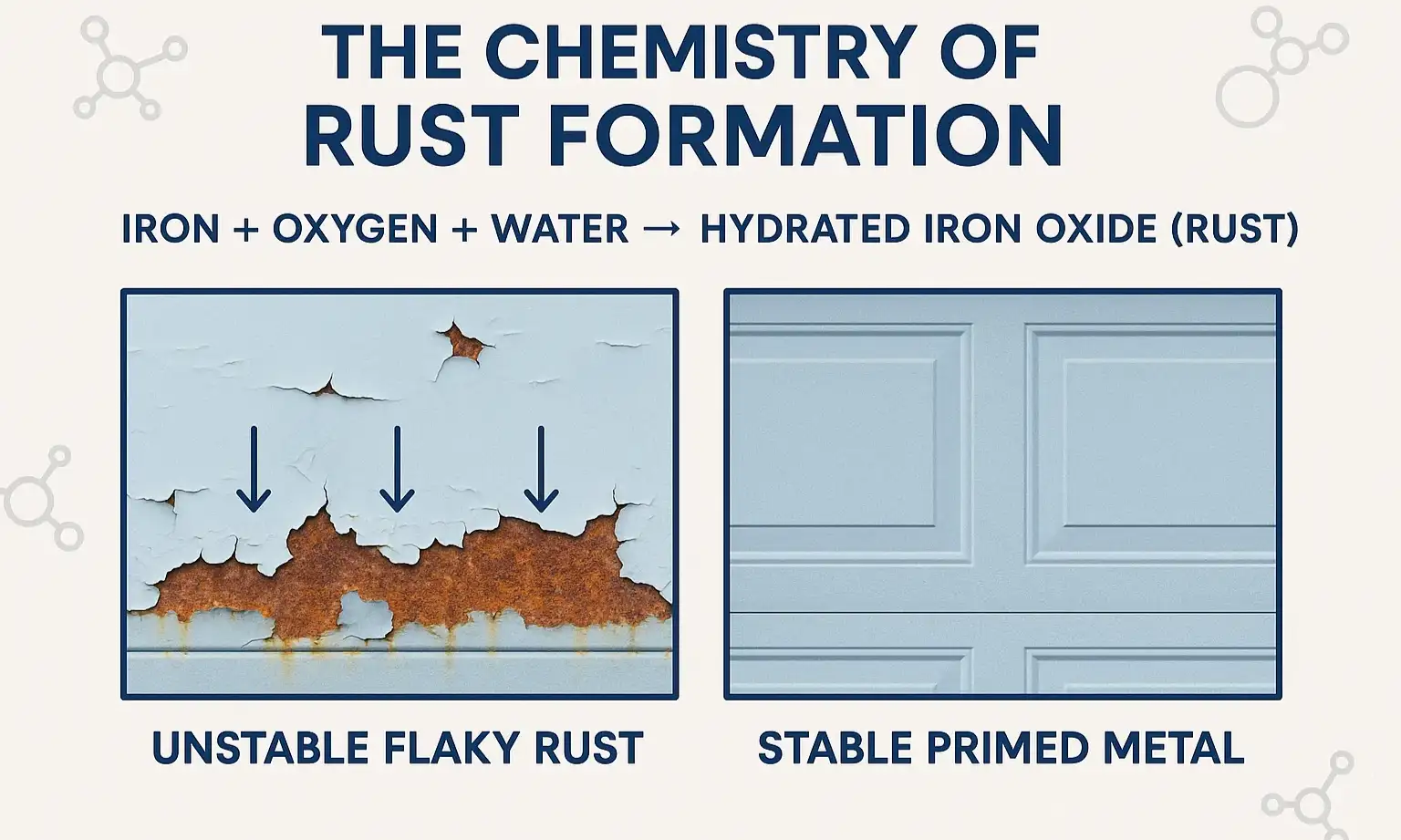
Foundation: Understanding Your Enemy - A 60-Second Guide to Rust
Building: The 5-Step Prep Process for Maximum Durability
Step 1: Clean & Degrease (The Non-Negotiable First Step)
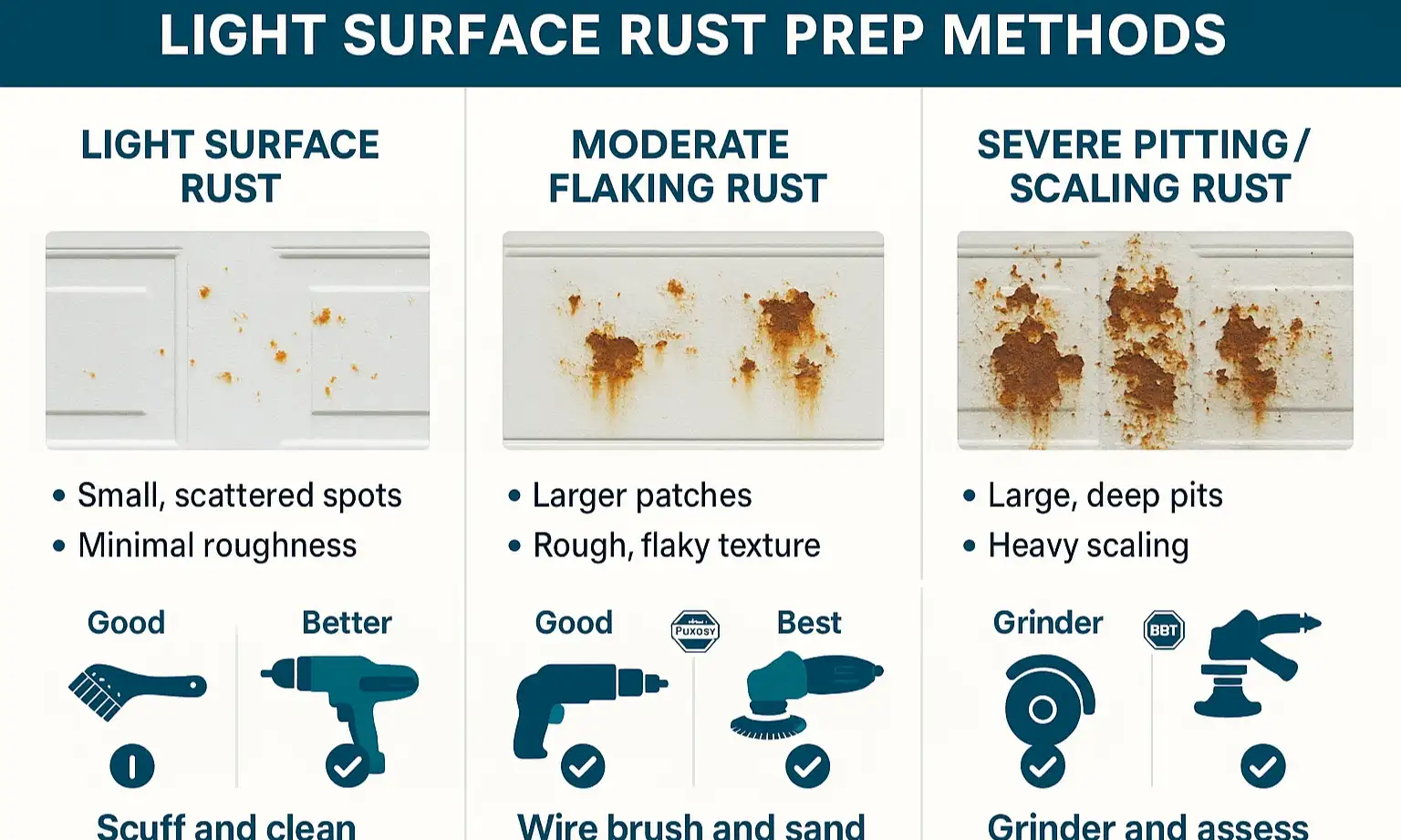
Step 2: Remove Loose Rust (Choosing Your Weapon)
- Good: For light rust, a stiff-bristled wire brush and a paint scraper will do the trick.
- Better: For moderate rust, a wire wheel or sanding flap disc attached to a power drill will save you significant time and effort. Start with a coarse grit (like 80-grit) to power through the rust.
- Best: For severe scaling rust, an angle grinder with a wire wheel or grinding disc is the most effective tool. Warning: Always wear safety glasses and gloves during this step, as rust particles and metal filings will be flying.
Step 3: Treat Remaining Rust (The Critical Choice)
- What it is: A specialized primer that seals the prepared metal surface from moisture and oxygen, preventing new rust from forming. It doesn't convert existing rust.
- When to use it: Best for light surface rust after you’ve sanded down to mostly bare, clean metal. It's the go-to choice if you've successfully removed almost all visible rust.
- The "Aha Moment": A converter treats existing rust. A primer prevents future rust. For heavily rusted doors, the best practice is often to use both: treat the pitted spots with a converter, then apply a coat of rust-inhibiting primer over the entire door. Learning how to remove rust from a garage door effectively is key before this step.
Step 4: Feather & Smooth
Step 5: Final Clean & Masking
- What to do: Wipe down the entire door with a rag dampened with mineral spirits or denatured alcohol. This removes all the fine dust from sanding. Let it dry completely. Then, use painter’s tape to mask off the weather stripping, handles, windows, and trim.
- Why it matters: Any remaining dust will mix with your primer and paint, creating a gritty texture and preventing proper adhesion.
Mastery: The Professional's Painting Technique
- Prime Everything: Apply one to two thin coats of a high-quality, rust-inhibiting metal primer over the entire door, not just the repaired spots. This ensures a uniform surface and provides the ultimate defense against future rust.
- Choose Your Topcoat: Use a high-quality exterior paint designed for metal. Acrylic latex paints are an excellent choice for their durability and flexibility.
- Application is Key: For a smooth, factory-like finish, spraying is the best method. If you don't have a sprayer, use a high-density foam roller for the flat panels and a brush for the crevices and details. Apply two thin topcoats, allowing for proper drying time between each as specified by the manufacturer. Our detailed guide on how to paint a garage door offers more advanced techniques.
Action: Your Project Checklist & Long-Term Prevention
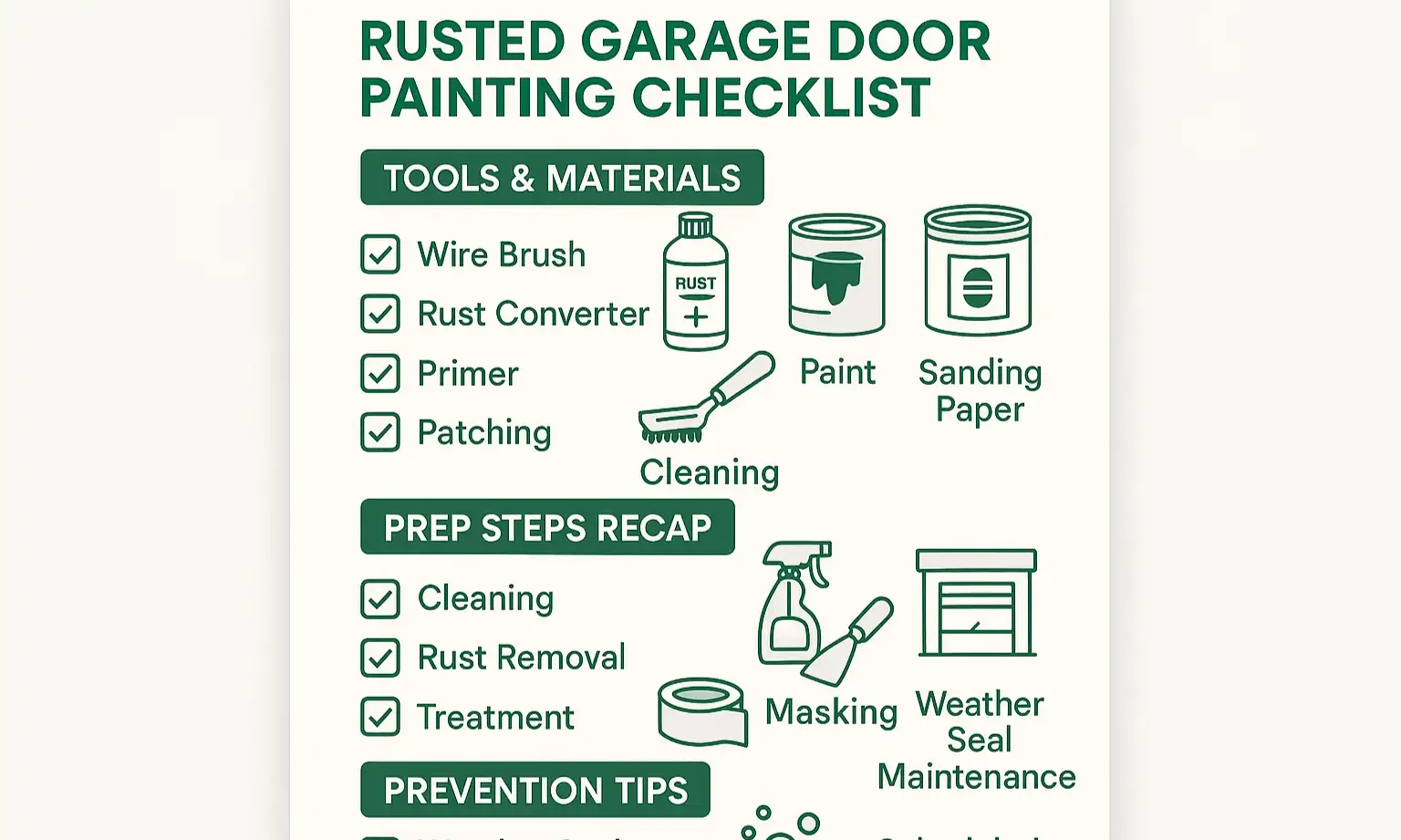
Long-Term Prevention Tips:
- Wash Your Door: Just like your car, your garage door should be washed once or twice a year to remove salt, dirt, and chemicals that accelerate corrosion.
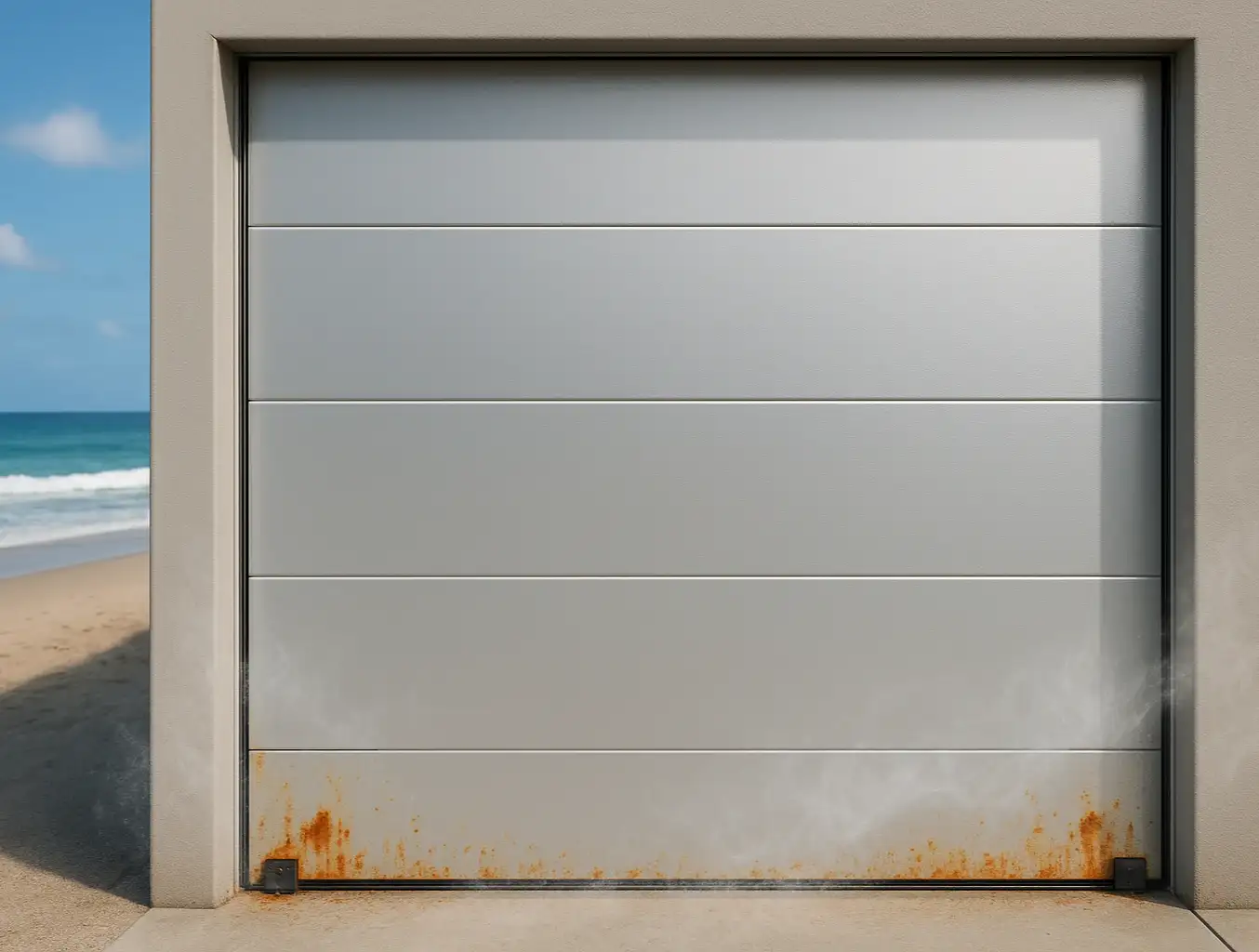
- Inspect the Bottom Seal: The rubber seal at the bottom of your door is the first line of defense against moisture. If it’s cracked or worn, replace it immediately. The problem of the bottom of garage door rusting is very common and preventable.
- Address Scratches Promptly: If your door gets scratched, don’t wait for rust to appear. Clean the area and apply a bit of touch-up paint to seal the metal.
- Perform Regular Maintenance: Routine garage door maintenance helps you spot small problems before they become big ones.
Need more information?
Get a free quote
Frequently Asked Questions (FAQ)
What happens if I just paint directly over rust?
How much rust is too much? When should I consider replacement?
Can I use the same process for my galvanized steel door?
Your Path to a Perfect Finish
You may also like