Our company logo

State

Silence the Squeal: Your Ultimate Guide to Garage Door Lubrication


Published: Jan 27, 2026

Is your garage door the loudest thing on the block? That shuddering, grinding, and high-pitched squealing isn’t just an annoying wake-up call—it’s a cry for help. The metal components of your door are in a constant battle against friction and the elements. Without a little care, this daily grind leads to premature wear, rust, and eventually, costly repairs.

The good news? The single most effective thing you can do to extend the life of your garage door springs and rollers can be done in about 10 minutes with a single can of the right lubricant. Think of it as a simple wellness routine that keeps your door operating smoothly, quietly, and reliably for years to come.

The 5-Minute Lesson: Why Lubrication is Your Door's Best Friend


Your garage door is a complex system of moving metal parts. Every time it opens or closes, the springs coil and uncoil under immense tension, and the rollers travel up and down the tracks. This constant movement creates friction.
Here’s what’s happening on a microscopic level:

  • Friction and Wear: As metal grinds against metal, it slowly wears away surfaces, leading to loose-fitting parts and jerky movements. A proper lubricant creates a thin, protective barrier that allows parts to glide instead of grind.
  • Rust and Corrosion: Exposed to moisture and humidity, the steel in your springs, hinges, and rollers will inevitably begin to rust. Rust weakens the metal, making springs brittle and prone to snapping. Lubricant displaces moisture and shields the metal from the elements. If you're already seeing signs of corrosion, it's crucial to understand how to repair a rusted garage door panel? before the problem worsens.
  • Noise Reduction: That awful noise is the sound of metal struggling. By reducing friction, you eliminate the source of the squeaks and groans, resulting in a peaceful, quiet operation. If lubrication doesn't solve the problem, it might be time to investigate a comprehensive noisy garage door fix.
Properly applied, lubrication isn't just a temporary fix; it's preventative medicine that directly contributes to the longevity of your entire garage door system.

Pre-Flight Checklist: Before You Spray, A 2-Minute Safety and Parts Inspection
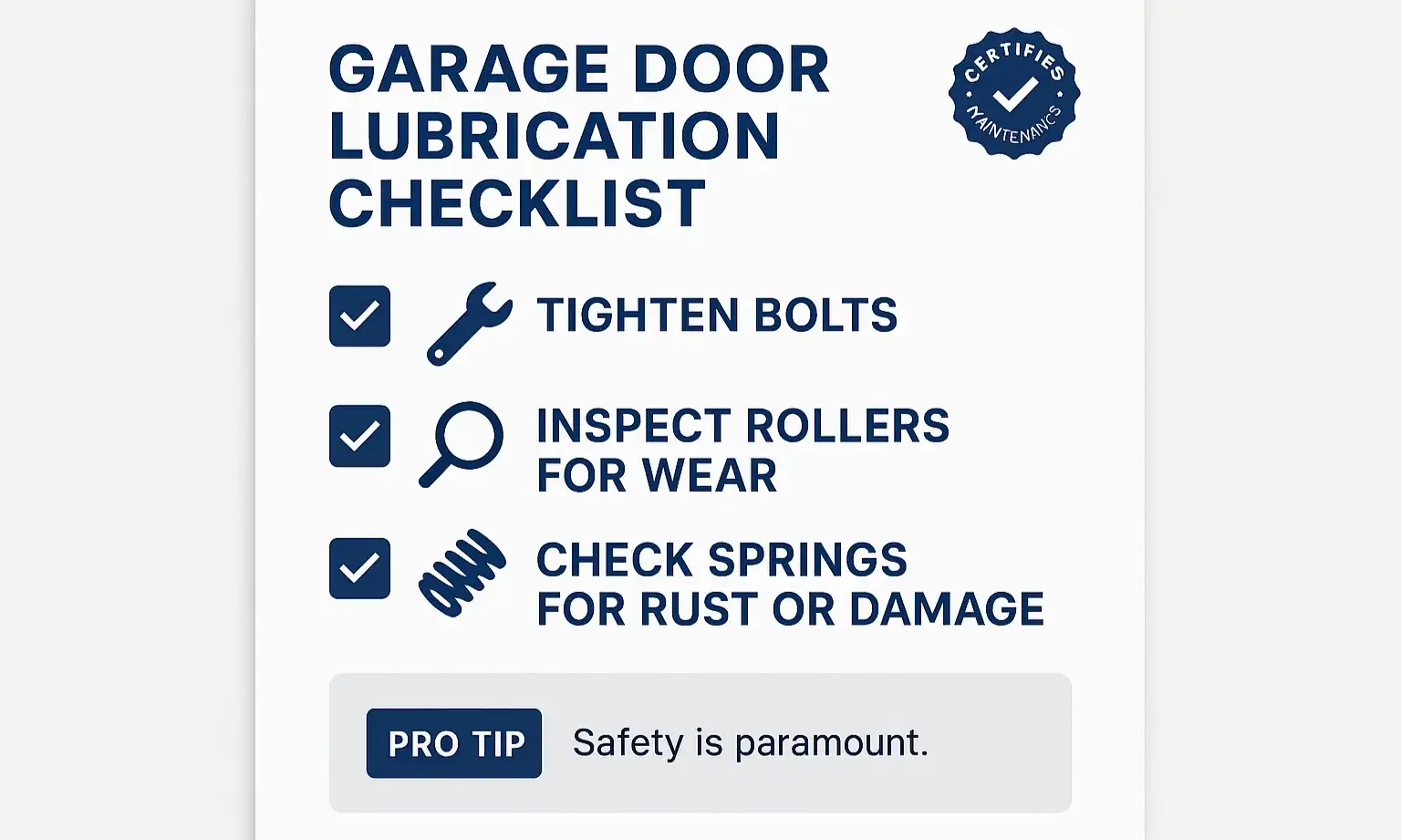

Before you grab a can of lubricant, taking two minutes to inspect your door is a pro move. It ensures you’re applying lubricant to a clean, safe system and helps you spot bigger problems before they become emergencies.
Pre-lubrication checklist helps users prepare garage doors correctly and avoid costly mistakes.

  • Safety First: Disconnect the automatic opener to prevent the door from being activated accidentally. If you need to move the door manually, do so with care.
  • Wipe Down: Grab a rag and wipe down the springs, rollers, and hinges. You want to apply lubricant to the parts, not to a layer of dust and grime.
  • Look and Listen: Manually move the door up and down. Does it move smoothly? Are any rollers wobbling or stuck? A quick visual check can reveal cracked nylon or worn-out metal rollers that lubrication alone can't fix.
  • Tighten Up: The vibrations from daily use can loosen hardware. Check the nuts and bolts on the hinges and brackets and tighten any that are loose.
This simple pre-check is a core part of any good garage door maintenance checklist, ensuring your efforts have the maximum impact.
Pre-lubrication checklist helps users prepare garage doors correctly and avoid costly mistakes.

The Step-by-Step Guide: Lubricating Your Garage Door Like a Pro


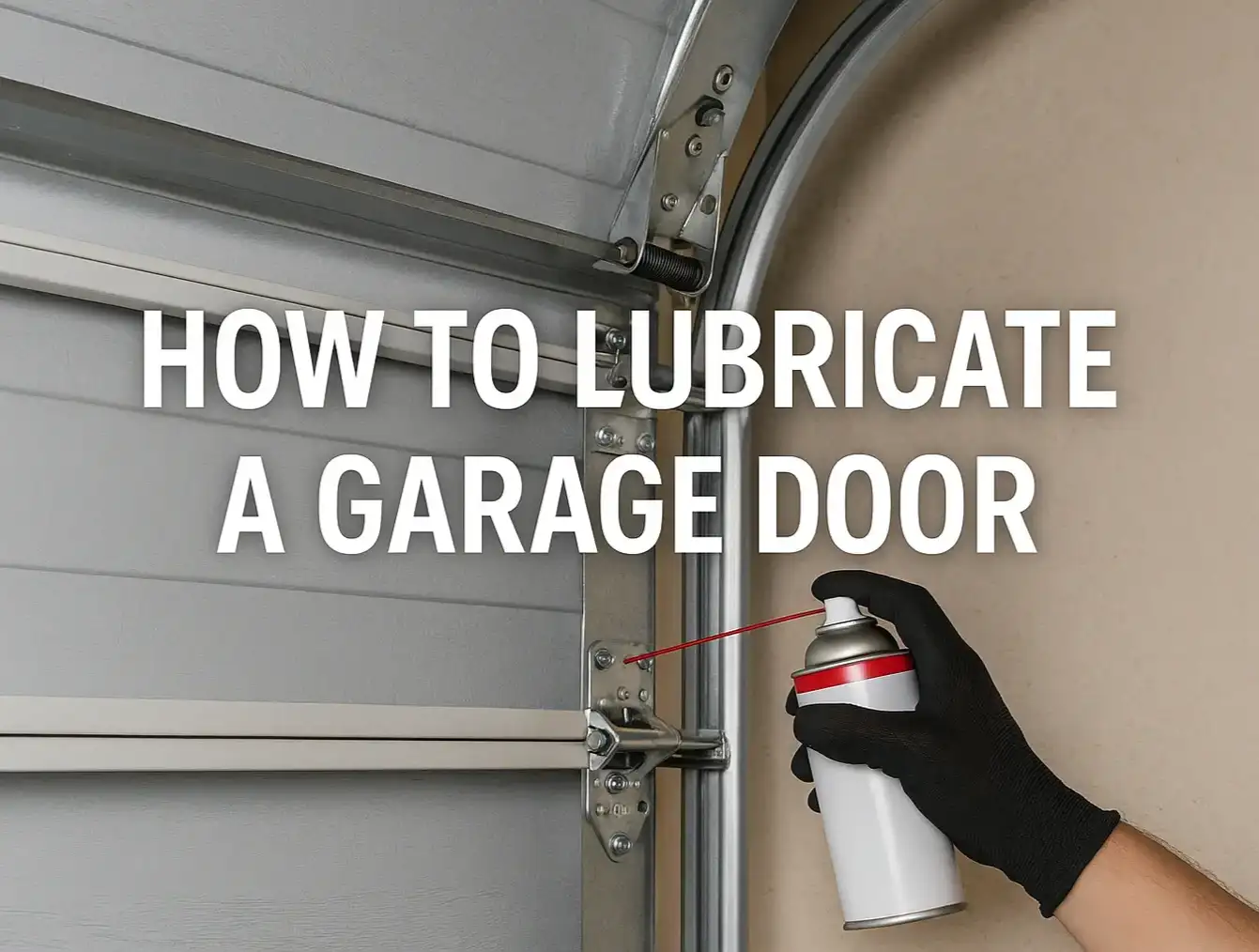
With your door prepped, it's time to apply the lubricant. The key is precision—you want to hit the moving parts without overspraying.

Hinges

Apply lubricant sparingly to the pivot points of each hinge. As the door moves, the lubricant will work its way into the mechanism.

Rollers

How you lubricate rollers depends on the type.
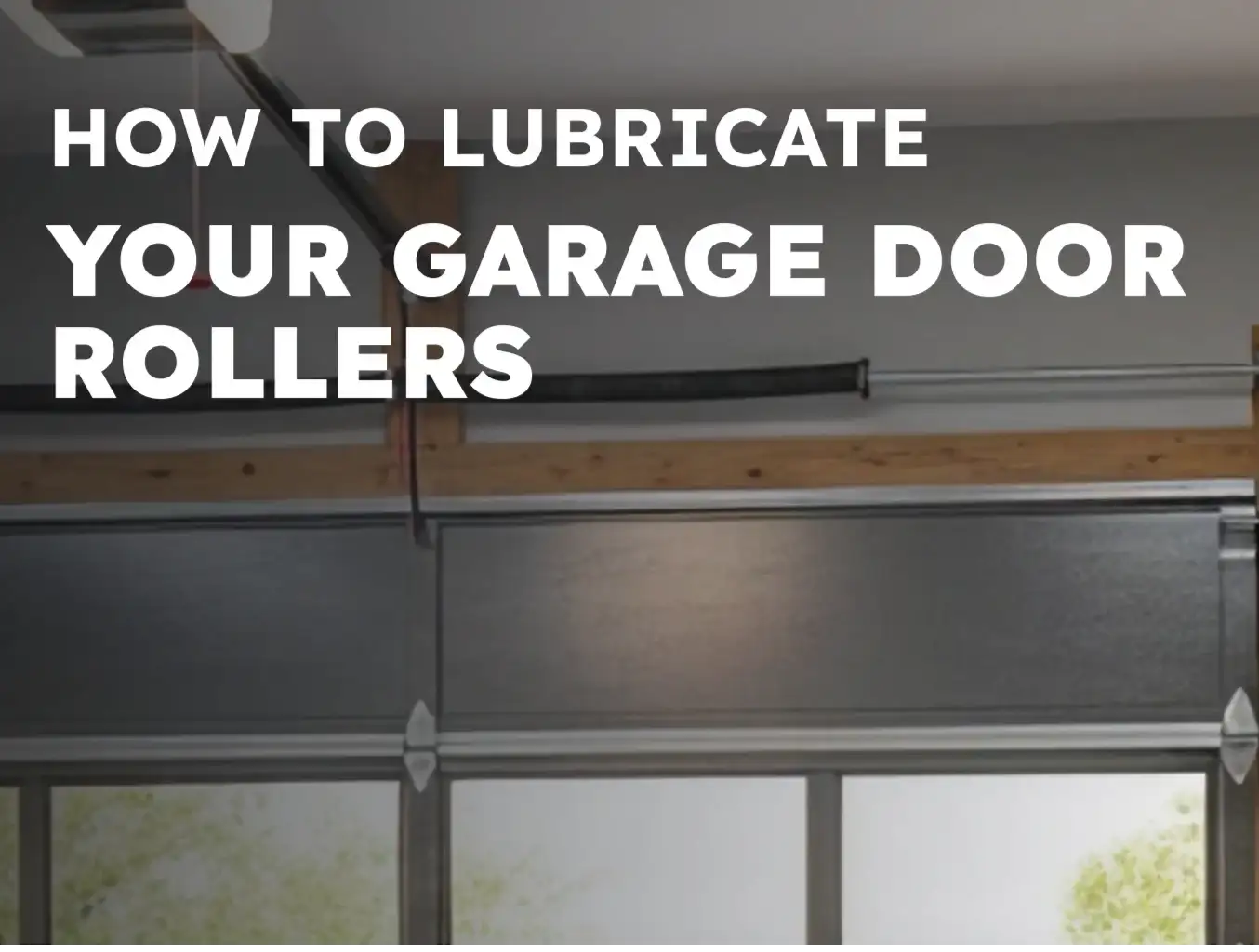
  • Metal Rollers: You are not lubricating the wheel itself. Instead, aim the spray into the gap where the stem meets the wheel to lubricate the ball bearings inside.
  • Nylon Rollers: These rollers typically have sealed bearings and do not require lubrication. Spraying them can attract dirt and actually damage the nylon.
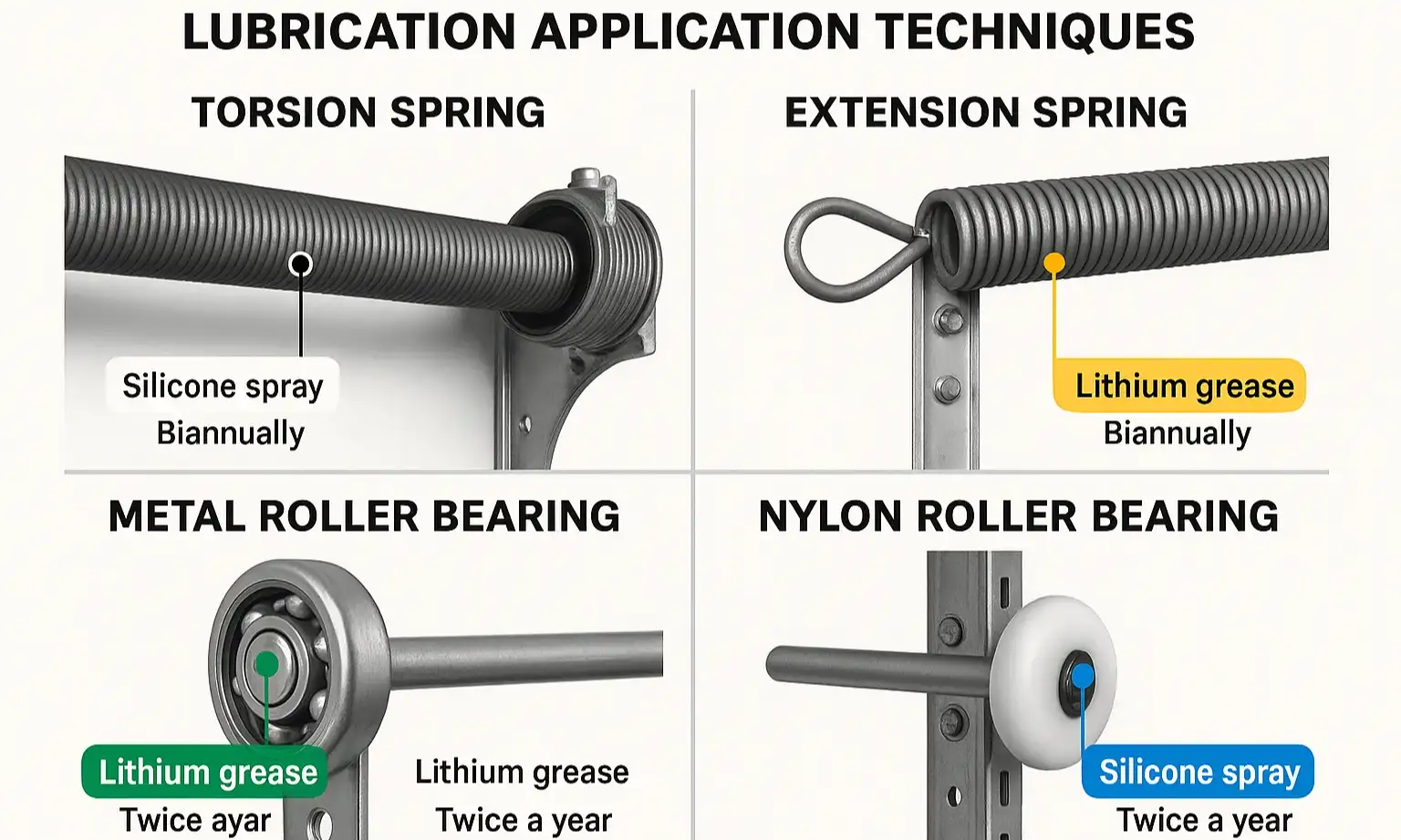
Compare lubrication methods and products for garage door parts to improve performance and extend lifespan.
For a more detailed look, our guide on lubricating garage door rollers provides an in-depth, 5-step process.

Springs

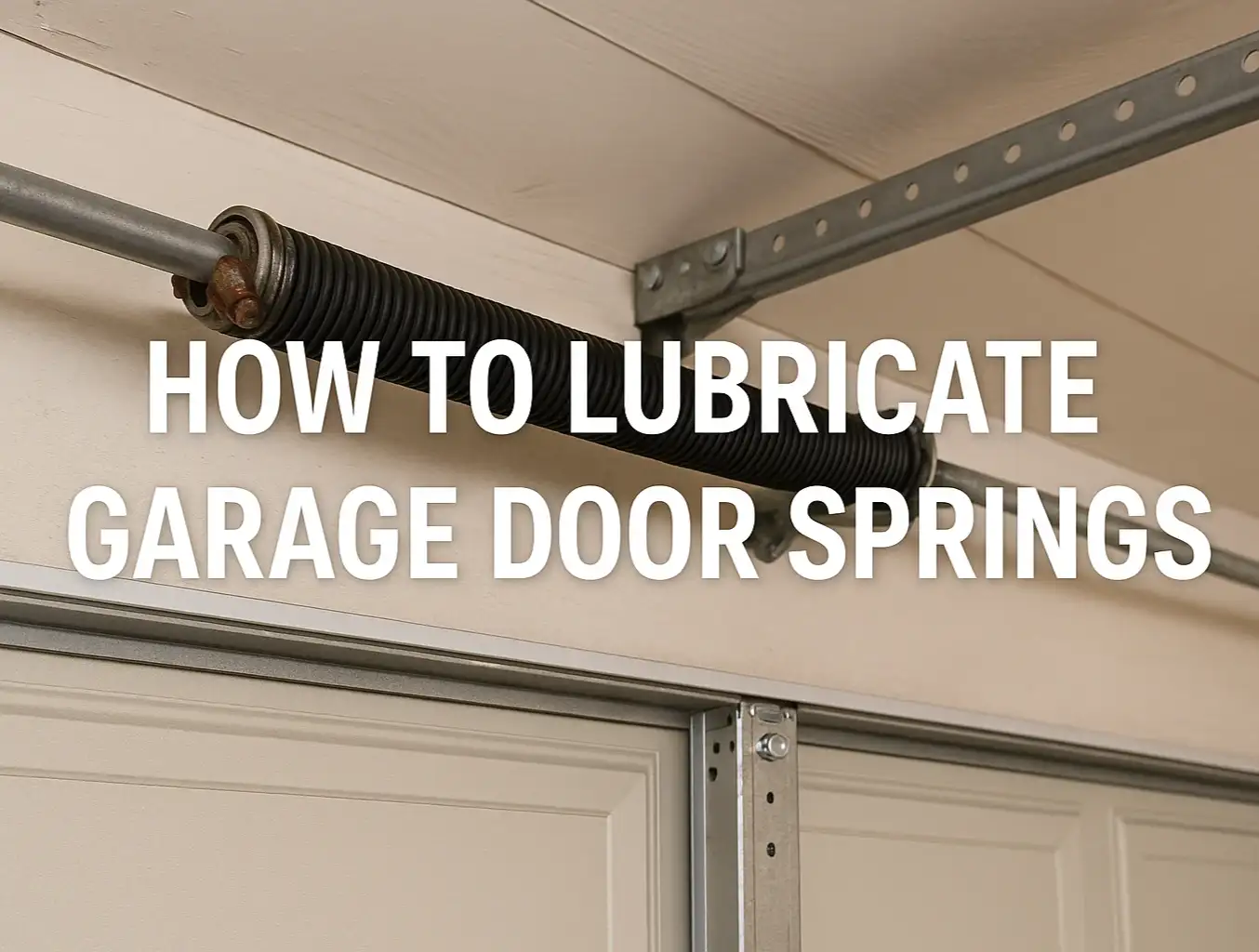
The springs do the heavy lifting, and keeping them in good shape is critical. Many people wonder, should you lubricate garage door springs? The answer is a resounding yes.

  • Torsion Springs (mounted above the door): Apply a light, even coat along the entire length of the spring. This allows the coils to glide smoothly against each other as they twist and untwist.
  • Extension Springs (mounted on the sides): Lightly coat the springs, and don't forget to spray the pulleys they run on.
Proper garage door spring maintenance is one of the best ways to extend the lifespan of your system.

Lock and Arm Bar

Finally, apply a small amount of lubricant to the garage door lock mechanism and the pivot points on the opener's arm bar to ensure they continue to function smoothly.
Compare lubrication methods and products for garage door parts to improve performance and extend lifespan.

Myth-Busting & Mastery: Common Mistakes That Can Wreck Your Door


Knowing how to lubricate a garage door is only half the battle. Knowing what not to do is just as important. Avoiding these common pitfalls will save you from accidentally causing more harm than good.

The #1 Mistake: The WD-40 Myth

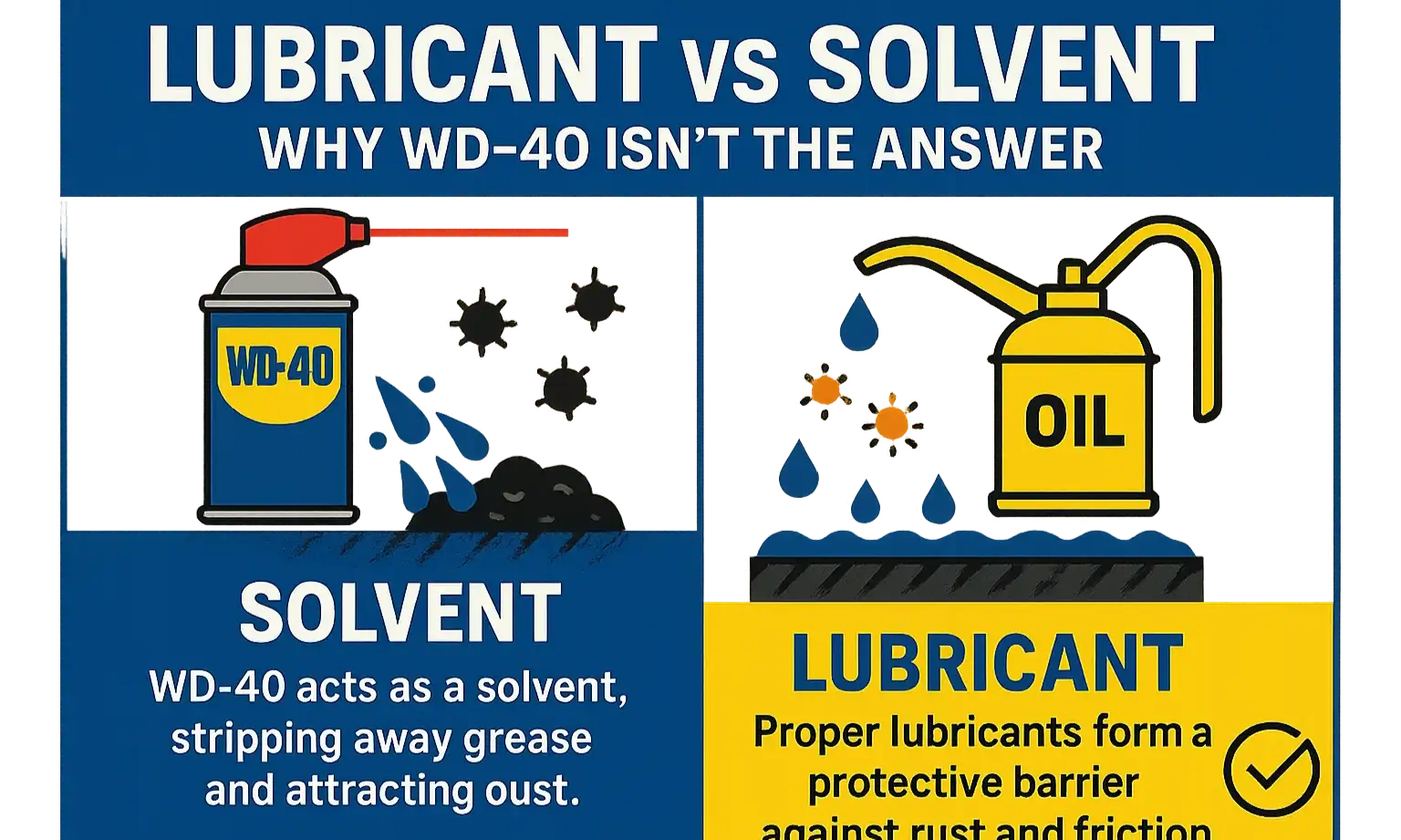
The single biggest mistake homeowners make is grabbing that familiar blue-and-yellow can of standard WD-40. WD-40 is not a true lubricant. It is a water-displacing solvent and degreaser.
When you spray it on your garage door parts, it strips away any existing factory grease. While it might quiet the squeak for a day, it leaves the metal unprotected. Worse, it attracts dust and dirt, which combines with the residue to form a gritty sludge that accelerates wear. Always opt for a dedicated silicone or white lithium grease spray designed for garage doors.
Debunk the WD-40 myth with a visual explanation that clarifies proper lubricant function, helping users avoid mistakes that shorten garage door component life.

The #2 Mistake: Greasing the Tracks

It seems intuitive to lubricate the tracks your rollers move in, but this is another critical error. Your rollers are designed to roll, not slide.
Applying grease to the tracks forces the rollers to slide, creating flat spots on them over time. It also creates a sticky surface that becomes a magnet for dirt, pebbles, and debris, which can jam the rollers and throw your door off balance. Simply wipe the tracks clean with a damp cloth; that’s all the maintenance they need.
Avoiding these issues is key, and you can learn about more pitfalls in our guide covering common mistakes to avoid with garage door maintenance services.

Debunk the WD-40 myth with a visual explanation that clarifies proper lubricant function, helping users avoid mistakes that shorten garage door component life.

Action: Your 6-Month Maintenance Schedule
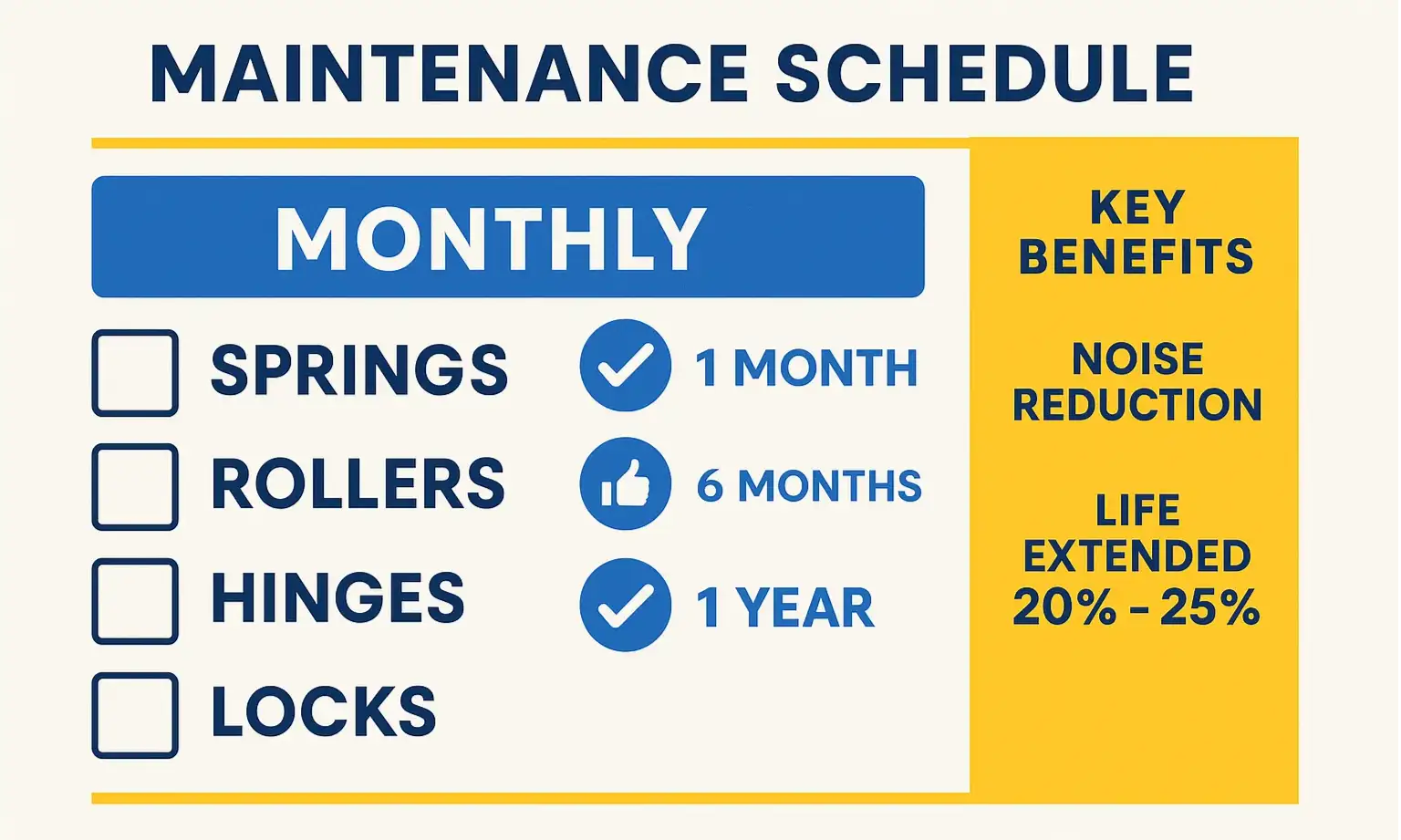

Simplify your maintenance routine with this visual schedule that ensures timely lubrication, boosting garage door performance and extending component life with ease.
Consistency is everything. To keep your door in peak condition, integrate lubrication into a simple, semi-annual routine. The change of seasons is a great reminder.

  • Spring Maintenance (e.g., April): After winter, clean off any salt or grime and give all moving parts a fresh coat of lubricant for the busy summer season.
  • Fall Maintenance (e.g., October): Prepare your door for the cold, damp weather of winter by applying another coat to protect against moisture and rust.
This simple schedule of garage door maintenance lubrication will pay dividends in performance and longevity.
Simplify your maintenance routine with this visual schedule that ensures timely lubrication, boosting garage door performance and extending component life with ease.

Need more information?

Frequently Asked Questions (FAQ)


How often should I lubricate my garage door?

A good rule of thumb is twice a year. However, if you live in a particularly dusty area or a coastal region with salty air, lubricating every three to four months can provide extra protection.

Can I use too much lubricant?

Yes. The goal is a light, thin coat. Over-spraying will cause the lubricant to drip and, more importantly, will attract and hold more dirt and dust. A quick spray on each moving part is all you need.

My door is still noisy after lubrication. What's wrong?

If you've lubricated all the correct points and the door is still loud, it could indicate a more serious issue. Worn-out rollers, an unbalanced door, or problems with the opener itself can also cause noise. A thorough inspection may be needed.

What’s the difference between silicone and white lithium grease?

Both are excellent choices. Silicone spray is great because it doesn't attract dust and works well in a wide range of temperatures. White lithium grease is a bit heavier and is ideal for metal-on-metal contact points, like the opener's chain or screw drive. For general-purpose use on hinges, rollers, and springs, a high-quality silicone spray is often the easiest and cleanest option.

Beyond the Basics: Taking the Next Step in Door Care


Mastering lubrication is the first and most important step in DIY garage door maintenance. This simple act keeps your door quiet, prevents premature wear, and protects your investment.
Now that you know how to lubricate garage door components effectively, you're well on your way to a healthier, longer-lasting system. If you spotted a wobbly roller, a frayed cable, or a spring that just doesn't look right during your inspection, don't hesitate. For issues that go beyond a simple spray, the experienced technicians at Up & Down Garage Doors are available 24/7 to ensure your door operates safely and reliably.

You may also like