Long-Term Rust Prevention Coatings for Coastal Garage Doors
Published: Jan 16, 2026
Living by the coast is a dream. The sound of the waves, the salty breeze—it’s a lifestyle many people crave. But that same beautiful sea air that fills your lungs is quietly waging a war on your home’s biggest moving part: the garage door.
It’s a common story. You install a beautiful new door, and within a few years, you spot it: the tell-tale orange-brown freckles of rust, often starting at the bottom or around hinges and handles. This isn't just a cosmetic issue; it's the beginning of a process that can compromise your door's security, function, and lifespan.
But here’s the good news: this is a preventable battle. With the right knowledge, you can transform your garage door from a vulnerable target into a fortress that stands up to the salty air for years to come. Let's talk about how to win the war against coastal corrosion.
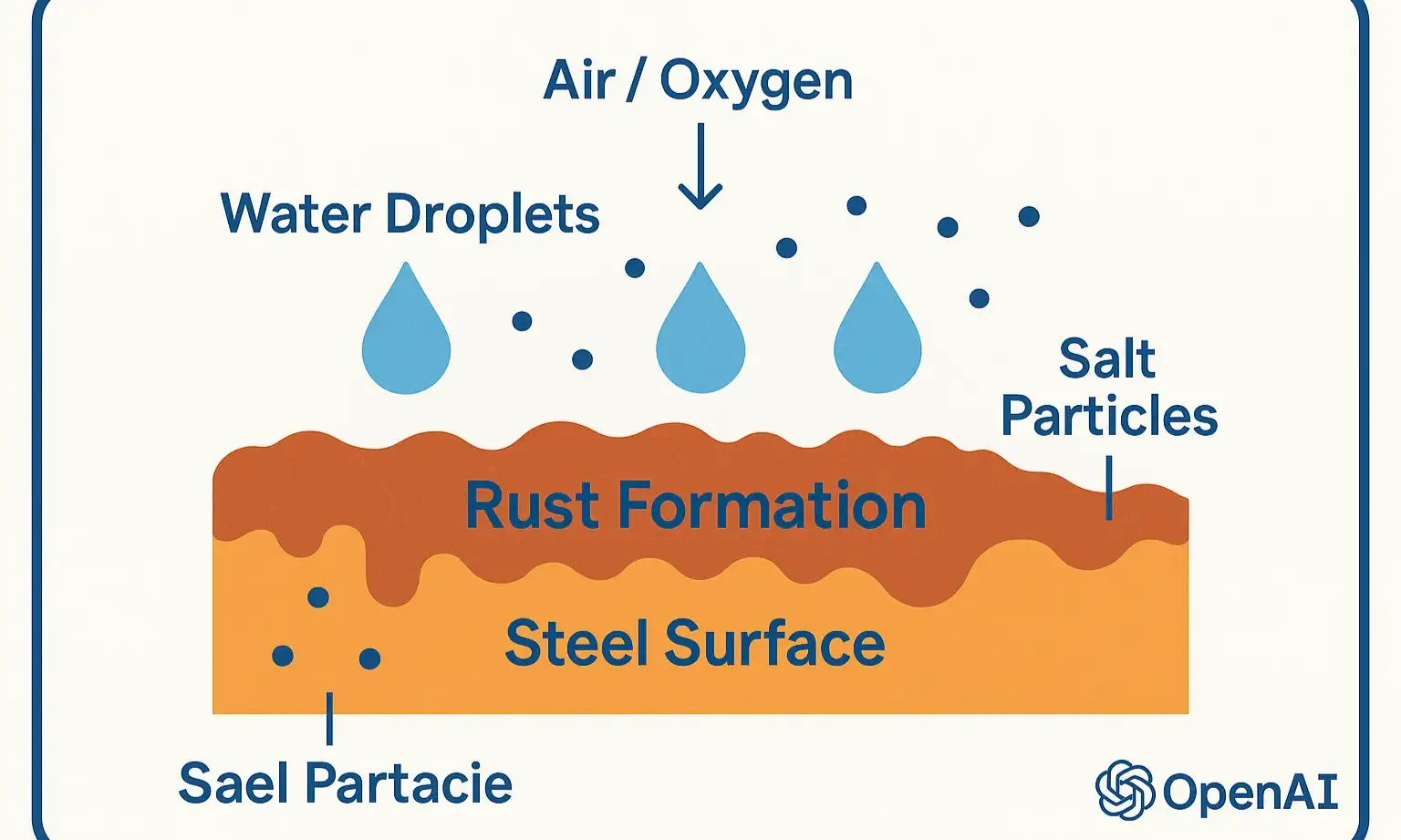
The Coastal Challenge: Why Salt Air is Steel's Worst Enemy
Line of Defense #1: Choosing the Right Armor from the Start
Here’s a quick comparison of the most common options for coastal homes:
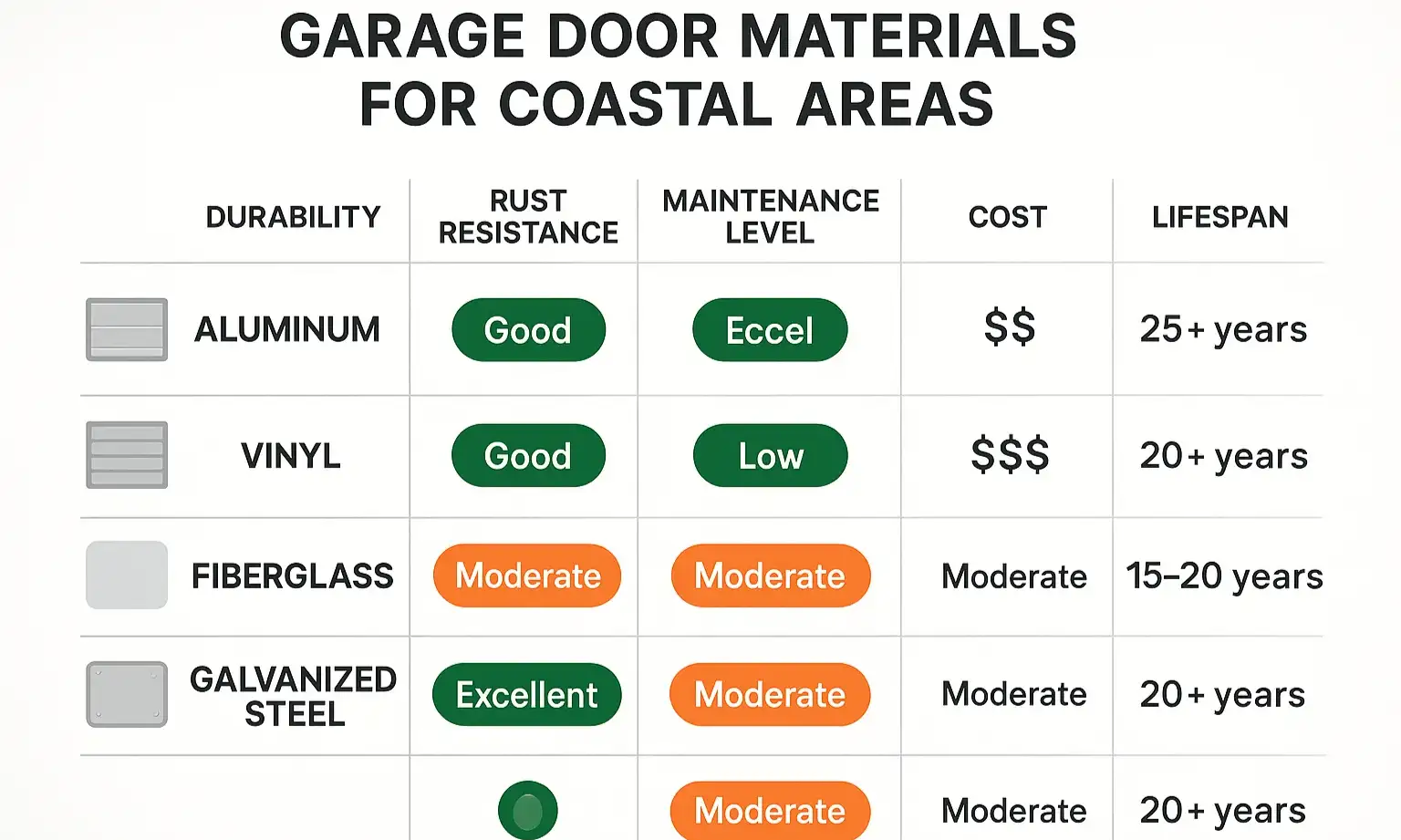
- Aluminum: Naturally rust-proof, lightweight, and available in many styles. It can be more prone to dents than steel, but its corrosion resistance is top-tier for coastal zones.
- Vinyl: A fantastic "set it and forget it" option. Vinyl is immune to rust and corrosion and is extremely durable.
- Fiberglass: Often layered over a steel frame, a fiberglass door's exterior is highly resistant to saltwater corrosion and can mimic the look of wood without the upkeep.
- Galvanized Steel: This is standard steel coated with a protective layer of zinc. The zinc acts as a "sacrificial barrier"—it corrodes first, protecting the steel underneath. While more rust-resistant than bare steel, it still requires diligent maintenance in salty air.
Line of Defense #2: The Power of Proactive Coatings
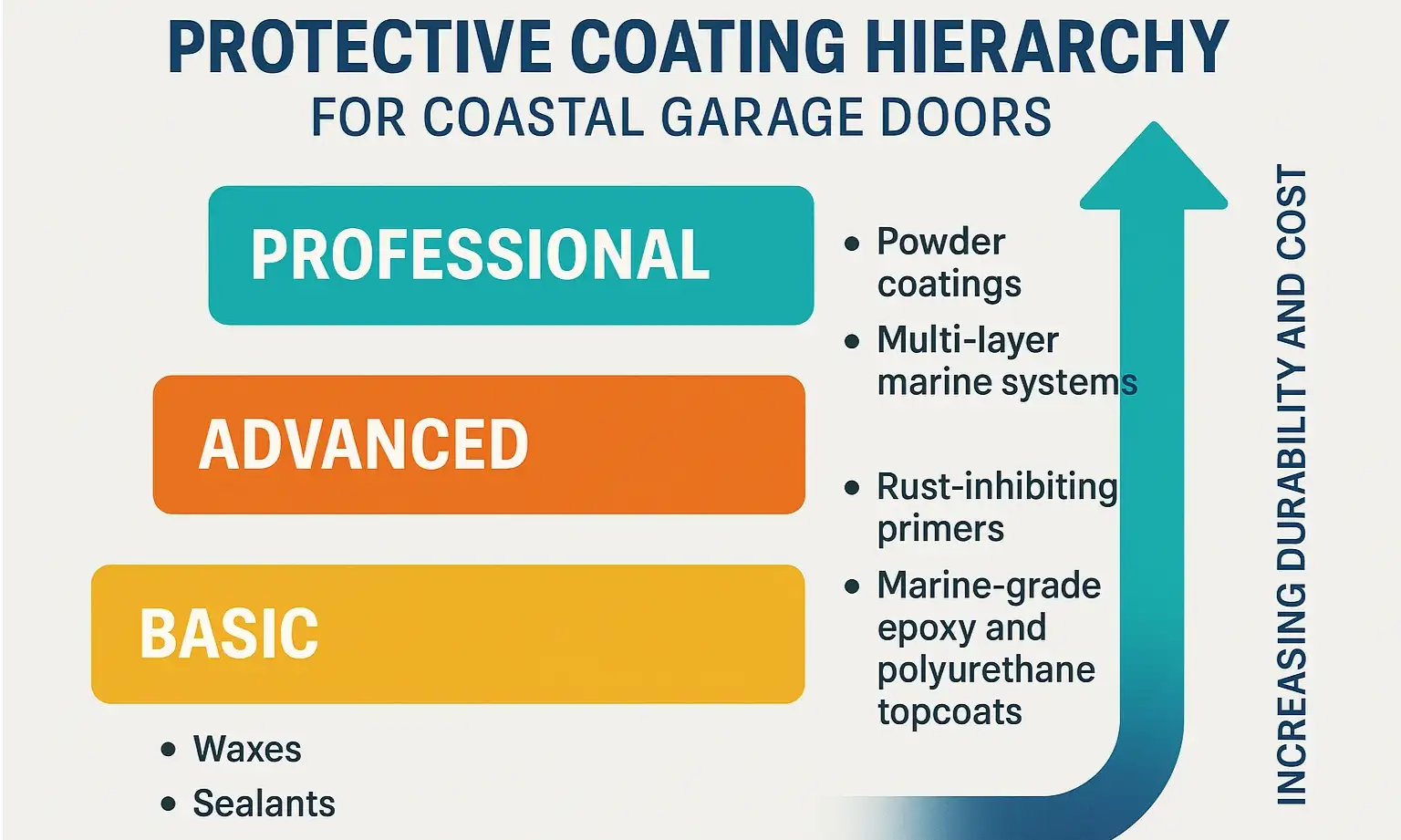
Basic Care: Waxes and Sealants
Advanced Protection: Marine-Grade Paints
- Rust-Inhibiting Primer: This is the crucial first layer. These primers contain zinc compounds that chemically bond to the steel and disrupt the rusting process.
- Marine-Grade Topcoat: Look for paints based on epoxy or polyurethane. These create a hard, non-porous shell that is far more resistant to salt, moisture, and UV damage than standard acrylic latex paints.
Professional-Grade Solutions: Powder Coating
Your Action Plan: A Two-Front Battle Against Rust
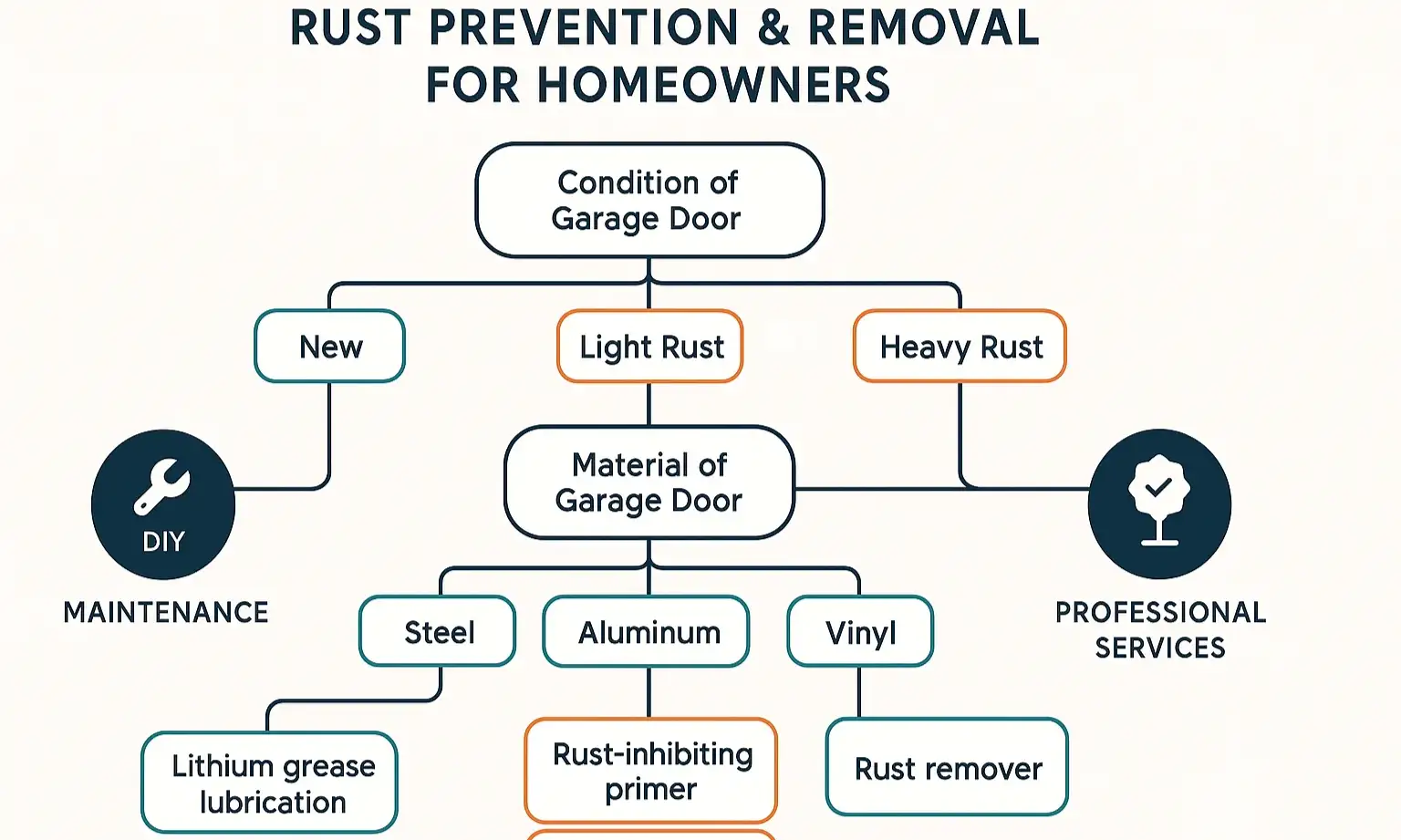
The Best Offense: A Good Defense
- Wash Regularly (Monthly): Gently wash your door with a mild car soap and fresh water to remove salt deposits. Pay close attention to the bottom section, where salt spray is most likely to collect.
- Inspect Quarterly: Look for any scratches, chips, or early signs of bubbling paint. Touch these up immediately with the correct primer and paint to stop rust before it can take hold.
- Wax Biannually: Apply a coat of liquid or paste wax after washing to add that extra layer of protection.
When Rust Appears: Triage and Treatment
- For Light Surface Rust: Sand the affected area down to the bare metal, feathering the edges. Clean it thoroughly, apply a rust-inhibiting metal primer, and finish with a matching topcoat. For specific advice on rust removal from galvanized garage doors, it's best to consult a detailed guide.
- For Deep Rust and Pitting: If the rust has eaten through the paint and started to pit the metal, a simple touch-up won't be enough. This often requires professional attention to ensure all the corrosion is removed before refinishing. If left untreated, it can weaken the door panel itself.
Don't Forget the Details: Hardware and Lubrication Secrets
Frequently Asked Questions About Coastal Garage Door Care
What's the best "low-maintenance" garage door material for a coastal home?
How often should I really wash my garage door by the coast?
Can I just paint over small rust spots?
Is a galvanized steel door completely rust-proof?
Your Path to a Rust-Free Garage Door
You may also like