Best Rust Removal Methods for Galvanized Steel Garage Doors
Published: Jan 13, 2026
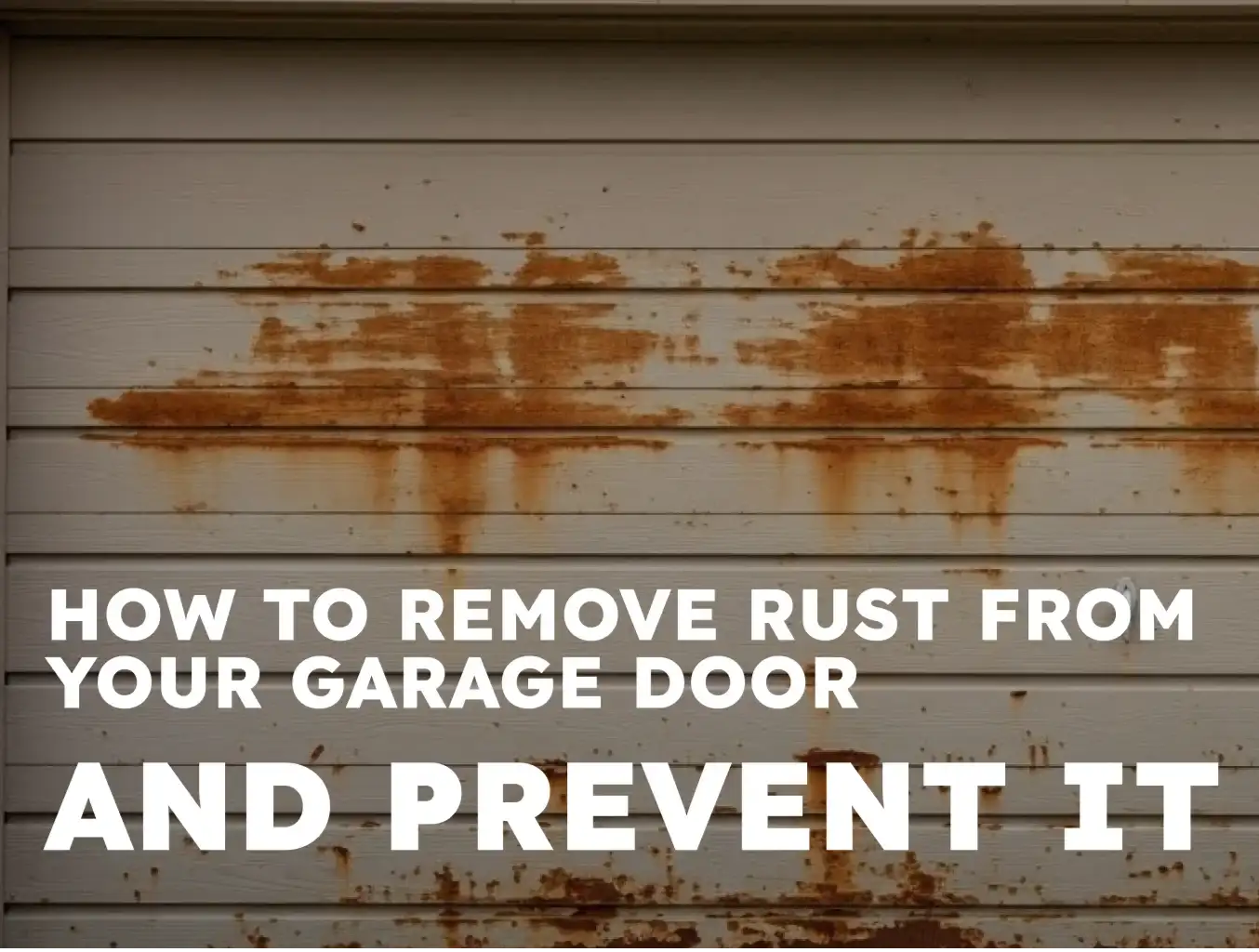
You’ve noticed it creeping up from the bottom edge of your garage door—those unmistakable orange-brown flakes. Rust. Your first instinct might be to grab some sandpaper and a can of paint, but stop right there. Treating rust on a modern garage door isn't as simple as it seems.
That’s because your garage door is likely made of galvanized steel. Think of it not just as a sheet of metal, but as steel wearing a suit of armor. This "armor" is a microscopic layer of zinc, applied at the factory to protect the steel from the very rust you're seeing.
The problem? Most online guides on how to remove rust from a garage door treat it like any other piece of metal. They miss the most critical point: the goal isn't just to remove the rust, it's to do so without destroying the protective zinc armor. When that armor is compromised, the rust will come back faster and stronger than before.
This guide will show you the right way to fix it—by understanding what’s really happening on the surface of your door and using the correct methods to repair the armor, not just cover up the damage.
Foundation: The Two Types of Garage Door "Rust"
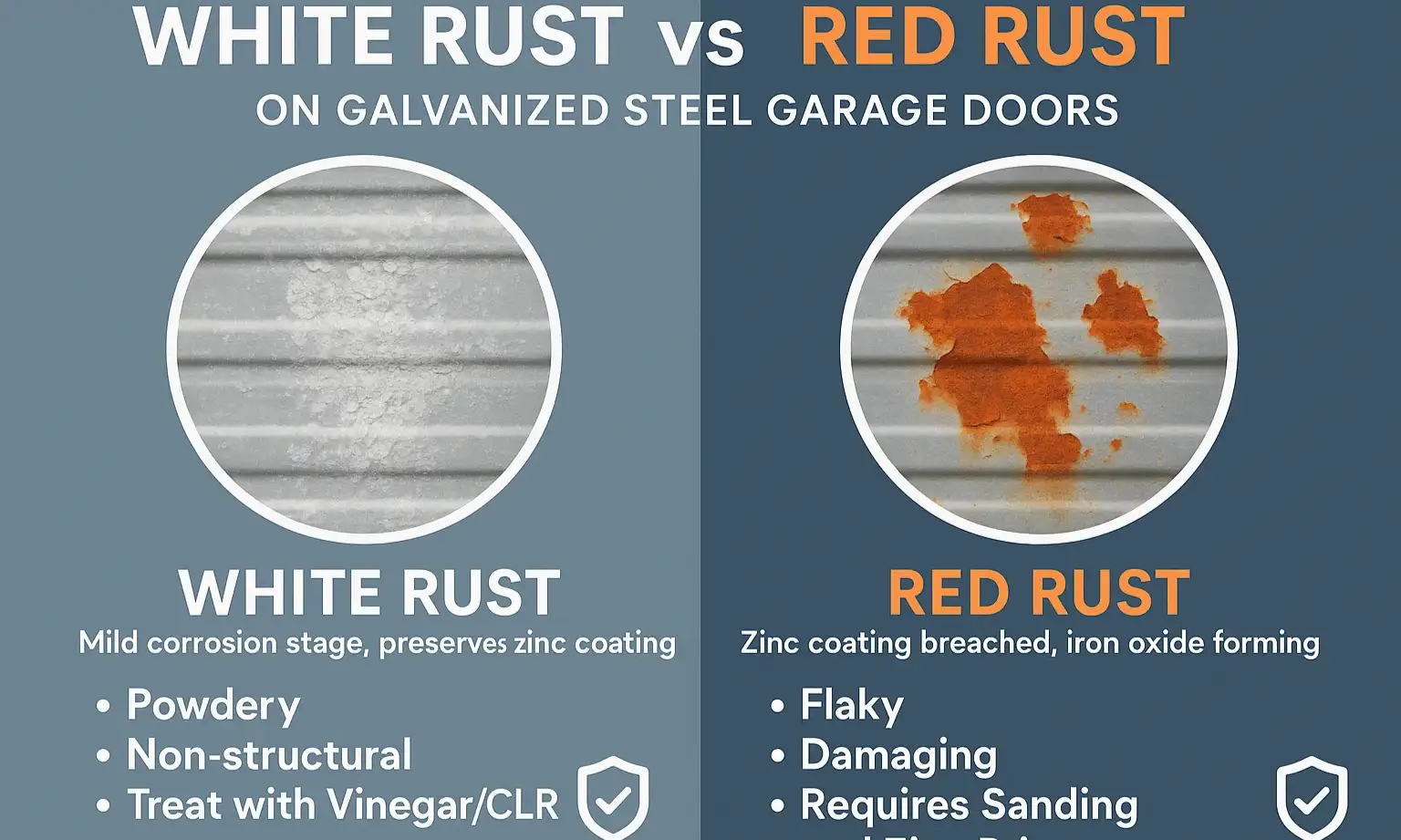
1. White Rust (The Warning Sign)
2. Red Rust (The Armor Breach)
Diagnosis: Assessing the Damage
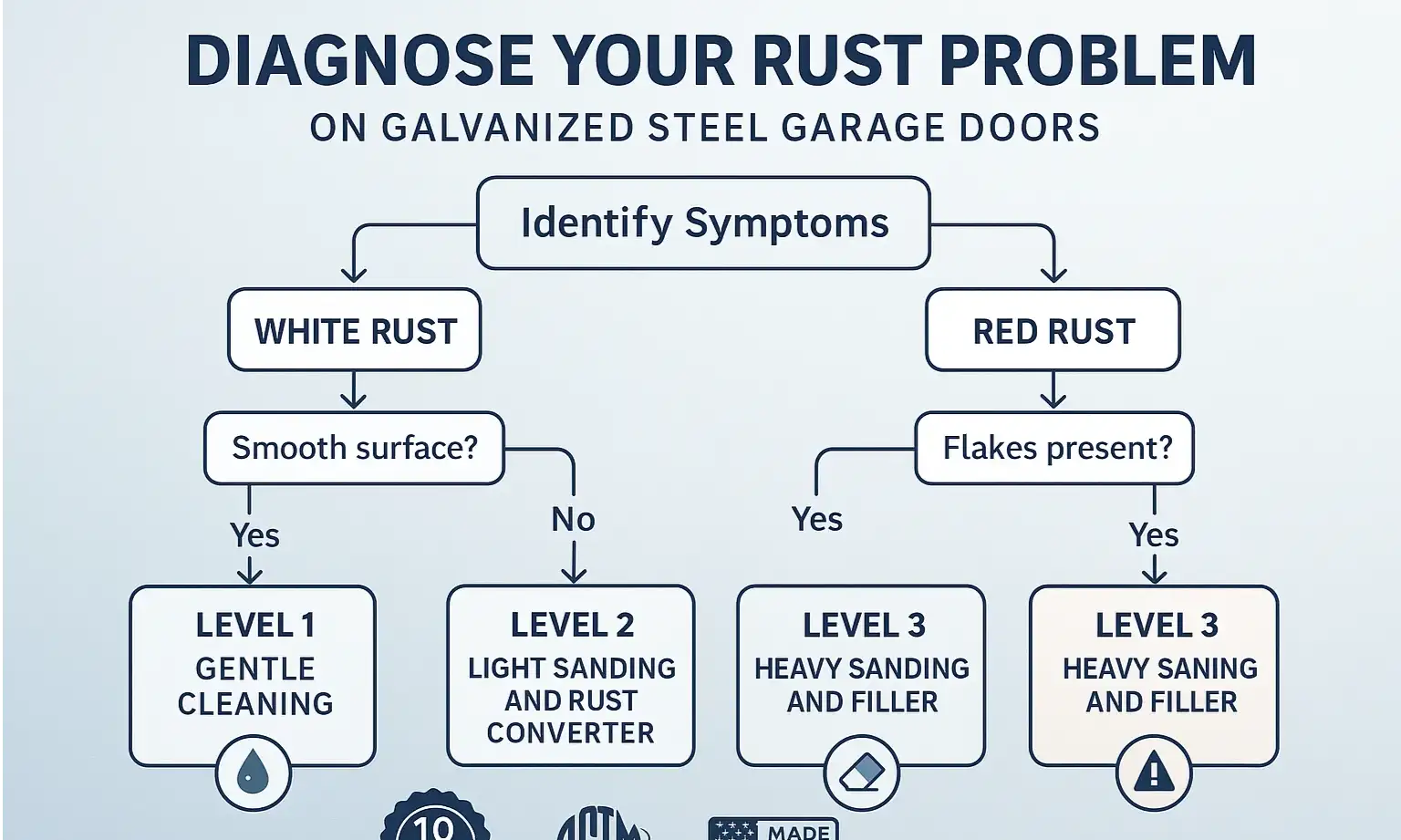
Building: The Right Repair for the Rust (3-Tiered Approach)
Method 1: Treating White Rust (Gentle Cleaning)
- Mix Your Solution: Combine equal parts white vinegar and water in a spray bottle.
- Spray and Dwell: Liberally spray the affected area and let the solution sit for 5-10 minutes.
- Scrub Gently: Use a non-abrasive nylon brush or scouring pad to gently scrub the white rust away.
- Rinse and Dry: Rinse the area thoroughly with clean water and dry it completely with a microfiber cloth.
Method 2: Removing Minor Red Rust (Sand, Convert, Seal)
- Clean the Area: Wash the rusted section with soap and water, then rinse and dry completely.
- Light Sanding: Using a fine-grit sandpaper (around 120-grit), gently sand away the surface rust. Your goal is to remove the red flakes, not to grind down into the metal. Feather the edges into the painted area.
- Apply Rust Converter: Wipe the dust away with a clean cloth. Apply a thin layer of a liquid rust converter. This chemical product does something amazing: it transforms the remaining iron oxide into a stable, paintable surface. Follow the product's instructions for drying times.
- Prime and Paint: Apply a high-quality, zinc-rich primer specifically designed for galvanized metal. This is the crucial step to rebuilding the "armor." Finish with two coats of exterior-grade paint that matches your door.
- Aggressive Sanding: Use a wire brush or a drill with a wire wheel attachment to remove all loose, flaky rust. Sand the area down to bare, shiny metal using 80-grit sandpaper, then feather the edges with 120-grit.
- Fill the Pits: If you have pitting or small holes, use a two-part auto body filler. Mix it according to the directions, apply it with a putty knife, and smooth it out. Let it cure completely.
- Sand Smooth: Sand the hardened filler until it's perfectly flush with the surrounding door panel.
- Prime with Zinc: This is non-negotiable. Apply two coats of a zinc-rich or "cold galvanizing" spray primer. This chemically bonds to the steel and restores the sacrificial protective barrier, effectively rebuilding the armor.
- Finish Painting: Once the primer is fully cured, apply two top coats of high-quality exterior paint to match your door's color and finish.
Mastery: Choosing the Right Tools and Products
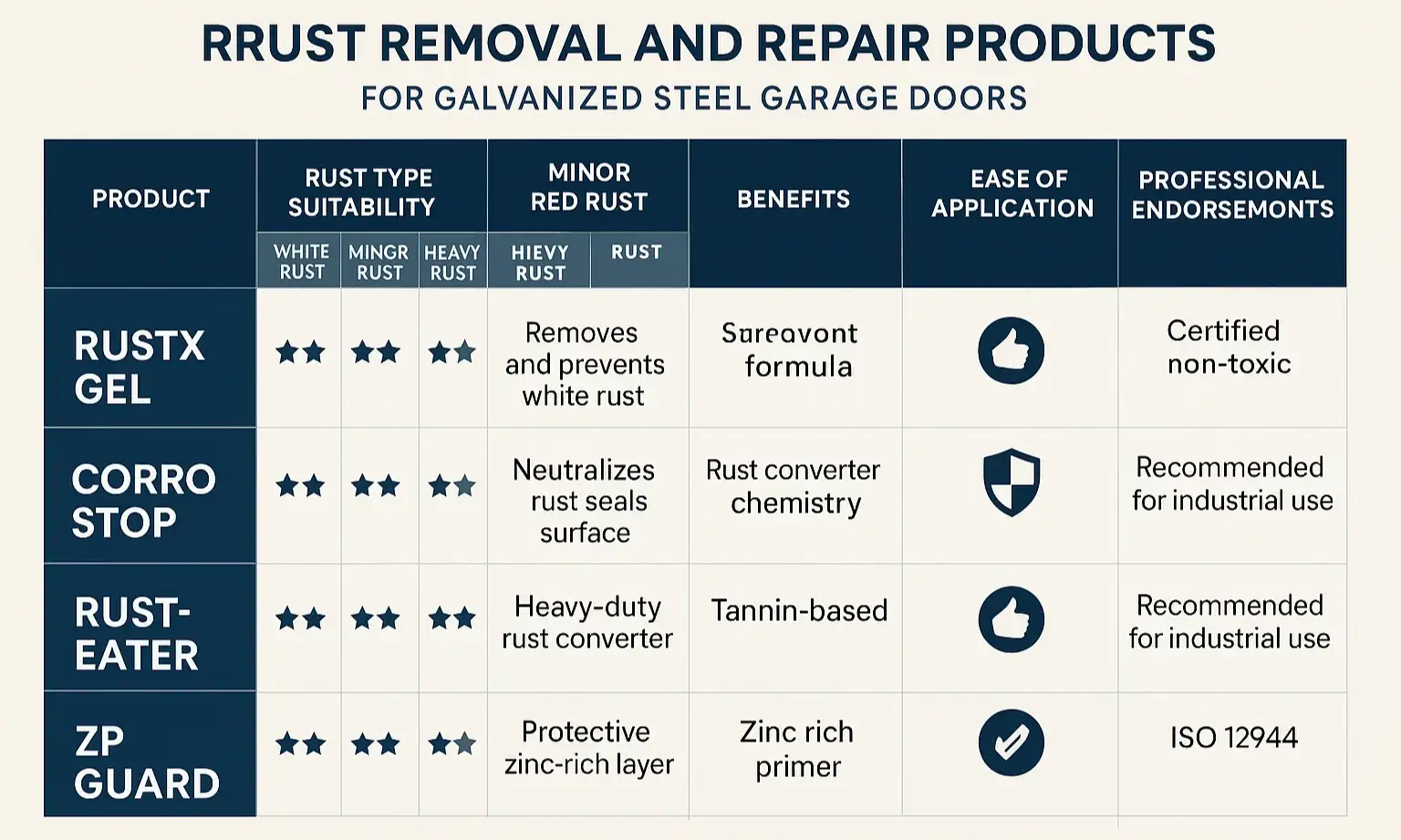
- White Vinegar: Perfect for gentle, effective removal of white rust.
- Rust Converter: (For minor red rust) A must-have product that chemically neutralizes rust and turns it into a stable, paintable primer. Look for brands like Rust-Oleum Rust Reformer or VHT Rust Converter.
- Auto Body Filler: (For deep rust) For filling pits and holes. Bondo is a well-known, reliable brand.
- Zinc-Rich Primer: (For red rust repairs) This is the most important product. Do not use a standard metal primer. A zinc-rich or cold galvanizing compound primer is essential to restore the anti-corrosion properties of the original galvanized coating.
Action: Prevention and Long-Term Care
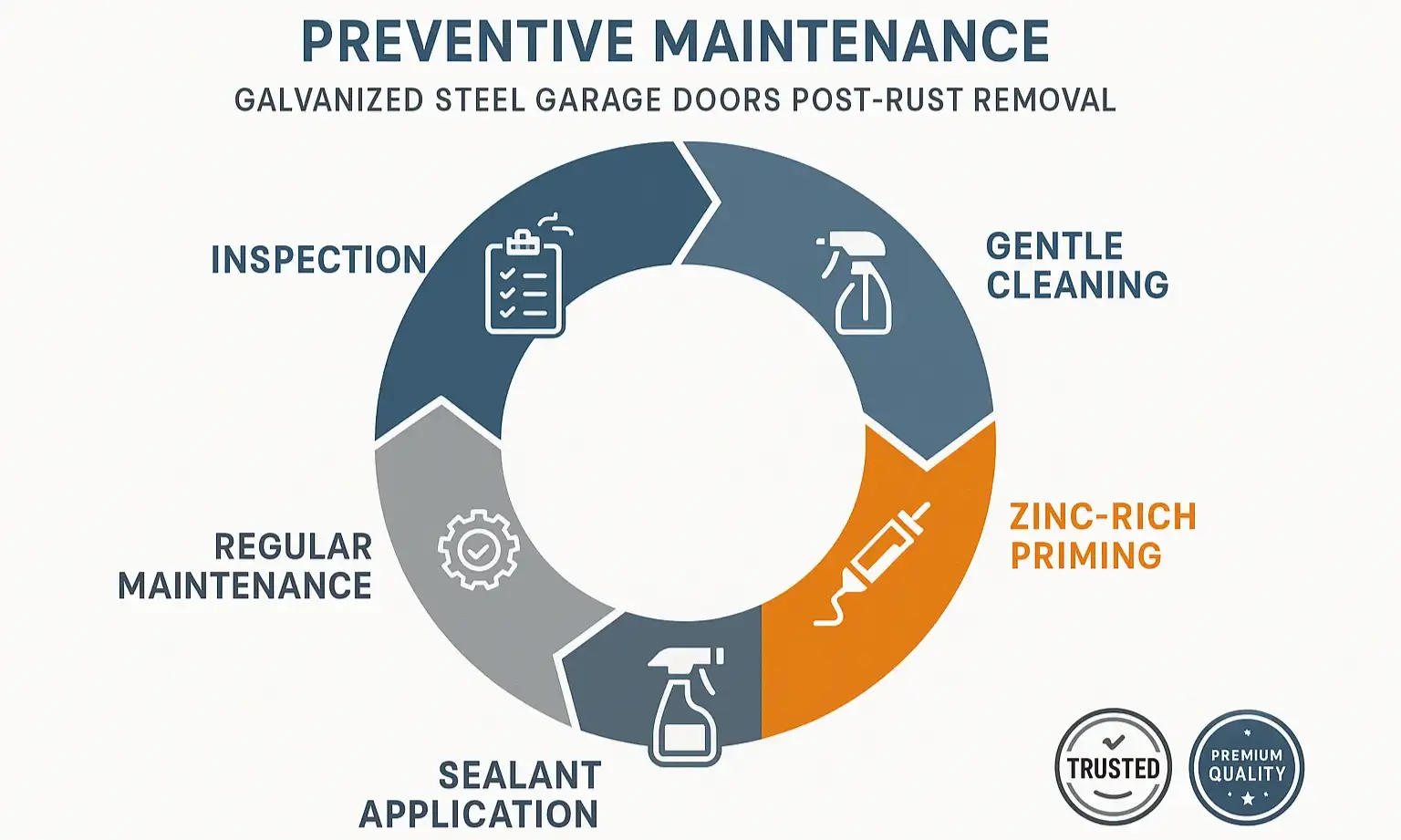
- Wash Your Door Regularly: At least twice a year, wash your garage door with a mild car wash soap and water to remove dirt, salt, and pollutants that can eat away at the zinc coating.
- Inspect the Bottom Seal: The rubber gasket at the bottom of your door is critical. If it's cracked or worn, it can trap water against the metal. Replace it if it shows signs of wear.
- Check Your Drainage: Ensure water flows away from your garage door, not toward it. Adjust landscaping or drainage if you see water pooling near the door after it rains.
- Touch-Up Scratches Immediately: If your door gets scratched, don't wait for rust to appear. Clean the scratch and apply touch-up paint and primer right away to keep the armor intact.
Frequently Asked Questions
Can I just paint over the rust on my garage door?
What causes rust on a galvanized garage door?
How can I tell if the rust is too bad for a DIY repair?
Why is a zinc-rich primer so important?
You may also like