Top Benefits of Polyurethane Garage Door Insulation
Published: Jan 9, 2026
Polyurethane garage door insulation is one of the best upgrades for making your garage quieter, stronger, and more energy-efficient. Whether you’re dealing with extreme temperatures or simply want to reduce your energy bills, this high-performance foam delivers impressive results. In this guide, we’ll break down how polyurethane insulation works, its advantages over other types, and when it’s the right choice for your space. At Up & Down Garage Doors, we help American property owners choose the most effective garage door insulation solutions for their home or business.
How Polyurethane Garage Door Insulation Works
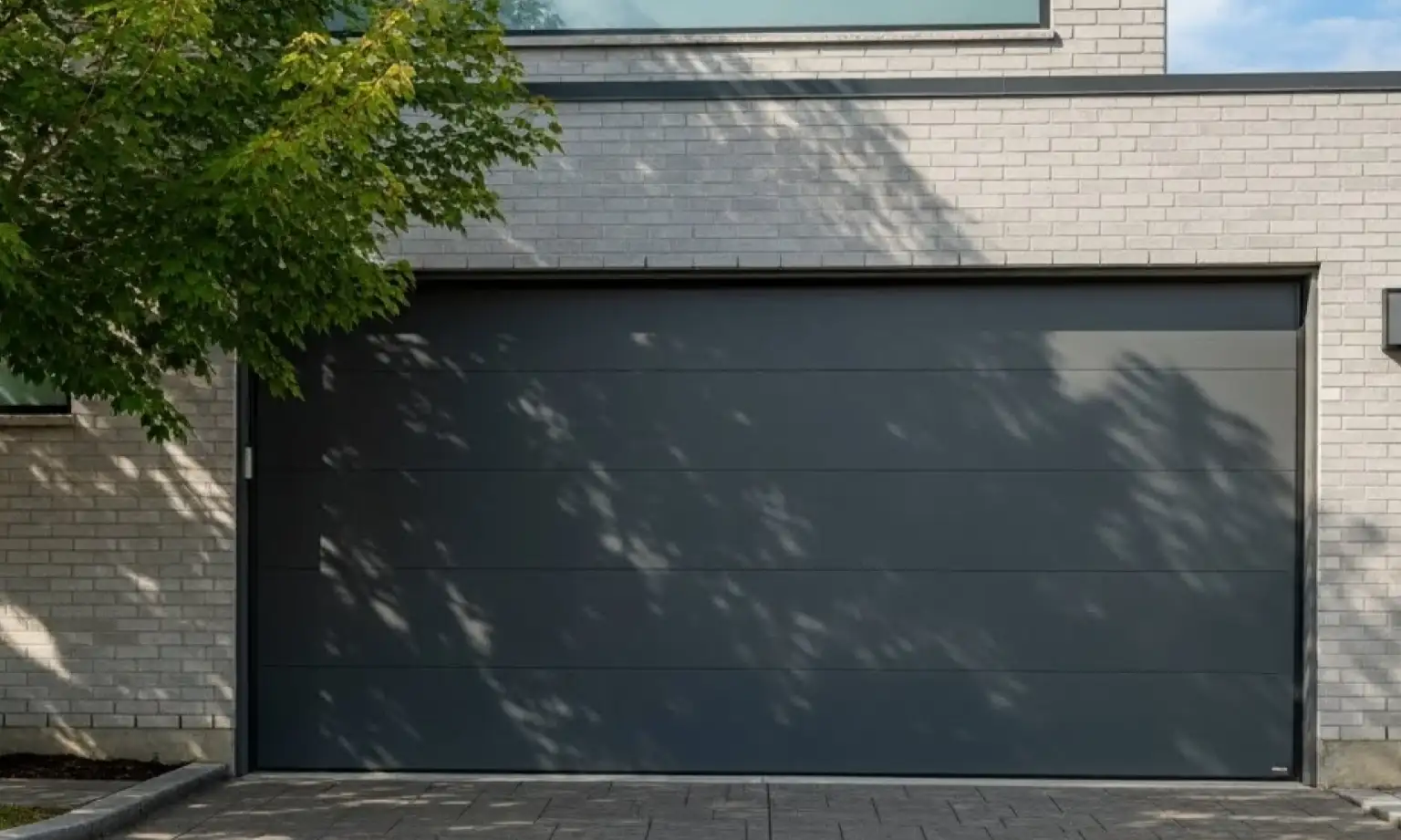
Polyurethane insulation is a high-density foam that’s injected between a garage door’s steel layers during manufacturing. As it expands, it fills all gaps and bonds to the door, creating a tight, seamless seal. This makes it one of the top choices for insulated garage doors used in homes, warehouses, and commercial properties.
Unlike panel-based insulation, polyurethane forms a solid core that improves both energy performance and structural durability. Learn more about why many homeowners upgrade to insulated garage door panels to improve comfort, efficiency, and noise control.
Key Benefits of Polyurethane Garage Door Insulation
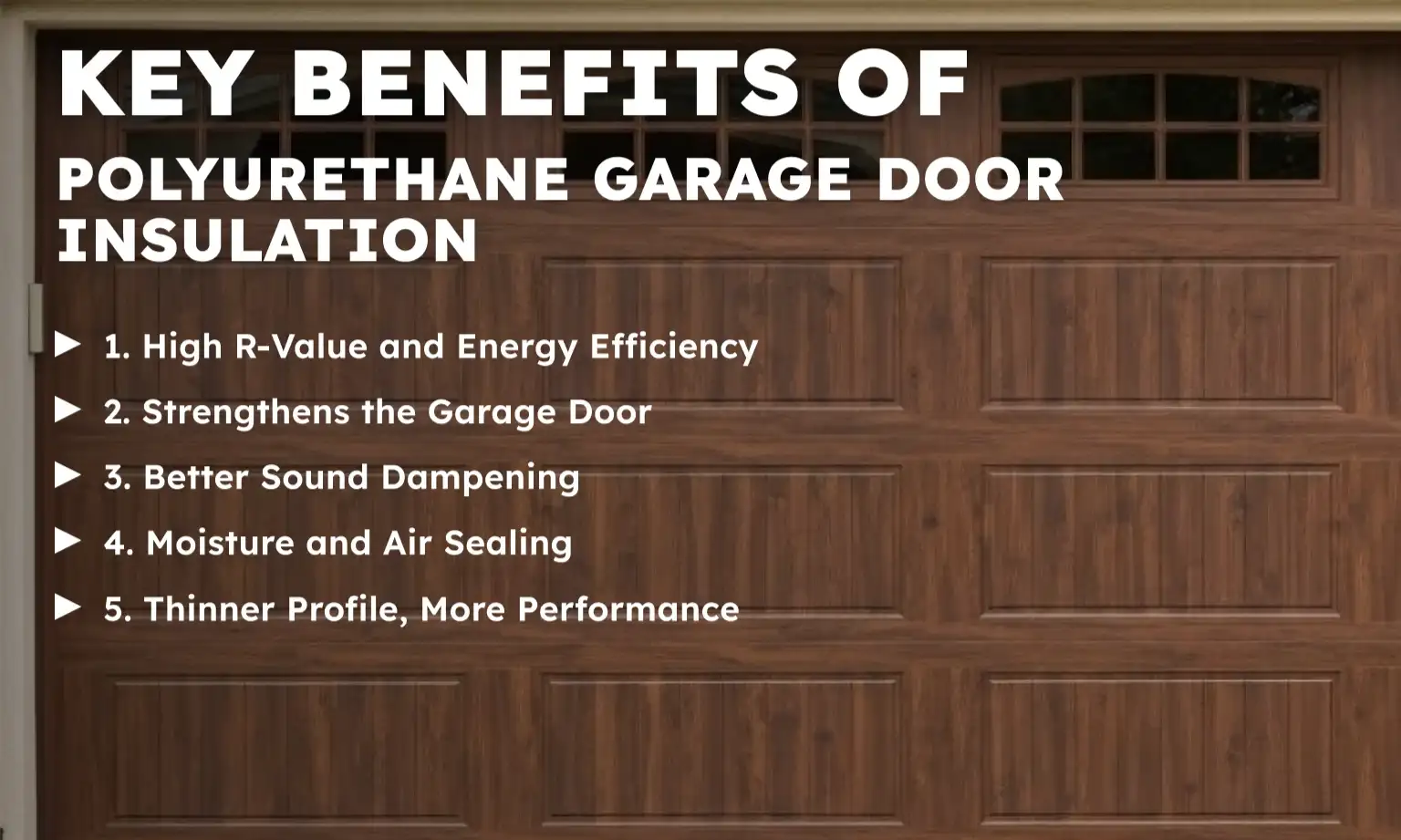
1. High R-Value and Energy Efficiency
Polyurethane offers some of the best thermal resistance per inch among insulation materials. With an R-value typically between R-12 and R-19, it makes your garage significantly more comfortable year-round while lowering your heating and cooling costs. It’s ideal for an energy-efficient garage door setup.
2. Strengthens the Garage Door
By bonding tightly to door panels, polyurethane insulation adds rigidity and impact resistance. This makes the door more durable against dents, warping, and everyday wear.
3. Better Sound Dampening
The dense foam blocks more exterior noise than other insulation types, making it a great option if your garage faces a busy street or doubles as a workspace.
4. Moisture and Air Sealing
Polyurethane acts as an air and vapor barrier. It seals small gaps and keeps out moisture, reducing condensation and helping prevent mold.
5. Thinner Profile, More Performance
It provides better insulation than thicker polystyrene panels, which means thinner doors can offer superior efficiency. This allows for sleek, modern insulated garage doors without sacrificing performance.
When Polyurethane Garage Door Insulation Makes the Most Sense
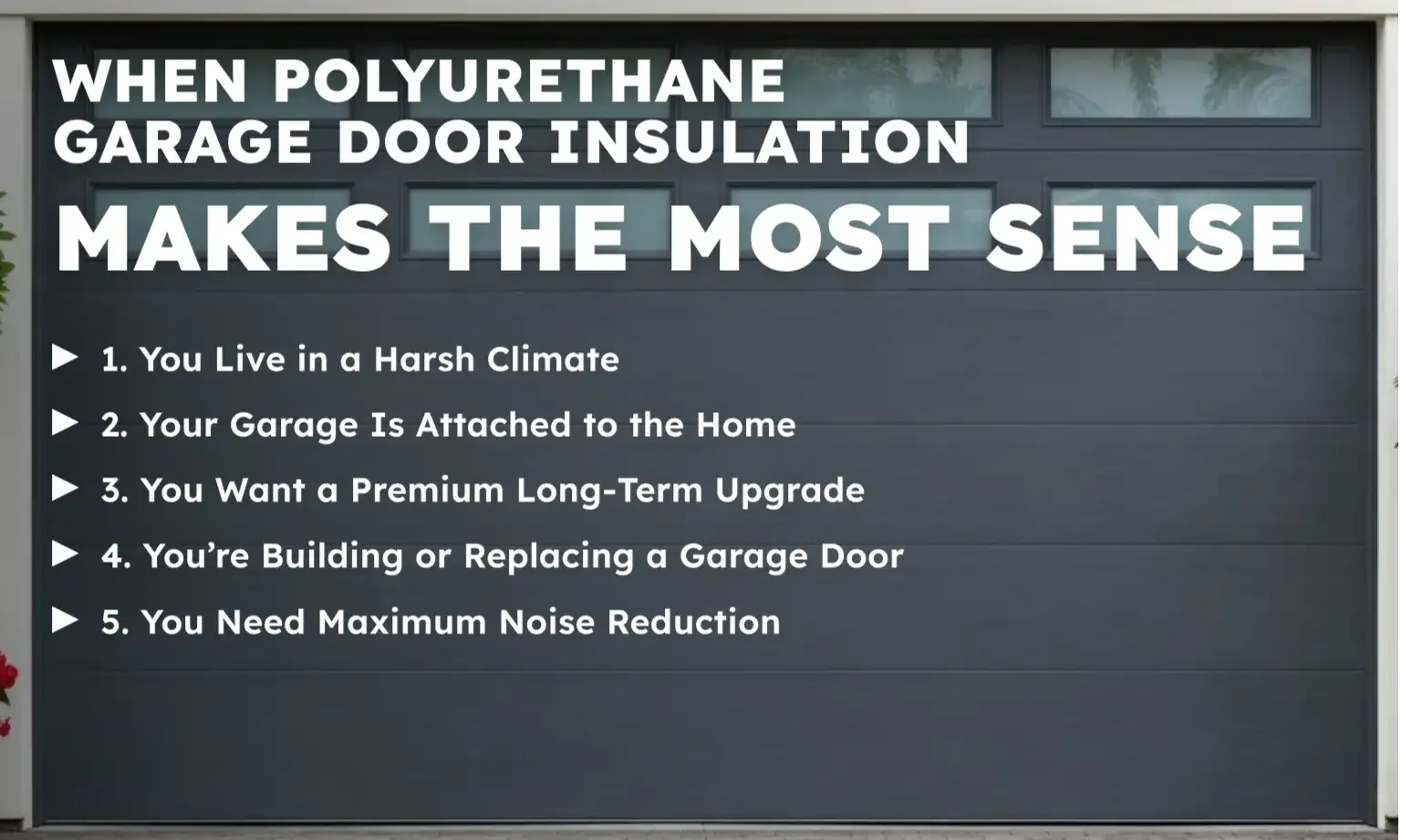
1. You Live in a Harsh Climate
If your area sees freezing winters or scorching summers, polyurethane is the best option for temperature control and energy savings.
2. Your Garage Is Attached to the Home
An attached garage can transfer heat or cold into living areas. Polyurethane helps block that exchange and maintain indoor comfort.
3. You Want a Premium Long-Term Upgrade
It’s perfect if you’re investing in one of the best insulated garage doors for long-term value, performance, and durability.
4. You’re Building or Replacing a Garage Door
Since polyurethane garage door insulation is factory-injected, it’s the ideal choice when buying a new door rather than retrofitting an old one.
5. You Need Maximum Noise Reduction
All insulated garage doors help reduce outside noise, but polyurethane insulation performs better due to its dense, gap-free structure — ideal for homes near traffic or active neighborhoods.
Comparing Two Popular Options: Polyurethane vs. Polystyrene Insulation
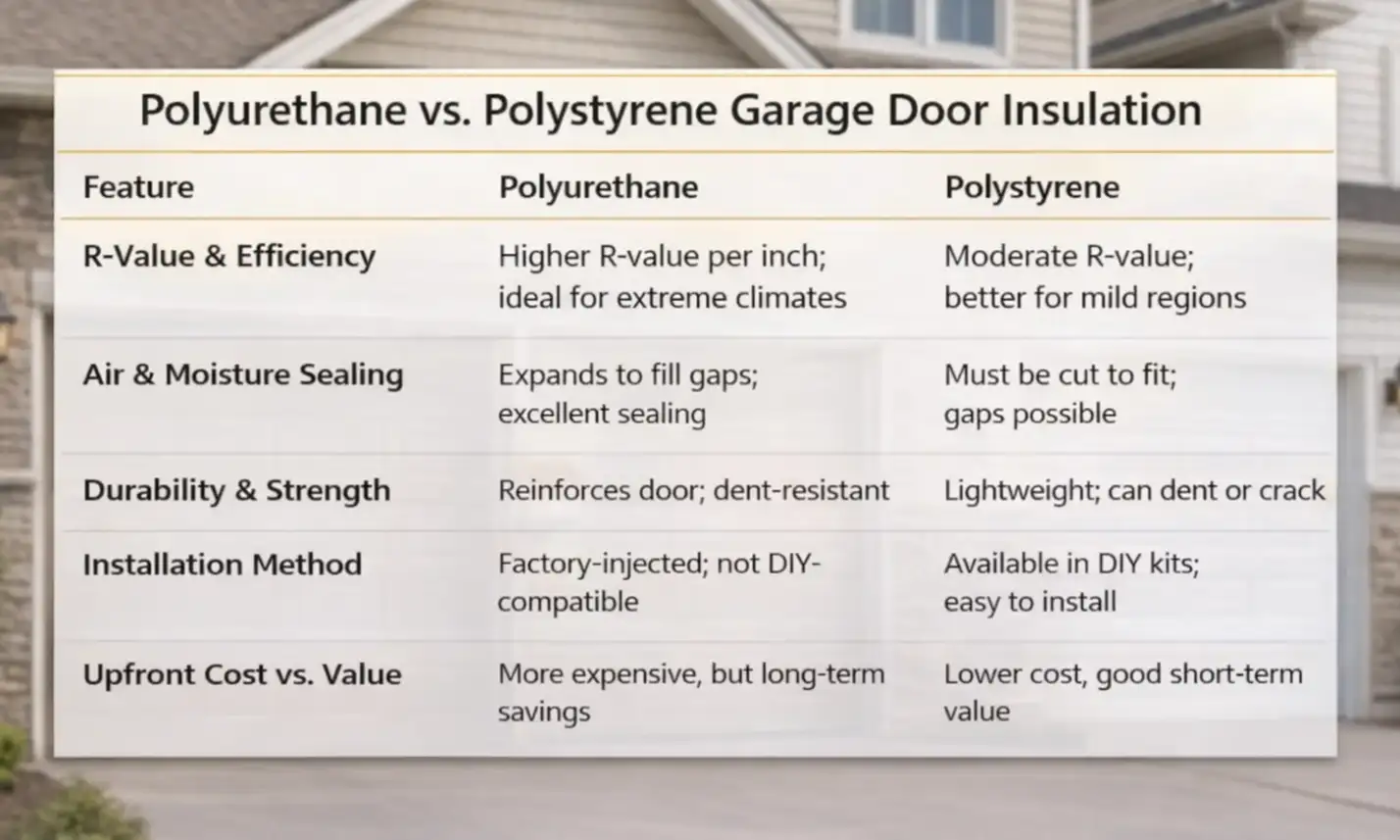
Polyurethane garage door insulation stands out in almost every category when compared to polystyrene, another popular option.
R-Value and Thermal Performance
Polyurethane delivers a higher R-value per inch, making it the better choice for maintaining indoor temperature in extreme climates or year-round use.
Sealing and Moisture Control
As an expanding foam, polyurethane fills gaps and provides better air sealing and moisture resistance. Polystyrene must be cut to fit, which can leave small air leaks if not installed carefully.
Strength and Durability
Polyurethane adds structural support to the door, helping resist dents and long-term wear. Polystyrene is lighter and more prone to damage in high-traffic garages.
Upfront Cost and Long-Term Value
Polystyrene is more affordable initially, but polyurethane offers greater value over time through improved energy savings, durability, and performance.
Installation and Availability
Polystyrene is widely available in DIY kits and is easy to install. Polyurethane is only available as factory-injected foam in new insulated doors — not for retrofits.
If you’re weighing options beyond just polyurethane and polystyrene, check out our breakdown of how to choose the best garage door insulation based on your home, climate, and goals.
Top 3 Important Installation Considerations You Should Know
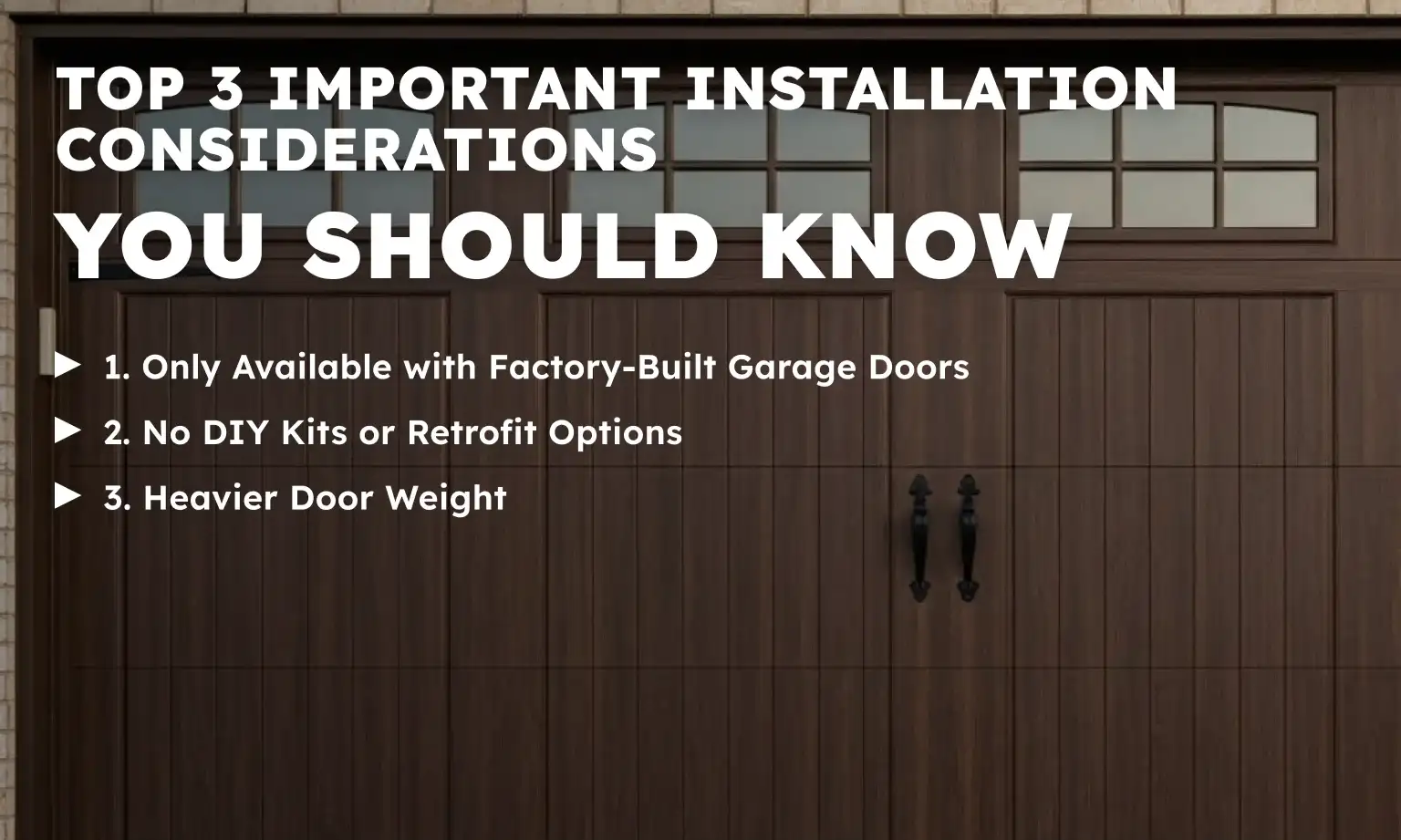
1. Only Available with Factory-Built Garage Doors
Polyurethane foam insulation is injected during manufacturing — it cannot be installed as an add-on or retrofit.
2. No DIY Kits or Retrofit Options
While some homeowners search for a polyurethane garage door insulation kit, real polyurethane insulation isn’t available as a panel or kit. For DIYers, polystyrene or reflective foam board is a better match. Here’s a step-by-step guide on how to install the insulation on a garage door using alternative materials.
3. Heavier Door Weight
Doors with polyurethane foam insulation are heavier and may require stronger springs or upgraded openers — something professional installers will account for.
Need more information?
Get a free quote
Upgrade with Polyurethane Insulation by Up & Down Garage Doors
Choosing the right garage door insulation depends on your goals, budget, and how you use your garage. At Up & Down Garage Doors, we help homeowners and contractors find the best-fit solutions, from basic insulation upgrades to high-performance polyurethane options. We offer expert advice, installations, and product recommendations tailored to your location and project. Contact us today to explore your options and enjoy lasting energy savings with polyurethane or another insulation type.
Frequently Asked Questions
What is the best garage door insulation?
Polyurethane garage door insulation is widely considered the best for energy savings, noise reduction, and durability — especially in extreme hot or cold climates.
What is the typical polyurethane garage door insulation R-value?
Most polyurethane-insulated garage doors have R-values between R-12 and R-19, depending on door construction, thickness, and layering.
Can I install polyurethane garage door insulation myself?
No — polyurethane insulation is injected at the factory during manufacturing. For retrofits, polystyrene kits are the better DIY option. Some high-end kits use polyisocyanurate foam, but they usually require professional installation.
What are the benefits of polyurethane foam insulation over other types?
Polyurethane foam insulation provides a higher R-value per inch, better air sealing, sound dampening, and added structural strength compared to styrofoam panels or other board insulation types.
Is polyurethane insulation worth the higher cost?
Yes — it delivers long-term energy savings and better comfort, especially for attached garages or homes in areas with harsh seasonal temperatures.
You may also like