Your Complete Guide to Fixing Garage Doors in Sherman, TX
Published: Mar 10, 2026
That sudden, jarring sound. That sinking feeling when you press the button and nothing happens. A malfunctioning garage door isn't just an inconvenience; it's a disruption to your daily life and a potential safety concern for your family. If you're a Sherman homeowner staring at a stuck, noisy, or broken garage door, you've probably asked yourself: "What's wrong with it, can I fix it myself, and who can I trust to help?"
You're not alone. These are the most common questions homeowners have, and this guide is designed to give you clear, honest answers. We'll walk you through diagnosing the problem, understanding which fixes are safe for a DIY approach, and knowing when it's time to call in a professional.
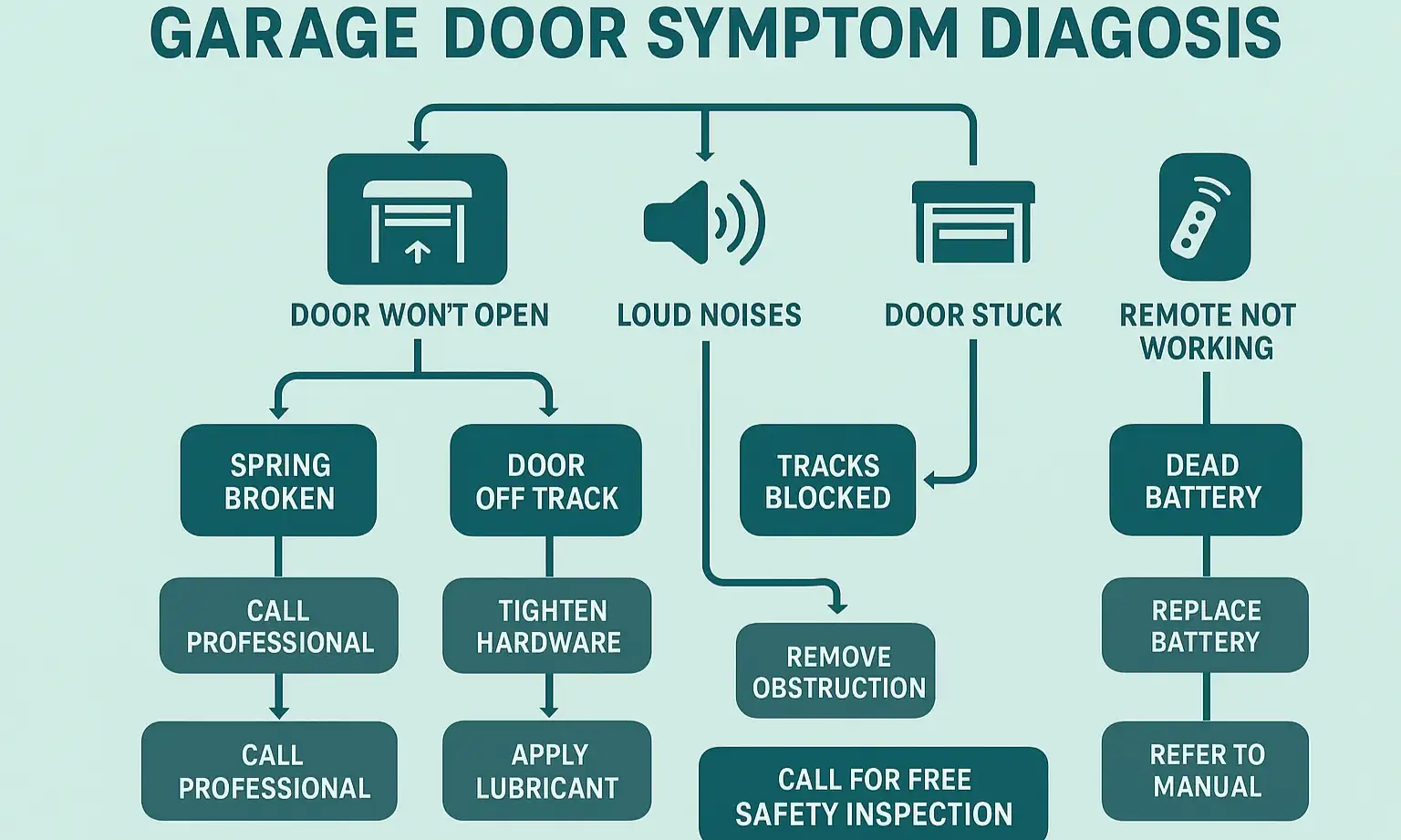
Is Your Garage Door Noisy, Stuck, or Broken? A Quick Symptom Checker
Before the Fix: Understanding Your Garage Door's Key Parts
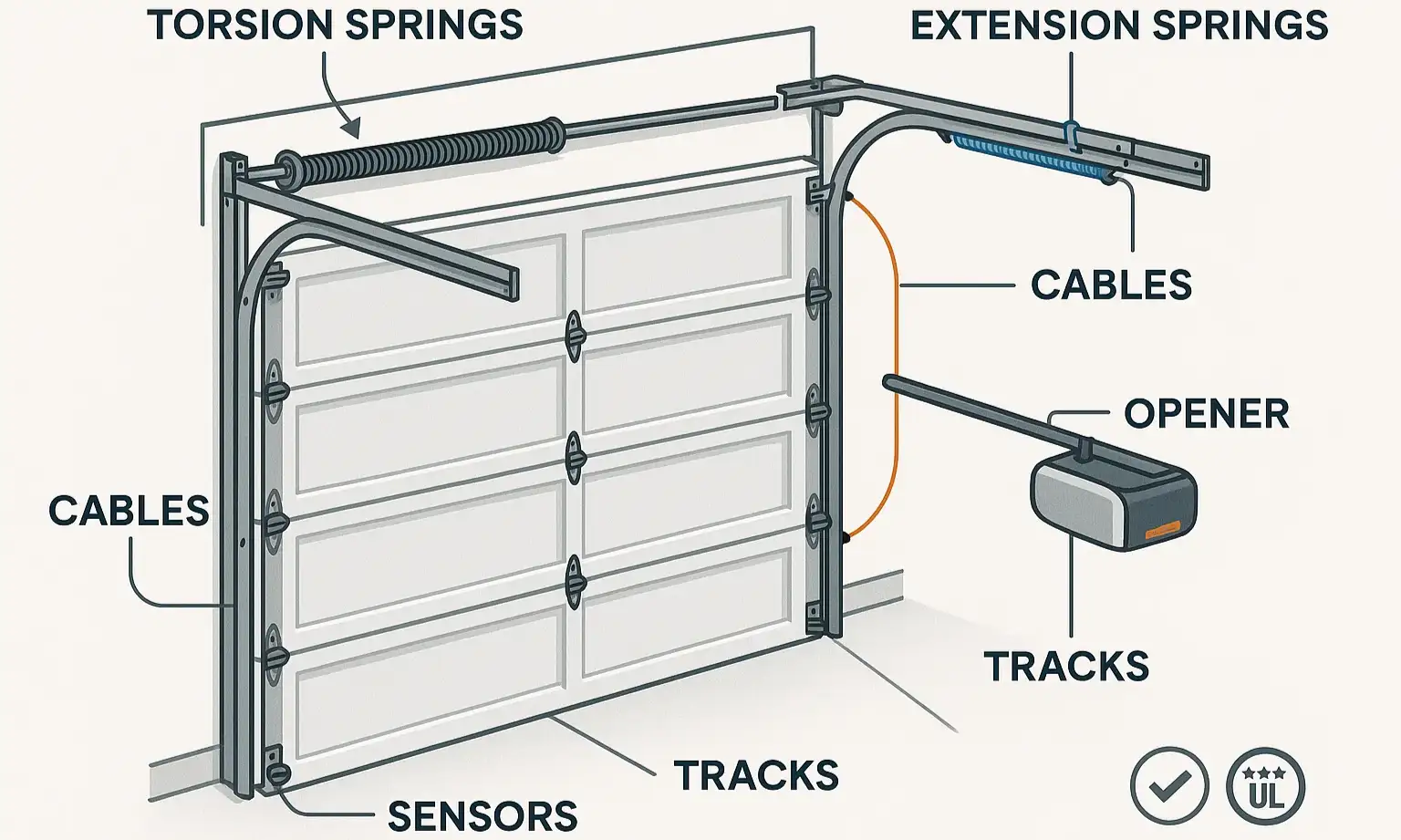
- Springs (Torsion or Extension): These are the muscles of the system. They do the heavy lifting, counterbalancing the door's weight so the opener can move it easily. They are under extreme tension.
- Opener: The motorized device that automates the opening and closing. It's the brain of the operation but doesn't do the actual lifting.
- Cables: These steel cables connect the springs to the bottom of the door, transferring the lifting force.
- Rollers & Tracks: The wheels (rollers) run along the metal guides (tracks) on either side of the door, ensuring it moves smoothly up and down.
- Panels: The individual sections of the door itself.
The "Can I Fix It Myself?" Checklist: 5 Safe DIY Fixes
- Lubricate Moving Parts: If your door is noisy, a squeak or grinding sound could just be friction. Use a silicone-based lubricant on the rollers, hinges, and springs. The dust and pollen we get in North Texas can gunk things up, so this is a great seasonal task.
- Clear the Tracks: Check the metal tracks for debris like leaves, dirt, or small objects. A simple obstruction can stop the door in its tracks—literally.
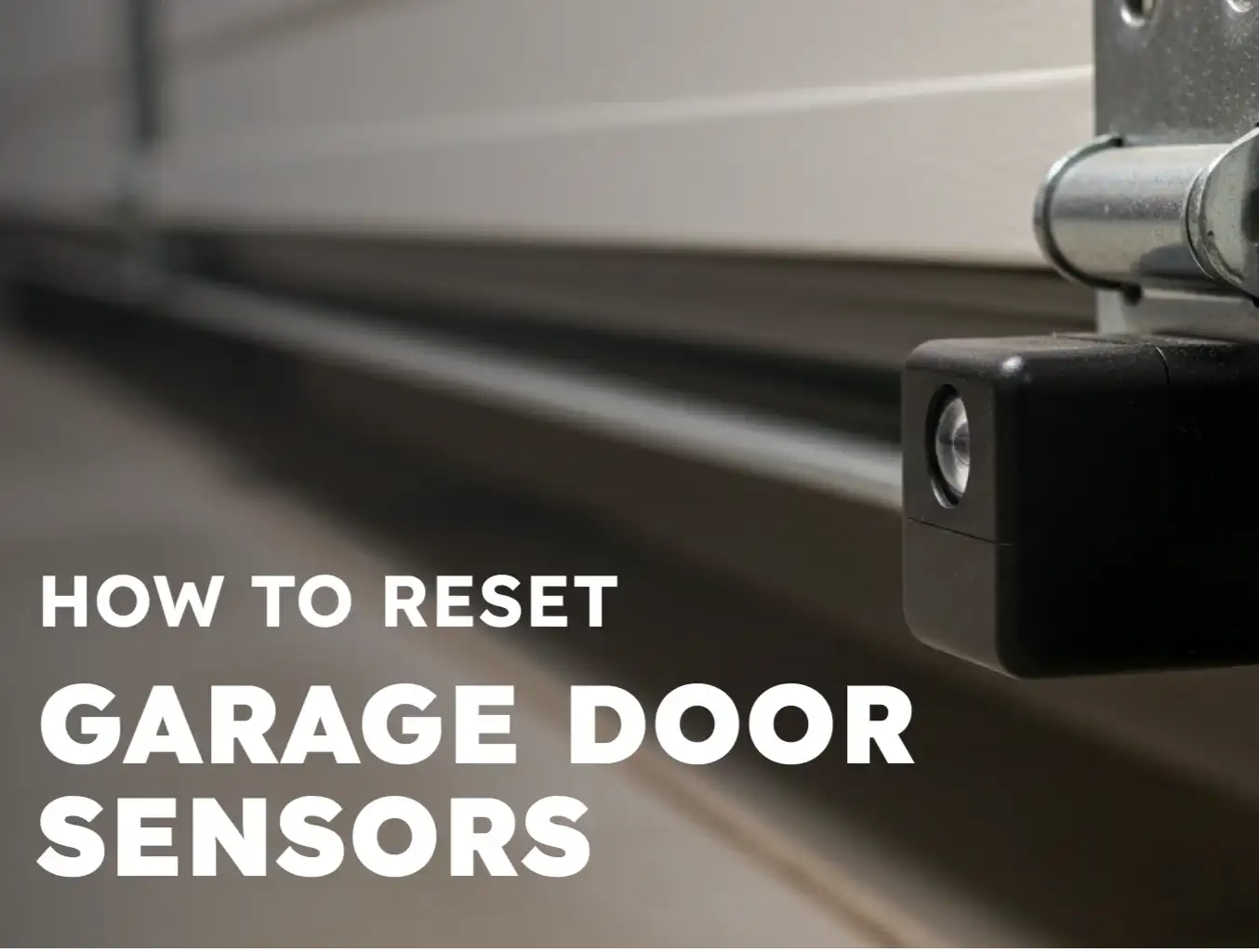
- Check the Photo-Eye Sensors: These small sensors near the bottom of the door track can get misaligned or dirty. If your door won't close, wipe the lenses and ensure they are pointing directly at each other (a small indicator light should be solid).
- Replace Remote Batteries: It sounds obvious, but it's often the culprit when the remote stops working. Before you assume the worst, try a fresh set of batteries.
- Test the Reversal Mechanism: Place a 2x4 board flat on the ground where the door closes. When the door touches it, it should immediately reverse. If it doesn't, it's a safety hazard that needs professional attention. If you've ever had a situation where the garage door will not open but motor is running, it could signal a disconnect between the opener and the door itself.
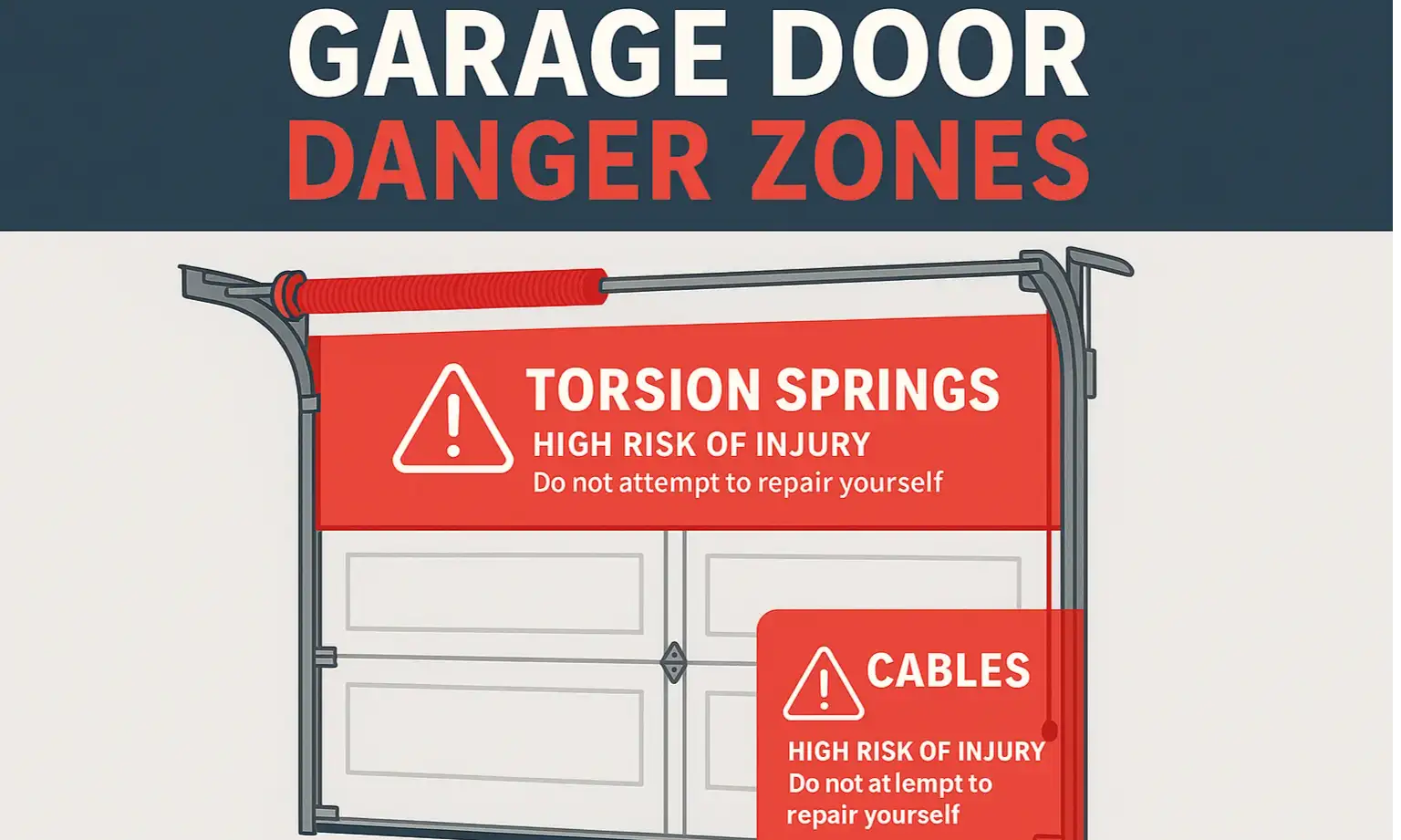
The DIY Danger Zone: Why Some Repairs Need a Professional in Sherman
Your Garage Door is Talking: Translating Common Problems
- Potential Causes: Could be worn-out rollers, lack of lubrication, or loose hardware. A loud bang is often the sound of a spring breaking.
- DIY or Pro? Start with lubrication (DIY). If that doesn't solve it, or if you heard a loud bang, it's time for a professional diagnosis. A broken garage spring repair is firmly in the "Call a Pro" category.
- Potential Causes: This is a broad one. It could be misaligned safety sensors, a dead remote battery, a power issue, a broken spring, or a problem with the opener's logic board.
- DIY or Pro? Check the simple things first: remote batteries, sensor alignment, and make sure the opener is plugged in (DIY). If those aren't the issue, you're likely dealing with a mechanical or electrical failure that requires professional Up & Down Garage Door repair.
- Potential Causes: This often points to an issue with the cables or springs on one side. A frayed cable could be about to snap, or a spring could be broken. It could also be a bent track.
- DIY or Pro? This is a serious issue. Do not try to force the door open or closed, as it could come off its tracks entirely. This is an immediate call for a professional. Sometimes the issue can be a dented garage door panel that is catching on the track.
Choosing the Right Help: What to Ask a Garage Door Technician in Sherman, TX
- Are you licensed and insured in Texas? This is non-negotiable and protects you from liability.
- How long have you been serving the Sherman area? Local experience matters, as they'll be familiar with common issues in our region's homes.
- Can you provide an upfront, itemized quote? Transparency is key. Avoid anyone who gives a vague price over the phone.
- What kind of warranty do you offer on parts and labor? A reputable company will stand behind its work.
Need more information?
Get a free quote
Frequently Asked Questions from Sherman Homeowners
Should I repair or replace my garage door?
How often should I service my garage door in the Texas climate?
Is a noisy garage door a serious problem?
Your Next Step to a Safe and Smooth Garage Door
You may also like