





Best Practices for Garage Door Keypad Security
Published: May 5, 2026
Your garage door keypad is a marvel of convenience. It lets you jog without keys, gives the kids access after school, and lets a trusted neighbor in when you’re away. But have you ever stopped to think about the code you’re using? That simple four-digit number is essentially a key to your home. Is it a strong, complex lock or the equivalent of leaving a key under the doormat?
Too often, we set our keypad code to something easy—a birthday, an anniversary, or the dreaded “1-2-3-4″—and never think about it again. While convenient, these simple codes can be a security risk.
The good news is that securing this vital entry point is simpler than you think. It starts not just with what code you choose, but with understanding the powerful technology working behind the scenes.
The #1 Thing to Know: Rolling Codes vs. Fixed Codes
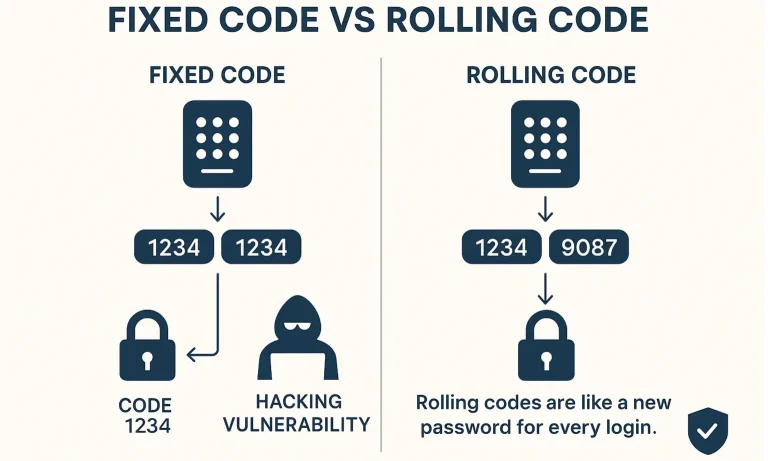
To truly appreciate modern keypad security, you need to understand one game-changing concept: rolling code technology. It’s the single biggest reason why today’s keypads are leagues more secure than their predecessors.
Fixed Code (The Old Way): Imagine your keypad code is like a physical key. Every time you use it, you’re using the exact same key. Early garage door openers used this system. The remote or keypad sent the same static code every single time. The problem? A savvy thief with a simple “code grabbing” device could intercept that signal, copy your “key,” and use it to open your garage at will.
Rolling Code (The Modern Standard): Now, imagine that every time you used your key, it magically transformed into a brand-new one that only the lock would recognize for that one entry. That’s rolling code. Each time you press the button on your keypad, it sends a unique, one-time-use code to the opener. The opener, which is synced with the keypad, recognizes the new code, opens the door, and then “rolls” to the next code in its sequence. If a thief intercepts the signal, it’s useless because that code will never be used again.
This technology makes hacking a modern garage door opener nearly impossible. So, a common question is, how do I know if my garage door opener has a rolling code? The great news is that most openers manufactured in the last 20 years use this superior technology. This means the biggest vulnerability isn’t the signal—it’s the PIN you choose.
How to Choose a Code That's Secure AND Memorable
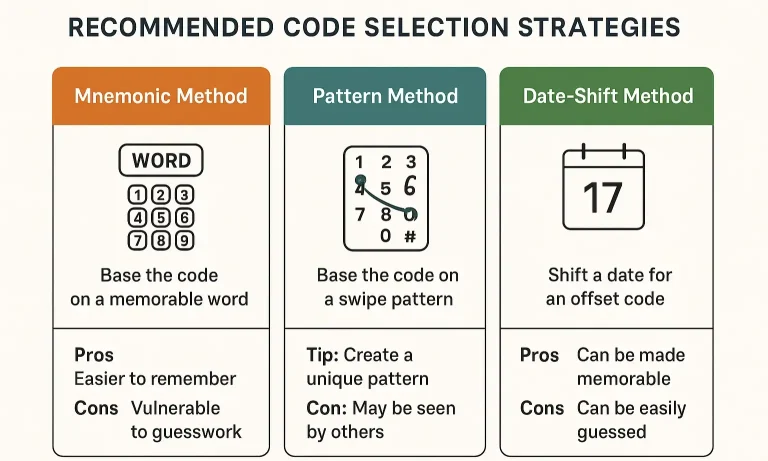
The challenge isn’t just picking a random string of numbers; it’s finding one that you and your family can actually remember without writing it down on a post-it note next to the keypad. Forget birthdays, addresses, and repeating numbers. Let’s get creative with these proven strategies.
The Mnemonic Method
This clever trick uses a memorable four-letter word and translates it to the numbers on your keypad, just like an old phone.
Example: Choose the word “HOME.”
- H is on the 4 key.
- O is on the 6 key.
- M is on the 6 key.
- E is on the 3 key.
Your new, secure code is 4663. It’s random to an outsider but easy for you to recall.
The Pattern Method
Your keypad is a grid. Use it to create a visual pattern that’s easy to remember but hard to guess. Think beyond a simple line or a plus sign.
Example: A “Z” shape on the keypad would be 1-2-3-5-7-8-9. A small square could be 1-2-5-4. This method is great for creating longer, more complex codes that are still easy to remember visually.
The Date-Shift Method
Take a memorable date, but give it a twist so it’s not obvious. Pick a date (like April 10th, or 04/10) and add or subtract one from each digit.
Example: Using the date 0410:
- Add 1 to each digit: 1521
- Subtract 1 from each digit (and wrap 0 to 9): 9309
- This creates a code that’s personally meaningful but completely disguised.
Once you’ve chosen your new, stronger code, the most important step is implementation. It’s crucial to know how to change the garage door code on your specific unit to make your home more secure.
Step-by-Step: How to Change Your Garage Door Keypad Code
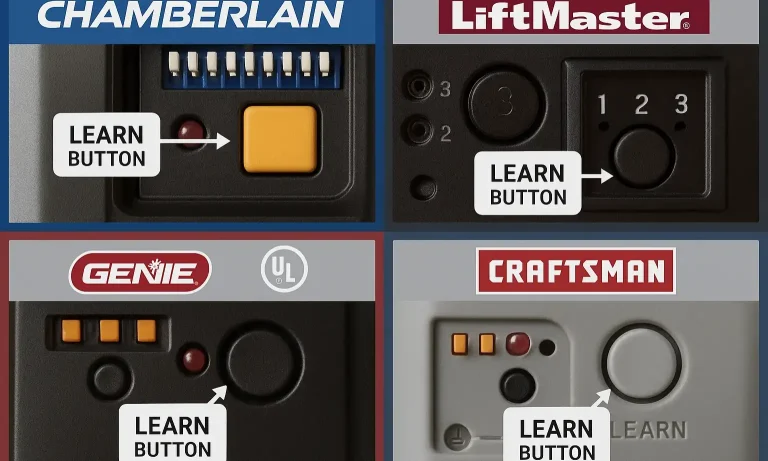
While the exact steps can vary slightly by brand (like Chamberlain, LiftMaster, or Genie), the general process is remarkably consistent. The magic happens with a small, often colorful “Learn” button on the back of your motor unit.
The Basic Process:
- Locate the “Learn” Button: Find the square or round button on the motor unit hanging in your garage. It often has an LED light next to it.
- Press and Release: Briefly press and release the Learn button. The LED should light up and stay lit for about 30 seconds.
- Enter Your New Code: Within those 30 seconds, go to your outdoor keypad and type in your new 4-digit (or longer) PIN.
- Confirm: Press the “Enter” or “Send” button on the keypad. The lights on your garage door opener will likely blink to confirm the new code has been accepted.
That’s it! If you’ve lost track of the current PIN, learning how to reset the garage door code from scratch is your first step before programming a new one.
Beyond the Code: Securing Your Keypad and Answering Your Questions
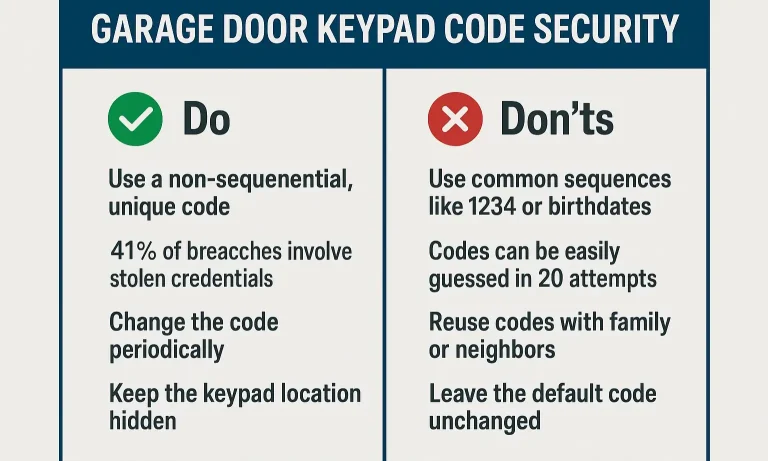
A strong code is your primary defense, but a few extra steps can add even more layers of security to your home.
3 Ways to Physically Secure Your Keypad
- Smart Placement: Don’t install the keypad in a hidden alcove where someone could work on it undetected. Place it in a well-lit, visible location. Proper garage door keypad installation is your first line of physical defense.
- Use the Cover: The protective cover isn’t just for shielding against rain and snow. It also prevents prying eyes from watching you enter your code and protects the keypad from wear and tear.
- Regular Maintenance: Check the keypad for signs of tampering. Ensure it’s firmly attached to the wall and that the battery compartment is secure.
Frequently Asked Security Questions
How secure are keypad garage door openers?
This leads many homeowners to ask, are garage door keypads safe? The answer is a resounding yes, provided they use modern rolling code technology and you set a strong, unique PIN. The combination of advanced technology and user diligence creates a highly secure entry point.
Can someone “hack” my garage door keypad?
Hacking a rolling code signal is incredibly difficult and requires sophisticated equipment, making it highly unlikely for the average burglar. The far greater risk comes from easily guessed codes (like 1111 or 1234) or someone observing you entering your PIN.
How often should I change my garage door code?
It’s a great practice to change the code at least once a year. You should also change it immediately if you’ve recently given it out to a contractor, house sitter, or if you suspect it has been compromised.
What if my keypad stops working?
Before assuming the worst, check the simplest solution first: the battery. Cold weather can drain batteries quickly. If a fresh battery doesn’t solve the problem, the unit may need to be reprogrammed or serviced.
Your garage door is the largest moving part of your home. Taking a few minutes to secure it properly with a thoughtful code provides peace of mind that’s well worth the effort. It’s a simple change that makes a big difference.
You May Also Like
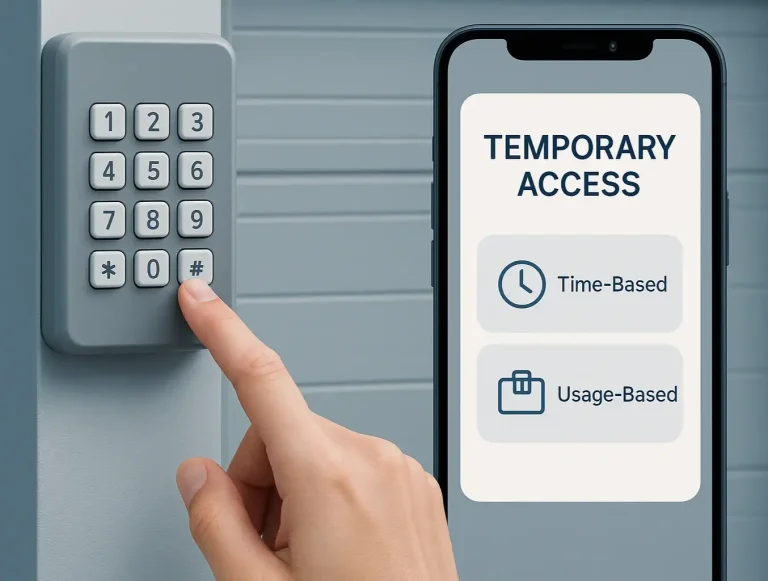
Setting Up Temporary Garage Door Access Codes for Deliveries or Guests
Ever found yourself in a tricky situation, needing to give someone access to your garage? Maybe the dog walker is coming while you're at work, a contractor needs to drop off materials, or you have a much-anticipated…
Published Date: May 4, 2026
How To Change Garage Door Code
Changing your garage door code might not seem to be a priority. However, even the smallest details matter when it comes to keeping your home safe and secure. That’s why taking care of your garage door's functionality…
Published Date: Aug 22, 2024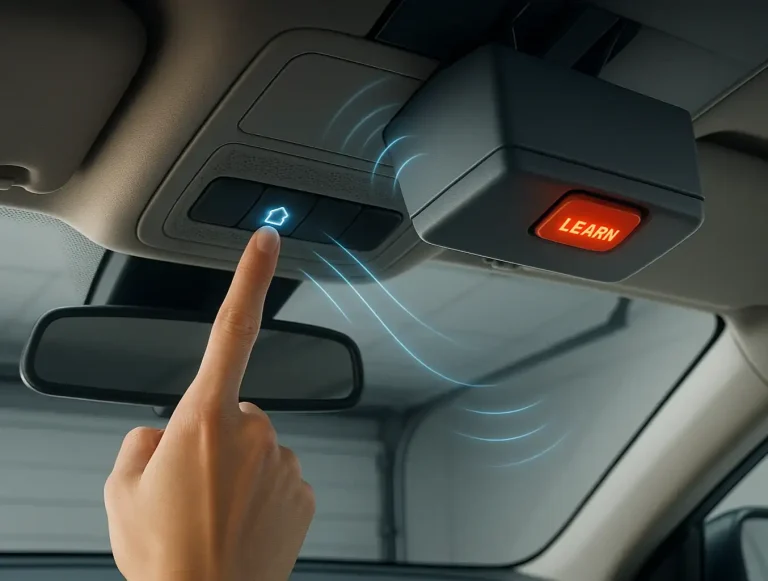
Decoding Rolling Codes: Your Guide to Car-to-Garage Programming
You’ve tried it once. You’ve tried it a dozen times. You’re sitting in your car, pressing the built-in button, pointing it at your garage, and… nothing. The blinking light on your visor taunts you, and the garage…
Published Date: Mar 31, 2026