





Seasonal Garage Door Alignment
Published: Apr 23, 2026
Does your garage door have a mind of its own when the seasons change? One day it glides smoothly, and the next, it’s groaning, sticking, or stubbornly refusing to close. If you’ve ever found yourself asking, “Why does this only happen when it gets cold?” or “The door was fine until this summer’s heatwave,” you’re not imagining things.
You’ve stumbled upon one of the most common—yet least discussed—causes of garage door problems: the weather.
Just like a wooden front door that sticks on a humid day, the materials in your garage door system expand, contract, and react to changes in temperature and humidity. This can throw off the delicate balance it needs to operate correctly, leading to frustrating and seemingly random issues. But once you understand the science, you can move from reacting to problems to preventing them.
The Secret Science: Why Weather Affects Your Garage Door
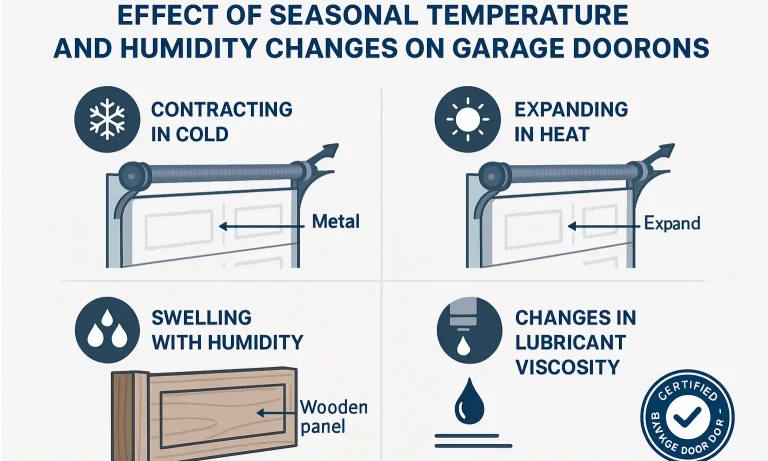
Your garage door is a complex system of interconnected parts, and many of them are vulnerable to the elements. The perfect harmony it operates in can be easily disrupted by a simple change in the weather. Here’s how.
Foundation (The Science of Seasons)
- Metal Contracts in the Cold: The steel tracks, rollers, springs, and hinges on your garage door all shrink slightly when the temperature drops. While this contraction is minuscule, it can be enough to tighten clearances, increase friction, and cause the door to bind or strain.
- Materials Expand in the Heat & Humidity: In the summer, the opposite happens. Metal parts expand, and if you have a wooden or wood composite door, it can absorb moisture from the humid air and swell. This expansion can cause the door to rub against the frame, stick in the tracks, or become too heavy for the opener’s settings.
- Lubricants Thicken in Winter: The grease that keeps everything moving smoothly can thicken and become stiff in cold weather. This forces the opener motor to work much harder to move the door, which can trigger the safety mechanism to reverse, thinking it has hit an obstacle.
These subtle physical changes are the root cause of most seasonal garage door headaches. By recognizing the symptoms, you can quickly diagnose the problem.
Your Seasonal Symptom Checker
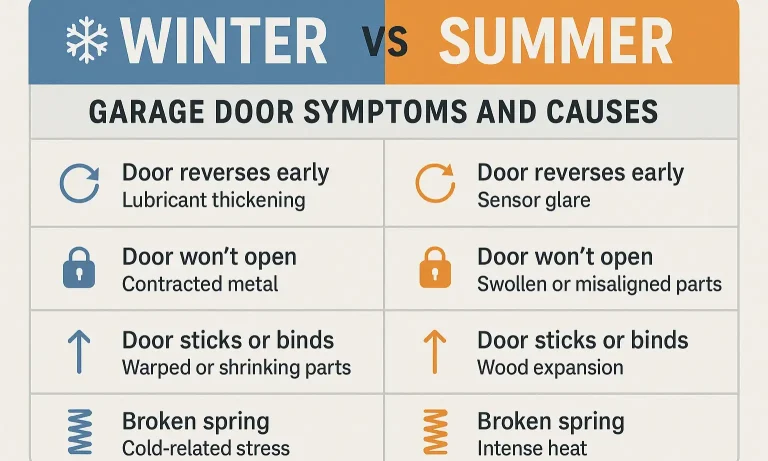
Think of yourself as a detective. The season provides the first clue, and the door’s behavior tells you the rest of the story.
Winter Woes: Cold Weather Conundrums
Symptom: The door goes down a few feet, then reverses.
Likely Cause: This is the classic cold-weather complaint. The thickened lubricant and contracted parts make the opener think it’s hitting something. If your garage door won`t close, this is often the culprit. The safety sensors might also be affected by extreme cold, causing a misalignment.
Symptom: The door makes loud screeching or grinding sounds.
Likely Cause: Metal-on-metal rubbing due to contraction and poor lubrication. The parts that once had enough clearance are now grinding against each other.
Summer Setbacks: Heat and Humidity Headaches
Symptom: The door is binding, rubbing, or looks like it’s getting stuck.
Likely Cause: This is a common sign of a garage door sticking when opening. The materials—especially wood—have expanded from the heat and humidity, making the fit too tight.
Symptom: The opener seems to be straining or moving slower than usual.
Likely Cause: Increased friction from expanded parts is forcing the motor to work overtime. The door might also feel heavier if it has absorbed moisture.
Getting Back on Track: Simple Seasonal Adjustments
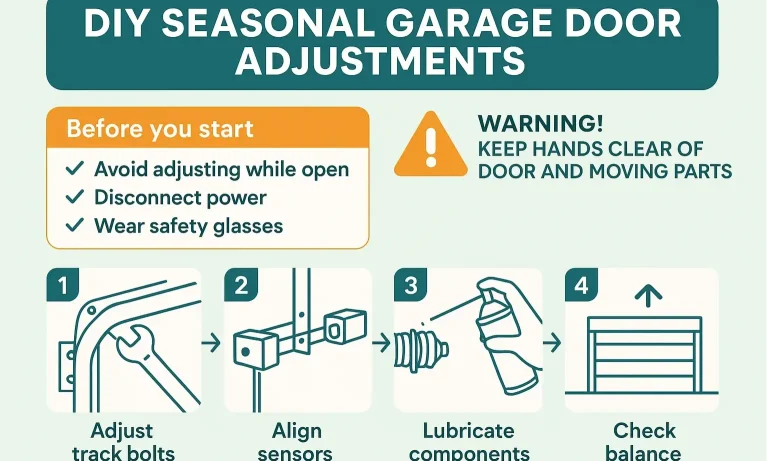
Before you panic and call for a major repair, many seasonal issues can be addressed with a few simple checks and adjustments.
A Crucial Safety Note: This guide covers minor adjustments. Never attempt to adjust, repair, or remove the high-tension springs or cables. These components are under extreme force and can cause severe injury.
1. The Photo-Eye Sensor Check (The Easiest Fix)
Your garage door has a pair of safety sensors near the bottom of the tracks. If their invisible beam is broken, the door won’t close.
- Inspect: Look for blinking lights on the sensors. A steady light usually means they are aligned; a blinking light indicates a problem.
- Clean: Wipe the lenses with a soft, dry cloth. Dust, cobwebs, or even condensation from temperature shifts can block the beam.
- Align: Gently nudge the sensors until both lights are solid. If you need more guidance, our guide on how to align garage door sensors provides a detailed walkthrough. Understanding the proper garage door sensor location is the first step to ensuring they work correctly.
2. A Visual Look at the Tracks
Sometimes, temperature changes can cause the bolts holding your tracks to loosen slightly.
- Inspect: Visually inspect the vertical tracks. Do they look straight and parallel?
- Tighten: Use a wrench to gently tighten any loose bolts on the brackets holding the tracks in place. Do not overtighten, and do not move the tracks themselves. A proper garage door track alignment ensures the door moves freely without added friction.
- Consult Your Manual: Every opener is different. Consult your owner’s manual to find the adjustment dials or buttons.
- Make Small Adjustments: In winter, you might need to slightly increase the closing force. In summer, you might need to adjust the travel limits if the door isn’t sealing properly. Make tiny, incremental changes and test the door after each one.
3. Adjusting Opener Force and Travel Limits
Most modern garage door openers have settings you can adjust to compensate for seasonal changes. The “force” setting controls how much power the opener uses, while the “travel” setting dictates where the door stops.
The Proactive Plan: Your Year-Round Garage Door Health Calendar
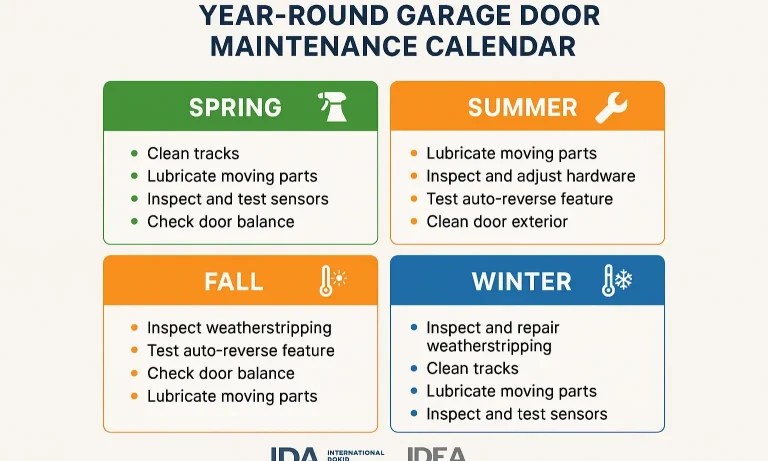
The best way to deal with seasonal issues is to get ahead of them. A little preventative maintenance goes a long way.
Spring Tune-Up (As the Weather Warms)
- Wipe Down Tracks: Clean any debris or grime that accumulated over the winter.
- Check the Weather Seal: Look at the rubber seal at the bottom of your door. If it’s cracked or brittle, replace it to keep water and pests out.
- Test Door Balance: Disconnect the opener (pull the red cord) and lift the door manually. It should stay open halfway. If it falls or shoots up, the springs are unbalanced and need professional service.
Fall Preparation (Before the Cold Hits)
- Lubricate Moving Parts: This is the single most important fall task. Apply a high-quality, silicone- or lithium-based garage door lubricant to all hinges, rollers, and springs.
- Common Mistake Alert: Do NOT use WD-40! It’s a degreaser and will strip away the existing lubricant, making things worse. Knowing how often should you lubricate your garage door can prevent the majority of noise and friction issues.
- Test Safety Features: Place a 2×4 board flat on the ground where the door closes. The door should hit it and reverse. Also, test the photo-eyes by waving an object through the beam as the door closes. It should immediately reverse.
Following these seasonal garage maintenance tips will ensure your door is ready for whatever the weather throws at it.
Frequently Asked Questions
How do I know if my garage door is misaligned?
A typical sign is uneven gaps between the door and the frame when it’s closed. You might also notice the door moving jerkily or making scraping sounds. For a full breakdown, our beginner’s guide to garage door alignment is a great resource.
Can I adjust the garage door springs or cables myself?
We strongly advise against it. Garage door springs and cables are under incredible tension and can cause serious injury or property damage if they break or are handled improperly. If you suspect an issue with these parts, it’s always best to call a professional. You can learn more about when to call a pro in our guide on how to adjust garage door cables.
What kind of lubricant should I use for my garage door?
Look for a spray lubricant specifically designed for garage doors, typically a white lithium or silicone-based grease. These are designed to stick to the parts without attracting dust and grime and will perform well in a wide range of temperatures.
Your Path to a Happier Garage Door
Your garage door isn’t trying to be difficult—it’s just reacting to its environment. By understanding how temperature and humidity affect its performance, you can stop being frustrated by problems and start preventing them with simple, seasonal check-ups.
A little bit of attention in the spring and fall is often all it takes to ensure a smooth, reliable, and quiet garage door, no matter what the weather report says.
You May Also Like
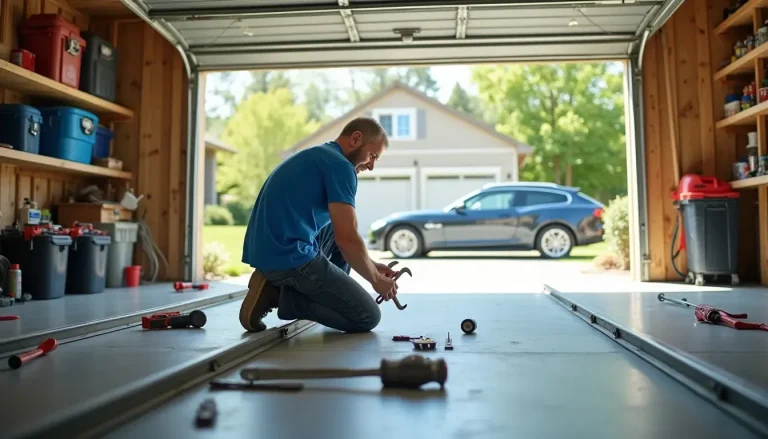
Beginner’s Guide to Garage Door Alignment: A DIY Homeowner’s Approach
A garage door is more than just an entry point to your home. It’s a key part of daily convenience. It plays a crucial role in your home's security. However, when it’s not working right, it can disrupt your routine.…
Published Date: Feb 19, 2025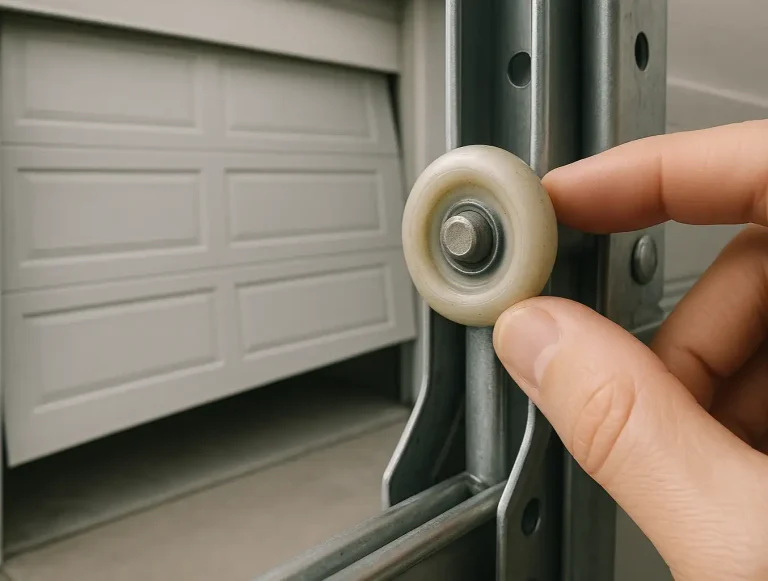
Understanding Garage Door Roller Play and its Impact on Alignment
You’ve tried everything. You lubricated the rollers, but the grinding noise came back. You nudged the tracks, but the door still closes unevenly. It's a common frustration: you fix the symptoms, but the root cause…
Published Date: Apr 22, 2026
Why Insulating Your Garage Door Is Essential for the Summer Season
When summer hits, an uninsulated garage can quickly become one of the hottest spots of your home. This makes the space uncomfortable and increases your energy bills. Insulating your garage door is a smart way to…
Published Date: Dec 23, 2024