
Newest in our blog
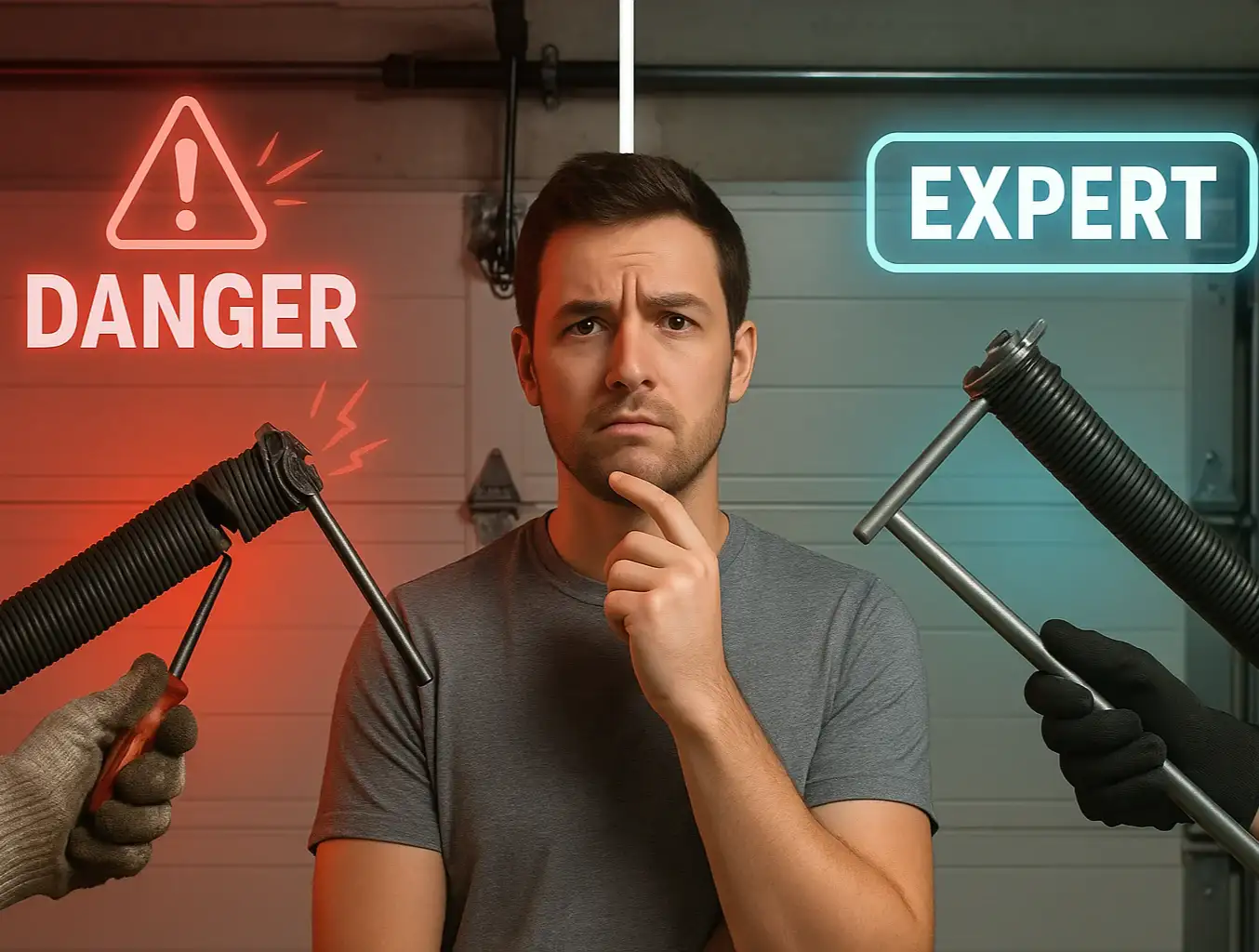
DIY vs. Professional Garage Door Spring Maintenance
It often starts with a sound you can’t ignore—a loud BANG from the garage, sharp enough to make you jump. You open the interior door and find nothing has fallen. But when you press the button for the garage door, it groans, lifts a few inches, and stops dead. Your car is trapped. Your day is derailed. If this sounds familiar, you’ve likely just experienced a broken garage door spring. And in this moment of stress, you’re faced with a critical question: "Can I fix this myself?" Welcome to the most important decision you'll make regarding your garage door. While the DIY spirit is admirable for many home projects, garage door springs are in a class of their own. They operate under extreme tension, and a mistake can lead to serious injury or property damage. This guide isn't here to scare you; it's here to empower you. We'll walk you through a clear, safety-first framework to help you distinguish between routine maintenance you can and should do, and dangerous repairs you must leave to a professional.
Published Date: Apr 10, 2026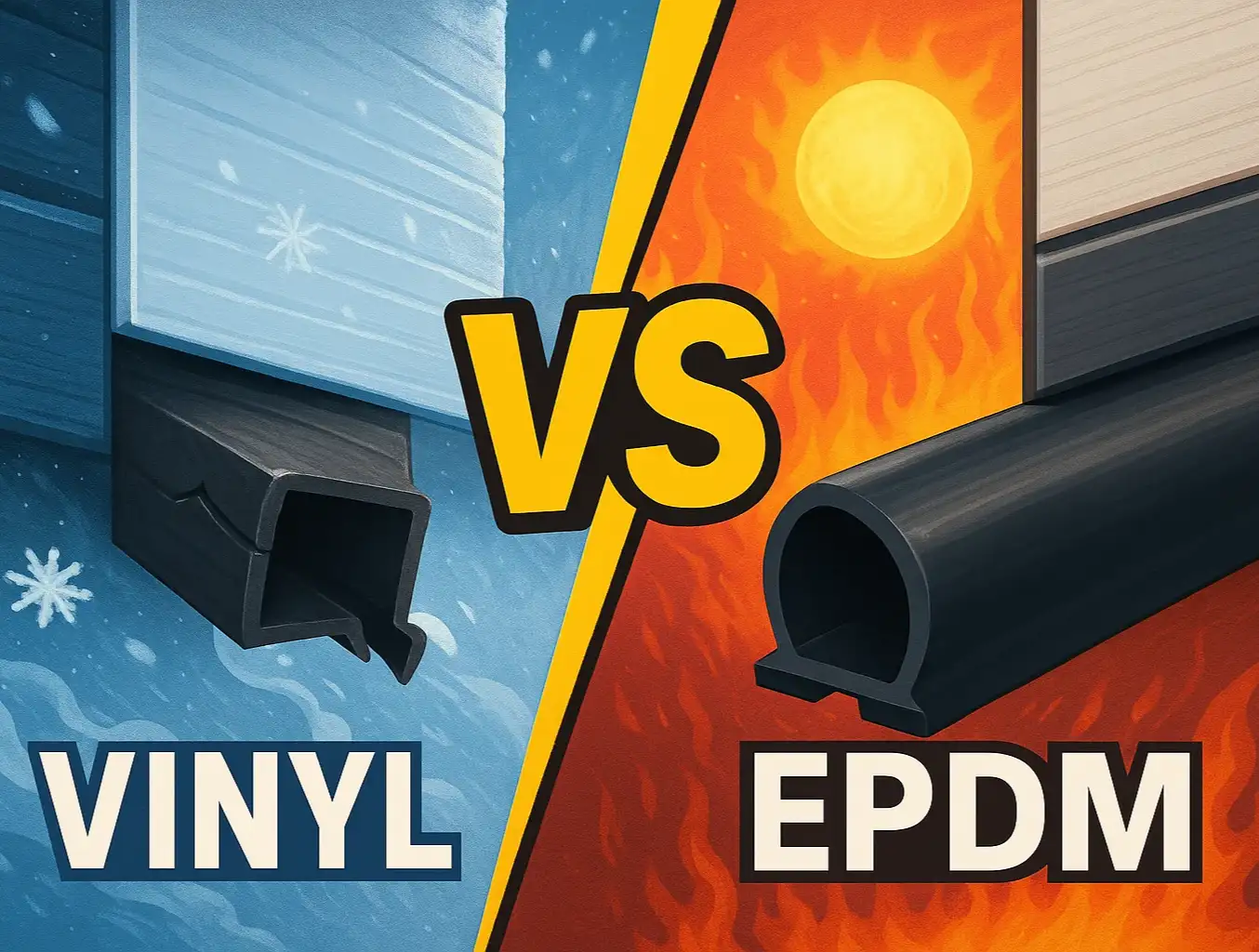
EPDM vs. Vinyl Garage Door Side Seals: Which is Best
Have you ever walked into your garage on a freezing winter day and felt a draft? Or noticed a sliver of daylight peeking around the edges of your garage door? It might seem like a small issue, but those little gaps are more than just an annoyance. They’re open invitations for drafts, rain, dust, and even pests to enter your home. These gaps often appear or worsen due to extreme weather. Intense summer heat can cause materials to warp, while bitter cold can make them shrink and turn brittle. The unsung hero in this battle is your garage door's side weatherstripping, a simple component with a critical job. But not all seals are created equal, especially when facing Mother Nature’s worst. The two main contenders for the job are EPDM (a type of synthetic rubber) and Vinyl (PVC). Choosing the right one for your climate can be the difference between a snug, energy-efficient garage and a drafty, problematic one. Let's break down which material is the champion for your specific weather challenges.
Published Date: Apr 9, 2026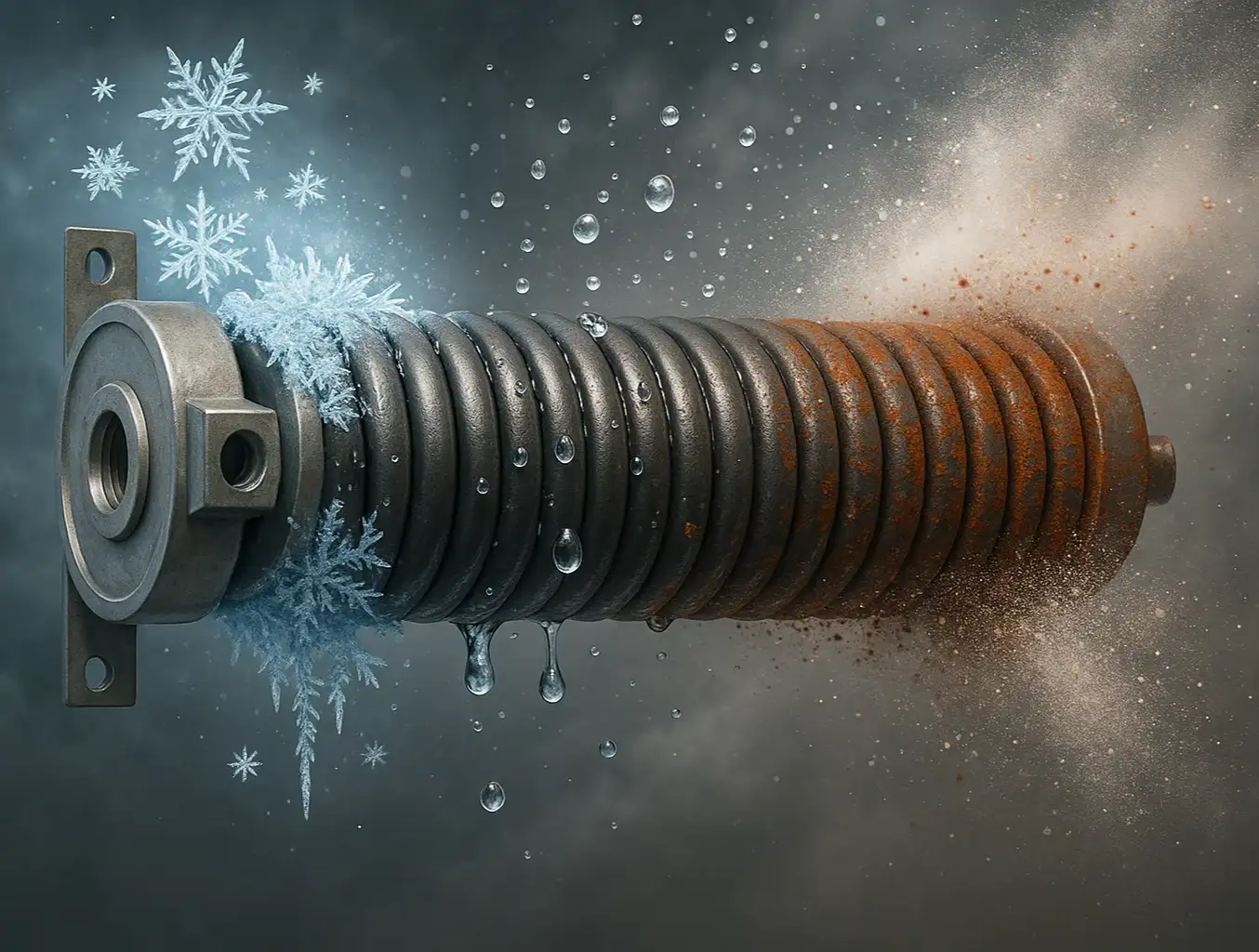
Garage Door Spring Maintenance in Extreme Weather
Think of your garage door springs as a ticking clock. With every cycle, they wind and unwind under immense tension, lifting hundreds of pounds of weight. But here’s something most homeowners don’t realize: the weather controls how fast that clock ticks. Freezing cold, heavy humidity, and salty sea air can dramatically accelerate wear and tear, turning a 7-year spring into a 3-year failure waiting to happen. This isn’t about just fixing a problem when it occurs; it’s about understanding the unique climate challenges your home faces and creating a maintenance plan to combat them. Just as a car in Minnesota needs different care than one in Miami, your garage door needs a climate-specific strategy to thrive.
Published Date: Apr 9, 2026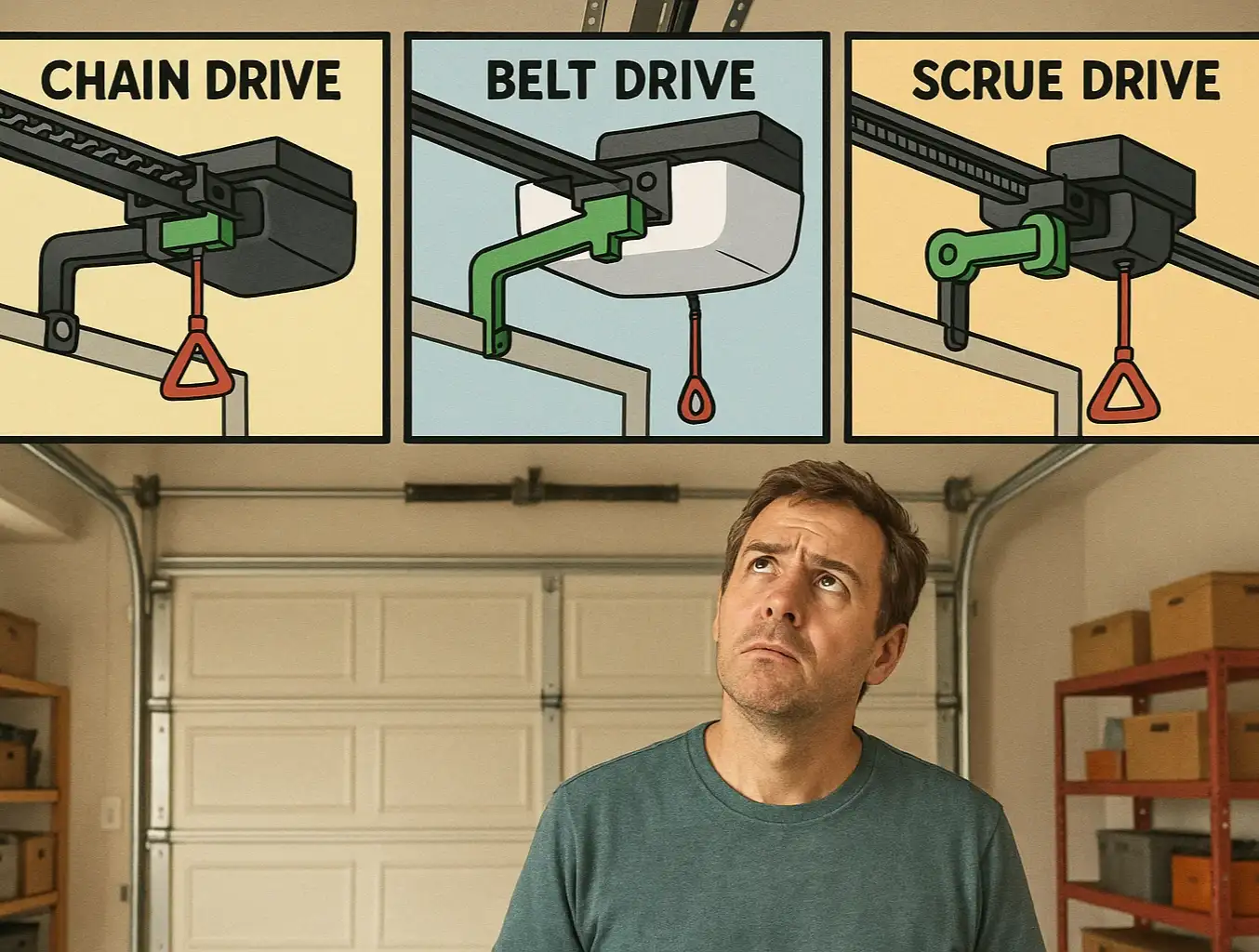
Reengaging Chain, Belt, and Screw Drive Openers
You followed the online guide perfectly. You pulled the red emergency cord, handled the power outage, and now you’re ready to reconnect your garage door. You press the button on the remote, the motor hums to life, and… nothing. The chain, belt, or screw just moves back and forth in the rail, but the door stays put. It’s a frustratingly common scenario, and it happens because over 90% of re-engagement guides miss one critical detail: the type of opener you have dramatically changes the steps you need to take. Welcome to the guide the others should have been. We’re not just going to show you how to re-engage your opener; we’re going to help you understand the why behind the process. This is your first step from being a frustrated homeowner to an empowered one.
Published Date: Apr 8, 2026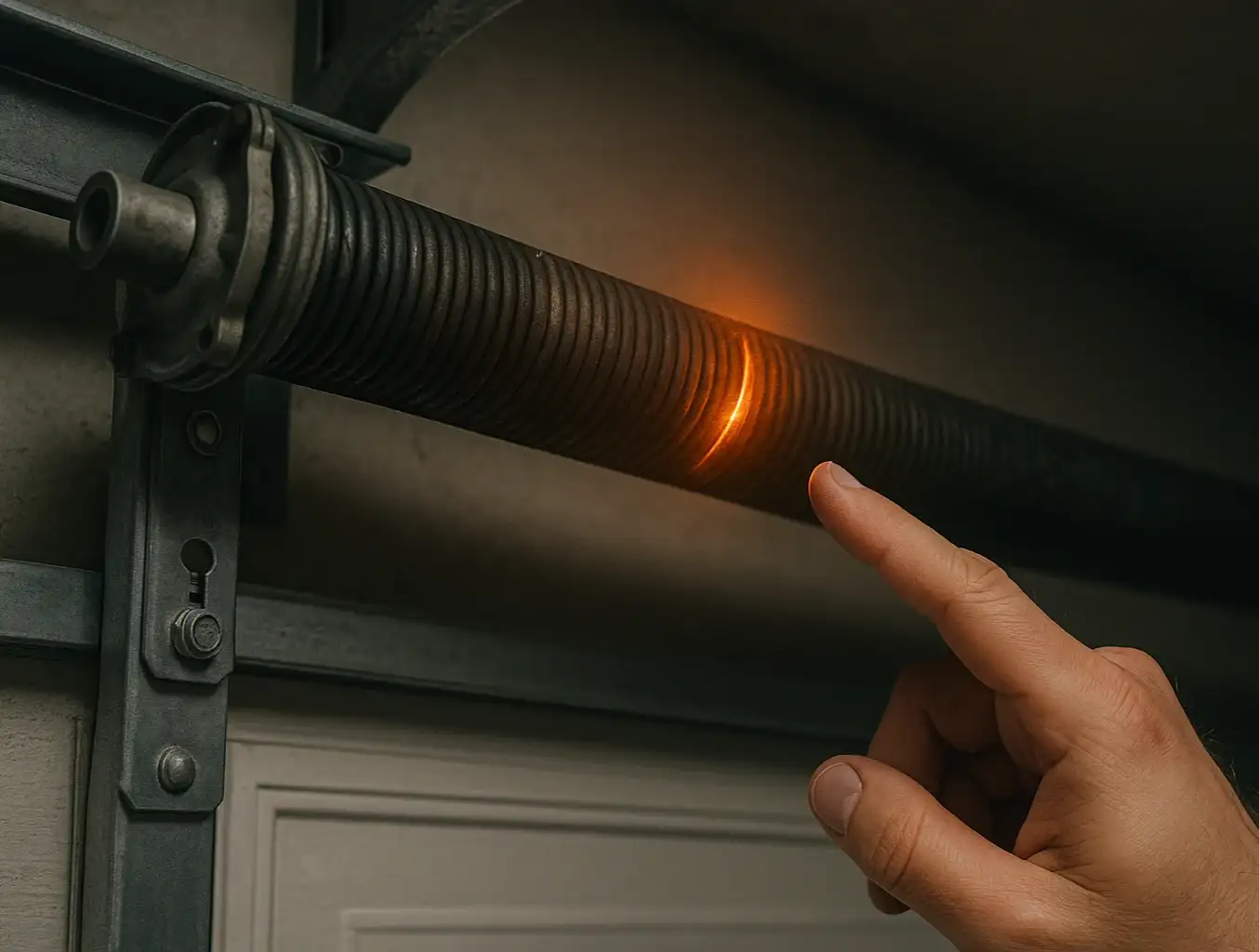
How to Spot Impending Garage Door Spring Failure
That strange groaning sound your garage door makes has become part of your home’s daily soundtrack. You might even ignore the way it shudders for a second before it starts moving. It's easy to dismiss these little quirks as the signs of an aging house. But what if they're not just quirks? What if your garage door is sending you a clear warning message? Most homeowners only think about their garage door springs when they hear a sudden, deafening BANG!—the sound of a spring snapping under tension. But well before that catastrophic failure, a weakening spring sends out subtle distress signals. Learning to recognize these auditory, visual, and operational cues is the key to moving from reactive panic to proactive maintenance, potentially saving you from an emergency call and a car trapped in your garage.
Published Date: Apr 8, 2026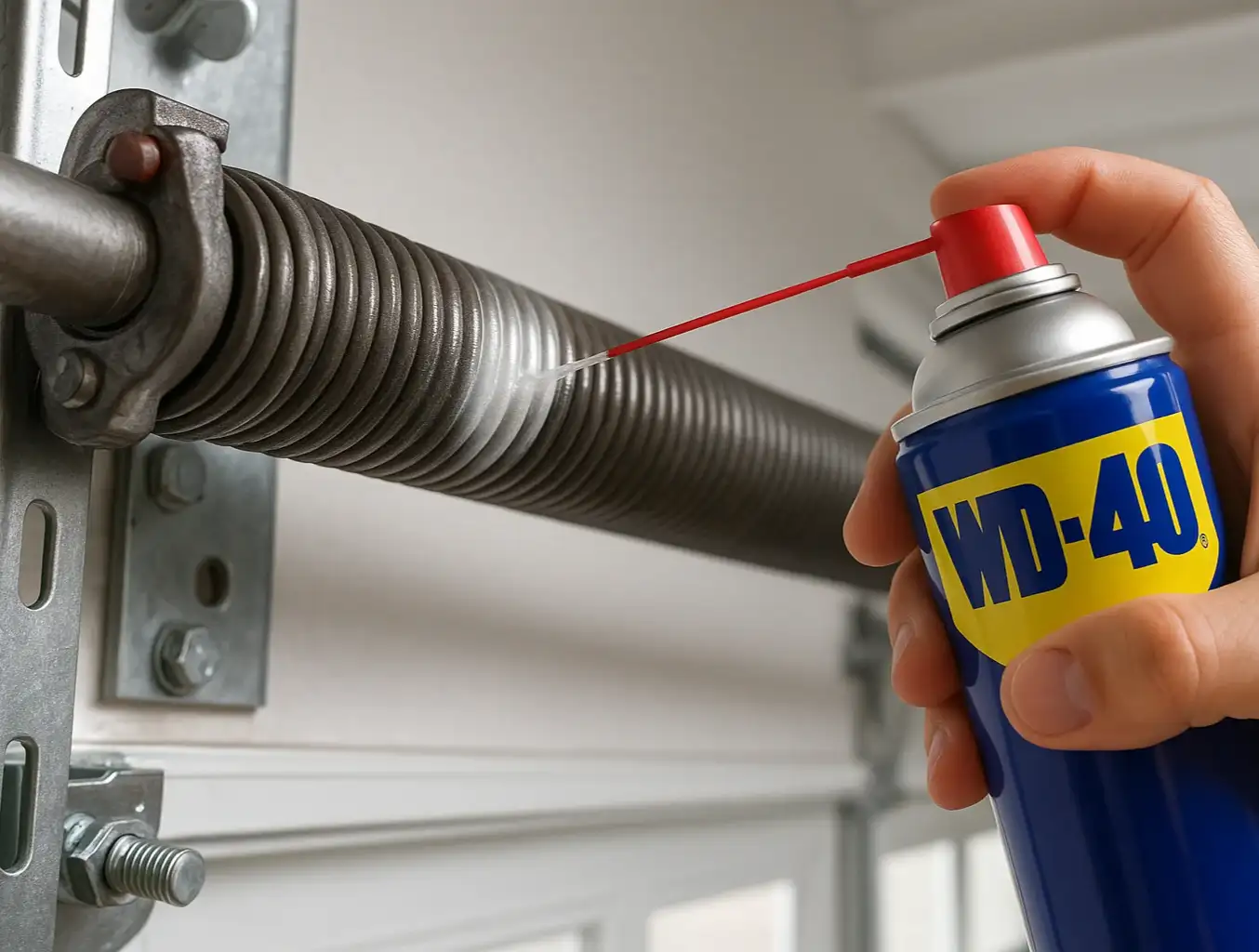
Your Ultimate Guide to Garage Door Spring Lubrication
That ear-splitting screech your garage door makes isn’t just an annoying wake-up call. It's a cry for help from the hardest-working part of the entire system: the springs. Before you resign yourself to the noise or start worrying about a massive repair bill, we have some good news. The solution is often simpler and cheaper than you think, and it’s a task you can confidently tackle yourself. Properly lubricating your garage door springs is one of the most effective pieces of preventive maintenance you can perform. It silences that awful noise, protects against rust, and dramatically extends the life of both your springs and your garage door opener. This guide will walk you through everything you need to know, transforming you from a casual browser into an empowered homeowner.
Published Date: Apr 7, 2026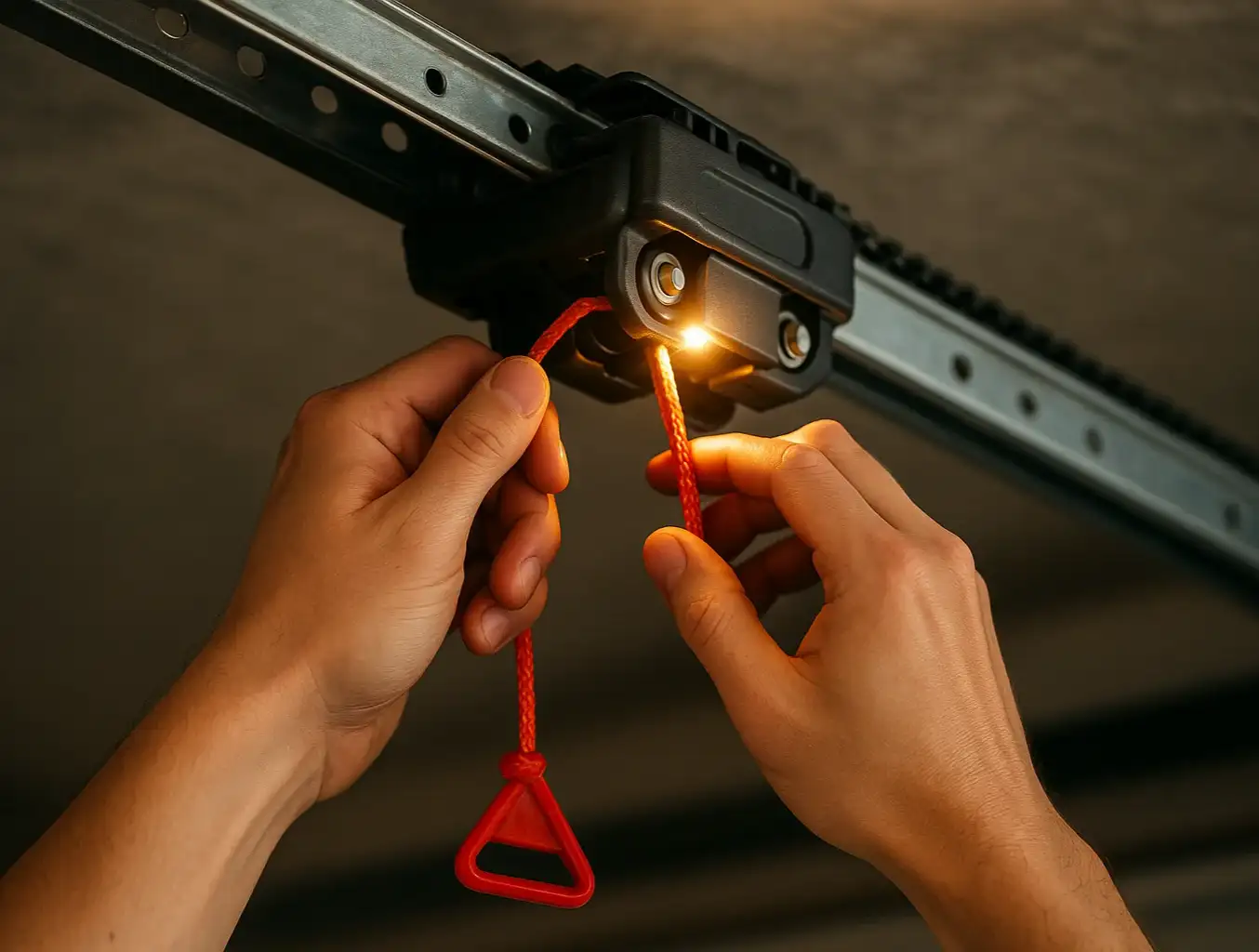
How to Reengage Your Garage Door Opener After a Power Outage
The power flickers back on. The clocks are blinking, and you’re resetting the coffee maker when you hit the button for your garage door. Nothing happens. Or maybe you hear a hum, but the door doesn’t move. It's a frustratingly common scenario, but don't panic. You haven't broken anything. Your garage door opener has a simple, manual override system designed for exactly this situation. In a few minutes, you can safely get your door working again. This guide will walk you through not just the how, but the why, so you feel confident and in control. Think of your opener’s emergency release as putting a car in neutral. It disconnects the door from the motor's chain or belt, allowing you to move it by hand. Re-engaging it is just like shifting the car back into drive.
Published Date: Apr 7, 2026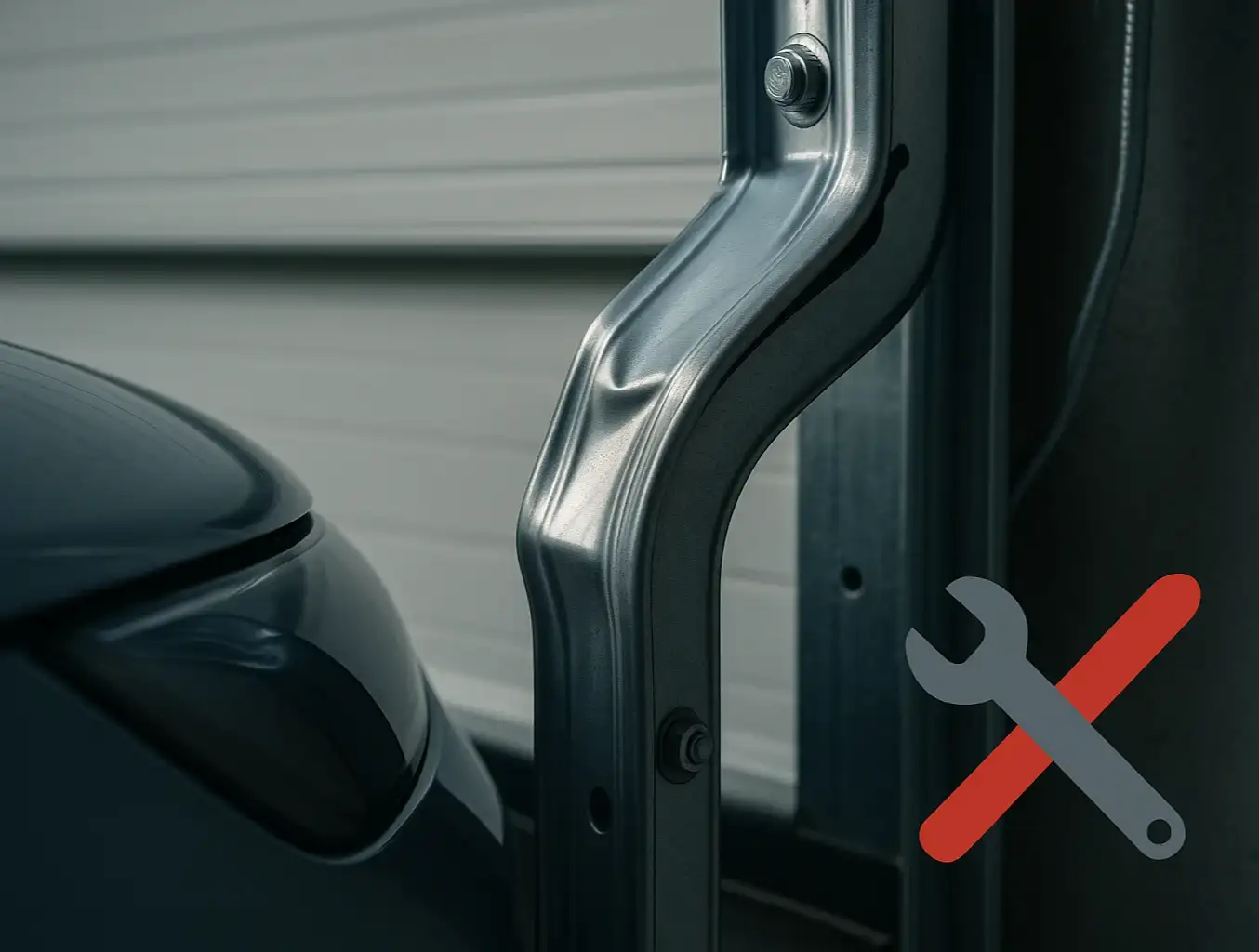
Garage Door Track Misalignment After Vehicle Impact
It’s a sound every homeowner dreads: the jarring crunch of a car making unintended contact with the garage door. That "oh no" moment is often followed by a rush of questions. Is it a big deal? Can I still open the door? Is this going to be expensive? So, you’ve just hit your garage door track with your car. It happens more often than you think. Before you try to operate the door or reach for a hammer, let's take a deep breath and walk through a quick, safe assessment. This guide will help you understand the severity of the damage, know when a repair is feasible, and recognize when replacement is the only safe option.
Published Date: Apr 6, 2026
When NOT to Reengage Your Garage Door Opener: Identifying Safety Risks
You’re heading out, you press the button on your garage door remote, and… nothing. Or worse, a horrible grinding sound fills the air, and the door stops halfway, hanging at a crooked angle. Your first instinct is probably to press the button again. Maybe it was just a fluke. We get it. It’s the simplest solution, and we’re all programmed to try the easy fix first. But in this situation, that instinct could turn a manageable repair into a catastrophic failure. Hitting that button again when your garage door is under mechanical stress is like telling a sprinter with a torn hamstring to "just run it off." You’re not fixing the problem; you’re risking severe, expensive damage to the door, the opener, and even your property. Before you touch that remote again, take five minutes to read this. This quick diagnostic guide will help you understand what might be happening, identify critical safety risks, and decide on the safest next step. It could save you a thousand-dollar headache.
Published Date: Apr 6, 2026