





Your Complete Guide to Chamberlain Garage Door Opener Models
Published: Jun 30, 2026
Trying to figure out the world of Chamberlain garage door openers can feel a bit like decoding a secret language. You see model numbers like B4613T, hear terms like “HPc,” and wonder if you need a “Secure View™” or a “Quiet Drive™.” It’s a common feeling. You’re not looking for a sales pitch; you’re looking for clarity. You just want to know: “What model do I have?” or more importantly, “Which model do I actually need?”
You’ve come to the right place. Think of this as your friendly, no-jargon guide. We’re going to break down the entire Chamberlain lineup, piece by piece, so you can understand what matters, what doesn’t, and how to make the best choice for your home.
Foundation: The 3 Core Choices You Can't Ignore
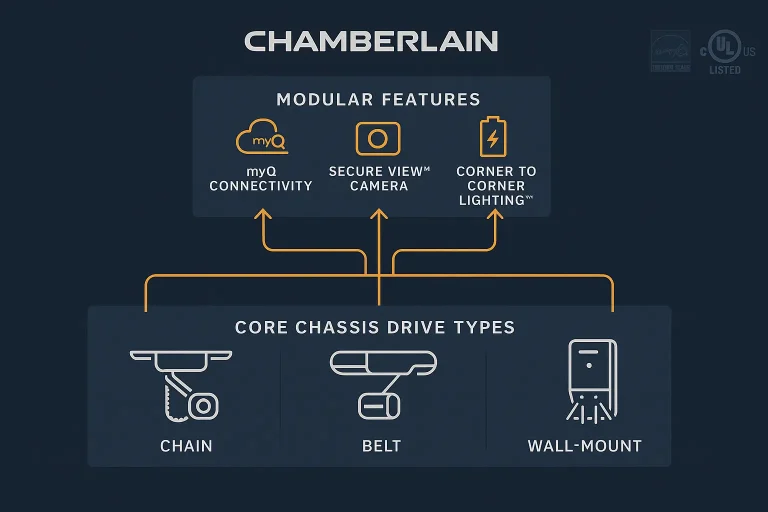
Before you get lost in specific model numbers, every Chamberlain opener is built on three fundamental decisions. Get these right, and everything else falls into place.
1. Drive Type: The Engine of Your Opener
This is the mechanism that physically moves your garage door. There are two main types in Chamberlain’s lineup:
- Chain Drive: The classic workhorse. Chain drives are known for their durability and affordability. They use a metal chain to pull the door along its tracks. The tradeoff? They are the loudest option. If your garage is detached from your home, the noise is likely a non-issue, making this a smart, budget-friendly choice.
- Belt Drive: The quiet operator. Belt drives use a steel-reinforced rubber belt instead of a chain. This makes them significantly quieter—almost whisper-quiet. If you have a bedroom or living space above or next to the garage, a belt drive is an absolute game-changer. They offer a smoother operation and are the modern standard for attached garages.
Pro Tip: Wondering how to get a garage door back on its chain or re-engage the trolley? Understanding your drive type is the first step in any minor adjustment or troubleshooting.
2. Horsepower: Strength and Longevity Demystified
You’ll see ratings like ½ HP, ¾ HP, and even 1¼ HPc. It’s easy to think more power is always better, but it’s more nuanced than that.
For a modern, well-balanced garage door, horsepower is less about lifting power and more about reducing long-term strain.
Think of it like this: a V8 engine can pull a small trailer, and so can a 4-cylinder. But the V8 will do it with zero effort, leading to less wear and tear over its lifespan. It’s the same with garage door openers.
- ½ Horsepower (HP): Perfectly adequate for most standard aluminum or steel single-car garage doors.
- ¾ Horsepower (HP): The sweet spot for heavier double-car doors, insulated doors, or solid wood doors. It provides a good balance of power and longevity.
- 1¼ Horsepower Comparable (HPc): This is Chamberlain’s top-tier power rating, designed for the heaviest custom carriage house doors. The “c” means it has the pulling force equivalent to a 1.25 horsepower AC motor, but it achieves this with the efficiency of a DC motor.
3. Connectivity: Standard vs. Smart Home
This is where Chamberlain truly separates its models. Your choice is between a standard opener or one integrated with their myQ smart technology.
- Standard Openers: These are straightforward, reliable units that open and close your garage with a traditional remote or wall control. No frills, just function.
- myQ Smart Openers: These openers connect to your home’s Wi-Fi, allowing you to control and monitor your garage door from anywhere using a smartphone app. You can get alerts when the door opens, grant access to family or delivery drivers, and set schedules. If you’re building a connected home, choosing one of the best smart garage door openers with myQ is a must.
Building: Exploring the Chamberlain Model Series
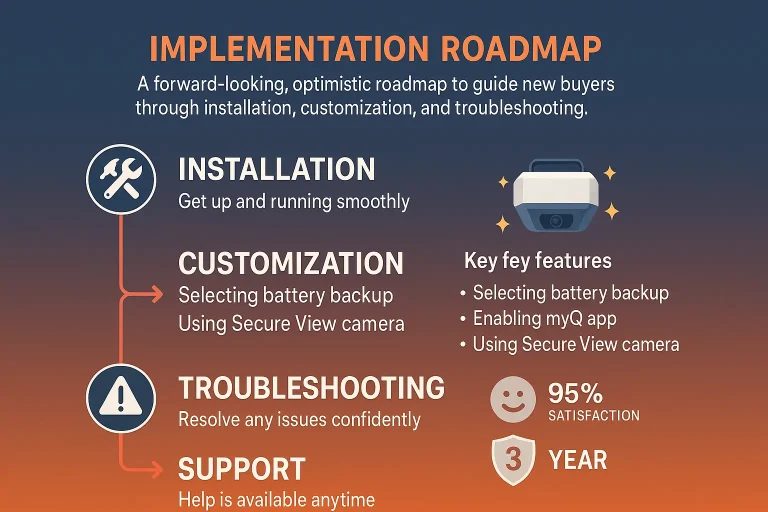
Now that you understand the core choices, let’s group Chamberlain’s models into logical categories. They use marketing names like “Secure View™” and “Corner to Corner Lighting™” which are really just features built upon a core chassis. Here’s a simpler way to think about them.
The Workhorse Series (Basic Chain Drives)
These are the no-nonsense, durable openers perfect for detached garages or homeowners on a budget.
- Common Models: C203, C2212T, C2405
- Who it’s for: Someone who prioritizes reliability and cost over quiet operation and smart features.
- Key Features: Strong chain drive, typically ½ HP. Some newer models may have basic myQ capabilities built-in.
The Quiet Series (Belt Drives)
This is the most popular category for homes with attached garages where noise is a major consideration.
- Common Models: B2212T, B2405, B4613T
- Who it’s for: Homeowners with bedrooms or living spaces near the garage who value peace and quiet.
- Key Features: Ultra-quiet belt drive, DC motors for soft start/stop, and typically integrated myQ technology.
The Smart & Secure Series (myQ, Camera, Battery Backup)
These are the top-of-the-line models packed with the latest technology for ultimate convenience and security.
- Common Models: B6753T, B4643T (Secure View™)
- Who it’s for: The tech-savvy homeowner who wants total control, monitoring, and peace of mind.
- Key Features:
- Secure View™: A built-in 1080p camera that lets you see and hear what’s happening in your garage through the myQ app.
- Battery Backup: A crucial feature that allows your opener to function even during a power outage. A reliable garage door opener battery backup system is a safety essential.
- LED Lighting: Ultra-bright, corner-to-corner lighting systems that illuminate your entire garage.
The Space-Saver Series (Wall-Mount/Jackshaft)
This is a special category for garages that can’t accommodate a traditional ceiling-mounted opener.
- Common Models: RJO20, RJO70
- Who it’s for: Garages with very high or low ceilings, obstructions, or for homeowners who want to use the overhead space for storage.
- Key Features: Mounts on the wall next to the garage door, freeing up all overhead space. It’s exceptionally quiet and comes standard with myQ and an automatic garage door lock.
Mastery: Feature Deep Dives & Model Comparisons
Let’s zoom in on the features that truly set different models apart.
- myQ Technology: Beyond just opening and closing the door, myQ enables Amazon Key In-Garage Delivery, integrations with other smart home platforms (check for specific smart garage door opener compatibility like HomeKit), and guest access controls.
- Battery Backup: In some states, like California, this is required by law for all new installations. It ensures you’re never locked in or out of your garage during a power failure.
- Secure View™ Camera: This isn’t just a security camera; it’s integrated control. You can see a delivery driver, open the door for them, and watch them place the package securely inside, all from one app.
- LED Lighting: Forget the single dim bulb of old openers. New models offer 1,500 to 2,000 lumens of light, turning your garage into a well-lit workspace.
FAQ: Your Chamberlain Questions Answered
We hear these questions all the time. Here are some quick, straightforward answers.
How can I find my Chamberlain model number?
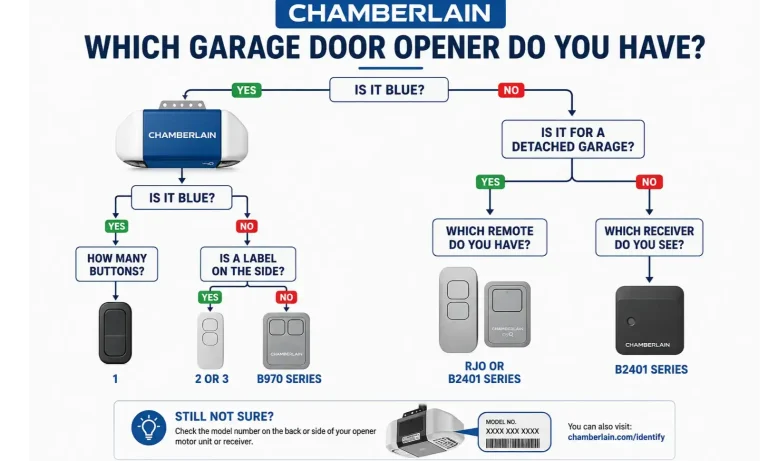
Look on the main powerhead unit mounted to your garage ceiling. There should be a sticker with the model number, manufacturing date, and other details. It usually starts with a letter (like B, C, or R) followed by numbers.
My remote stopped working. What do I do?
First, change the battery. If that doesn’t work, you may need to reprogram it. The process is simple, but specific to your model. We have a complete guide to help you with your Chamberlain garage door opener remote setup.
What do the blinking lights on my opener mean?
The flashing lights are a diagnostic code. The number of flashes indicates a specific problem, most commonly a safety sensor issue. If your sensors are misaligned or obstructed, the door won’t close. For a full list of codes, it’s best to consult our detailed Chamberlain garage door opener troubleshooting guide.
Can I install a Chamberlain garage door opener myself?
While it’s possible for a skilled DIYer, professional garage door motor installation is highly recommended. Professionals ensure the door is properly balanced, the safety features are correctly calibrated, and everything is installed securely, saving you time and preventing potential safety hazards.
Choosing the right garage door opener isn’t about finding the most expensive model; it’s about finding the right one for your specific needs, your home, and your lifestyle. By understanding the core differences in drive type, power, and features, you can confidently navigate the Chamberlain lineup and make a choice that will serve you well for years to come.
You May Also Like
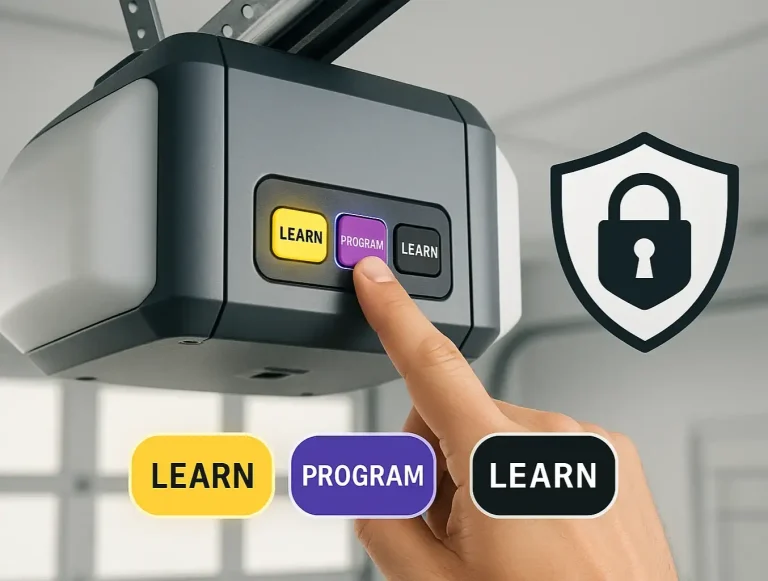
Differentiating LiftMaster, Genie, and Chamberlain Opener Procedures
You’ve just moved into a new home. You have the keys to the front door, but what about the garage? Who else has a remote? The old homeowner? The realtor? It’s a nagging security question most people forget to ask. Or…
Published Date: Jun 17, 2026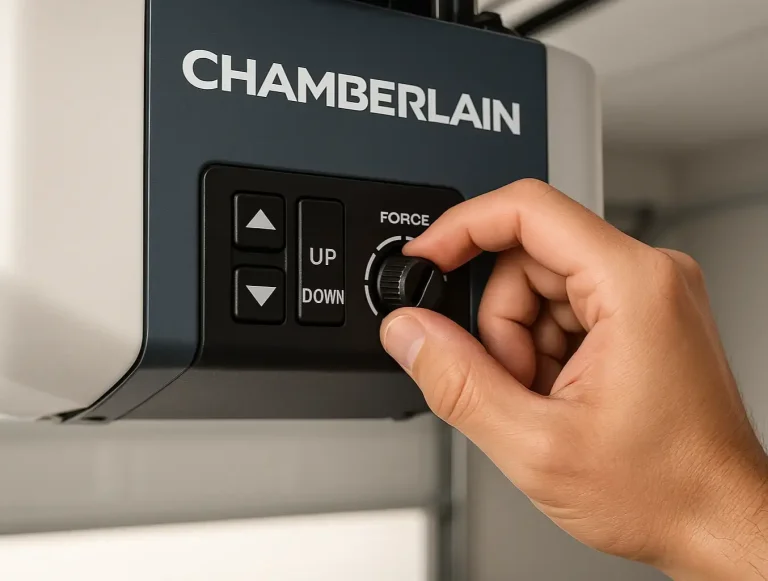
Resetting Chamberlain Garage Door Opener Travel Limits
Is your garage door acting possessed? It starts to close, then suddenly reverses for no reason. Or maybe it stops six inches from the floor, leaving a frustrating gap. You might think you need a full "reset," a term…
Published Date: May 20, 2026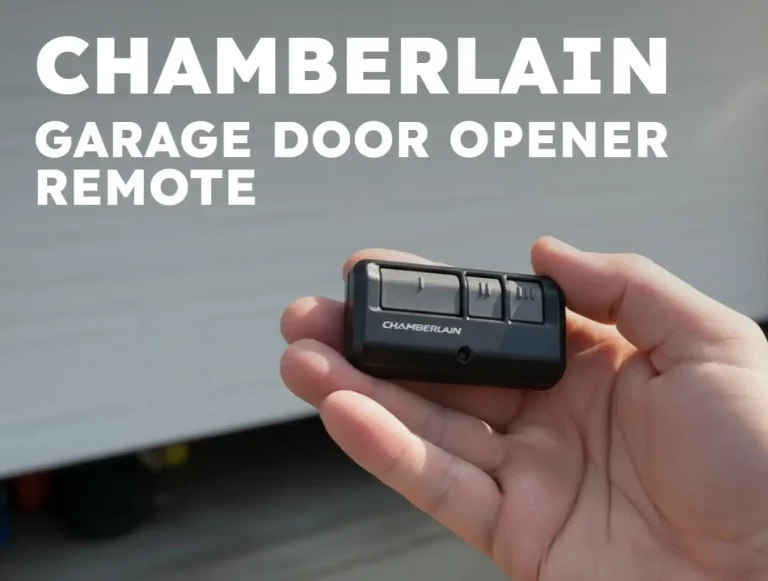
Chamberlain Garage Door Opener Remote: Quick Setup Solutions
A Chamberlain garage door opener remote makes daily access to your garage fast and easy — until it needs reprogramming, stops responding, or no longer connects to your garage door opener. Whether you’re moving into a…
Published Date: Dec 23, 2025