





Deactivating Your Garage Door Opener During a Power Outage
Published: May 8, 2026
The power goes out. The garage door opener is dead. Your car is trapped inside, and you need to get out. Or maybe the opener is making a grinding noise, and the door is stuck halfway open. It’s a stressful situation that almost every homeowner faces eventually.
In that moment of panic, you might notice a red cord with a handle hanging from the garage door opener mechanism. That’s the manual emergency release, and it’s your key to taking back control. But using it without understanding how it works can be dangerous.
Think of this guide as your calm, knowledgeable friend who’s here to walk you through it. We’ll explain what that cord does, how to use it safely, and what to do when things don’t go as planned.
The Big Red Cord: What It Is and How It Works
Before you pull anything, let’s have a quick “aha moment” about how your automatic opener operates. The motor isn’t lifting the door directly; it’s moving a small piece along the track called the trolley. This trolley is connected to the door itself, pulling it open or pushing it closed.
The red cord is attached to a release lever on the trolley. When you pull the cord, it disconnects the trolley from the opener’s chain or belt drive. This action puts the door into manual mode, allowing you to lift or lower it by hand. It’s the same principle behind the automatic door emergency release procedure used in many systems. The entire system is designed to give you a manual override when technology fails.
The Most Important Step: A Critical Safety Check Before You Begin
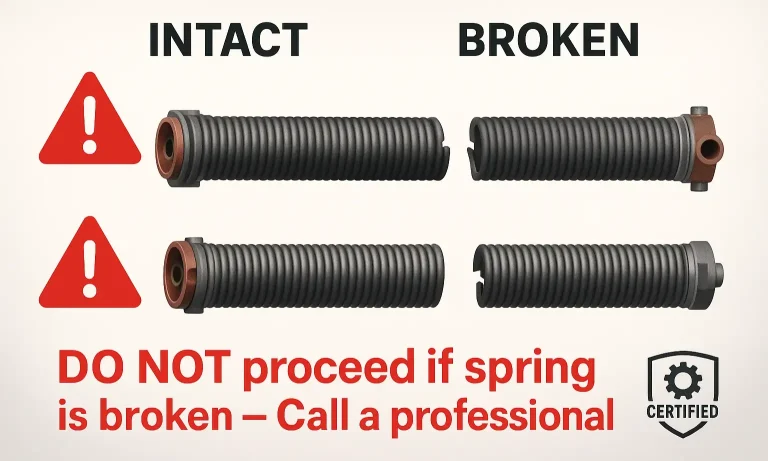
Before you touch that cord, stop and look up. The most critical part of this process is ensuring your garage door springs are intact. These high-tension springs do the actual heavy lifting. The opener just provides the initial force.
If a spring is broken, the door is no longer counterbalanced. Disconnecting it from the opener could cause the full weight of the door (often hundreds of pounds) to come crashing down.
CRITICAL SAFETY CHECK (Callout Box near start of guide)
- Intact Spring: It will be a single, tightly wound coil.
- Broken Spring: You will see a distinct gap or separation in the coil. You may have also heard a loud bang when it broke.
If you see a broken spring, DO NOT PROCEED. The door is unsafe to operate manually. Keep the area clear and call a professional for an emergency repair. Understanding garage door spring safety is non-negotiable.
Step-by-Step Guide: How to Manually Disengage and Open Your Garage Door
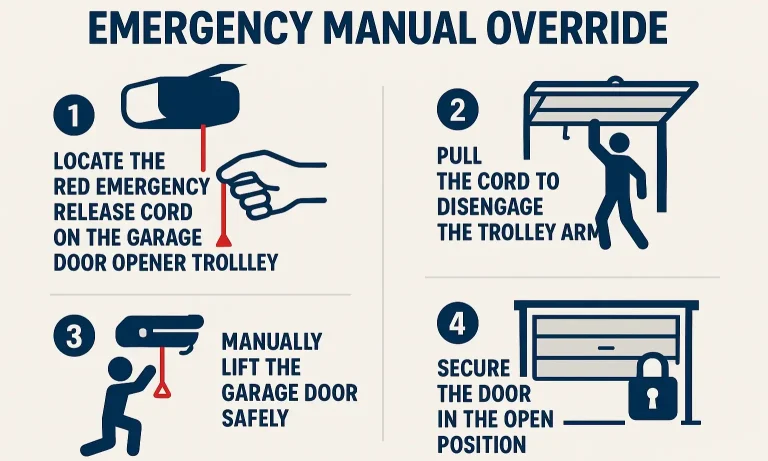
If your springs look good, you can proceed. For your safety, always follow these steps in order.
Step 1: Make Sure the Door is Closed
This is the safest position to disengage the opener. When the door is closed, there is no tension on the springs and no risk of it falling. If your door is stuck partially open, have a helper ready to support the weight before you pull the cord.
Step 2: Pull the Emergency Release Cord
Pull the red cord straight down firmly until you hear a click. This sound confirms the trolley has been disconnected from the drive mechanism. The release lever should stay in the disconnected position. Some older models may require you to pull down and back (towards the opener motor) to lock it into the open position.
Step 3: Carefully Lift the Door Manually
Grip the bottom of the door with both hands and lift smoothly. If the springs are working correctly, the door should feel relatively light and easy to lift.
Progress Checkpoint: If the door feels extremely heavy, stop immediately. This is another sign that your springs are broken or failing. Do not force it. Lower it back down and call a professional.
Step 4: Secure the Door
If you need to leave the door open, do not rely on the springs alone. It could still drift down. Prop it open securely with sturdy objects like locking pliers (vice grips) clamped onto the track just below a roller.
Getting Back to Normal: How to Re-Engage Your Garage Door Opener
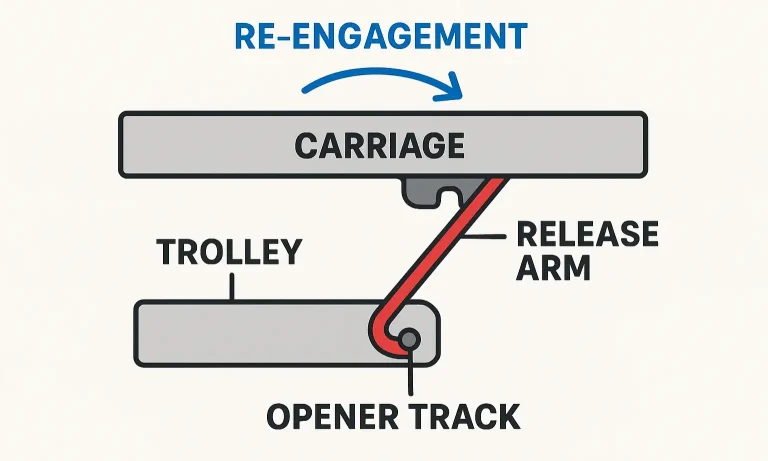
Once the power is back on or the malfunction is fixed, you’ll need to reconnect the door to the opener. This is where many people get stuck, but the process is straightforward.
There are two primary ways to reconnect the system:
1. The Automatic Method (Easiest):
- Pull the emergency cord down and towards the door to ensure the release lever is angled down and ready to connect.
- Press the button on your wall control or remote.
- The opener will move the trolley along the track until it automatically clicks back into place with the carriage on the door. You will hear a loud, satisfying “clack.”
- With the door closed, lift it about an foot off the ground.
- Pull the release cord down and towards the opener motor to ensure the lever is horizontal.
- Lift the door manually until the trolley and carriage reconnect with a click.
2. The Manual Method:
If you’re having trouble, don’t worry. There are a few tricks for different opener models. For more detailed instructions, you can explore our full guide on how to reconnect garage door opener systems.
Troubleshooting & FAQ: When Things Don't Go as Planned
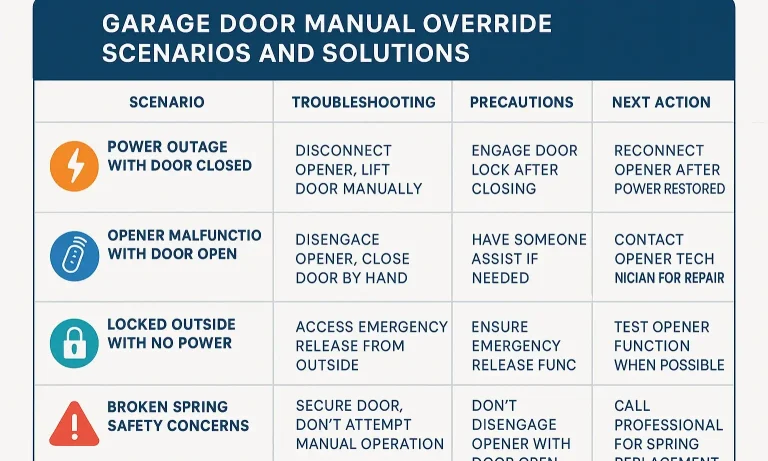
What if I’m locked outside the garage during a power outage?
This is a tricky situation. If you don’t have another entrance to the garage, your only option is an emergency release kit. This is a special lock installed on the garage door itself that connects to the release lever via a cable. If you find yourself in this situation, our guide on how to open a stuck garage door from the outside safely can provide more specific solutions.
Why won’t my door re-engage after pulling the cord?
This is a common point of frustration. The most likely cause is that the trolley and the carriage on the door aren’t properly aligned. Make sure the release lever is in the “ready to connect” position (usually angled slightly down). Sometimes, you just need to run the opener one full cycle for it to find the connection point. For a complete walkthrough, see our instructions on how to reset a garage door opener after pulling the red cord.
Is it safe to leave my door in manual mode?
While it’s functional, it’s not recommended for long-term use. When disconnected, the door is not securely locked by the opener motor, making it a potential security risk. Always prioritize re-engaging the opener. For more on this, check out our tips on manual garage door safety.
How do I lock my garage door when the power is out?
If your door has a manual slide lock on the inside, you can use that. Engage the lock by sliding the bolt through the vertical track. This is the most secure way to lock the door when it’s disconnected from the opener. If you need a refresher, we have a simple guide on how to close a garage door without power. In cases where you’re completely locked out, our guide on how to safely open a locked garage door might offer additional insights.
Your Next Step to a Secure and Functional Garage
Understanding how to use your garage door’s manual release is an essential skill for any homeowner. It turns a moment of panic into a manageable problem. By prioritizing safety and following these steps, you can confidently handle a power outage or minor malfunction.
And remember, if you ever feel unsure, if the door is excessively heavy, or if you suspect a broken spring, the safest call is always to a professional.
You May Also Like
How to Deactivate a Garage Door Opener for Security or Maintenance
Whether you’re heading out of town, updating your garage system, or dealing with a malfunctioning remote, sometimes it’s best to temporarily deactivate a garage door opener. While many people associate garage opener…
Published Date: Aug 8, 2025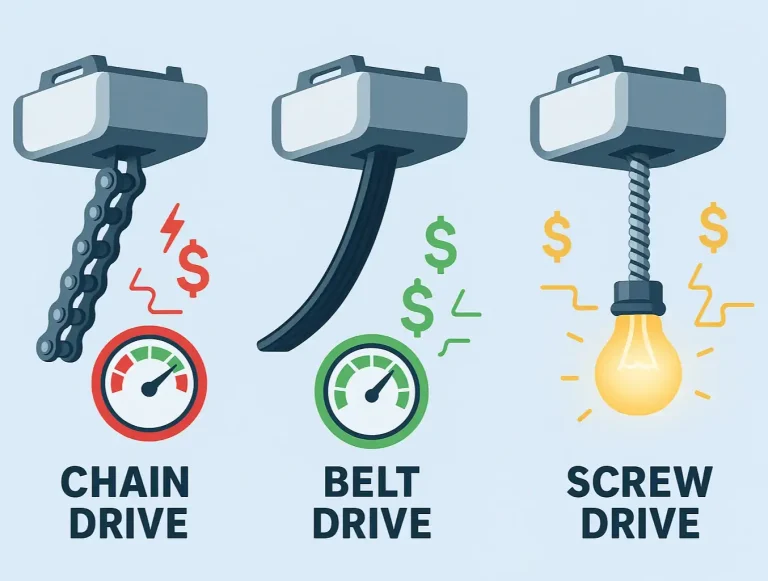
Garage Door Opener Power Usage: Belt vs. Chain vs. Screw Drive
It’s a sound most of us hear every day: the familiar hum and clank of the garage door opener, a simple convenience we take for granted. But have you ever paused to think about what that convenience costs on your…
Published Date: Apr 17, 2026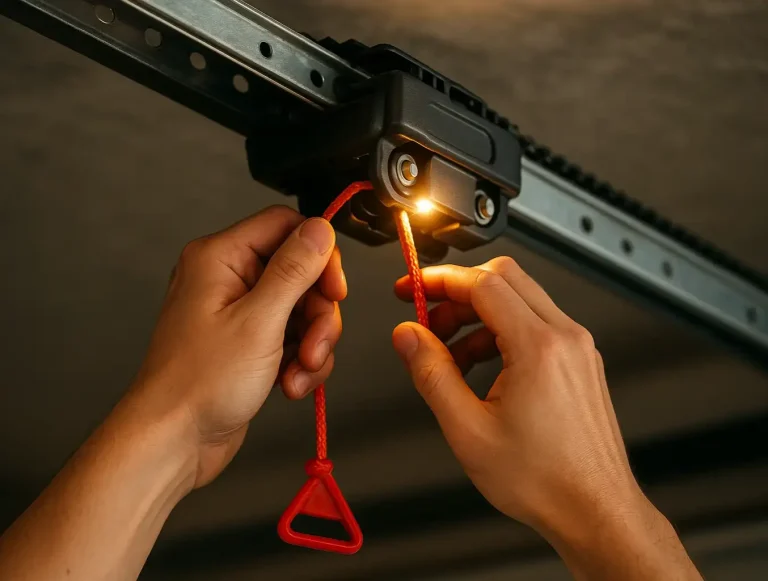
How to Reengage Your Garage Door Opener After a Power Outage
The power flickers back on. The clocks are blinking, and you’re resetting the coffee maker when you hit the button for your garage door. Nothing happens. Or maybe you hear a hum, but the door doesn’t move. It's a…
Published Date: Apr 7, 2026