





Assessing Hail, Storm, and Impact Damage on Garage Door Frames
Published: Apr 20, 2026
That sinking feeling is unmistakable. After a wild hailstorm, a wind-lashing storm, or the accidental tap from a car bumper, you see it—the damage to your garage door frame. It’s more than just an eyesore. A compromised frame can affect your door’s operation, your home’s security, and even its structural integrity.
Many homeowners find themselves asking the same questions: “Is this just a cosmetic issue?” “Is my door safe to use?” and the big one, “Do I need a simple repair or a full replacement?”
You’ve come to the right place. This guide is designed to walk you through a clear, step-by-step assessment of your garage door frame damage. We’ll help you move from uncertainty to a confident decision, transforming you from a worried homeowner into an informed one.
Foundation: Know Your Frame & The Telltale Signs
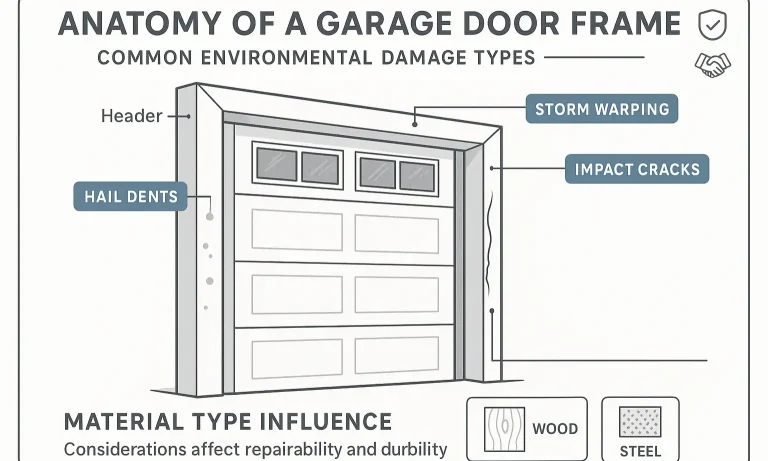
Before you can diagnose the problem, it helps to know what you’re looking at. Your garage door frame, also called the door jamb, has three main parts: two vertical side jambs and a horizontal top jamb (or header). These pieces are typically made of wood or steel, and they create the solid structure your garage door seals against and relies on for smooth operation.
The first and most critical step in your assessment is to determine if the damage is cosmetic or structural. This distinction is the foundation for your repair-or-replace decision.
- Cosmetic Damage: This is surface-level stuff. Think shallow dents, paint scratches, or small chips that don’t affect the frame’s shape or strength. It looks bad, but it doesn’t stop the door from working correctly and safely.
- Structural Damage: This is the serious stuff. Deep cracks, warping, rot, or any impact that has knocked the frame out of alignment is structural. This kind of damage compromises the frame’s ability to support the door, creating operational and safety risks.
Building: The 3-Point Damage Assessment
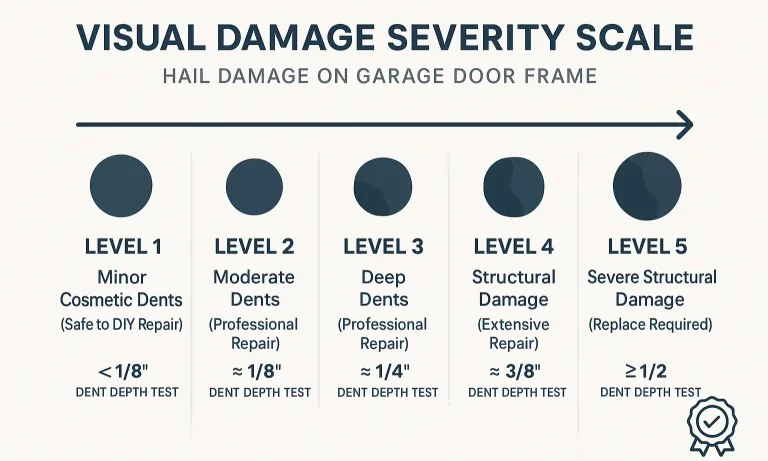
The cause of the damage often dictates the type of damage you’ll find. Let’s break down the three most common culprits—hail, storms, and impacts—and what to look for in each scenario.
Assessing Hail Damage
Hail leaves a distinct signature: a scattering of dents and dings. While often cosmetic, severe hail can cause deeper issues.
What to Look For:
- Dents and Dings: Examine the frame for circular or irregular indentations.
- Paint Chipping/Cracking: Look for cracked paint at the center of the impacts. This can expose the material underneath to moisture.
- Surface Cracks (Wood Frames): A hard enough impact can cause the wood to splinter or crack on the surface.
The Dent Depth Test: A simple way to gauge severity is with a coin. If a dent is deeper than the thickness of a quarter, it may have slightly bent or compressed the frame, especially if it’s steel. When a dented garage door frame has multiple deep impacts, the cumulative effect can lead to minor alignment issues.
Assessing Storm Damage
High winds and driving rain attack garage door frames in a completely different way. Here, water and pressure are the enemies.
What to Look For:
- Water Damage (Wood Frames): Carefully press a screwdriver or key into the wood frame, especially near the bottom. If it feels soft, spongy, or flakes away easily, you have wood rot.
- Rust (Steel Frames): Look for bubbling paint or orange-brown rust spots, particularly along the bottom of the frame where water pools.
- Warping and Misalignment: Stand back and look at the frame. Does it appear bowed or twisted? Open and close the garage door. Does it scrape against the frame at any point? High winds can push the entire door system, subtly knocking the frame out of square.
- Deep Cracks and Splintering (Wood Frames): Look for cracks that go deep into the wood, not just on the surface.
- Bending and Warping (Steel Frames): A steel frame that is visibly bent or creased has lost its structural integrity. This is common when a garage door is bent at the bottom and the force transfers to the frame.
- Frame Separation: Check where the frame meets the wall of your garage. Is there a gap? Has the frame pulled away from the wall? This is a serious structural issue.
- Operational Problems: A frame that has been hit will almost always cause the door to bind, scrape, or stop moving. If a garage door was hit by a car, the frame, track, and door itself often suffer related damage.
Warning: Don’t just paint over rotted wood or rust. This is like putting a bandage on a broken arm—it hides the problem but doesn’t fix it, allowing the structural decay to continue unseen.
Assessing Impact Damage
Whether from a car, a lawnmower, or a misplaced ladder, direct impact causes the most dramatic and often most severe damage.
What to Look For:
Mastery: The Repair vs. Replace Decision Tree
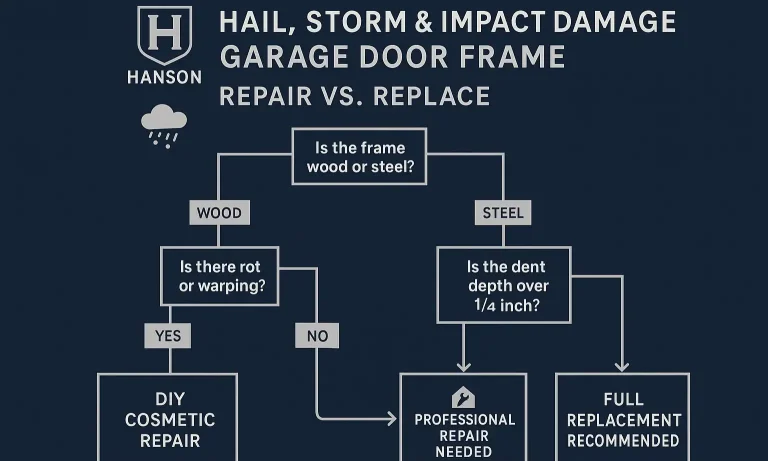
You’ve completed your inspection. Now it’s time to make a decision. This isn’t about guesswork; it’s about matching your findings to the right solution. Follow this decision tree to find your answer.
How to Use the Decision Tree:
- Start at the Top: Identify your frame material (Wood or Steel).
- Follow the Path: Answer each question based on the damage you found during your assessment.
- Arrive at Your Conclusion: The tree will guide you to one of two outcomes: REPAIR or REPLACE.
A “REPAIR” outcome generally applies to cosmetic issues that can be fixed with wood filler, sanding, painting, or minor dent removal without compromising the frame’s integrity.
A “REPLACE” outcome is necessary when the frame’s structural integrity is compromised. Issues like rot, deep cracks, significant warping, or separation from the wall mean the frame can no longer safely and effectively support the garage door. Continuing to use a door with a structurally unsound frame is a major safety risk.
Ultimately, deciding if a damaged garage door can be repaired is a question of safety and long-term function. While it’s tempting to patch a major issue, a full replacement is often the safer and more cost-effective solution in the long run. If you’re facing a replacement, understanding the potential cost to replace a garage door frame can help you plan your budget accordingly.
Action: Your Next Steps
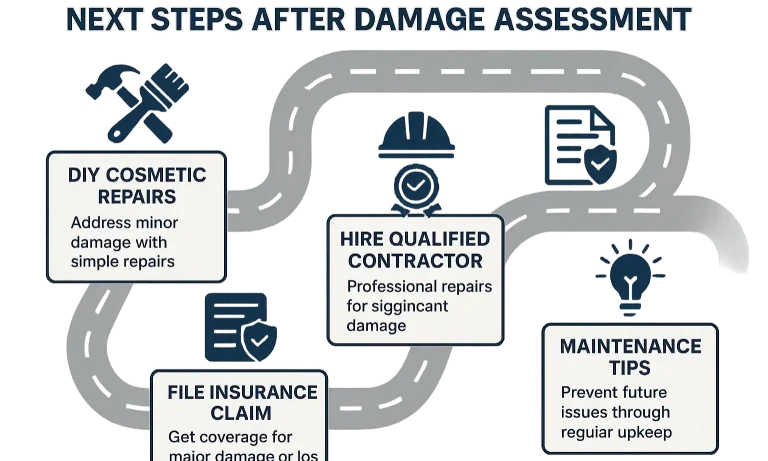
Your assessment has given you a clear path forward. Whether you’re looking at a weekend DIY project or calling in a professional, here are your next steps.
- If You Decided to Repair: For cosmetic fixes like filling small cracks, sanding, and painting, you may be able to handle the job yourself. Ensure you use high-quality, weather-resistant materials designed for exterior use.
- If You Decided to Replace: Frame replacement is a job for experienced professionals. It involves carefully removing the old frame without damaging the surrounding structure, installing a new frame that is perfectly square and plumb, and ensuring the garage door is properly re-aligned. When looking for help, it’s best to contact a certified garage door service company. For instance, residents needing garage door repair in McKinney or those looking for garage door repair in Stamford should seek out local experts with a proven track record.
Frequently Asked Questions
How much damage is too much to repair?
Any damage that affects the door’s movement or the frame’s structural integrity is too much for a simple cosmetic repair. If the frame is rotted, split through, or bent to the point where the door scrapes or won’t seal properly, it’s time for a replacement.
What are the long-term risks of a poorly-repaired frame?
A bad repair job can lead to serious problems. A frame that isn’t perfectly square can cause the garage door to come off its tracks. Unaddressed water damage will continue to spread, potentially affecting the wall structure of your garage. It can also create gaps that let in pests, water, and drafts, increasing your energy bills.
Will my homeowners insurance cover a damaged garage door frame?
It often does, but it depends on your policy and the cause of the damage. Damage from “perils” like storms, hail, or vehicle impact is typically covered. Damage due to long-term neglect, like wood rot from lack of maintenance, is usually not. Always document the damage with photos and contact your insurance agent to discuss your coverage.
You May Also Like
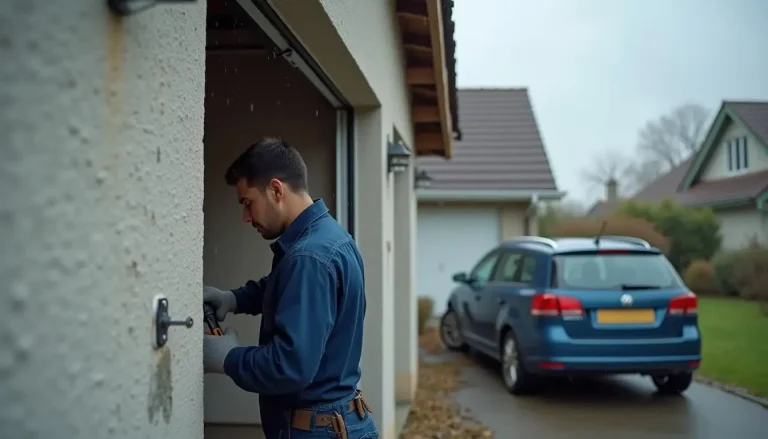
How to Know When It’s Time to Replace Your Garage Door Frame
A strong garage door frame is the foundation of your garage's security and operation. However, even the strongest frames are susceptible to deterioration over time, which reduces their usefulness. Early detection of…
Published Date: Jan 30, 2025
How a Compromised Garage Door Frame Impacts Home Security
You’ve invested in a smart lock, maybe a security camera, and you diligently lock your doors every night. You feel secure. But what if the most glaring vulnerability in your home's security isn't the lock, but the…
Published Date: Apr 17, 2026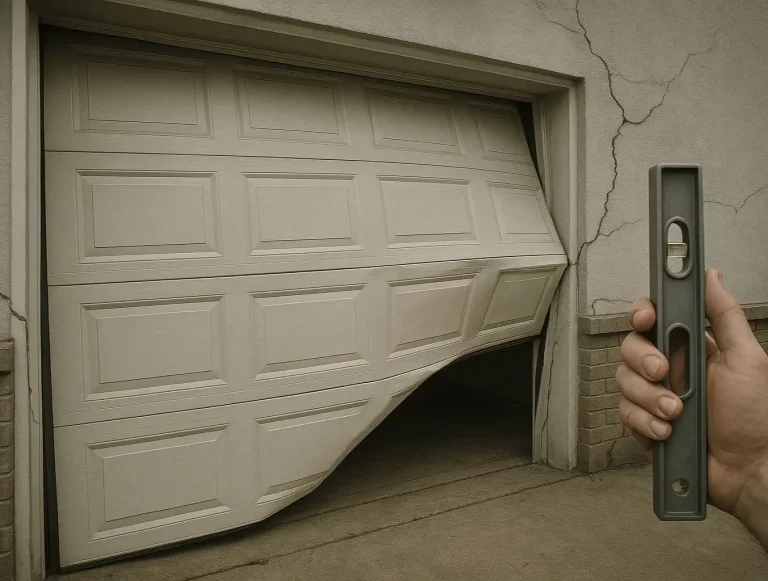
Identifying and Addressing Garage Door Frame Damage
You’ve been there. You press the button on your remote, the garage door starts its descent, and then… it stops. Or it closes unevenly, leaving a gap on one side. You’ve done the usual dance: you’ve checked the…
Published Date: Apr 16, 2026