





Securing Narrow or Street-Facing Garage Doors
Published: Jun 24, 2026
Living in the city has its perks—the energy, the convenience, the walkability. But when your garage door opens directly onto a busy sidewalk or a narrow alley, that convenience can feel like a vulnerability. You’ve probably searched for ways to secure it, only to find generic advice that doesn’t quite fit. “Install a motion-sensor light,” they say, ignoring that yours would flash with every passing pedestrian. “Add a bulky defender lock,” they suggest, without realizing you barely have enough room to open your car door.
Here’s the truth those guides miss: Generic garage security advice is not enough for urban homes. In fact, it can be misleading.
Your street-facing or narrow garage isn’t just a place to park; it’s a bullseye. Its high visibility and constant public access create a unique set of challenges that suburban solutions were never designed to handle. This guide was written for you. We’ll move beyond the basics and give you a new framework for thinking about security in a compact urban environment.
The Urban Threat Matrix: Why Your Garage is Different
Before you can fortify your garage, you need to understand the specific threats you face. While most online content focuses on a single, well-known trick, the reality for urban homeowners is a three-pronged problem.
1. The Bypass: The Tip of the Iceberg
You’ve likely heard of the “coat hanger trick”—a simple method where a burglar uses a wire to hook the emergency release cord and open the door in seconds. Securing this cord with a zip tie or a garage shield is standard advice, and it’s a good first step.
But for an urban garage, this is just the beginning. The bypass is a crime of opportunity that relies on stealth. The bigger threats to your street-facing garage are far more direct.
2. Forced Entry: The Brute-Force Attack
When a garage is visible and accessible from the street, criminals don’t always need to be subtle. The primary threat shifts from a quiet bypass to a loud, direct assault.
- Prying: Using a crowbar, thieves can target the seams between panels or the edges of the door, bending the thin metal to defeat the lock. Standard roll-up doors are particularly susceptible to this.
- Ramming: A vehicle or even a heavy object can be used to simply smash through a lightweight door, especially one with no structural reinforcement. This is a significant risk for any door that faces a street or alley.
3. The Space Constraint: When Standard Solutions Don’t Fit
This is the challenge that truly separates urban garages from their suburban counterparts. The most common physical security devices—like hefty garage door defenders that bolt to the concrete in front of the door—are often impractical. There’s simply no room for them on a public sidewalk or in a tight alleyway. Likewise, adding locks to the inside of the door track is impossible if your walls are just inches from the track itself.
This space constraint can leave homeowners feeling like their security options are limited, but it just means you need a more specialized toolkit.
Fortification Strategies for Compact Environments
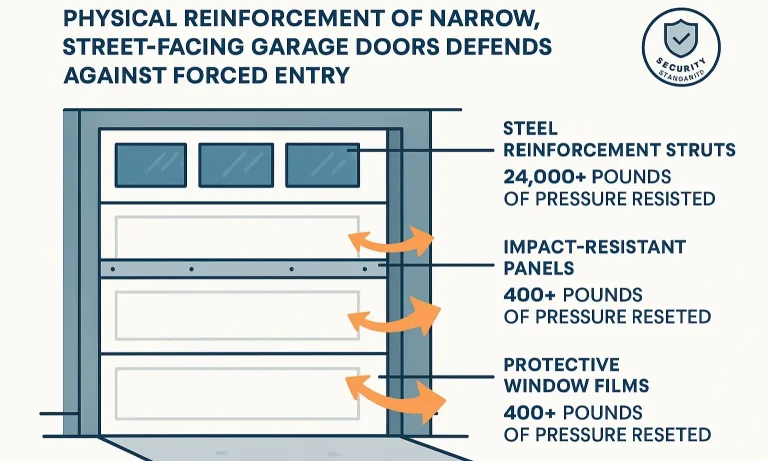
Securing an urban garage requires a shift in focus from broad-stroke advice to specific, high-impact fortifications. Let’s break down the solutions for each part of your garage system.
Part 1: Reinforcing the Door Itself
Your garage door is the single largest entry point to your home. Before adding a single lock, you must ensure the door itself can withstand an attack. Many standard doors are made from thin steel panels that can be easily bent or punctured.
- Install Reinforcing Struts: These are steel braces that run horizontally across the interior of your door panels. They drastically increase rigidity, making it much harder for someone to pry or kick the door in.
- Upgrade Your Door Material: If you’re considering a new door, opt for a thicker gauge of steel (a lower number means thicker steel) or a material known for its impact resistance. For a deeper dive into materials and options, explore some general garage door protection strategies.
- Secure Any Windows: If your garage door has windows, apply a 3M security film. This transparent layer prevents the glass from shattering upon impact, denying an easy entry point.
Part 2: Advanced Locking for Tight Spaces
This is where we solve the space constraint problem. When you can’t use bulky external locks, you need to turn to powerful, low-profile internal solutions.
- Garage Door Deadbolts: These function just like the deadbolt on your front door. They can be manual or automated and mount directly to the inside of your garage door, sliding a heavy bolt through the track. This physically prevents the door from being lifted.
- Slide Locks (Shoot Bolts): A heavy-duty version of the simple slide lock, these are mounted on the interior of the door and slide a thick steel bolt into a slot in the vertical track. They are a highly effective and affordable manual option.
- Smart Hubs with Automated Locks: Some modern garage door openers come with an automated deadbolt that engages every time the door closes. This provides constant security without you ever having to think about it. If you’re thinking about installation, understanding how to lock a garage door properly is key to its effectiveness.
- Forget Motion Sensors, Use Vibration Sensors: A motion detector facing a sidewalk is a recipe for constant false alarms. A better solution is a vibration sensor (also called a contact or shock sensor) placed directly on the garage door. It will only alert you if someone is trying to pry, hit, or otherwise force the door open.
- Prioritize Cameras with Smart Zones: If you install a security camera, choose one that allows you to create “activity zones.” This lets you tell the camera to ignore motion on the public sidewalk and only record or alert you when someone steps directly in front of your garage door. This is a core component of advanced garage surveillance.
- Get a Smart Opener with Auto-Locking: The single best smart upgrade is a modern opener that not only lets you monitor your door’s status from your phone but also automatically locks it after closing.
Part 3: Smart Security for High-Traffic Areas
Smart technology can be a powerful ally, but only if it’s applied correctly in a high-traffic urban setting.
Mastery: Layered Security Design for Every Budget
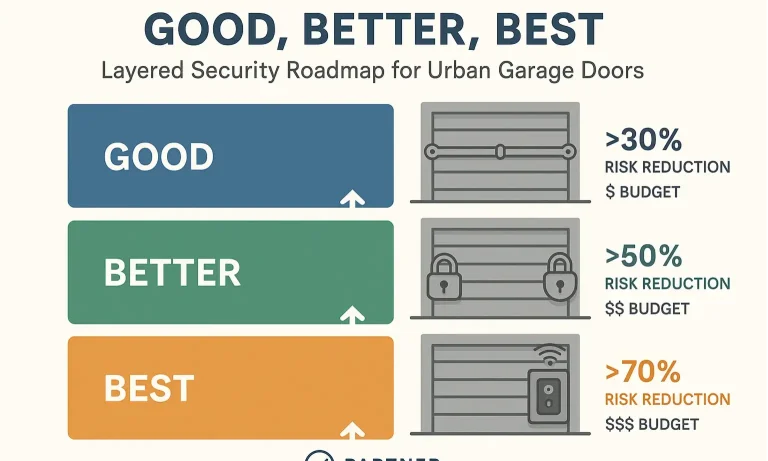
True security isn’t about one magic product; it’s about creating layers of defense. Here’s how you can combine these strategies based on your needs and budget.
Good (Essential Protection):
- Secure the emergency release cord with a shield or zip tie.
- Install heavy-duty interior slide locks on both sides of the door.
- Apply security film to any windows.
Better (Robust Defense):
- All of the above, plus:
- Install steel reinforcement struts across the door panels.
- Add a vibration sensor to the door connected to a smart home hub.
- Consider a full suite of garage door security upgrades for a comprehensive solution.
- All of the above, plus:
- Upgrade to a new, heavy-gauge steel door.
- Install a smart garage door opener with an automated deadbolt.
- Add a security camera with smart activity zones pointed at the door.
Best (Fortress-Level Security):
The Urban Garage Security Checklist & Product Guide
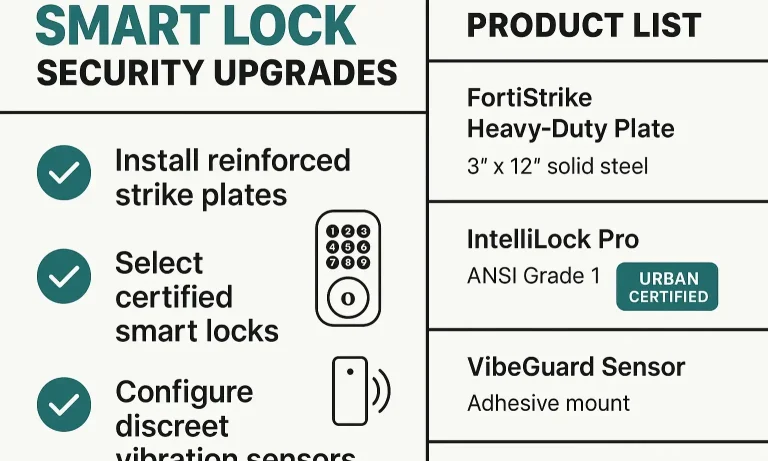
Feeling overwhelmed? Use this checklist to audit your own garage and identify your next steps. The first step in learning how to secure your garage door is understanding your specific vulnerabilities.
Door & Frame Audit:
- Is my emergency release cord secured?
- Are my door panels made of thin metal that could be easily bent?
- Does my door have reinforcement struts?
- Are my windows protected with security film?
Locking Mechanism Audit:
- Do I have a manual lock that physically blocks the door track?
- Do I have space for an interior deadbolt system?
- Does my opener have an automated locking feature?
- Do I have a security camera? Can it distinguish between sidewalk and direct-frontage activity?
- Am I using a vibration sensor instead of a motion sensor for alerts?
- Can I check the status of my garage door (open/closed/locked) from my phone?
Technology & Surveillance Audit:
Frequently Asked Questions
Isn’t a simple lock enough for my garage door?
A single lock is only as strong as the door it’s attached to. For street-facing doors, a lock is just one part of a layered system. Reinforcing the door itself against forced entry is equally, if not more, important.
Will adding reinforcement struts make my door too heavy for the opener?
Reinforcement struts add minimal weight. However, it’s always a good idea to have your garage door’s spring balance checked after adding any new hardware. A professional can adjust the springs to ensure the opener doesn’t have to strain.
Are smart garage doors secure from hacking?
Modern smart garage door openers use rolling code technology, which makes them very difficult to hack. The bigger security risk is usually a weak Wi-Fi password. Always secure your home network with a strong, unique password. If you’re having trouble with connectivity, troubleshooting your Wi-Fi smart garage opener can often resolve security and performance issues.
How often should I perform garage door maintenance?
For a high-use urban garage door, a safety check and tune-up once a year is recommended. This includes lubricating moving parts, checking spring balance, and testing safety sensors. Regular garage door maintenance can prevent small issues from turning into major security vulnerabilities.
Your First Line of Defense
Securing your urban garage is about being smarter, not just stronger. By understanding the unique threats posed by a street-facing environment and applying targeted solutions, you can turn a vulnerability into a fortress. It starts with seeing your garage not through the lens of generic advice, but through the specific context of your city block.
If you’re ready to take the next step, a professional security assessment can help you identify the precise weaknesses in your current setup and build a fortification plan that gives you true peace of mind.
You May Also Like
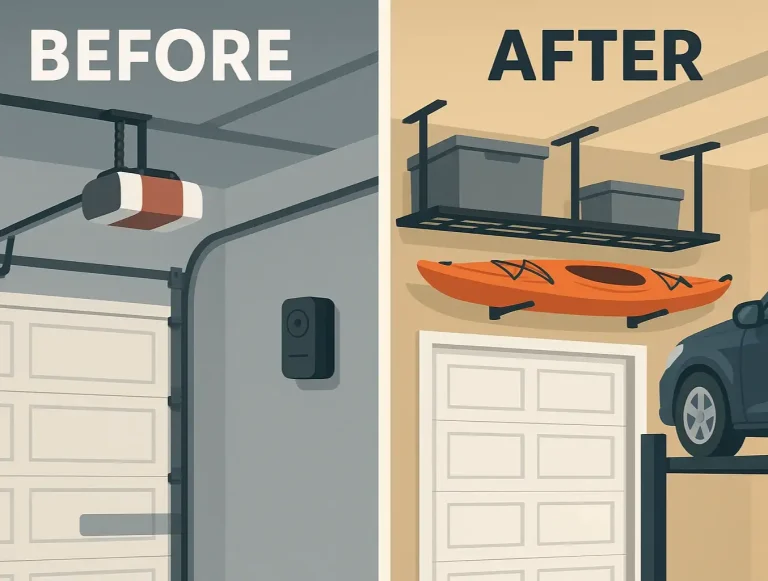
Side-Mounted (Jackshaft) Garage Door Openers
Ever stood in your garage, looked up, and felt like you were losing a battle for space? The culprit is often hiding in plain sight: that bulky, chain-driven garage door opener hanging right in the middle of your…
Published Date: Jun 23, 2026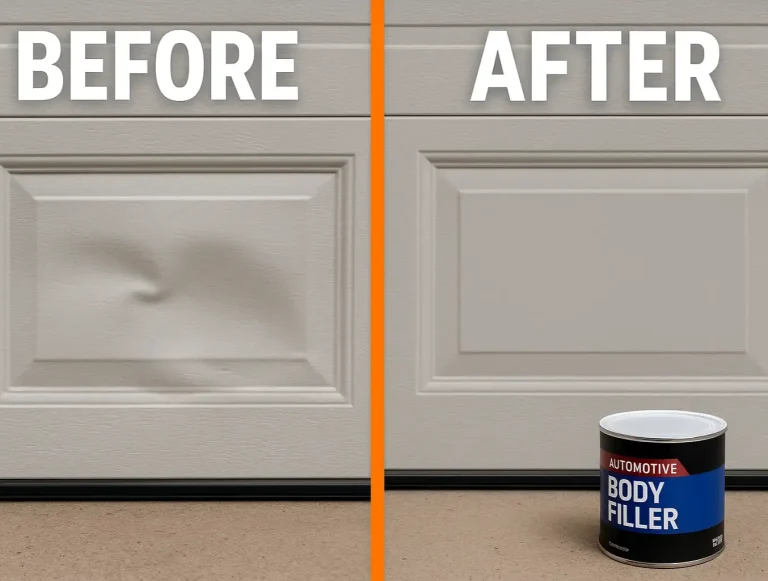
Using Automotive Body Filler for Garage Door Dents
For many types of dents, automotive body filler—often known by the popular brand name Bondo—is the secret weapon for a flawless finish. It’s not just for cars. When used correctly, this versatile compound can erase…
Published Date: Jun 22, 2026
The Best Garage Door Solutions for Small Spaces and Compact Homes
The trend towards smaller homes is becoming increasingly common, but that doesn’t mean you have to sacrifice function or style. With thoughtful planning and the right garage door installation choices, you can have an…
Published Date: Jun 6, 2025