





Guide to Garage Door Openers for Low Headroom Spaces
Published: Mar 31, 2026
Stared at that low ceiling in your garage and sighed, giving up on the dream of an automatic opener? You’re not alone. Many homeowners see the tight space between the top of their open garage door and the ceiling—known as headroom—and assume an opener is simply out of the question.
But here’s the good news: it’s a completely solvable problem.
Modern garage door technology offers brilliant solutions designed specifically for garages with low or obstructed ceilings. You don’t have to choose between a functional garage and the convenience of an automatic opener. This guide will walk you through everything you need to know, from measuring your space to choosing the perfect solution.
First Things First: Is Your Garage a "Low Headroom" Space?
Before diving into solutions, let’s define the problem. In the garage door world, “low headroom” generally refers to any space with less than 12 inches of overhead clearance above the top of the garage door when it’s in the open position.
Standard overhead openers need this space to accommodate the track, the trolley, and the opener rail itself. When you have less than a foot to work with, a standard installation just won’t fit. This is common in older homes, garages with living spaces above them, or designs featuring large support beams that run across the ceiling.
The "Measurement Moment": 3 Numbers That Unlock Your Options
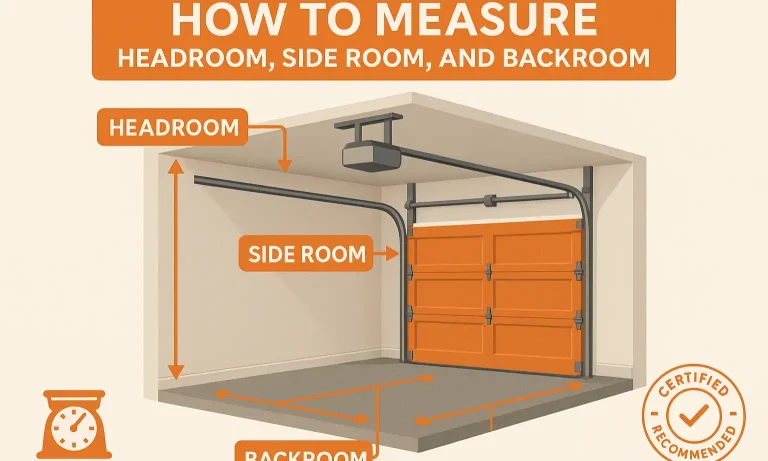
This is the most critical step, and it’s where many people get overwhelmed. But getting it right is simple. Grab a tape measure, and let’s find the three key dimensions that will determine your best path forward. Understanding how to measure a garage door accurately is the foundation for a successful installation.
- Headroom: Measure the distance from the top of the garage door opening (the header) to the ceiling or the lowest obstruction (like a beam or pipe). Do this with the garage door closed.
- Side Room: Measure the space on either side of the garage door opening to the nearest wall or obstruction. You’ll need this measurement for one of our key solutions. A minimum of 8 inches is often required.
- Backroom: Measure the distance from the garage door opening back into the garage to the nearest rear obstruction. This tells you how much space you have for a traditional opener rail.
Once you have these numbers, you’re no longer guessing. You’re armed with the exact data needed to choose your solution.
Your Two Main Solutions for Low Headroom Garages
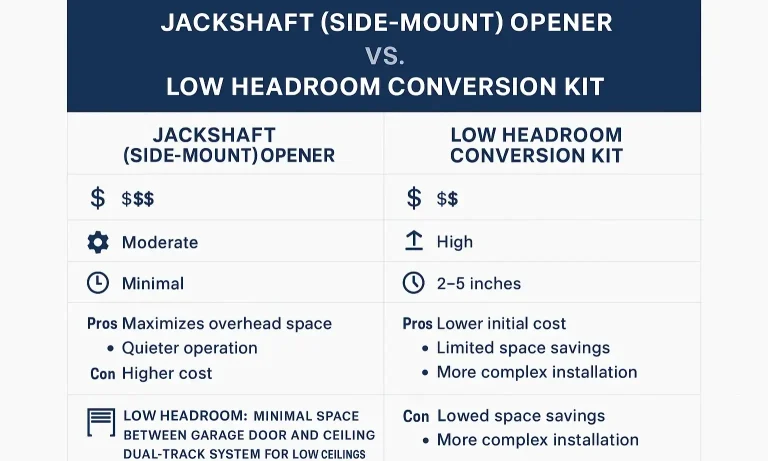
When a standard overhead opener won’t fit, you have two primary solutions. Each has its own unique way of solving the space crunch.
Option A: The Jackshaft (Side-Mount) Opener
How it Works: It’s a beautifully simple concept. By turning the torsion bar directly, it completely eliminates the need for any overhead mechanism. This frees up your entire ceiling for storage, high-lift vehicles, or just a clean, open look.
Pros:
Maximizes Overhead Space: The ultimate space-saver.
Quiet Operation: Many models are incredibly quiet since they don’t use a chain or belt.
Sleek & Modern: Offers a clean, minimalist aesthetic.
Cons:
Higher Initial Cost: Typically more expensive than traditional openers.
Requires Side Room: You must have adequate wall space next to the door.
Needs a Torsion Spring System: Not compatible with extension spring systems.
For many homeowners, the best wall mount garage door opener is the definitive solution for low headroom.
Option B: The Low Headroom Conversion Kit
If you prefer a traditional overhead opener (or already have one), you can modify the installation with a low headroom conversion kit. This clever system uses a special dual-track setup.
How it Works: The kit adds a second horizontal track just above the first one. As the door opens, the top section of the door transitions onto this higher track, allowing it to sit much closer to the ceiling than it would with a standard single-track curve. This “hugs the ceiling” approach carves out just enough extra space for a standard opener rail to fit underneath.
Pros:
More Affordable: Often a lower-cost solution than purchasing a jackshaft opener.
Works with Most Openers: Compatible with the majority of belt and chain-drive models.
No Side Room Needed: Doesn’t require extra wall space.
Cons:
More Complex Installation: Setting up the dual-track system can be tricky and requires precision.
Still Occupies Overhead Space: While it saves space, the opener and rail are still on the ceiling.
This is a fantastic option for those who want to maximize space on a budget, and it often pairs well with projects like a high lift garage door conversion.
Mastery: Making the Right Choice & Installation Prep
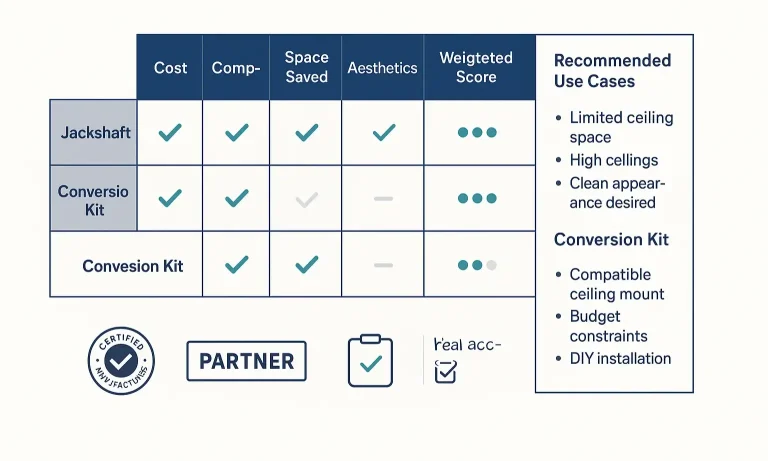
So, which path is yours? Your measurements and priorities will guide you. This decision matrix can help you clarify your choice.
Ultimately, both options are fantastic space saving garage doors solutions.
Pre-Installation Checklist:
- Confirm Measurements: Double-check your headroom, side room, and backroom.
- Check Joist Direction: If you’re installing an overhead opener, are the ceiling joists parallel or perpendicular to the door? This affects how you’ll mount the opener.
- Power Source: Is there a power outlet within a few feet of where the opener motor will be?
- Safety Check: Ensure your garage door is balanced and in good working order before installing an opener. An opener is meant to do the work of a person, not fix a broken door.
A Visual Guide to Low Headroom Installation
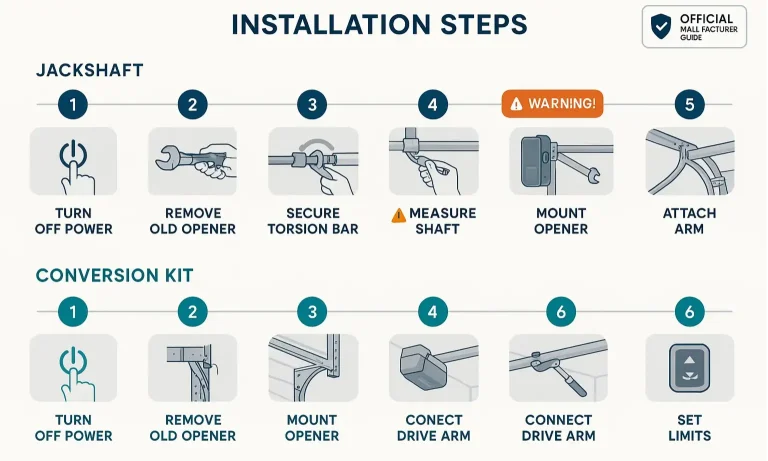
While every model is different, the core concepts remain the same. The process always begins with a secure and well-prepared foundation.
- For Jackshaft Openers: The process involves mounting the unit to the wall, sliding it onto the torsion bar, and securing it. The wiring for safety sensors and the wall control follows.
- For Low Headroom Kits: This involves carefully removing the top brackets and rollers from the garage door, installing the new dual-track system, and then re-attaching the door. From there, the overhead door installation for the opener itself proceeds much like a standard setup.
AVOID THIS: Don’t attempt to adjust or remove garage door springs yourself. They are under extreme tension and can cause serious injury. This part of the job is always best left to a professional.
Frequently Asked Questions (FAQ)
How much headroom do I need for a jackshaft opener?
Jackshaft openers themselves require very little headroom (around 3 inches), but you still need enough space for your door’s torsion bar and drums. The key measurement is side room—typically at least 8 inches next to the door tracks.
Can I use my existing overhead opener with a low headroom conversion kit?
In most cases, yes. The kits are designed to modify the door and track system to make space for a standard opener. However, always check the kit’s compatibility with your opener model.
Are jackshaft openers less powerful?
Not at all. Jackshaft openers are engineered to handle the weight of standard residential doors with ease. Heavy-duty models are also available for larger, heavier custom or commercial doors.
What are the most common problems with these installations?
For jackshafts, issues can arise from improper cable tension or if the door isn’t properly balanced. For conversion kits, the most common mistake is misaligning the dual tracks, causing the door to bind or run rough. For any general issues, our guide to garage door opener troubleshooting can be a big help.
Is this a good DIY project?
It depends on your comfort level. Installing a jackshaft opener can be a straightforward DIY job for someone with good mechanical skills. A low headroom conversion kit is more advanced due to the precision required for the track alignment. When you ask yourself “are garage door openers easy to install,” remember that safety is the top priority.
Don't Let a Low Ceiling Limit You
Your garage’s low ceiling isn’t a dead end—it’s just a unique challenge with proven, reliable solutions. By taking careful measurements and understanding the pros and cons of jackshaft openers versus low headroom conversion kits, you can confidently choose the right system to bring modern convenience to your space.
If you’re ready to take the next step or feel more comfortable with a professional eye, our team at Up & Down Garage Doors is always here to help. We specialize in finding the perfect fit for every garage, no matter the size or shape.
You May Also Like
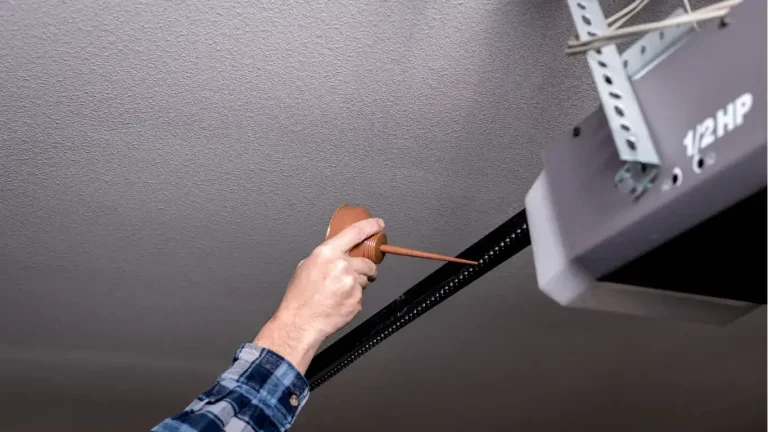
Explore Different Garage Door Opener Options
Upgrading your garage door opener can significantly enhance your home's convenience and security. As technology advances, homeowners have more options than ever when it comes to choosing the right opener for their…
Published Date: Oct 4, 2024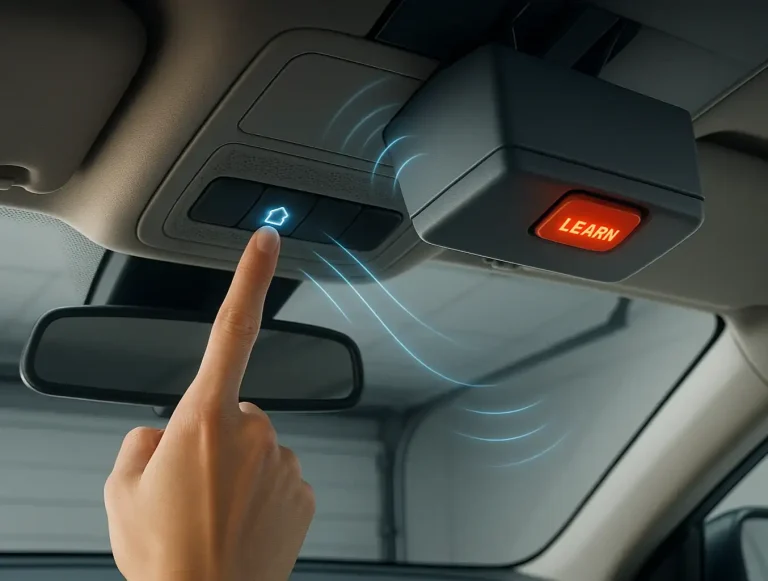
Decoding Rolling Codes: Your Guide to Car-to-Garage Programming
You’ve tried it once. You’ve tried it a dozen times. You’re sitting in your car, pressing the built-in button, pointing it at your garage, and… nothing. The blinking light on your visor taunts you, and the garage…
Published Date: Mar 31, 2026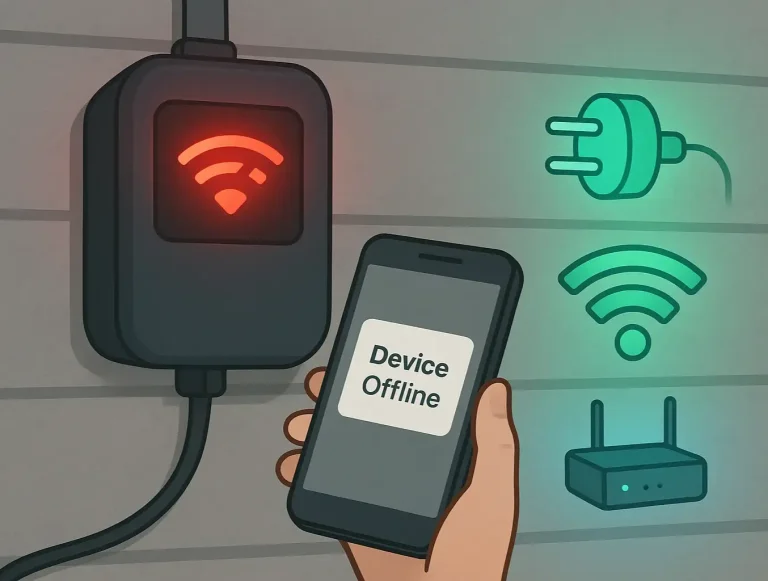
Smart Garage Door Opener Offline: Your Step-by-Step Connectivity Fix
That sinking feeling is all too familiar. You pull up to your home, tap the app on your phone, and... nothing. The screen flashes "Device Offline" or "Not Responding." Just like that, the "smart" part of your smart…
Published Date: Mar 23, 2026