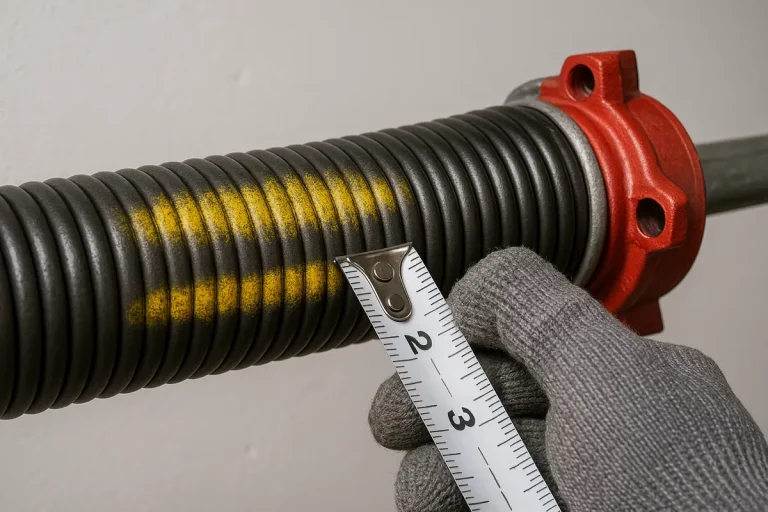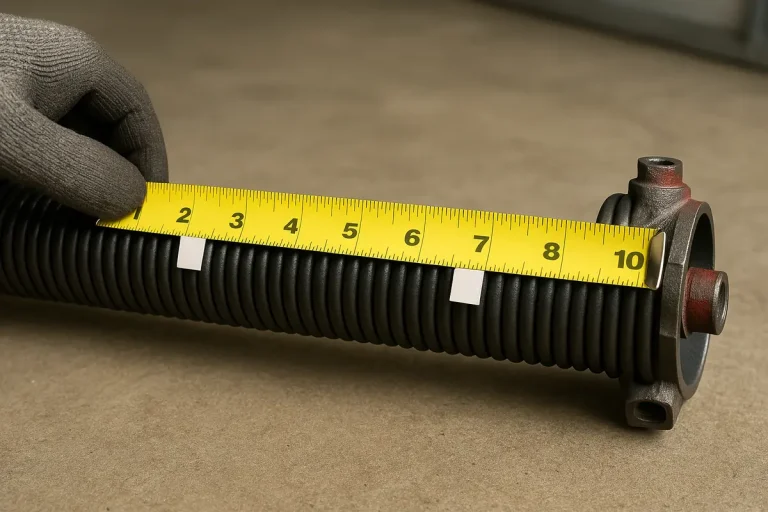





Master Guide to Garage Door Pulley Replacement on Extension Spring Systems
Published: Oct 15, 2026
When your garage door begins binding, scraping, or opening unevenly, the culprit is rarely the motor or the door panels themselves. In extension spring systems, degraded pulleys (sheaves) are almost always behind the mechanical resistance. Addressing worn pulleys promptly restores balance, prevents sudden cable failure, and protects your motor from premature burnout.
Anatomy of an Extension Spring Pulley System
Standard residential garage doors weigh between 130 lbs and 280 lbs. Extension spring systems handle this weight across four key pulleys: two stationary track pulleys mounted directly to the track angle, and two dynamic clevis pulleys attached to the end of each extension spring.
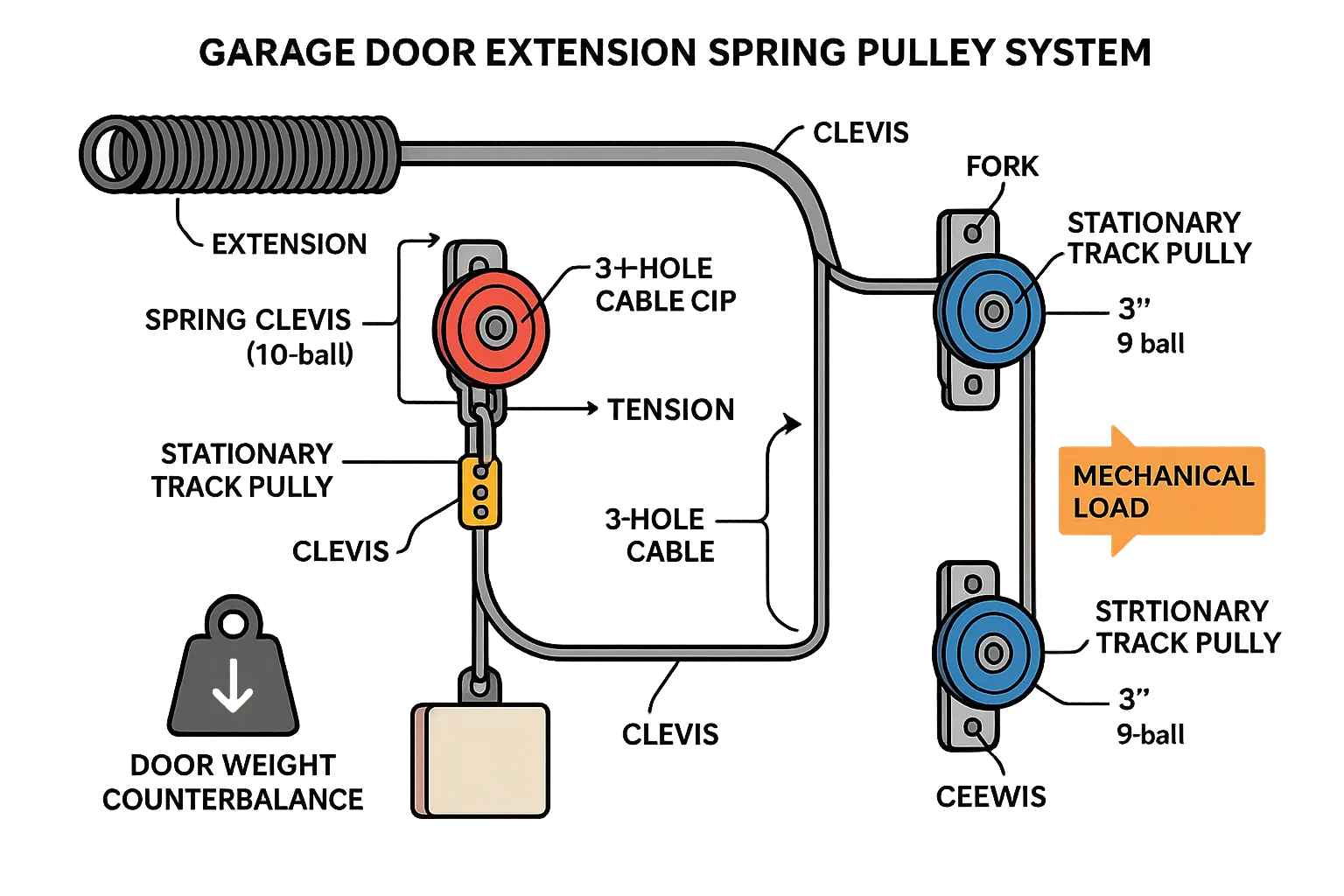
Over 70% of extension spring cable fraying and derailments stem directly from seized pulley bearings or split rivets rather than raw cable age. When a bearing seizes, the steel lift cable drags continuously over a stationary wheel groove, wearing down cable strands until complete failure occurs.
DIY vs. Professional Repair vs. Torsion Spring Conversion
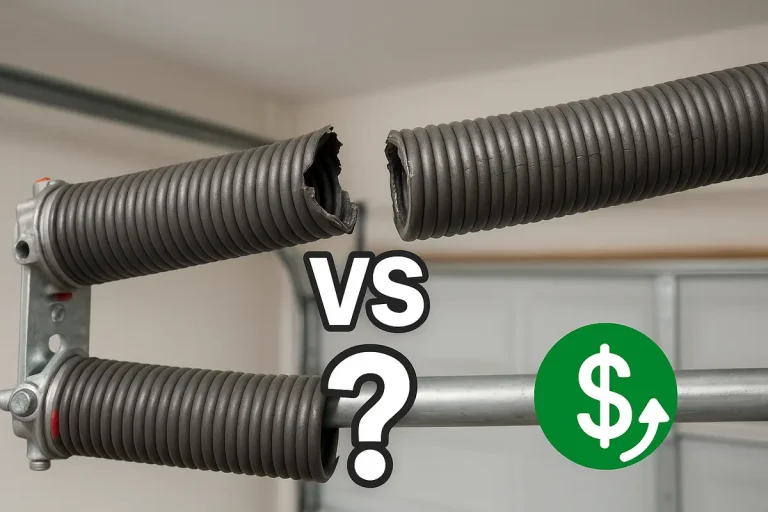
Evaluating whether to complete a DIY repair, hire a professional technician, or convert your door to a torsion system depends on your mechanical comfort level and long-term goals.
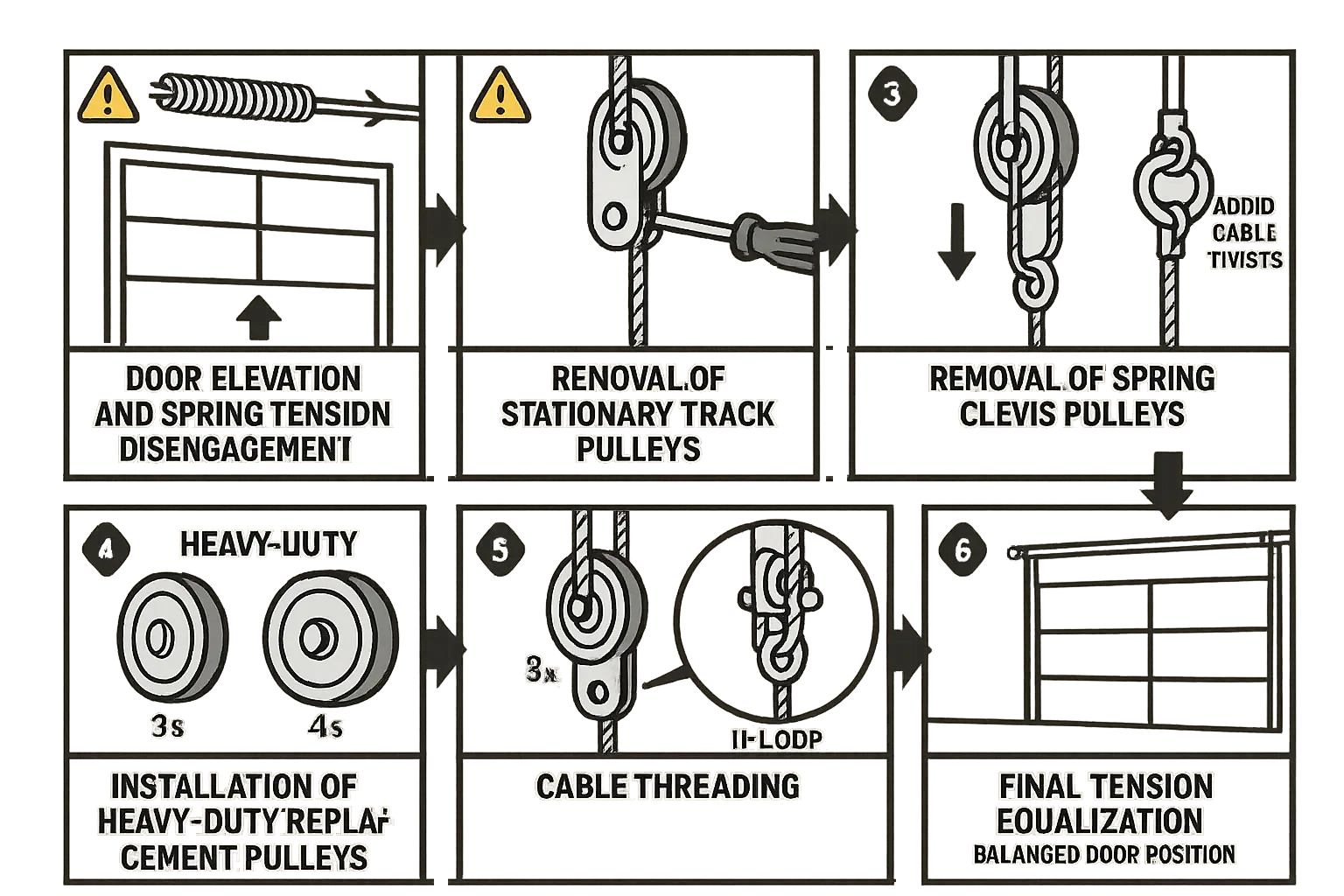
Standard OEM 3-inch pulleys with 9-ball open-race bearings generally last around 10,000 cycles (5–7 years). Upgrading to heavy-duty 4-inch pulleys with 10-ball or 11-ball factory-lubricated sealed bearings increases system longevity up to 50,000 cycles while operating significantly quieter.
Before purchasing hardware, perform a basic evaluation: if your springs are stretching unevenly or showing structural wear, check overall broken garage door spring cost factors to decide whether replacing individual hardware items or opting for professional garage door repair makes the best financial sense. Reviewing a step-by-step how to fix garage door safety outline will help reduce potential hazards before attempting work.
Step-by-Step Pulley Replacement Guide
Replacing pulleys on an extension spring setup requires strict attention to tension safety and mechanical alignment.
Disengage Tension & Secure the Door
Raise the door fully until all kinetic tension is released from the extension springs. Clamp sturdy vise-grips under the bottom rollers on both tracks, and unplug your electric opener power head to secure the door safely in place.
Replace Stationary Track Pulleys
Unbolt the worn stationary pulley located at the front track angle. Inspect the mounting shoulder bolt for wear before installing your new heavy-duty pulley.
Replace Spring Clevis Pulleys
Disconnect the clevis fork from the end of the spring. Remove the old pulley wheel, insert the new heavy-duty sheave, and rebolt the assembly securely without twisting the attached lift cable.
Cable Threading & 3-Hole Clip Adjustment
Thread the lift cable straight over the top of the track pulley, back around the clevis pulley, and attach it securely through the 3-hole cable clip using a standard “U-Loop” path to prevent slippage under load. Always replace all four pulleys at the same time to ensure uniform tension distribution across both sides.
If you encounter unexpected binding after replacing the sheaves, consult our comprehensive guide on broken garage door troubleshooting to isolate track or spring issues safely.
Frequently Asked Questions
Why should I replace all four pulleys at the same time?
Mixing old, worn pulleys with brand-new sheaves creates unequal rotational friction across the track setup. This imbalance pulls the door off-center during travel, forcing your opener motor to work harder and causing severe cable wear on the side retaining the old hardware.
How do I know if my issue is a bad pulley or a faulty opener?
If your opener motor hums or strains, disconnect the opener arm and operate the door manually. Squeaking, scraping, or jerky movement during manual operation points to bad pulley bearings or track resistance, whereas smooth manual movement suggests a motor issue requiring specialized steps to repair garage door opener components.
When should I consider converting to a torsion spring system?
A torsion spring conversion is ideal if your door sees heavy daily use or if you want to eliminate exposed stretch springs along the horizontal tracks. Top-mounted torsion springs provide smoother operation, improved safety, and fewer high-wear moving parts than traditional 4-pulley extension spring setups.
You May Also Like