





Maintain Black Carriage Garage Doors: Heat And UV Protection Guide
Published: Aug 21, 2026
Black carriage-style garage doors represent one of the most stunning trends in modern residential architecture, now accounting for up to 60% of modern residential garage door sales. They offer an instant architectural upgrade, providing dramatic contrast and historical charm. However, dark finishes present unique physical realities that standard maintenance advice completely ignores.
Because dark colors absorb intense thermal energy, a black garage door in direct sunlight can reach temperatures exceeding 150°F (65°C) on a standard 90°F day. This extreme thermal loading accelerates UV photodegradation, increasing the risk of fading, warping, and finish breakdown by up to 300% compared to lighter doors. Protecting this high-end investment requires specialized care. If you are looking to install or upgrade, choosing elegant carriage garage doors is the first step toward a beautiful home exterior, but long-term beauty depends entirely on targeted preservation.
Structural Differences: Sectional vs. True Bifold Carriage Doors
While many homeowners assume all carriage doors operate the same way, their structural engineering varies significantly. Understanding your door’s architecture changes how you maintain its physical components over time:
- Sectional Roll-Up Doors: These utilize horizontal panels that roll up on tracks, using decorative handles and hinges to mimic old-world swinging doors. To understand their mechanics, exploring the benefits of a sectional garage door will help you identify the precise track and roller alignments required.
- True Swing-Out / Side-Hinged Doors: These open outward on heavy-duty vertical hinges. If your home features classic side hinged garage door styles, maintenance must focus on sagging prevention, hinge weight distribution, and managing the vertical center-seam weather sealing.
The 3-Step Cleaning Protocol (Without Ruining the Finish)
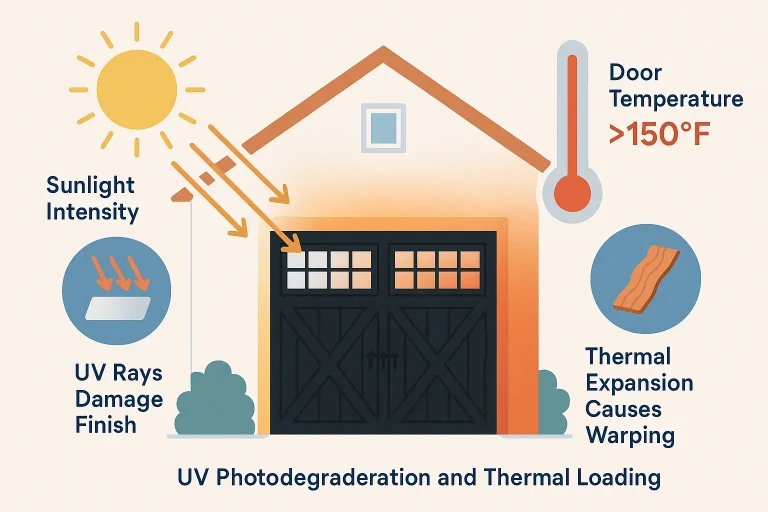
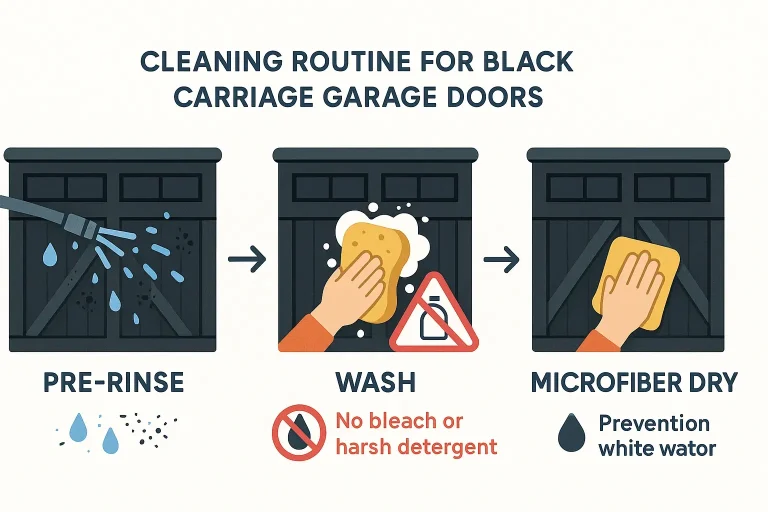
Standard household detergents and bleach are highly alkaline and can permanently ruin dark faux-wood or painted acrylic finishes, leaving behind permanent, unsightly white streaks. Follow this safe, professional cleaning protocol:
- The Pre-Rinse: Never wipe a dry black door. Fine dust and debris act like sandpaper, scratching the delicate clear coat. Gently spray the door down with a low-pressure garden hose first.
- The Wash: Use a pH-neutral automotive car wash soap diluted in warm water. Avoid common dish soaps like Dawn, which are formulated to strip grease and will slowly degrade your door’s protective UV topcoats.
- The Microfiber Dry: Dry the door using clean microfiber towels to prevent calcium scaling and white water spots, which are highly visible on dark finishes.
The UV Shield: Why Carnauba Wax Fails on Black Steel
Traditional carnauba wax melts at around 180°F. When applied to a hot black door, the wax can quickly degrade, melt off, or turn into a cloudy, hazy layer that ruins your curb appeal.
To prevent fading and “chalking” (the white oxidized residue that signals finish failure), perform a simple White Glove Rub Test: rub a clean white cloth over the door panel. If a powdery black or gray residue transfers to the cloth, your finish is actively oxidizing.
To restore and protect the door, apply a synthetic marine-grade polymer sealant or a high-temperature ceramic spray coating. These sealants are engineered to withstand temperatures exceeding 200°F without breaking down, providing superior UV block. Integrating this step into your annual garage door maintenance schedule is critical. While protecting the surface, always take a few minutes to learn how to lubricate garage door hinges and rollers to keep the mechanical system running as smoothly as the finish looks.
Decorative Hardware: Stopping the "Orange Bleed"
Nothing ruins the sleek look of a black carriage door faster than bright orange rust bleeding down from decorative strap hinges and handles. Moisture trapped behind real iron or low-grade steel hardware oxidizes and deposits acidic rust lines across your dark panels.
To prevent this, remove the decorative hardware annually. Lightly sand away any existing rust, apply a zinc-rich, rust-inhibiting primer, and coat it with a UV-resistant, outdoor-rated matte black paint. Alternatively, consider upgrading to high-quality, UV-protected magnetic ABS plastic decorative hardware. This modern alternative looks identical to heavy iron, is 100% rustproof, and completely eliminates the risk of orange bleed. If you live in a coastal area, understanding garage door durability rust factors is essential for protecting both your hardware and structural steel from harsh environmental salt air.
The Missing Detail: "Garage Door Stop Black"
Many installers make the mistake of using standard white or brown vinyl weather-stops on black doors. This creates a cheap, contrasting outline that ruins the seamless design of your carriage doors. Additionally, intense summer heat can cause low-quality vinyl trim to soften and stick to the hot steel door panels, leaving stubborn white plastic skid marks on your black finish.
We highly recommend replacing standard trim with professional-grade, color-matched black EPDM silicone weatherstops. The structural importance of garage door weather stripping goes beyond keeping out drafts and debris; high-quality EPDM rubber remains flexible at extreme temperatures, preventing sticking and finish transfer.
Mechanical Troubleshooting: Summer "Creaking" & Warping
Does your black garage door make loud popping or creaking noises only when the sun hits it? This is caused by thermal expansion. Dark steel panels can expand up to 1/8 inch in width when exposed to direct afternoon heat, causing them to bind within the tracks.
If your garage door makes grinding noise or struggles to open during peak heat hours, the tracks may be set too tightly against the door. You can resolve this by slightly loosening and adjusting your garage door track brackets to provide an extra 1/16 inch of lateral clearance. This small mechanical tolerance prevents binding, quietens operation, and protects your opener from unnecessary strain.
FAQ Section
Can I pressure wash my black carriage door?
No. High-pressure water can lift the edges of the painted or faux-wood acrylic topcoat, causing peeling and permanent damage that requires panel replacement. Stick to a standard garden hose and a soft microfiber mitt.
How often do I need to apply a UV sealant?
For south- and west-facing black doors that receive intense afternoon sun, apply a synthetic marine polymer sealant twice a year (spring and autumn). For shaded or north-facing doors, an annual application is sufficient.
Does this guide help keep doors open in the game Rust?
No! If you are trying to wire switches to keep armored garage doors open while defending your base from raiders, you are playing the popular video survival game Rust. For real-world home maintenance that protects your actual curb appeal, the physical guide above is what you need.
Protecting Your Investment
A black carriage-style garage door is a premium home investment that deserves professional care. While routine cleaning and basic inspections can easily be done at home, addressing complex mechanical adjustments, track alignments, or severe thermal bowing requires experienced professionals. If you want to ensure your high-end garage doors remain functional and beautiful for decades, reach out to Up & Down Garage Doors today to schedule a professional precision tune-up.
You May Also Like
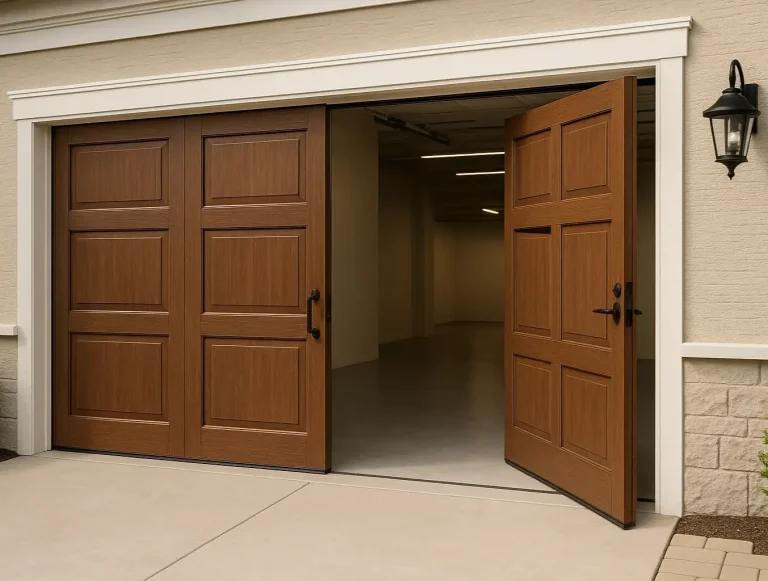
A Modern Look at a Classic Style for Functionality and Aesthetics
Your garage is more than just a place to park your car. It's a workshop, a home gym, a storage hub, or even the band's practice space. But if you have to open the entire heavy door every time you want to grab a tool…
Published Date: May 14, 2026
DIY Garage Door Upgrades: Affordable Ways to Improve Function and Style
Among all exterior features, the garage door carries more visual and functional weight than many realize. It’s part of your home’s personality, and more than that, it impacts comfort, energy use, and even how safe…
Published Date: Dec 2, 2025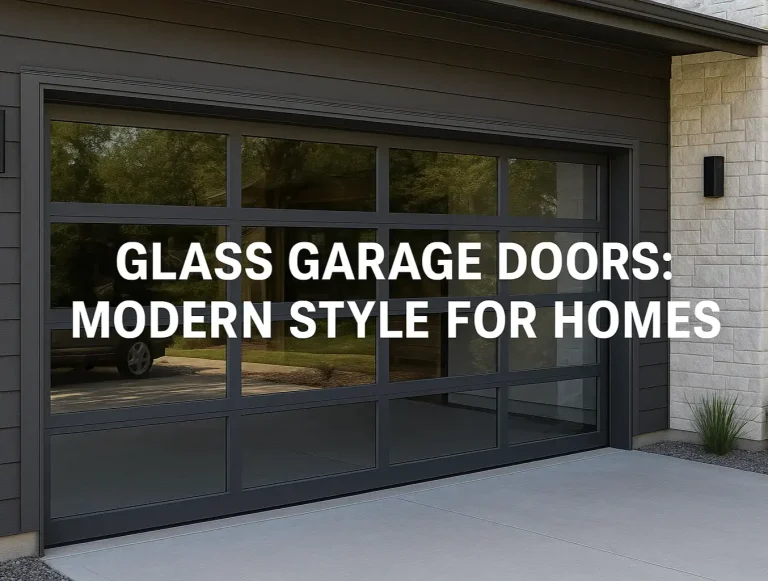
Glass Garage Doors: Modern Style for Homes
Modern homes are all about clean lines, natural light, and simple, beautiful design. So why not have a garage door that matches that vibe? Since it takes up a lot of visual space, it’s also a great way to add style…
Published Date: Sep 24, 2025