





★★★★★
Thanks for the regular maintenance!! The door works like a new one
 Dana Blaine
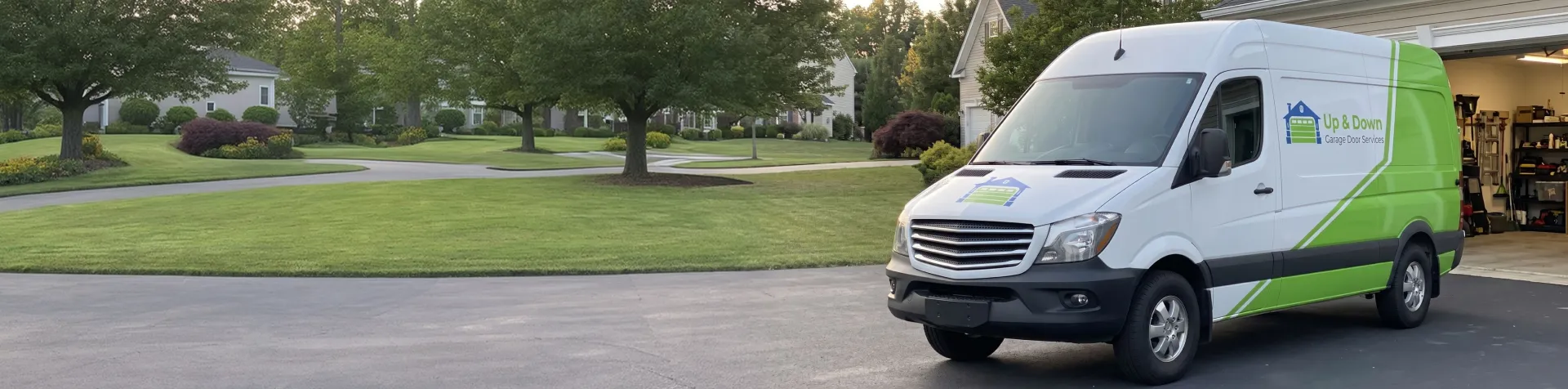
Squeaks at 6 a.m., grinding that wakes the baby, a rumble you can hear in the bedroom above the garage: a noisy garage door is more than annoying. Very often, the sound is an early warning that a part is wearing out. Up & Down Garage Doors finds where the noise comes from and fixes it, with new rollers, hinges, lubrication, spring adjustments and quieter openers, for homes in Connecticut, New York, Arizona, Illinois and Texas.
Looking for noisy garage door repair near me? Our licensed technicians listen to the door, pinpoint the cause and give you a free estimate for a quieter, smoother door.
If you hear a loud bang and the door suddenly feels heavy, a spring may have broken. Stop using the door; you’ll need our garage door repair service.
Different noises point to different problems:
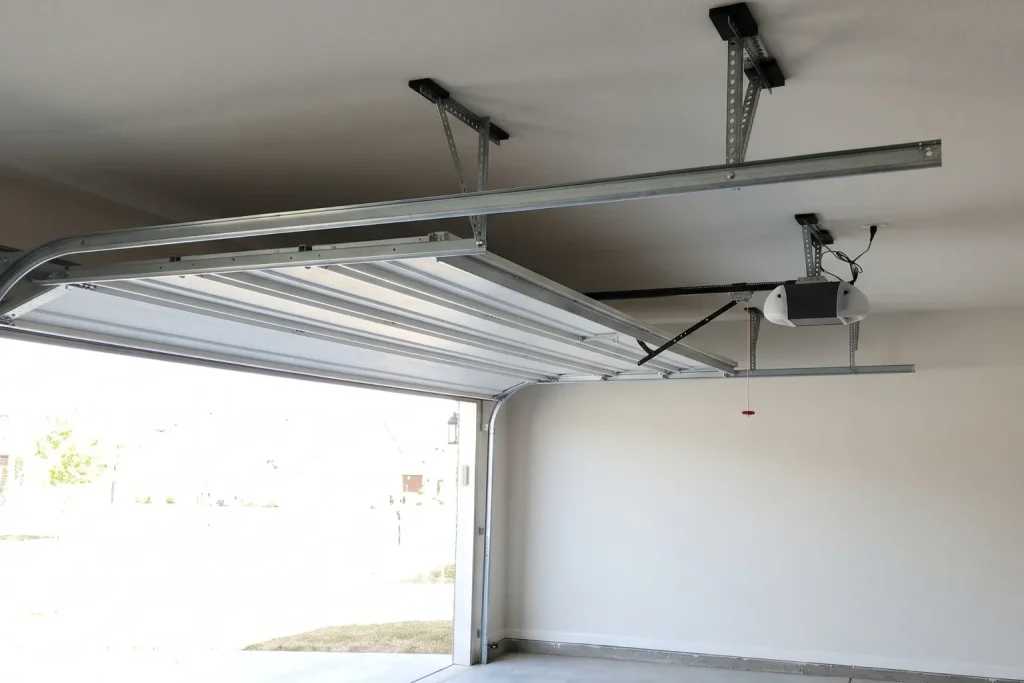
Wondering how to fix a squeaky garage door specifically? In most cases, lubricating the hinges and roller bearings is enough to stop the squeak.
Many noise problems can be improved with simple maintenance. Here’s how to fix a noisy garage door safely:
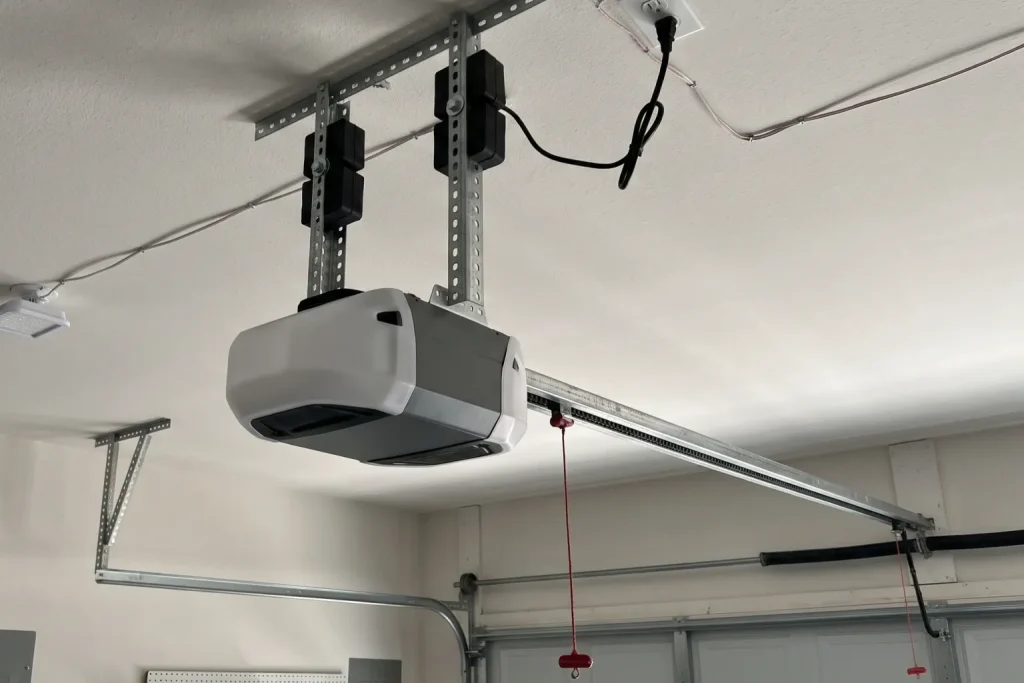
For a full professional service, see our garage door maintenance tune-up.
Learning how to lubricate a garage door takes about 15 minutes and can make a big difference:
Close the door and unplug the opener.
This keeps the door from moving while you work.
Use the right product.
White lithium or silicone spray made for garage doors works best. Avoid heavy grease, which attracts dirt.
Spray the hinges
where each one pivots.
Spray the roller bearings,
not the nylon wheel surface.
Lightly coat the springs and bearing plates
above the door, staying clear of the spring hardware.
Skip the tracks.
Keep them clean and dry instead.
Wipe off extra lubricant, plug the opener back in
and run the door a few times to spread it.
A rattling, squeaking, or grinding garage door does more than disrupt your household—it often signals worn-out rollers, loose hardware, or an off-balance mechanism. Simply spraying grease over the tracks rarely solves the underlying mechanical issues. Our experienced technicians inspect every moving component, replacing high-friction metal parts and securing vibrating frames to deliver whisper-quiet operation.
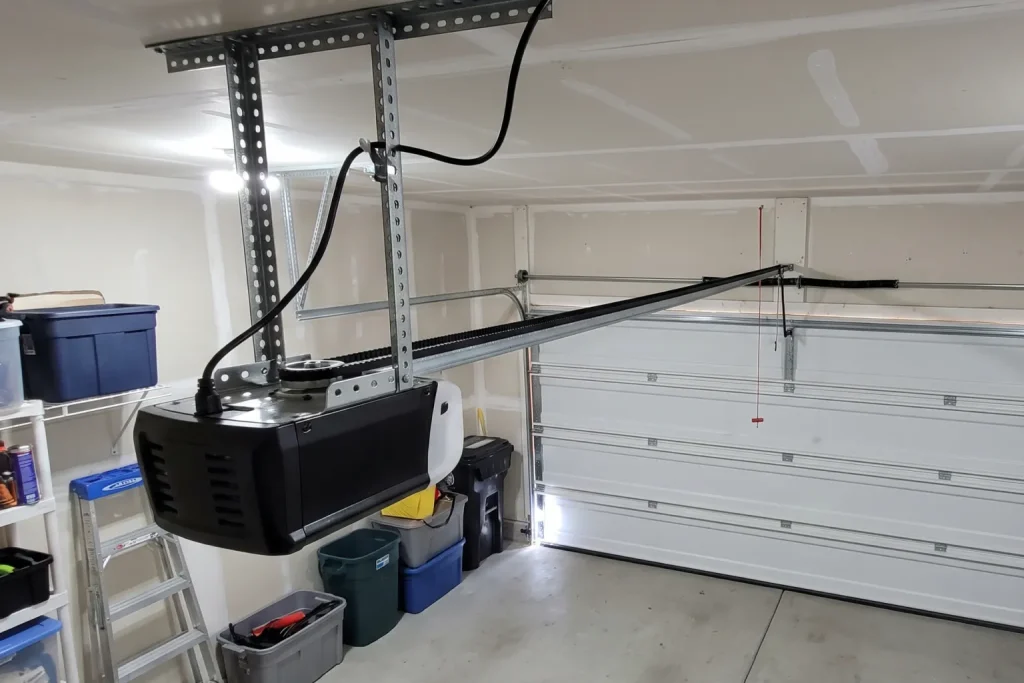
When lubrication isn’t enough, our garage door noise reduction service targets the real source of the sound:
We run the door, listen to each part and inspect rollers, hinges, tracks, springs, bearings and the opener. Then we explain what’s causing the noise and quote the fix for free before touching anything.
Old steel rollers clatter as they roll through the track. Replacing them with nylon rollers with sealed ball bearings is one of the most effective ways to get a quiet garage door.
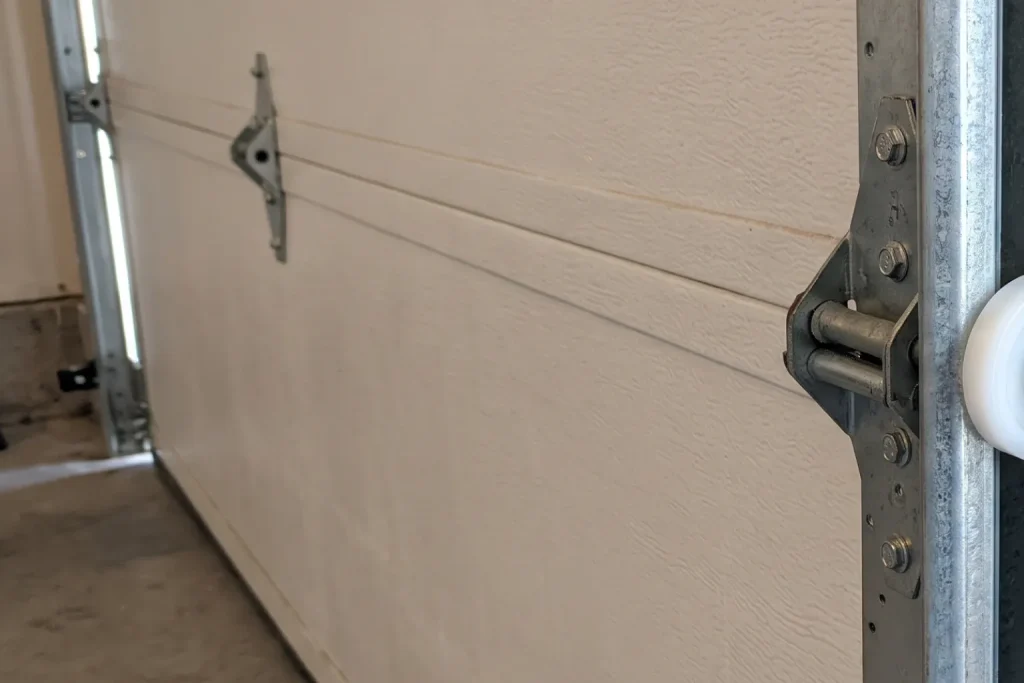
Worn or cracked hinges rattle and let the sections shift. We replace damaged hinges and brackets and tighten the hardware so the door moves as one smooth unit.
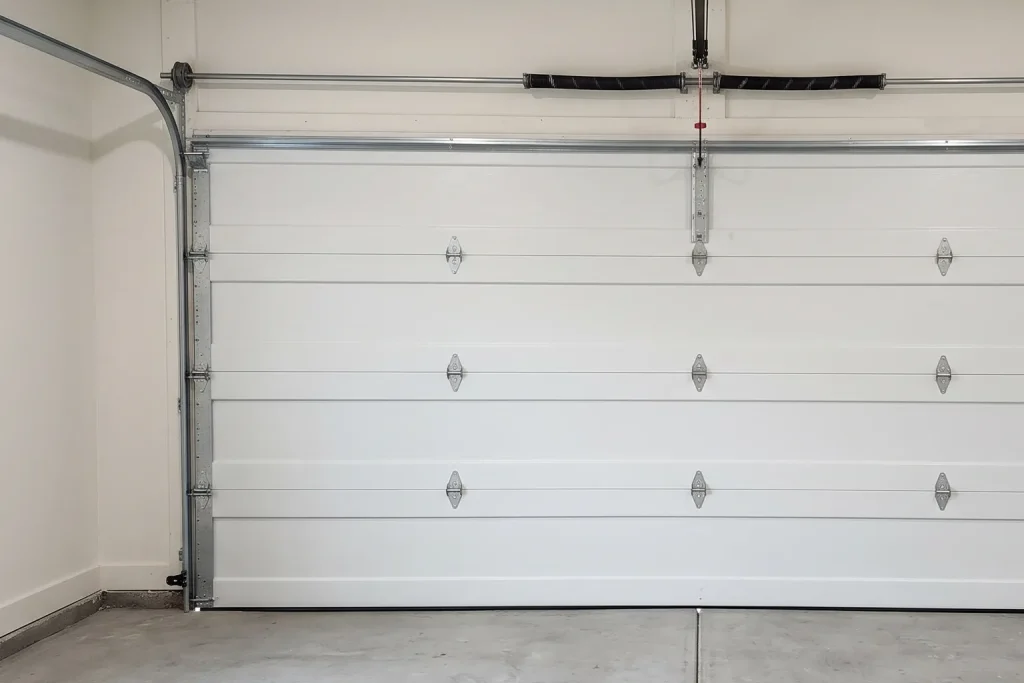
Springs that are dry, worn or out of balance can pop, creak and make the opener strain. We lubricate, adjust or replace springs so the door is balanced. More details are on the garage door springs page.
If the noise comes from a chain drive opener, an ultra quiet garage door opener is the best fix. Belt drive and direct drive openers with smooth-starting motors run far more quietly, which matters for bedrooms above or next to the garage. Quiet opener models are compared on our garage door opener page.
Even a quiet opener can send vibration through the ceiling joists into your home. A garage door vibration isolator kit places rubber pads between the opener mounting and the ceiling to absorb that vibration.
Insulated doors with solid core sections are quieter than thin, single-layer steel doors. If your door is old and noisy, replacing it with an insulated door can be the long-term answer, and adding insulation also helps; learn more about garage door insulation.
Getting a quieter door takes three steps:
Call (475) 267-4105.
Describe the noise and when it happens. A short video with sound is very helpful.
Diagnosis and free estimate.
A technician finds the source and gives you a free estimate.
Quiet door, tested.
We replace or adjust the parts and run the door until it’s smooth and quiet.
Noise is a symptom, and finding the cause takes experience:
The estimate is free, and you can check typical rates on our prices.
The price depends on what’s causing the noise:
We are proud as well as grateful for every review our customers write so we can become more and more helpful since there are no limits to professionalism. If you're looking for a garage door specialist, take your time and read what customers think about us and our services. We are hopeful that you will be impressed.
Thanks for the regular maintenance!! The door works like a new one
Dana BlaineGreat company with nice prices and very kind staff
 Paul Yoho
Thanks for the honesty! These guys could sell me a whole new door, but they recommended changing only damaged panels instead. And now the door looks exactly how it was supposed to and I paid a lot less.
 Julie Diaz
What a relief, the door finally tries to kill no one. My dog was scared af. Thanks for your help. He's one happy boy now and that's worth a lot for me!!
 Kevin Falcon
Great services : on time, reasonable prices , nice staff
 Kevin Gabriel
Excellent work ethic and customer service. I was so pleased with how Mo strived for perfection in balancing my garage door after replacing the springs. Repair turned out to take much longer than expected, but he did not rush and treated it as if he were repairing his own garage door. He wanted to do it the right way. Pricing excellent as well. I highly recommend.
 Mark Poppins
The most common causes are dry or worn rollers and hinges, loose hardware, springs that need lubrication or balancing, and a chain drive opener.
Lubricate the hinges, roller bearings and springs with a garage door lubricant. If it still squeaks, worn rollers or hinges may need replacing.
A white lithium or silicone spray made for garage doors. Avoid heavy grease and general-purpose oils that attract dirt.
Every few months is a good rule, or twice a year at minimum, especially before winter and summer.
Belt drive and direct drive openers are the quietest. They are a good choice when there are rooms above or next to the garage.
It adds rubber pads between the opener and the ceiling, so less vibration and noise travel into your home.
Yes. Nylon rollers with sealed bearings roll much more quietly than old steel rollers.
Not always, but new noises can be a warning sign of worn springs, rollers or cables. Have the door checked before a part breaks.
Usually the torsion springs are dry or under strain, or the door is out of balance. Cold weather can make it worse. A technician should check it.
Yes. Insulated doors with solid sections are usually quieter than thin, single-layer doors.