





Durability and Maintenance for High-Use Converted Garage Doors
Published: Jul 3, 2026
Converting a garage into a home office, gym, playroom, or rental suite is a brilliant way to maximize your home’s footprint. However, most homeowners don’t realize that converting this space changes the thermodynamic and mechanical physical load on your garage door. It is no longer just a barrier for your car; it acts as an exterior wall of a fully climate-controlled living space.
Introduction: The Converted Garage Paradox
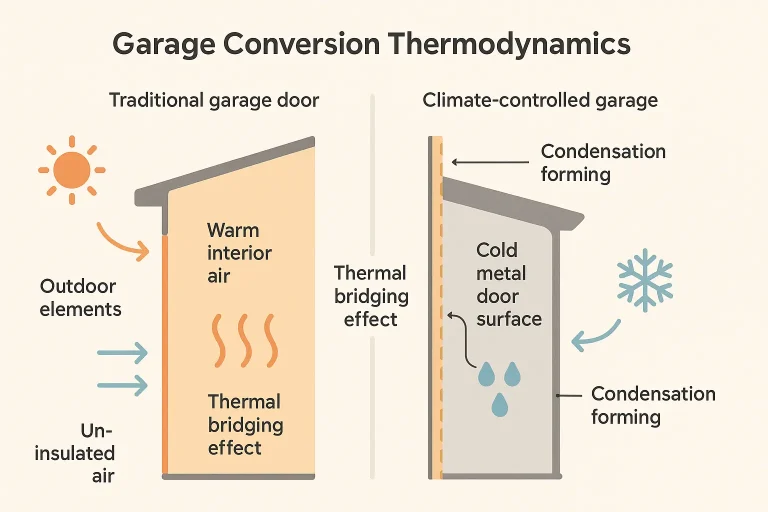
When you heat or cool a converted garage, you create a temperature differential. Warm, moisture-dense indoor air meets the cold metal of a single-skin garage door.
This temperature boundary triggers condensation on the interior side of the metal panel. This moisture runs down into the bottom retainer, causing hidden, inside-out rust. If you did not choose high-performance diy garage door insulation, this moisture trap accelerates material failure.
The Mechanics of High-Use: Beyond the 10,000-Cycle Limit
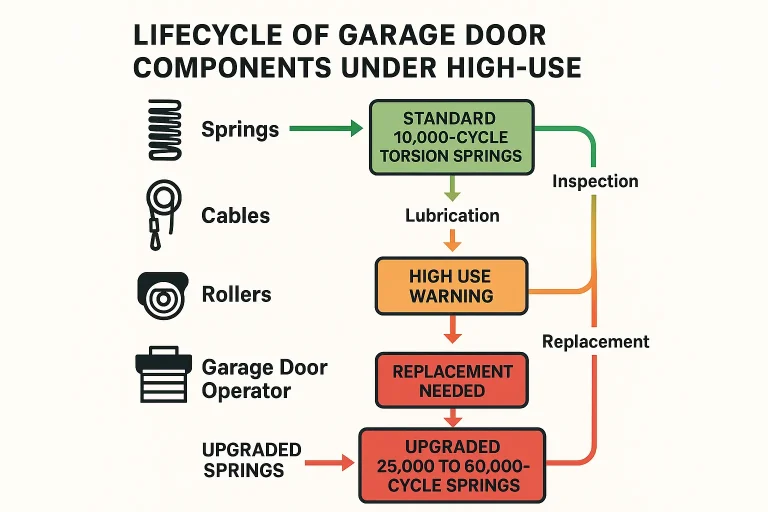
Standard residential garage doors are engineered for a 10,000-cycle lifespan (one cycle equals opening and closing once).
For a traditional garage, this lasts about 6 to 8 years. However, a converted space experiences far heavier use. With kids running in and out, fitness sessions, or client visits, a door can easily cycle 10+ times a day. At this rate, standard springs will fatigue and snap in less than three years.
Upgrading to heavy-duty torsion springs rated for 25,000 to 50,000 cycles is crucial for high-use spaces. Investing in proactive garage door spring maintenance ensures your system remains balanced and prevents premature wear on your automatic opener.
Preventing the "Inside-Out" Rust: The Science of Garage Door Skins
Rusting is the chemical oxidation of iron when the steel door’s galvanized zinc coating is scratched or compromised. The bottom six inches of the door are highly susceptible because of splashback containing lawn fertilizers, road salts, or pet urine, acting as highly corrosive electrolytes.
If you notice the bottom of garage door rusting, you must act fast. This physical material degradation shouldn’t be confused with the virtual mechanics of the popular survival game “Rust” (often detailed on the gamer-centric rust wiki garage door). To maintain your physical property, learn how to remove rust from a garage door using a wire brush, applying a rust-inhibiting zinc-chromate primer, and sealing it with an exterior-grade elastomeric paint.
The DIY Maintenance Protocol (The 6-Month Checklist)
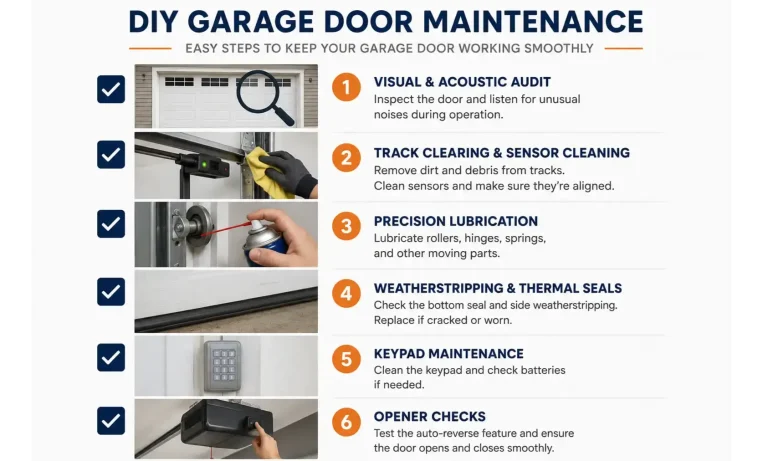
Maintaining a high-use door doesn’t have to be overwhelming. Consistent, preventative care keeps the system running smoothly.
- Visual & Acoustic Audit: Watch the door run. Listen for grinding, squeaking, or scraping sounds that signal unbalanced hardware.
- Track Cleaning: Wipe the inside of the tracks with a damp rag. Never spray lubricants inside the tracks; it attracts grit and gums up the rollers.
- Lubrication: Wondering how often should you lubricate your garage door? For high-use spaces, apply silicone spray to nylon rollers and white lithium grease to steel hinges and springs every 6 months.
- Seal Checks: Inspect the bottom weatherstripping. If you notice drafts, schedule a garage door bottom seal replacement and learn how to seal garage door gaps to protect your climate-controlled space.
Weatherproof Keypads & Opener Care for Converted Spaces
For converted home gyms or rental suites, wall keypads get heavy use. Standard keypads often short out under intense weather.
We recommend installing an IP65 weatherproof garage door keypad with silicone-sealed key backings to withstand rain, snow, and extreme temperatures.
Additionally, high-traffic doors put extra strain on automatic openers. Ensure you keep an eye on your garage door opener lifespan, checking belt tension and motor gear assemblies annually to avoid unexpected lockouts.
Frequently Asked Questions
Why is the inside bottom panel of my garage door rusting?
Warm indoor air in a heated converted garage holds moisture. When this air hits cold metal during winter, condensation forms, flows downward, and pools in the bottom seal retainer, causing rust from the inside out.
Can I use WD-40 to lubricate my garage door tracks?
No. WD-40 is a degreaser, not a long-term lubricant. It attracts dust, hair, and grit, creating a sticky paste that grinds down your rollers and tracks. Use silicone spray or white lithium grease instead.
How do I know if my garage door springs need replacement?
If the door feels heavy when lifted manually, makes a loud popping sound, or won’t lift evenly, the springs are fatiguing. Upgrading to high-cycle springs is the best choice for high-traffic converted spaces.
Let the Experts Help You Protect Your Investment
Whether you need a high-cycle spring upgrade, expert weatherproofing, or a custom thermal door installation, Up & Down Garage Doors is here for you. As a family-owned company with over 15 years of hands-on experience and 24/7 availability, our certified technicians ensure your converted space stays safe, comfortable, and energy-efficient. Contact us today for fair, transparent pricing and service you can trust.
You May Also Like
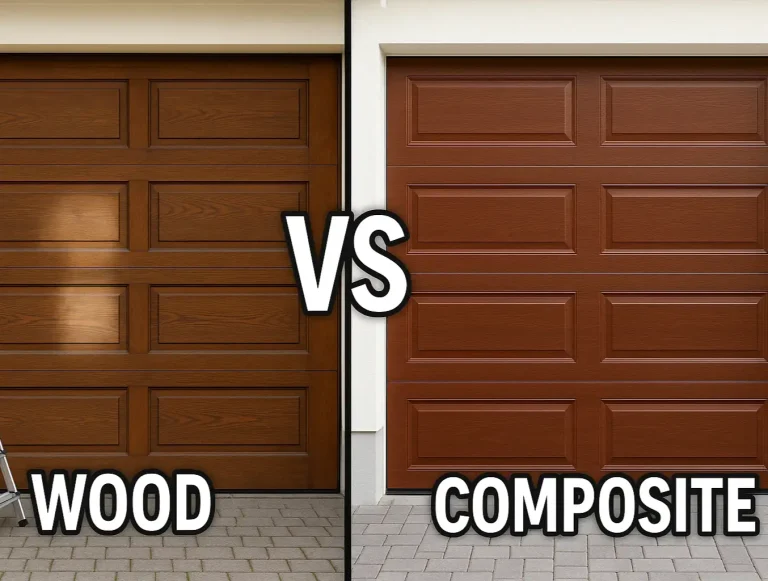
Composite Garage Doors: Durability, Appearance, and Maintenance
You see it in your mind’s eye: a beautiful, rich wood garage door that gives your home a timeless, rustic charm. It’s warm, authentic, and undeniably elegant. Then, another image appears: you, on a ladder, spending a…
Published Date: May 8, 2026
Which Door Type Excels in Extreme Temperatures
You crank up the AC in the summer and the heat in the winter, but have you ever stopped to think about the largest, least-insulated wall in your home? For many of us, it’s the garage door. In regions with scorching…
Published Date: Apr 28, 2026
Comparing Intruder Resistance of Sectional vs. Roll-Up Garage Doors
Your garage door is more than just a way to get your car out of the rain. It’s a massive entry point to your home, often overlooked in security plans. Statistics frequently show that the garage is a preferred entry…
Published Date: Apr 27, 2026