





Garage Door Permits: DIY vs. Pro Installation Risks
Published: Aug 13, 2026
Understand garage door permit requirements before you install. Compare DIY compliance risks, insurance coverage, and professional contractor liability.
The Permit Paradox: Does a Garage Door Actually Require a Permit?
A common misconception is that because the baseline International Residential Code (IRC) is quiet on simple, cosmetic replacements, a permit isn’t necessary. However, local municipal and state codes almost always override the baseline IRC.
Under IRC Section R301.2.1.1, garage doors are classified as a primary part of your home’s structural envelope. In a severe windstorm or hurricane, a garage door is the most vulnerable point of entry. FEMA mitigation studies reveal that when a garage door breaches, wind entering the garage creates a rapid pressurized uplift, which frequently blows the roof off the home. Consequently, local building departments enforce strict wind-load and impact ratings, requiring permits and post-installation inspections to verify code compliance.
Professional vs. DIY: Who Pulls the Permit and Who Holds the Liability?
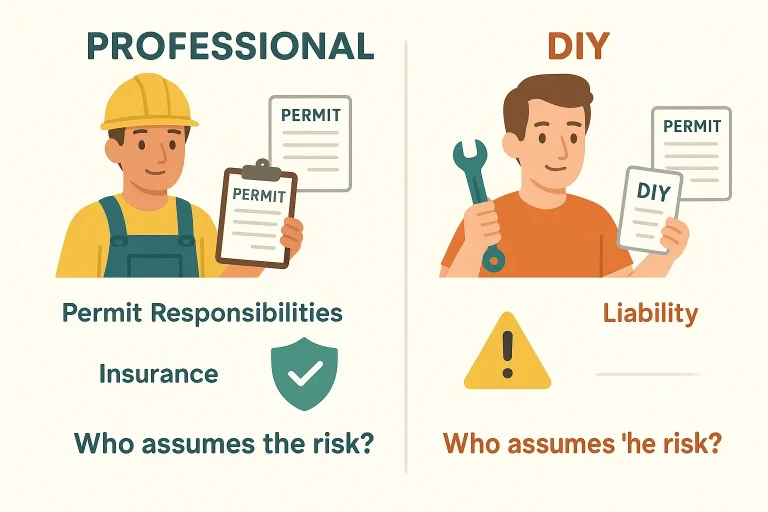
When you choose between professional installation and a DIY approach, you are choosing who carries the legal, financial, and physical liability for the project.
If you opt for a DIY installation, you must file as an “Owner-Builder.” This legal status makes you the de facto General Contractor. If a tension spring snaps during a DIY garage door spring replacement and causes property damage or injury, your homeowner’s insurance may deny the claim due to unpermitted work or “unauthorized structural modification.”
The "Permit Shifting" Trap: Why You Should Never Pull a Permit for a Contractor
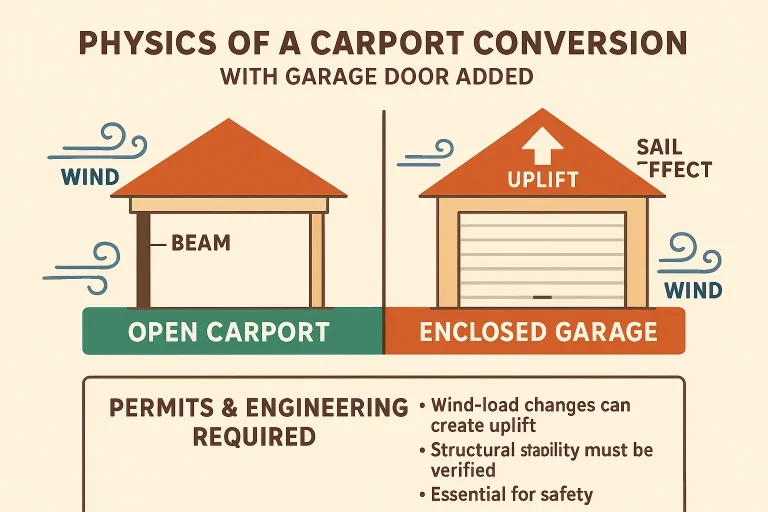
A major red flag in the home improvement industry occurs when an installer asks you to pull the permit yourself to “save money” or “speed up the process.”
If a contractor makes this request, it usually means:
- They lack the necessary state or municipal specialty licensing.
- They lack active workers’ compensation or commercial liability insurance.
- They are unbonded.
By pulling the permit, you shield them from regulatory oversight. If they install the door incorrectly or fail to meet UL 325 safety standards, you are legally responsible. For example, federal law mandates photoelectric safety eyes on all residential openers manufactured after 1993. If an unlicensed installer mounts these incorrectly, you risk failing municipal inspection and assuming liability in injury lawsuits.
To protect your home, you must learn how to choose a reliable garage door company that registers the permit under their own name. You can also verify their compliance by asking questions like, “will chamberlain garage door opener work without sensors?” to test their dedication to mandatory safety regulations.
Case Study: Adding a Garage Door to a Carport (The Carport Conversion)
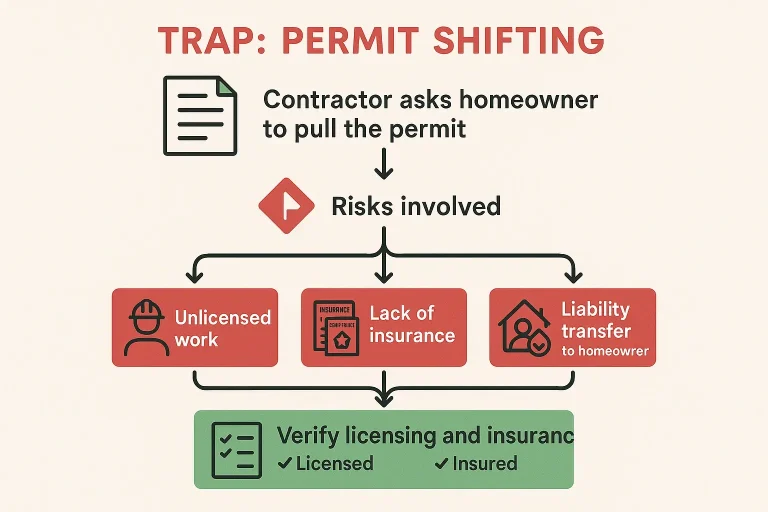
Many homeowners assume that enclosing an existing carport is a simple DIY upgrade. However, turning an open structure into a fully enclosed garage drastically changes its wind dynamics.
An open carport allows wind to flow through freely. Once you enclose it, the structure acts as a wind sail, creating massive uplift forces on the roof during a storm. Because of this, learning how to turn a carport into a garage always requires structural permits, wind-load calculations, and engineered construction drawings to prevent structural collapse.
State-by-State Regulatory Deep Dive
Because local enforcement varies, understanding your state’s licensing framework is critical:
- California: Any residential installation exceeding $500 requires a licensed contractor with a C-61/D-28 (Doors, Gates, and Activating Devices) specialty license. Installers must also comply with Title 24 energy-efficiency requirements.
- New York: Home improvement licensing is decentralized. Counties (such as Nassau, Suffolk, and Westchester) and cities (NYC DOB) mandate local Home Improvement Contractor (HIC) licenses.
- Texas: Regulated at the municipal level. Contractors must be registered locally and classified under NAICS 238350 or SIC 1751-19.
- Florida: Demands strict compliance with High Velocity Hurricane Zone (HVHZ) wind-load and impact ratings.
Whether you are seeking a commercial garage door replacement for a business or replacing a residential unit, these regional codes dictate the entire garage door installation process.
Frequently Asked Questions
Can a municipality fine me for an unpermitted garage door?
Yes. Building departments can issue code violation fines, stop-work orders, or require you to remove the door entirely if it does not meet local wind-load standards.
Will insurance cover damage if my door was installed without a permit?
If a major storm damages your home and the adjuster discovers an unpermitted door, the carrier can deny coverage under clauses related to “neglect” or “unauthorized structural modification.”
How do I know if I can repair my door instead of replacing it?
A certified technician can evaluate your door’s structural integrity to determine if you can a damaged garage door be repaired safely, or if a full, permitted replacement is necessary.
Get Peace of Mind with Up & Down Garage Doors
Do not let legal complications and liability risks disrupt your home improvement plans. At Up & Down Garage Doors, we bring over 15 years of family-owned experience and full licensing to every project. We handle the entire permitting process, ensuring your home meets local codes. Contact our team today for transparent, worry-free professional installation.
You May Also Like
The Garage Door Permit Application Process: A Step-by-Step Guide
For homeowners and commercial property owners alike, upgrading a garage door is one of the most high-impact investments you can make. However, many find themselves caught in a complex regulatory maze: Does a…
Published Date: Aug 7, 2026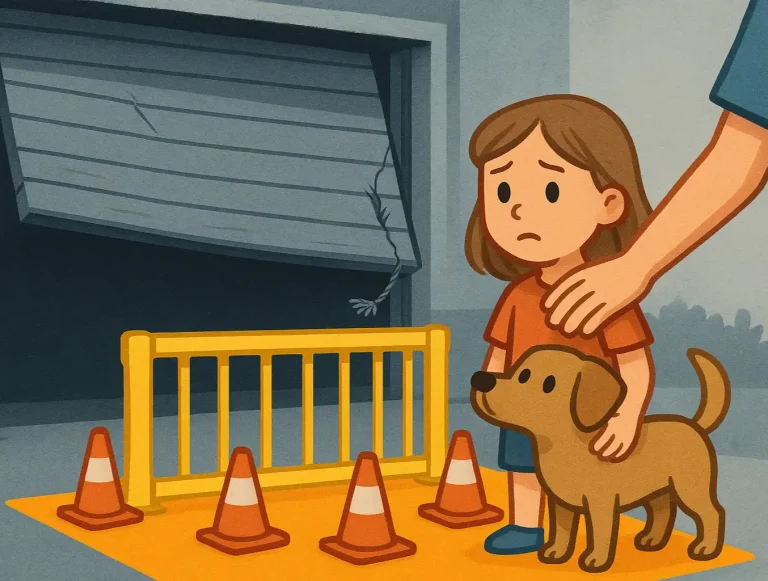
Child and Pet Safety Protocols During a Garage Door Malfunction
That sudden, sickening BANG from the garage stops everyone in their tracks. It’s a sound you can’t ignore. Whether the door is now hanging crooked, stuck halfway, or won’t move at all, your first thought isn’t about…
Published Date: Jun 1, 2026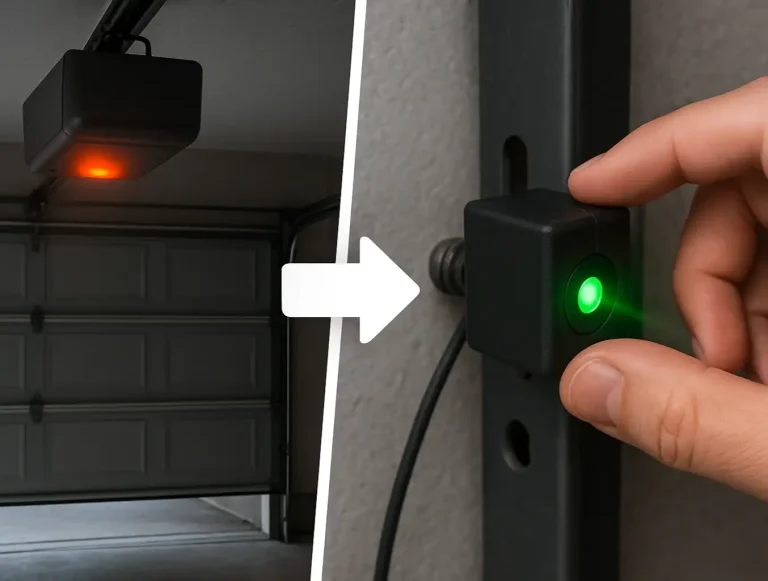
Safety Protocols for Malfunctioning Garage Door Opener Photo-Eye Sensors
You’re heading out, you press the button, and… nothing. The garage door starts to close, then suddenly reverses. You look at the opener, and a light is blinking insistently. It’s a frustrating moment we’ve all faced,…
Published Date: Jun 3, 2026